


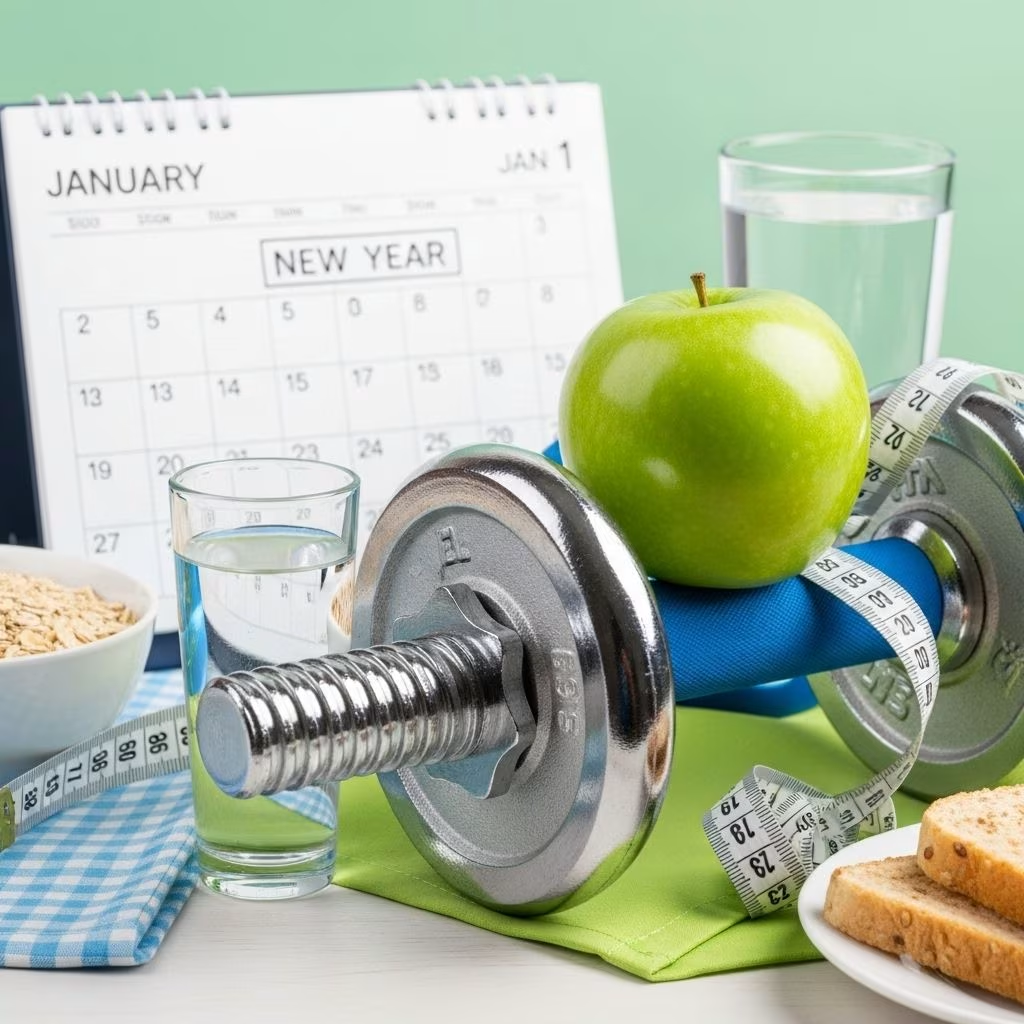
The start of a new year offers a perfect opportunity to set wellness goals and make meaningful changes that last. While many resolve to lose weight, success depends on proven strategies, realistic goals, and the right support. This comprehensive guide brings you 20 expert-backed tips to help you achieve sustainable weight loss and lay the foundation for lifelong health.
1. Clarify Your \”Why\”
Begin by identifying your motivation for losing weight—whether it’s improving health, gaining more energy, or building confidence. Write down your reasons and revisit them regularly to help maintain motivation.
Tip: Place your written \”why\” where you can see it each day, such as on your mirror or fridge.
2. Set Realistic and Specific Goals
Break your larger goal into smaller, actionable steps. For example, walking 15 minutes a day or replacing sugary drinks with water.
Effective goals are specific, achievable, and time-bound. Avoid vague statements like “eat better”—make it “add a vegetable to dinner three days a week.”
3. Build Healthy Habits Gradually
- Focus on progress, not perfection. Make one or two changes at a time to prevent overwhelm and encourage consistency.
- Habits like eating slowly, prepping healthy snacks, and scheduling workout times are more likely to stick when introduced gradually.
4. Practice Mindful Eating
Pay attention to what, when, and how you eat. Avoid distractions like screens and savor every bite. Mindfulness improves satisfaction and reduces the tendency to overeat.
5. Don’t Skip Meals
Skipping meals often backfires, leading to intense hunger and overeating later. Stick to regular meal times, and balance your plate with protein, healthy fats, and fiber-rich carbohydrates to keep you fuller longer.
6. Prioritize Protein at Every Meal
Eating enough protein helps preserve muscle mass and keeps you feeling satiated. Include sources such as lean meats, eggs, tofu, fish, Greek yogurt, legumes, and nuts in your meals and snacks.
7. Hydrate Wisely
- Water supports metabolism and helps control hunger.
- Aim for at least eight 8-ounce glasses (about two liters) daily, adjusting for exercise and climate.
- Limit sugary drinks and alcohol, which add calories but little nutrition.
8. Fill Up on Fiber
Fiber promotes digestive health and keeps you full. Load your plate with vegetables, fruits, whole grains, legumes, and seeds. These foods slow digestion and curb cravings between meals.
9. Watch Portions with Smart Serving Strategies
- Use smaller plates and bowls to naturally limit portions.
- Package snacks in individual servings to prevent mindless munching.
- Listen to your body’s hunger cues and avoid eating out of boredom or stress.
10. Limit Highly Processed Foods
Highly processed foods—including chips, cookies, sweetened beverages, and frozen meals—often contain added sugars, unhealthy fats, and excess calories. Opt for whole foods whenever possible for better nutrition and appetite control.
11. Enjoy \”Fun\” Foods in Moderation
Restriction can increase cravings and make you more likely to binge. Plan for occasional treats, and savor them mindfully so you don’t feel deprived.
Balance is key: a healthy plan includes room for favorite foods.
12. Prioritize Sleep
Quality sleep regulates hunger hormones and supports weight loss. Aim for 7–9 hours nightly. Create a calming bedtime routine and keep electronics out of the bedroom to improve sleep duration and quality.
13. Manage Stress Proactively
- Stress can trigger emotional eating or disrupt healthy routines.
- Practice stress management tools such as deep breathing, meditation, journaling, or gentle movement.
14. Move More—Find Exercises You Enjoy
- Physical activity is essential for long-term weight control, heart health, mood, and energy.
- Try walking, swimming, dance, or group fitness. The best exercise is one you look forward to and can stick with regularly.
- Aim for at least 150 minutes of moderate-intensity activity weekly.
15. Strength Training Matters
Build and maintain muscle by incorporating resistance exercises 2–3 times per week. Muscle burns more calories at rest and gives your body a toned, lean look.
16. Track Your Progress (But Don’t Obsess)
- Journaling food, workouts, sleep, and emotions can highlight patterns and areas for improvement.
- Check in weekly with your goals and adjust your plan as needed.
- Celebrate non-scale victories like better energy, improved mood, or increased fitness.
17. Find Your Support Squad
Success is easier with support. Recruit friends, family, coworkers, or join groups with similar goals. Share recipes, plan activity dates, or simply encourage one another. Online communities and programs can provide added accountability.
18. Seek Professional Guidance
- If you have underlying health conditions or struggle to see results on your own, consulting a registered dietitian, healthcare provider, or weight loss specialist can help tailor a safe, effective plan.
- Some may benefit from medically prescribed weight loss aids or procedures, but these are only appropriate in certain cases and always require medical supervision.
19. Treat Yourself—Without Food
- Reward yourself for meeting milestones: buy new workout gear, plan a day trip, or schedule a massage.
- Non-food rewards keep the journey positive and motivate continued progress.
20. Embrace Setbacks—They’re Part of the Process
Slip-ups are inevitable. Don’t let guilt derail your progress. Acknowledge what happened, learn from it, and get back on track. Sustainable weight loss is about steady improvement, not perfection.
Healthy Weight Loss: Expert Guidance
The Centers for Disease Control and Prevention (CDC) highlights that healthy weight loss is achieved at a slow, steady pace—typically 1 to 2 pounds per week. Include these pillars for best results:
- Balanced nutrition: Fill plates with vegetables, lean protein, healthy fats, and whole grains.
- Physical activity: Mix aerobic, resistance, and flexibility routines.
- Stress management: Regular relaxation and self-care.
- Sufficient sleep: Aim for seven to nine hours nightly.
Everyone’s journey is unique, with factors such as age, genes, medical conditions, and environment also playing a role. Whenever you’re unsure about your best plan, discuss options with a healthcare provider.
Choosing an Effective Diet: What Works?
- Avoid restrictive plans: Diets that cut out entire food groups or involve extreme calorie deficits are harder to maintain and increase risk for nutritional deficiencies and rebound weight gain.
- Say no to \”detox\” fads: Detox products are unnecessary and may harm your health.
- Choose whole, nutrient-dense foods: Base your meals on vegetables, fruits, lean proteins, whole grains, and healthy fats.
- Customization matters: The best plan fits your preferences and health needs.
- Sustainability over quick fixes: Successful diets feel realistic and enjoyable.
Sample Table: Foods to Favor vs. Foods to Limit
| Foods to Favor | Foods to Limit |
|---|---|
| Vegetables (leafy greens, broccoli, carrots) | Fried foods, chips, sweetened beverages |
| Lean meats, fish, tofu, eggs | Processed meats (sausage, bacon) |
| Whole grains (quinoa, brown rice, oats) | Refined grains (white bread, pastries) |
| Fruits (berries, apples, oranges) | Candies, cookies, cakes |
| Nuts, seeds, olive oil | Deep-fried snacks, heavy cream sauces |
Frequently Asked Questions (FAQs)
How quickly should I expect to lose weight?
Experts recommend aiming for 1–2 pounds of weight loss per week. Faster results are typically unsustainable and may compromise health.
Should I cut out all carbs and fats?
No. Carbohydrates and healthy fats are important for energy, fullness, and nutrient absorption. Focus on whole food sources: vegetables, fruits, whole grains, olive oil, nuts, and fatty fish.
Is exercise required for weight loss?
Physical activity boosts calorie burn and improves health, but nutrition changes alone can lead to weight loss. For best results, combine a balanced diet with regular movement.
What’s the best diet for me?
The optimal diet is one you enjoy and can stick to. Prioritize whole foods, balance, and consistency. Consult with a dietitian for personalized recommendations.
Do I need weight loss supplements or \”detox\” products?
No. Most supplements and detox products are unproven and unnecessary. Support your body’s natural processes with nutritious foods, movement, hydration, and rest.
What if I have a setback?
Setbacks are common; don’t dwell on them. Learn from the experience, adjust your plan if needed, and continue progressing toward your goals.
Key Takeaways
- Set clear, meaningful goals and build new habits gradually.
- Prioritize protein, fiber, hydration, and whole foods.
- Opt for sustainability and balance over fad diets or rapid changes.
- Create a support network to stay motivated and accountable.
- Include movement, sleep, and stress management as part of your plan.
- Track progress, celebrate successes, and don’t fear setbacks.
With expert guidance and determination, your health journey in the new year can be rewarding and transformative. Begin today with small steps, and harness the proven strategies that will help you reach—and maintain—your healthiest weight.
References
- https://www.cdc.gov/healthy-weight-growth/losing-weight/index.html
- https://www.prevention.com/weight-loss/diets/a63174975/best-diets-for-weight-loss-2025/
- https://www.zinio.com/publications/prevention-magazine-australia/32656
- https://www.prevention.com/weight-loss/
- https://www.youtube.com/channel/UC9M3b9q8SsPraJVWacDU68Q


