


Kelly Ripa’s Approach to the Alkaline Diet: Balancing Health, Energy, and Enjoyment
As a celebrated television host and fitness icon, Kelly Ripa has garnered widespread attention for her age-defying appearance and vibrant energy. Much of her wellness can be attributed to her commitment to the alkaline diet—a nutritional approach praised by celebrities but often debated by nutrition experts. This article delves into Ripa’s alkaline lifestyle, offering a thorough look at her guiding principles, foods enjoyed and avoided, daily rituals, expert analysis, sample meal ideas, and practical tips for those curious about this trending way of eating.
The Fundamentals: What Is the Alkaline Diet?
The alkaline diet is built upon the idea that certain foods can affect the body’s pH level—a measure of acidity or alkalinity. The central premise is to replace acid-forming foods (like meats, dairy, and processed items) with more alkaline-forming foods (primarily fruits and vegetables), aiming for a diet that promotes an ‘alkaline’ environment in the body. Advocates suggest this boosts health, aids weight management, and reduces inflammation. However, many medical experts emphasize that the body already tightly regulates pH via the kidneys and lungs, making dietary impact on overall pH limited.
- Foods are classified as acidic (pH below 7) or alkaline (pH above 7).
- Dieters focus on minimizing foods that generate “acid ash” in metabolism, prioritizing those that leave “alkaline ash.”
Kelly Ripa’s Alkaline Diet Philosophy
Ripa embraced the alkaline diet around 2016, faithfully sticking to its tenets for a period before easing to a more flexible version. She has publicly credited the diet with changing her life, stating that she feels better, lighter, and enjoys increased energy, stating that, “it’s responsible for me not being in pain” during a Live with Kelly and Ryan episode.
Rather than strict rigidity, Ripa found balance that supports both her health and her enjoyment of food:
- Her nutritionist advocates an 80/20 approach: 80% alkaline-promoting foods, 20% flexibility for other choices.
- Ripa occasionally enjoys coffee (with cream), fish, and treats—allowing for pleasure without guilt.
- She prioritizes whole, unprocessed foods—emphasizing simplicity and minimal ingredients.
What Does Kelly Ripa Eat in a Day?
For those curious about the actual meals that fuel her demanding lifestyle, Ripa’s daily pattern is defined more by clarity and nutrition than deprivation. She typically skips breakfast before her live show, eats substantial plant-based lunches and dinners, and includes strategic snacks to maintain her energy.
Morning Rituals and Coffee Preferences
Ripa rises as early as 4:30 a.m. but does not eat breakfast before going live. She finds that eating early interferes with her ability to focus. Instead, she enjoys a coffee ritual—often a triple shot skim latte at her host desk, sometimes with a coffee alkalizer added to reduce acidity. “If I eat beforehand, I’m just making digesting sounds,” she lightheartedly explained in Bon Appétit.
Sample Breakfast Choices
When she does opt for breakfast, Kelly avoids high-sugar items. A favorite is her own homemade “chocolate” chia seed pudding, made with coconut water, dates, cacao, cashews, coconut oil, and chia seeds. Ripa claims it’s particularly helpful for digestion and “the answer to your prayers” for regularity.
Lunch and Dinner Staples
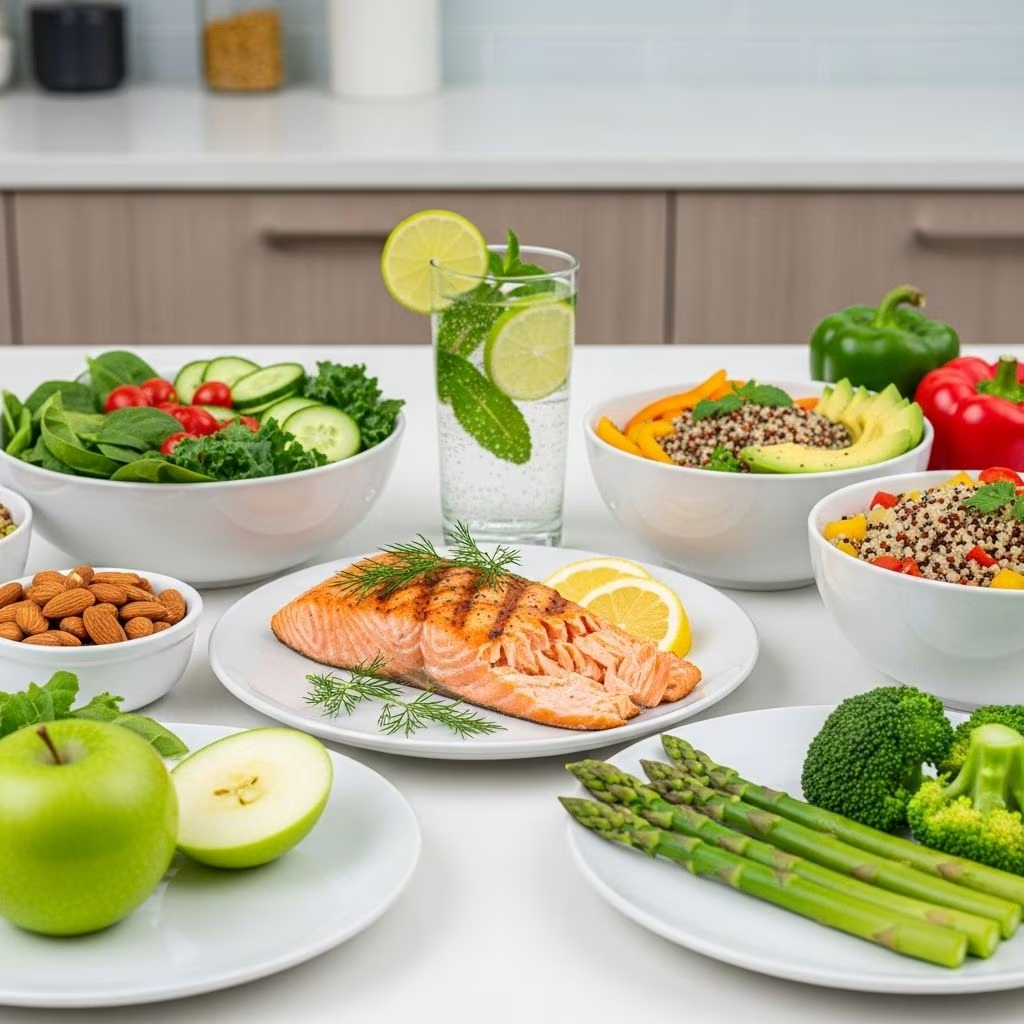
- Large, plant-based salads (greens, veggies, seeds, healthy oils)
- Vegetable soups
- Occasional light fish (salmon, white fish) for protein diversity
- Light, healthy grains (occasionally, as strict alkaline plans restrict most grains)
- Olive oil, lemon juice, and herbs for flavoring
- Ripa avoids heavy dairy but sometimes allows Greek yogurt or a small amount of cheese
Snack Habits and Indulgences
- Protein bars (with unprocessed, minimal ingredients)
- Flaxseed-based snacks
- Pepperidge Farm Goldfish crackers (“I cannot give them up,” Ripa admits)
- Fruit and nuts (Greek yogurt with fruit and pistachios is a favorite)
Ripa’s snacking reflects her overall diet philosophy: mainly natural, whole foods, with room for small pleasures.
The Foods Off-Limits: What the Alkaline Diet Restricts
The list of foods considered acidic and eliminated (or minimized) by the alkaline diet—and by Kelly for the most part—is extensive:
- Red meat, poultry, and pork
- Most fish (egg yolks, shellfish, and fatty fish are avoided more strictly, though Ripa sometimes allows white fish)
- Most dairy products (milk, cheese, cream, butter is the main exception)
- Eggs (especially yolks)
- Grains (wheat, barley, oats, rice, pasta, most breads)
- Regular and diet sodas, sports drinks, energy drinks
- Processed, packaged, or fast foods
- Alcohol, apart from occasional wine
- Lentils, peanuts, walnuts (strict plans)
While this list can appear daunting, Ripa has adopted a flexible mindset, emphasizing moderation, enjoyment, and a variety of alkaline-friendly staples.
Sample Kelly Ripa-Inspired Alkaline Diet Meal Plan
| Meal | Foods | Notes |
|---|---|---|
| Breakfast | Chocolate chia pudding (coconut water, dates, cacao, cashews, coconut oil, chia seeds) | Sometimes skipped until after morning show |
| Lunch | Mixed salad (greens, spinach, avocado, tomatoes, seeds, lemon-olive oil dressing) | Plant-based focus; sometimes small piece of fish |
| Snack | Protein bar, flaxseed snacks, Greek yogurt with fruit and pistachios | Unprocessed whenever possible; Goldfish crackers as occasional treat |
| Dinner | Vegetable soup or large salad, steamed or roasted veggies, light fish (occasionally) | Minimal cheese; olive oil and herbs for flavor |
Practical Strategies: How Kelly Ripa Maintains Dietary Balance
The alkaline diet is notorious for its restrictiveness, yet Ripa’s approach is grounded, adaptable, and mindful. Here are the principles that help her stay consistent without feeling deprived:
- 80/20 Philosophy: Strictly follows alkaline 80% of the time, but leaves room for foods she loves or social occasions.
- Meal Simplicity: Favors dishes with few, natural ingredients—making meal prep and eating both easier and more enjoyable.
- Snack Smarter: Chooses snacks that are filling and healthy, but also includes comfort favorites to avoid feeling restricted.
- Hydration: Drinks plenty of water, with an emphasis on avoiding sugary soda or energy drinks.
- Mindful Indulgence: Enjoys an occasional glass of wine or cream in her coffee without guilt.
Expert Perspective: Science and Controversy Surrounding the Alkaline Diet
The alkaline diet’s popularity has soared, in part due to endorsements from celebrities like Ripa. However, its scientific support remains limited:
- The body maintains a very consistent blood pH—through biological mechanisms—making dramatic pH changes through diet unlikely.
- Experts such as Stefani Sassos, RD, stress that while eating whole, unprocessed foods provides clear health benefits, the effects have little to do with actual pH modification.
- Highly restrictive diets may pose nutritional challenges, especially with adequate protein and some vitamins and minerals, unless carefully planned.
- Many benefits attributed to the alkaline diet are likely due to the increased intake of fruits, vegetables, and water, and the avoidance of processed foods and excessive sugars.
Bottom line: You don’t need to obsess over pH to reap the benefits of a veggie-rich diet. A flexible, plant-forward approach that mirrors Ripa’s is both realistic and healthful.
Potential Benefits and Possible Pitfalls
- Reported Benefits:
- Higher energy levels and less bloating
- Improved digestive health
- Weight management (though not guaranteed)
- Lower intake of processed foods and added sugars
- Increased fruit and vegetable consumption
- Possible Pitfalls:
- Can be restrictive, making social meals and travel challenging
- Potentially low in protein, calcium, iron if animal products are eliminated without proper planning
- Difficult to sustain 100% long-term without flexibility or adjustments
- Health claims about “alkalinizing” the body remain controversial and largely unproven
Tips for Trying an Alkaline-Inspired Diet
- Focus on adding—not just removing—foods. Build meals around vegetables, fruits, nuts, seeds, and healthy oils.
- If including animal products, opt for small amounts of fish, eggs, or dairy as tolerated.
- Minimize processed foods, refined grains, and sugar-laden beverages.
- Listen to your body: prioritize feeling good and energetic, not perfect adherence.
- Consult a registered dietitian if you have unique nutritional needs or health conditions.
Frequently Asked Questions (FAQs)
Q: What exactly is the alkaline diet Kelly Ripa follows?
A: The alkaline diet emphasizes replacing acid-forming foods (like meat, dairy, and processed foods) with more alkaline-forming ones (primarily fruits and vegetables). Ripa practices a flexible, mostly plant-based version focused on energy and overall health.
Q: What foods does Kelly Ripa avoid on her diet?
A: She avoids or limits red meat, poultry, most fish, dairy, eggs, grains, soda, processed and fast foods, and alcohol (except the occasional glass of wine). Butter and olive oil are allowed.
Q: Does she ever eat non-alkaline foods or treats?
A: Yes. Ripa practices an 80/20 rule, occasionally enjoying coffee with cream, fish, wine, and snacks like Goldfish crackers without guilt.
Q: What does the science say about the alkaline diet?
A: Most experts agree that the body tightly regulates pH and that the primary health benefits come from eating more whole, plant-based foods and fewer processed items—not from altering body pH.
Q: Is the diet sustainable for most people?
A: The highly restrictive nature can be difficult for long-term adherence. Flexibility and personal adaptation, as practiced by Ripa, make it more practical.
Conclusion: Kelly Ripa’s Real-World Wisdom for Healthier Eating
Kelly Ripa’s alkaline-inspired diet underscores a now-familiar truth: eating more vegetables, choosing simple, unprocessed foods, and enjoying balance is a recipe for feeling and looking your best. While her energetic lifestyle and glowing appearance have sparked widespread intrigue about “how she does it,” her real secret lies in moderation, enjoyment, and self-awareness—not dietary dogma.
For those curious about going alkaline, Ripa’s approach offers a sustainable model: prioritize whole, mostly plant-based foods, avoid heavily processed items, and allow yourself flexibility to enjoy life’s little pleasures—no guilt required.


