


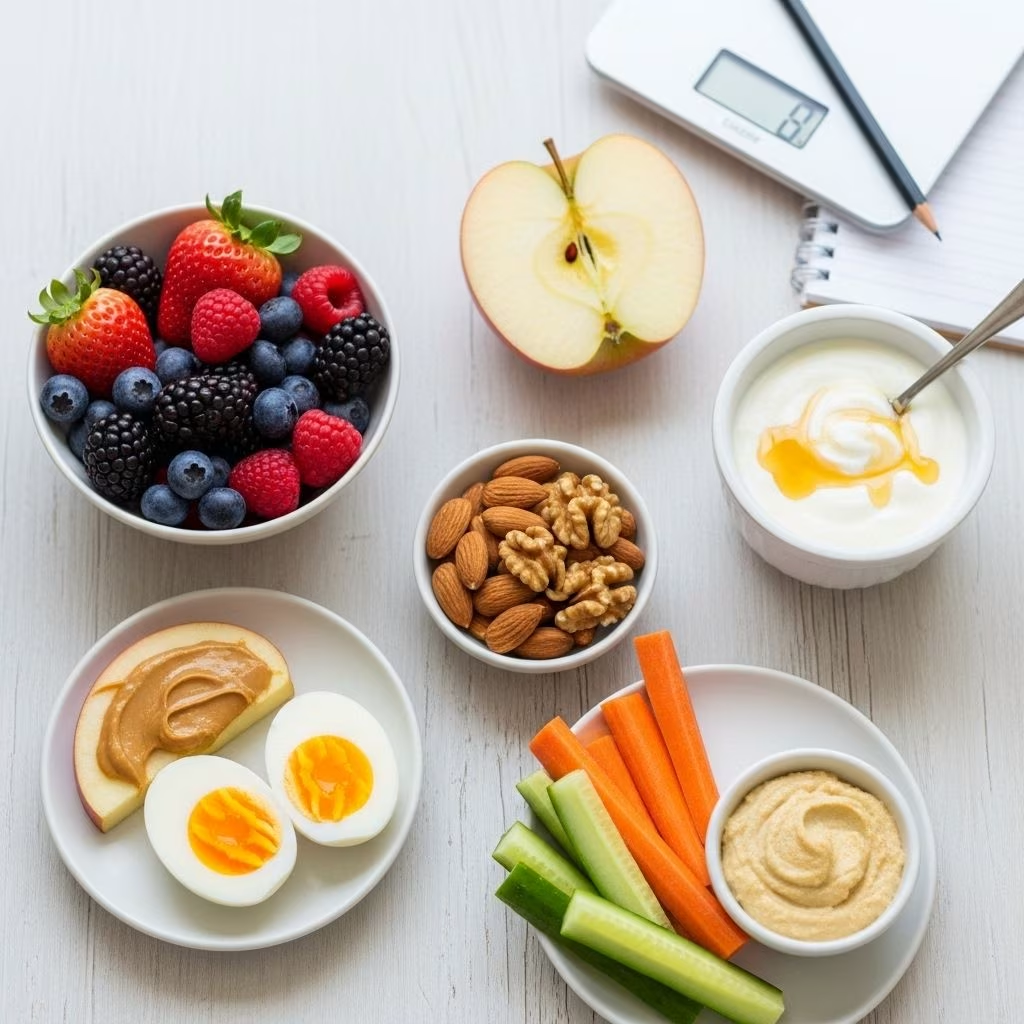
Snacking often gets a bad rap in weight loss conversations, but experts agree that the right snack, at the right time, can actually support healthy weight management. Planning your snacks strategically can keep hunger at bay and help you avoid overeating at your main meals. But how many calories should you dedicate to snacks, and what foods make the best choices? This comprehensive guide answers these questions and more, providing expert-backed strategies for snacking while losing weight.
Why Snacking Can Help With Weight Loss
Contrary to popular belief, smart snacking isn’t just acceptable—it can be beneficial for weight loss and maintenance. Well-chosen snacks can:
- Prevent excessive hunger between meals, reducing the risk of overeating later
- Stabilize blood sugar and energy levels throughout the day
- Help you stick to your healthy eating goals by keeping you satisfied and less likely to crave processed, high-sugar foods
Snacking works best when approached intentionally. Random grazing or mindless snacking can stall your progress, but planned snacks can become a powerful part of your weight loss toolkit.
How Many Calories Should Your Snacks Be?
Snack calorie needs aren’t one-size-fits-all. They depend on factors such as your age, level of physical activity, overall calorie needs, and your weight-loss goals. Experts generally recommend:
- If you are inactive and over age 50: Limit yourself to around 200 calories of snacks per day.
- If you are moderately or very active and younger: You can enjoy two 200-calorie snacks daily, potentially more if your calorie requirements are higher.
- If you are losing weight too rapidly (more than 3 pounds per week): Increase your snack intake or choose snacks with more calories to slow the rate to no more than two pounds per week.
For most adults, the sweet spot is often 100 to 200 calories per snack. Spacing these between three balanced meals can help control appetite and prevent energy crashes throughout the day.
How Many Snacks Per Day Is Ideal?
Snack frequency also depends on your unique energy needs and schedule. In general:
- Two snacks per day is a good guideline for most women pursuing weight loss.
- If you have a physically demanding lifestyle or are maintaining your weight, more snacks or slightly higher-calorie snacks may fit your needs.
- Pay attention to real hunger cues. Snack if you’re truly hungry (not just out of habit), and adjust as your physical needs require.
Best 100-Calorie Snacks for Weight Loss
Need inspiration for real, satisfying snacks that fit into your calorie budget? Here are some delicious 100-calorie snack ideas, all easy to prepare and packed with nutrition:
- 1/4 cup low-fat cottage cheese with 1 cup sliced strawberries
- 1 hard-boiled egg with 1 tablespoon light ranch dressing
- 1/2 cup fat-free frozen yogurt or ice cream
- 28 pistachios
- 10 raw almonds or cashews
- Celery stalk with 1 tablespoon peanut butter
- Whole wheat bread (1 slice) with 1 ounce turkey breast
- 1 mozzarella string cheese and 4 green olives
- 1 cup light, nonfat yogurt
- 1/2 ounce baked tortilla chips with 2 tablespoons salsa
- 1 fat-free chocolate pudding cup
- 1/2 whole wheat bagel (4-inch diameter), toasted with 1 tablespoon sugar-free jam
- 1/2 cup steamed edamame (soybeans)
- Hard-boiled egg with 1/2 slice toasted wheat bread
- 1 cup light chicken noodle soup with 2 saltine crackers
- 1 small whole wheat pita with 1 tablespoon hummus
- 1 slice whole wheat bread with 1 ounce sliced turkey breast and mustard
- 1/2 cup low-fat cottage cheese with 1 cup cherry tomatoes
- 2 fig bars
- 20 animal crackers
- 1 cup mixed berries with 2 tablespoons nonfat plain yogurt
- 3–4 cups (microwave) air-popped popcorn (check package for calories per cup)
Best 200-Calorie Snacks for Active Lifestyles
If your energy demands are higher, or you simply want a heartier snack, try one of these filling 200-calorie snacks:
- 2 fig bars with a medium apple
- 1 ounce trail mix with 1/2 cup light fruit yogurt
- 1 cup broth-based soup with 2 rice cakes
- 1/4 cup roasted sunflower seeds
- 1/4 cup dry-roasted mixed nuts
- 8 reduced-fat Triscuit crackers with 1 ounce reduced-fat cheddar cheese
- 1 whole wheat English muffin topped with 1 tablespoon reduced-fat peanut butter
- 1/2 cup raisin bran cereal with 1/2 cup skim milk
- 1/2 cup low-fat chocolate milk with 4 low-fat graham cracker squares
‘Free’ Snacks: Hunger-Fighting Foods With Minimal Calories
Some foods provide significant volume and satiety with virtually no threat to your calorie budget. Consider these the MVPs of the weight loss snacking world—they fill you up, but barely register calorie-wise:
- Most fresh non-starchy vegetables (avoid potatoes, yams, peas, beans for this category)
- Any kind of salad greens (arugula, spinach, romaine, red leaf, etc.)
- Bell peppers (sliced or diced)
- Carrots, celery, cucumber
- Tomatoes (fresh, cherry, or grape)
- Steamed or raw broccoli and cauliflower
- Mushrooms (button, portobello, shiitake, etc.)
- Sprouts (alfalfa, bean, lentil)
- Onions, asparagus, beets, green beans
- Vinegar, mustard, herbs, and spices (for flavor without calories)
- Low-sodium tomato juice or V-8
- Low-sodium, fat-free salad dressing
- Sparkling water with lemon or lime
- Herbal or green tea with skim milk and sweetener
Enjoy these ‘free’ foods in unlimited quantities as snacks or alongside your meals to increase satiety without adding many calories.
Make Snacks Work for Your Weight Loss
To get the most from your snacks (and to avoid them sabotaging your goals), stick to these best practices:
- Plan your snacks. Waiting until you’re famished can lead to poor choices. Pack snacks ahead of time for work, travel, or busy days.
- Watch your portions. Use measuring cups or pre-portioned containers to avoid unintentional calorie overload.
- Pair nutrients. Combine fiber-rich carbohydrates (like fruit or whole grains) with protein (like yogurt, cheese, or nuts) or healthy fats (like nut butter or avocado) for maximum satiety.
- Limit processed snacks. Skip chips, candy, and sweets, which are high in calories, low in nutrients, and unlikely to keep you full.
- Honor your hunger. Eat when you’re truly hungry, not just out of habit, boredom, or stress.
Snacking FAQs
Q: Are snacks really necessary for weight loss?
A: No, snacks aren’t strictly necessary—but for many people, well-timed snacks prevent overeating at meals and help you stay within your daily calorie range. Listen to your body’s hunger and fullness cues.
Q: What nutrients should I focus on in a snack?
A: Prioritize fiber, protein, and healthy fats. These nutrients help you feel full longer and support stable energy between meals.
Q: Is it bad to snack late at night?
A: Not always. A small, healthy snack before bed is fine if you’re hungry; just keep it light and within your daily calorie goals.
Q: What are some no-prep or grab-and-go snack options?
A: Easy options include fresh fruit, single-serve cottage cheese cups, string cheese, a handful of nuts, baby carrots, or a container of hummus with veggie sticks.
Q: How can I avoid overeating snacks?
A: Stick to pre-portioned servings, avoid eating straight from large packages, and keep snacks out of sight until you need them to avoid mindless munching.
Nutritional Guidelines: Snack Smarter
| Snack Calories | Ideal For | Example Snacks |
|---|---|---|
| 100 | General weight loss, low activity | Hard-boiled egg + whole wheat toast, air-popped popcorn |
| 200 | Active individuals, higher calorie needs | Trail mix + fruit yogurt, whole wheat English muffin with nut butter |
| 0–30 (‘Free’ foods) | Hunger control, unlimited | Veggies, salad greens, seltzer, tea with skim milk |
Key Takeaways for Snack Success
- Snacking, when planned and portion-controlled, can support healthy weight loss.
- Stick to 100–200 calories per snack depending on your activity level.
- Choose snacks rich in fiber, protein, and healthy fats for the best satisfaction and health benefits.
- Fill up on non-starchy veggies whenever hunger strikes between meals—these are your ‘free’ snacks.
- Listen to your body, snack when you’re genuinely hungry, and enjoy the process of nourishing yourself smarter.
With the right approach, snacks can become your ally in achieving and sustaining a healthy weight.
References
- https://www.prevention.com/weight-loss/a20457616/low-calories-snack-options-to-help-you-lose-weight/
- https://www.prevention.com/weight-loss/g19576831/healthy-snack-ideas-weight-loss/
- https://www.prevention.com/weight-loss/g27323543/low-calorie-snacks/
- https://www.prevention.com/food-nutrition/healthy-eating/a65664887/ultra-processed-foods-weight-loss-gut-health-study/
- https://www.prevention.com/weight-loss/g24805401/fat-burning-foods/
- https://www.prevention.com/weight-loss/diets/a20460983/weight-loss-meals-and-snacks/
- https://www.prevention.com/weight-loss/g20482528/this-is-your-perfect-day-for-weight-loss/
- https://www.prevention.com/weight-loss/g20432475/15-ways-to-cut-hundreds-of-empty-calories-a-day/
- https://www.prevention.com/food-nutrition/g20428211/25-ridiculously-low-calorie-foods/
- https://www.prevention.com/weight-loss/a20435818/eating-mistakes-leading-to-weight-gain/


