


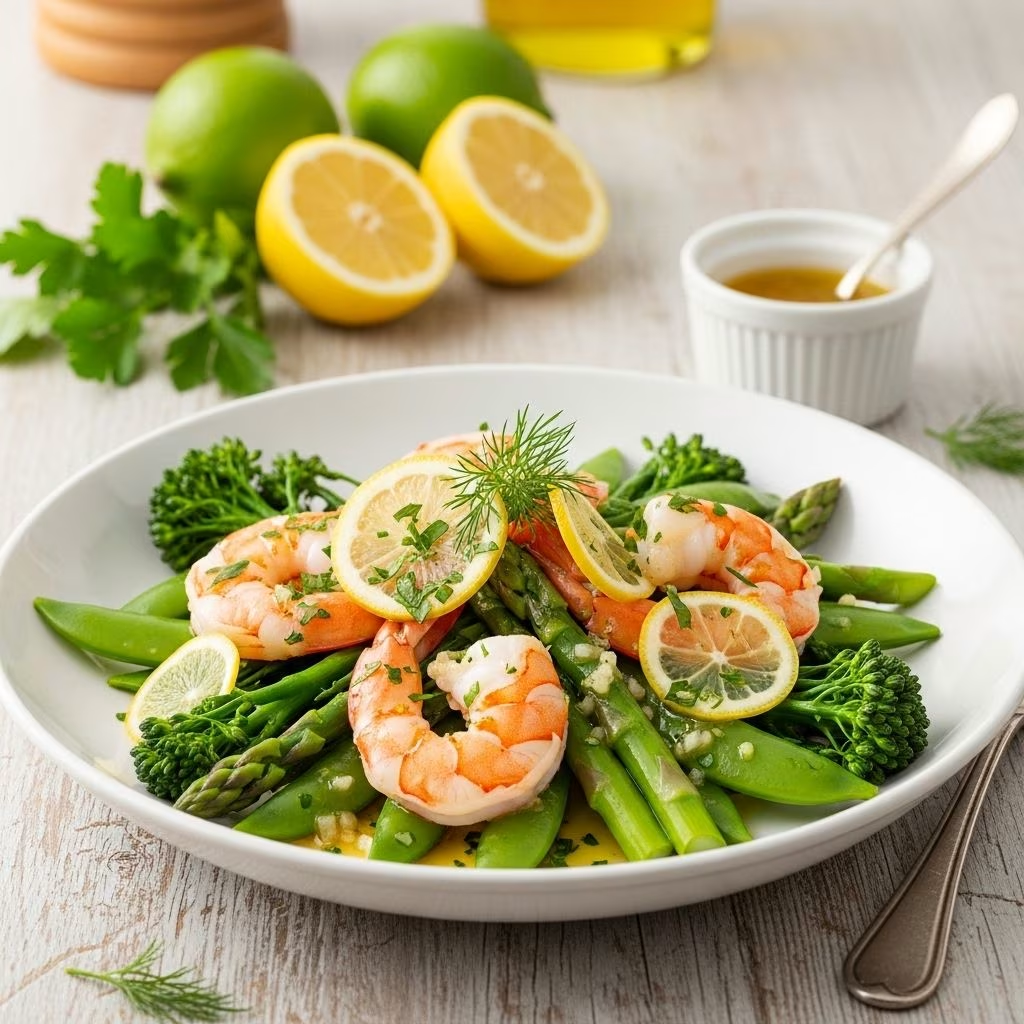
Best Life Diet Shrimp Recipe: A Healthy Twist on Classic Flavors
If you’re searching for a nutritious, satisfying dinner that fits seamlessly into a healthy lifestyle, this Best Life Diet shrimp recipe is a flavorful choice. Combining lean protein with vibrant vegetables, it’s a meal that offers both taste and health benefits ideal for weight loss and overall well-being.
Why Choose Shrimp for a Healthy Diet?
Shrimp is a popular lean protein, low in calories and fat, yet packed with essential nutrients such as vitamin B12, iodine, and selenium. Its versatility makes it ideal for various cooking methods, and when paired with fresh vegetables, shrimp creates a meal that supports weight loss goals while delivering robust flavor and texture.
- Low in calories: A 3-ounce serving has under 100 calories.
- High in protein: Over 20 grams per serving.
- Rich in nutrients: Vitamin B12, selenium, and iron.
- Fast cooking: Shrimp cooks quickly, making it perfect for busy weeknights.
Key Ingredients for the Best Life Shrimp Recipe
The foundation of this recipe blends shrimp with a medley of vegetables and flavorful seasonings. Each ingredient is selected for its nutritional profile and ability to enhance the overall dish.
- Extra-virgin olive oil: Heart-healthy fats for sautéing vegetables and shrimp.
- Red bell peppers: Rich in vitamin C and antioxidants, providing color and crunch.
- Asparagus: High in fiber and vitamin K, perfect for spring meals.
- Fresh garlic: Adds flavor as well as antibacterial properties.
- Lemon zest and juice: For brightness and a fresh citrus note.
- Reduced-sodium chicken broth: Creates a lighter sauce with less sodium than standard stock.
- Raw shrimp: Peeled and deveined for convenience; typically 16-30 per pound.
- Cornstarch: Slightly thickens the sauce without adding extra fat.
- Fresh parsley: Adds color and an herbal finish.
Step-by-Step Preparation: Creating a Delicious Shrimp Dinner
This shrimp and vegetable recipe is designed for ease, requiring minimal active time yet delivering big on taste and nutrition.
- Heat half the oil in a large nonstick skillet over medium-high heat. Add diced bell peppers, asparagus, lemon zest, and half the salt. Cook for about 6 minutes until vegetables soften. Transfer to a bowl and keep warm.
- Add the remaining oil and garlic to the same pan, sautéing until fragrant (approximately 30 seconds).
- Add shrimp to the pan and cook, stirring, for about 1 minute.
- In a small bowl, whisk together chicken broth and cornstarch until smooth. Pour mixture into the pan along with the remaining salt, stirring until the sauce just begins to thicken and shrimp turn pink (roughly 2 minutes).
- Remove from the heat and stir in lemon juice and fresh parsley.
- Serve shrimp and sauce over the sautéed vegetables. For a more substantial meal, pair with quinoa, whole-wheat couscous, or linguine.
Nutritional Profile: A Smart Choice for Weight Loss
| Nutrient | Per Serving |
|---|---|
| Calories | 227 |
| Fat | 7 g (1 g Sat, 4 g Mono) |
| Cholesterol | 174 mg |
| Carbohydrates | 14 g |
| Protein | 28 g |
| Fiber | 4 g |
| Sodium | 514 mg |
This dish is well-balanced, giving you vegetables, lean protein, and heart-healthy fats in a single plate. It fits seamlessly into calorie-controlled meals and supports muscle maintenance while promoting fullness.
Flavor Variations and Substitutions
One of the strengths of this recipe is its adaptability. You can introduce a range of vegetables, switch up herbs, or modify the protein based on dietary preferences and seasonal availability.
- Vegetable swaps: Try broccoli, snap peas, zucchini, or cauliflower.
- Grain options: Serve over brown rice, farro, or whole-grain pasta for more fiber.
- Herbs: Basil, cilantro, or dill can be substituted for parsley.
- Protein alternatives: Chicken breast or tofu can be used in place of shrimp.
- Spice it up: Add red pepper flakes or a splash of hot sauce for heat.
Tips for Selecting and Handling Shrimp
For the best results, use high-quality raw shrimp, either fresh or frozen. Make sure the shrimp are peeled and deveined for ease of preparation.
- Defrosting: Place frozen shrimp in a colander under cold running water for a few minutes, then pat dry.
- Cooking time: Shrimp cook quickly—overcooking makes them rubbery, so remove them once they just turn pink and opaque.
- Flavor boost: Marinate shrimp ahead of time with lemon, garlic, or herbs to intensify taste.
Healthy Sides to Pair with Shrimp
While the recipe stands alone as a light entrée, consider pairing with nutrient-rich sides for greater meal variety:
- Quinoa, barley, or farro
- Whole-wheat couscous or linguine
- Mixed green salad with a vinaigrette
- Steamed or roasted potatoes
Frequently Asked Questions (FAQs) About Healthy Shrimp Recipes
Q: Is shrimp low in cholesterol and safe for heart health?
A: Shrimp is higher in cholesterol than fish or poultry, but studies show it does not raise blood cholesterol in most people when eaten as part of a healthy diet. It’s also low in saturated fat, which is more impactful for heart risk.
Q: How can I lower sodium in this recipe?
A: Use low-sodium chicken broth and skip added salt. Incorporating more fresh herbs or citrus can boost flavor without relying on salt.
Q: What is a good vegetarian alternative?
A: Tofu or tempeh, cut into cubes and sautéed in a similar manner, work well and offer plant-based protein.
Q: Can I meal prep this recipe?
A: Yes, cook the vegetables and shrimp ahead, store separately, and combine for quick meals throughout the week. Leftovers keep well for up to 3 days refrigerated.
Q: How can I add more fiber?
A: Serve the shrimp and vegetables over whole grains or with a bean salad to increase fiber content.
Best Practices for Incorporating Shrimp Recipes into a Weight Loss Plan
This recipe highlights guiding principles from the Best Life Diet, which emphasizes balanced eating, lean protein, and lots of vegetables. Here are a few tips to maximize your weight loss journey with shrimp recipes:
- Portion control: Stick to recommended serving sizes for shrimp and grains.
- Load up on vegetables: Increasing the amount of non-starchy vegetables keeps calories low while adding nutrients and fiber.
- Choose healthy fats: Swap butter for olive oil and use reduced-sodium broth for sauces.
- Limit starches: Serve with whole grains or high-fiber options.
- Skip cream-based sauces: Opt for broth and lemon juice to lighten meals.
Expert Advice: Making Shrimp Even Healthier
To tailor this Best Life Diet shrimp recipe for even greater health benefits, consider these ideas:
- Choose sustainable, wild-caught shrimp for environmental and health advantages.
- Use organic vegetables when possible to limit exposure to pesticides.
- Be mindful of cooking temperatures; avoid charring for the healthiest results.
Recipes Inspired by Shrimp Scampi and Dietary Trends
This recipe draws inspiration from classic shrimp scampi but makes subtle adjustments for heart health and weight management, such as replacing butter with olive oil, adding more vegetables, and reducing sodium. Other trending shrimp recipes include coconut curry shrimp, Tuscan-style shrimp with spinach and tomatoes, and simple grilled versions with citrus marinades.
Additional Serving Suggestions
- Make it a bowl: Layer grains, vegetables, and shrimp for a vibrant and satisfying meal.
- Taco night: Serve shrimp and vegetables in whole-wheat tortillas with a squeeze of lime.
- Stir-fry: Add broccoli, snap peas, or mushrooms for an Asian-inspired variation.
Conclusion: Delicious, Healthy Living with Shrimp
This Best Life Diet-inspired shrimp recipe strikes a perfect balance between nutrition and taste. By emphasizing lean protein, colorful vegetables, and heart-healthy cooking methods, it provides a foundation for meals that support weight loss, energize the body, and satisfy the palate. Whether you’re making dinner for yourself or a family, these flavors will be a hit, and every bite will reinforce your healthy eating journey.
Frequently Asked Questions (FAQs)
Q: Can I replace asparagus in this recipe?
A: Yes, you can substitute asparagus with green beans, broccoli, or snap peas. Choose vegetables that cook quickly and provide a good crunch value.
Q: Is this recipe suitable for meal prep?
A: Absolutely. Pre-cook shrimp and vegetables, store in airtight containers, and combine portions for easy healthy lunches throughout the week.
Q: What grains pair best with this dish?
A: Whole grains like quinoa, brown rice, or whole-wheat pasta work well and add extra fiber and nutrition.
Q: How do I make this recipe gluten-free?
A: Skip the pasta or couscous; serve the shrimp and vegetables over rice or another gluten-free grain option.
Q: Are there dairy-free substitutions?
A: This recipe does not contain dairy. If you want creamy texture, use a splash of coconut milk in the sauce instead of broth.
References
- https://preventcancer.org/article/healthy-recipes-lemon-garlic-shrimp-vegetables/
- https://www.prevention.com/food-nutrition/recipes/a34016633/healthy-shrimp-scampi-recipe/
- https://www.youtube.com/watch?v=1id3CPfTSd0
- https://www.youtube.com/watch?v=6dyhYqHlqQU
- https://www.prevention.com/weight-loss/diets/g20476123/active-calorie-diet-recipes-for-weight-loss/
- https://preventionrd.com/sheet-pan-buffalo-shrimp-and-veggies-weekly-menu/
- https://www.aicr.org/cancer-prevention/recipes/summer-shrimp-and-pineapple-stir-fry/


