


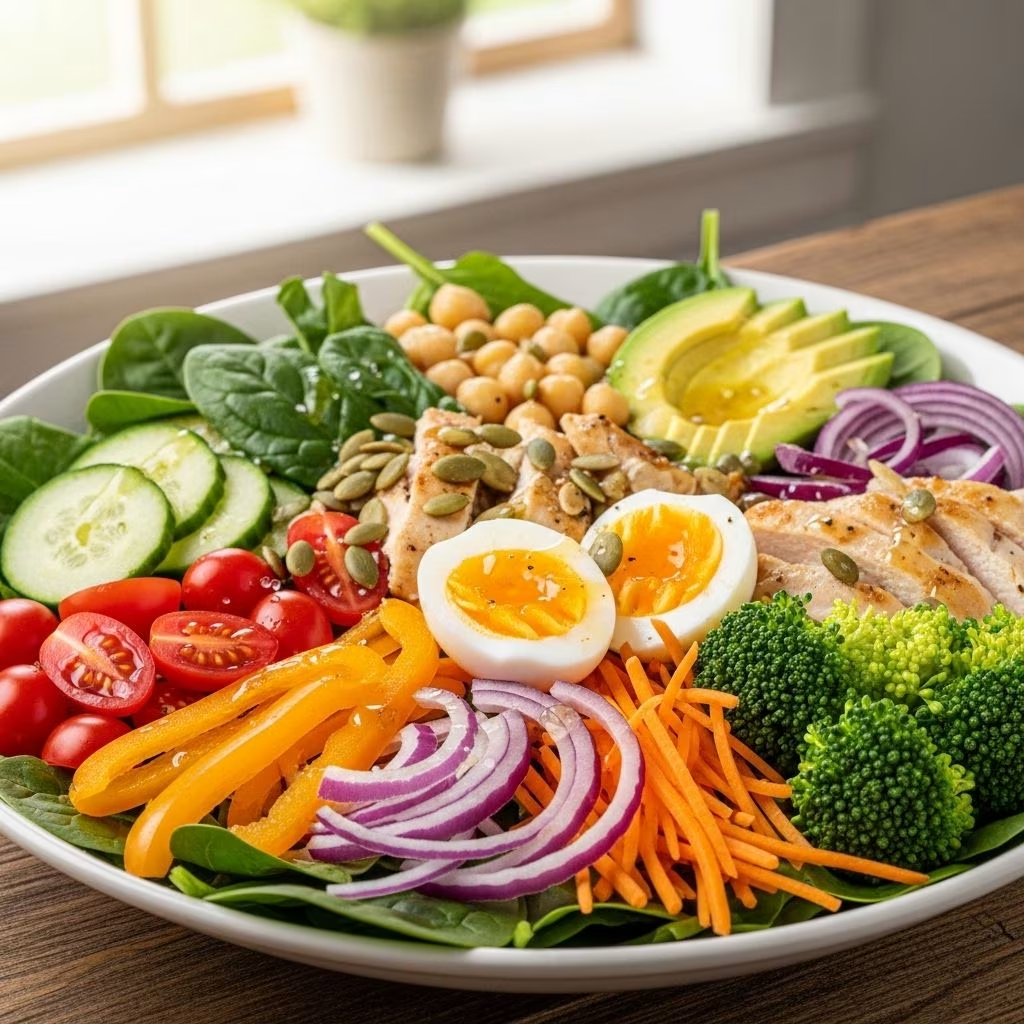
How to Build a Healthier, Low-Calorie Salad That Keeps You Full
Salads have long been celebrated as a cornerstone of healthy eating, but not all salads are created equal. A truly satisfying salad offers much more than a bowl of greens—it is a harmonious blend of vegetables, lean proteins, healthy fats, and fiber-rich ingredients. With the right ingredients and balance, a salad can be a filling, low-calorie meal that supports your nutritional needs and weight loss goals.
Why Low-Calorie Salads Can Leave You Hungry—And How to Fix It
Many people turn to salads as their go-to meal for weight loss, only to find themselves hungry shortly after eating. The key culprit? A lack of balance. Without enough protein, fiber, and healthy fats, even the largest pile of lettuce will not keep hunger at bay for long. Instead, building a salad with the right ratio of ingredients ensures you feel full and satisfied, making healthy eating sustainable.
Essential Elements for a Filling, Low-Calorie Salad
- Plenty of Vegetables: Use a base of assorted raw or lightly steamed vegetables for fiber and nutrients.
- Lean Protein: Add 3–5 ounces of lean protein such as grilled chicken, tofu, shrimp, eggs, or legumes.
- High-Fiber Carbohydrate: Include a modest portion of cooked whole grains or legumes for sustained energy.
- Healthy Fat: Add a small amount of fat from sources like avocado, olive oil, nuts, or seeds to improve satiety.
- Flavorful Enhancements: Brighten with fresh herbs, citrus, and just enough dressing for taste.
Tip: For most adults, a filling salad should provide approximately 400–500 calories, with at least 15 grams of protein and 5 grams of fiber per serving. This calorie range allows you to enjoy a substantial meal without overindulging, though individual needs vary by gender, age, height, and activity level.
Step-by-Step Guide to Building a Better Salad
1. Start with a Vegetable Base
Choose a variety of leafy greens such as spinach, kale, arugula, or mixed baby greens. Then, layer with colorful vegetables like:
- Cucumbers
- Bell peppers
- Carrots
- Grape or cherry tomatoes
- Red or green cabbage
- Broccoli, cauliflower, or snap peas
These veggies are low in calories but high in fiber and water, helping you feel full on fewer calories.
2. Add Lean Protein for Satiety
Protein is essential for building a salad that can stand on its own as a meal. Try adding one of the following:
- Grilled or roasted chicken breast
- Cooked shrimp or salmon
- Hard-boiled eggs
- Tofu (marinated and grilled for flavor)
- Legumes: lentils, black beans, or chickpeas
- Lean steak (flank, sirloin) sliced thinly
For best results, aim for at least 3 ounces of protein, or more if your dietary needs are higher.
3. Include High-Fiber Carbohydrates
Don’t shy away from healthy carbohydrates in your salad—they provide energy and help keep you full. Good choices include:
- Cooked quinoa
- Whole wheat or legume pasta
- Bulgur wheat or barley
- Lentils or other beans
Keep portions modest (¼ to ½ cup) to avoid unnecessary calories while still reaping the benefits of complex carbs.
4. Healthy Fats for Flavor and Fullness
Adding healthy fats not only improves texture and flavor but also promotes satiety. Examples include:
- 1/4 avocado (rather than half or a whole to control calories)
- 1–2 tablespoons nuts (such as sliced almonds or walnuts) or seeds (sunflower, chia)
- 2 teaspoons olive oil, drizzled as part of a homemade vinaigrette
Portion control is key—healthy fats are calorie dense, so measure carefully for the right balance.
5. Dressings and Flavor Boosters
Dressings often hide extra calories and sugars. The best approach:
- Order salad dressings on the side in restaurants, or add them yourself at home.
- Limit to 2 tablespoons of dressing.
- Use vinaigrettes made from olive oil, balsamic vinegar, citrus, mustard, or fresh herbs.
- Try fresh lemon or lime juice for a light, low-calorie option.
Other flavor enhancers include sliced fruit (oranges, strawberries), pickled vegetables, roasted peppers, or a sprinkle of spices.
Common Salad Mistakes—and How to Avoid Them
| Salad Mistake | Solution |
|---|---|
| Too little protein or fiber | Add more lean protein and a fiber-rich carb like beans or quinoa. |
| Calorie overload from dressings, cheese, dried fruits | Portion control: Use 2 tbsp dressing, small cheese amounts, and mostly fresh fruits. |
| Too much fat (nuts, avocado, bacon) | Stick to measured portions: 1/4 avocado, 1 tbsp nuts, skip bacon for leaner options. |
| Overuse of grilled/fried toppings coated in oil | Choose steamed or raw veggies and oven-baked proteins. |
| Monotonous ingredients (all lettuce, few add-ins) | Mix several veggie types. Add roasted, pickled, or raw vegetables for variety. |
Tasty & Filling Low-Calorie Salad Ideas
Salmon Salad with Avocado and Grape Tomatoes
Loaded with nearly 30 grams of lean protein, this salad combines cooked salmon, creamy avocado, grape tomatoes, slivered almonds, fresh greens, and a splash of balsamic vinaigrette. It’s rich in omega-3 fats and offers a hearty crunch, ensuring satisfaction and flavor in every bite.
Shrimp, Avocado, and Egg Chopped Salad
A protein powerhouse, this chopped salad features cooked shrimp, hard-boiled eggs, creamy avocado, and crisp veggies. Toss in a simple olive oil and lime dressing for a zesty finish. It swaps heavy dressings for heart-healthy fats and is perfect for a summer lunch or light dinner.
Strawberry Caprese Pasta Salad
A refreshing take on traditional pasta salad, this dish uses whole wheat penne, strawberries, and mozzarella. Mixed with olive oil and thinly sliced shallots, it offers vitamin C, fiber, and balanced protein while keeping the calorie count low, making it suitable for meal prep or summer gatherings.
Lentil and Steak Salad
Steak salad doesn’t have to be heavy. Layer arugula, grapefruit segments, shredded red cabbage, and cooked steak strips, then top with lentils for extra fiber. A honey-lemon-mustard vinaigrette adds brightness. This meal satisfies sweet and savory cravings with lean protein as the anchor.
Smart Salad Tips for Weight Loss Success
- Personalize Your Plate: Adapt portions and ingredients based on your calorie needs, dietary preferences, and activity level.
- Keep Dressings in Check: Always start with a small amount of dressing and add more as needed to control calories.
- Batch Prep Ingredients: Wash and chop veggies, cook proteins, and portion out grains ahead of time for quick assembly throughout the week.
- Balance Your Bowl: Aim for a mix of textures (crunchy and soft), temperatures (warm protein, cool greens), and flavors (sweet, tangy, savory).
- Vary the Protein: Try seafood, vegetarian options, or lean beef for new nutrient combinations and flavors.
Sample Salad Formula
Follow this template to assemble a balanced, low-calorie salad for one:
- 3–4 cups mixed leafy greens and assorted raw vegetables
- 3–5 ounces lean protein (chicken, seafood, tofu, steak, eggs, or legumes)
- 1/4 to 1/2 cup high-fiber carbohydrate (quinoa, whole-grain pasta, lentils)
- 1–2 tablespoons healthy fats (avocado, nuts, olive oil)
- 2 tablespoons homemade vinaigrette (olive oil, vinegar, lemon, herbs)
- Herbs, citrus, and seasonings for flavor
Healthful Salad Dressings: Easy Homemade Ideas
- Classic Vinaigrette: 2 parts vinegar or lemon juice, 1 part olive oil, Dijon mustard, herbs.
- Citrus Herb: Fresh lemon/lime juice, chopped fresh herbs, touch of honey, splash of olive oil.
- Greek Yogurt Ranch: Fat-free Greek yogurt, garlic powder, dried dill, parsley, a squeeze of lemon.
- Tahini-Lemon: 1 tbsp tahini, lemon juice, splash warm water, garlic powder.
These simple recipes use minimal processed ingredients while offering bold flavors with fewer calories than most store-bought options.
Frequently Asked Questions (FAQs)
Q: How many calories should be in a low-calorie meal salad?
A: Most experts recommend 400 to 500 calories per meal salad for general weight management, but individual needs vary depending on gender, age, body size, and activity level.
Q: What should I avoid adding to my salad to keep it low-calorie?
A: Minimize full-fat dressings, large amounts of cheese, croutons, fried meats, and candied nuts. Instead, focus on flavor from fresh herbs, fruits, a measured portion of healthy fats, and lean proteins.
Q: Can salads really keep you full?
A: Absolutely, as long as they contain enough protein, fiber, and healthy fat. A bowl of just greens won’t suffice, but a balanced salad can make a very satisfying meal.
Q: Are all salad dressings bad for weight loss?
A: No, but many store-bought dressings are high in calories, sugar, and unhealthy oils. Making your own at home (with olive oil, vinegar, herbs, mustard, or citrus) is a healthier option, as is keeping the portion size small.
Q: How can I meal prep salads without them getting soggy?
A: Store dressings separately and keep wet ingredients (like tomatoes or cucumbers) on top or in separate containers. Assemble just before eating for crunch and freshness.
Final Thoughts on Crafting the Ultimate Low-Calorie Salad
By focusing on nutrient-dense ingredients, ample protein, substantial fiber, and just enough healthy fat, you can assemble salads that are as satisfying as they are light. Experiment with combinations of vegetables, proteins, and smart toppings to ensure your salad is both enjoyable and tailored to your needs—whether your goal is weight loss, better nutrition, or simply a more exciting lunch.
References
- https://www.prevention.com/food-nutrition/healthy-eating/g20433752/20-low-calorie-salads-that-wont-leave-you-hungry/
- https://www.youtube.com/watch?v=opo3HL856OQ
- https://preventcancer.org/article/healthy-recipe-chinese-chicken-noodle-salad/
- https://www.prevention.com/food-nutrition/g42100898/lunch-ideas-for-weight-loss/
- https://www.prevention.com/food-nutrition/g41824404/healthy-side-dishes/
- https://www.prevention.com/food-nutrition/g41055022/low-calorie-meals/
- https://www.prevention.com/food-nutrition/recipes/g25337982/mason-jar-salad-recipes/
- https://www.prevention.com/weight-loss/a20444054/build-a-healthier-low-cal-salad/
- https://www.nilesfitness.com/blog/low-calorie-recipes-for-your-labor-day-celebration/


