


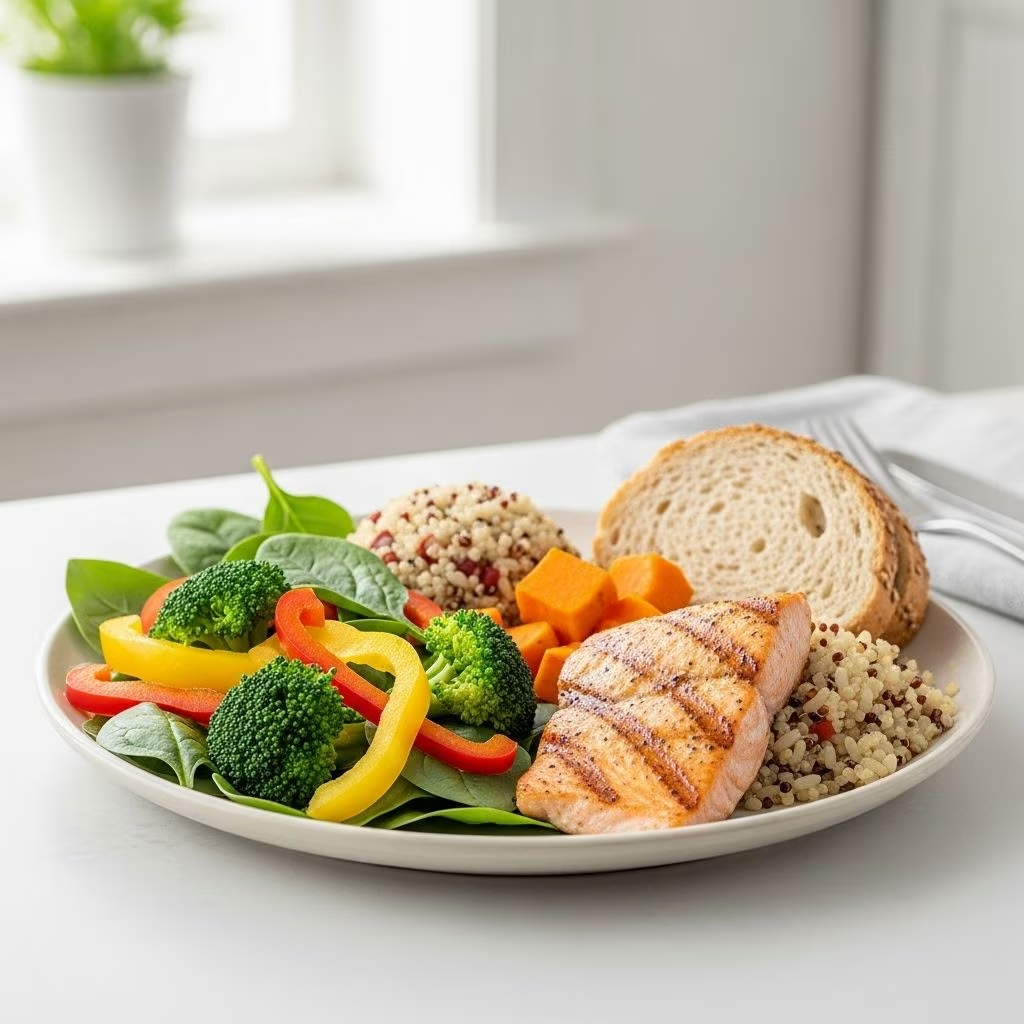
You’ve committed to your exercise routine, lacing up for that daily walk or Zumba class. But the scale won’t budge—or worse, it creeps up. The answer may be hiding not in your gym bag but in your pantry. Research shows that the type of carbohydrates you eat can significantly impact your body’s ability to burn fat, making or breaking your weight loss journey.
Why Not All Carbs Are Created Equal
Carbohydrates often get a bad reputation. But much of this negative image comes from a misunderstanding: there are different types of carbohydrates, and they affect your body in very different ways. Some carbs are essential for health and energy, while others can lead to blood sugar spikes and fat storage.
- Simple Carbs: Found mostly in processed foods, sugary snacks, white bread, and white rice. They’re digested quickly, causing blood glucose to rise sharply.
- Complex Carbs: Present in whole grains, beans, legumes, oats, and many vegetables. These digest more slowly, keeping energy levels steady and appetite in check.
- Quality matters: 200 calories of white bread act differently in your body than the same calories from whole wheat bread with almond butter.
The Glycemic Index: How Your Body Reacts to Different Carbs
The glycemic index (GI) is a system that ranks carbohydrate-containing foods by how much they boost your blood sugar, or glucose, after eating. High-GI foods like instant rice or sugary cereals cause large, rapid spikes in blood glucose. Low-GI foods like steel-cut oats, beans, and most fruits release glucose slowly and evenly.
| Food Example | GI Level | Effect on Blood Sugar |
|---|---|---|
| White bread | High | Rapid spike |
| Brown rice | Medium | Moderate increase |
| Steel-cut oats | Low | Slow, steady rise |
| Whole apple | Low | Slow, steady rise |
| Melon | Medium-High | Moderate spike |
| Sugary cereal | High | Rapid spike |
High-GI foods cause more insulin to flood your system. Insulin instructs your body to store fat and use carbs for energy, not fat. This means your body burns stored carbs—not body fat—during exercise if you’ve loaded up on high-GI foods.
What Science Says: Carbs and Fat Burning
A pivotal study published in the journal Obesity found that women who ate the same amount of carbohydrates, but chose low-GI carbs, burned more fat during exercise compared to those consuming high-GI carbs. The difference came down to insulin: lower steady levels enabled greater fat oxidation, or “fat burning,” while high insulin levels from high-GI foods discouraged fat loss and encouraged carb burning instead.
Takeaway: When it comes to carbs, quality—not just quantity—matters profoundly for weight loss and health.
Are “Healthy” Foods Sabotaging You?
Even if you’ve switched to brown rice and whole-wheat bread, you may be unknowingly eating many hidden high-GI foods:
- Instant oatmeal and minute rice
- Packaged whole wheat breads with low fiber
- Peelable fruits like bananas and melon which have higher GI than berries or apples eaten with skin
Nutritionist Alyssa Cellini describes how pre-processing—like parboiling or peeling—can push even “healthy” foods into the high-GI category.
Tips to Choose Carbs That Help Burn Fat
Most people don’t want to cut out all carbs—and they shouldn’t! Instead, focus on carb quality and preparation to support fat loss and stable energy.
- “Go the old-fashioned way”: Choose steel-cut or old-fashioned oats over instant oatmeal; opt for brown or wild rice over minute rice. Cook beans from dried rather than buying pre-cooked or canned varieties.
- Eat fruits with skins: Apples, berries, and pears have lower GI than bananas and melons. Where possible, eat the skin for more fiber and a slower glucose response.
- Pair carbs with fat or fiber: Fat and fiber slow the absorption of sugar. Try chocolate-covered almonds instead of pure chocolate, or apple slices with nut butter for a balanced snack.
- Read bread labels carefully: Favor breads with a carbs-to-fiber ratio of 5:1 or less. For example, if one slice has 20g carbohydrates, look for 4g or more fiber per serving.
The Role of Fiber: Why It Matters So Much
Fiber is a type of carbohydrate that the body can’t fully digest. It slows down the absorption of sugar, keeps you full longer, and promotes gut health. Many Americans eat too little fiber and too many low-quality, fast-digesting carbs.
- High-fiber foods: whole grains, legumes, vegetables, fruits with skins, seeds, and nuts
- Low-fiber (and often high-GI) choices: processed white bread, white rice, sugary cereals, most packaged snacks
Aim for at least 25–30g of fiber daily from whole foods to help control hunger, quantity of food eaten, and blood sugar.
Common Carbohydrate Myths—Debunked
- Myth #1: All calories are equal. The type and quality of food you eat—especially carbohydrates—triggers different hormonal and metabolic responses. 200 calories from a donut will affect your blood sugar and fullness differently than 200 calories from lentils.
- Myth #2: Carbs are “bad” for you. Carbohydrates are necessary for energy, digestion, and brain health. The issue is when most carbs come from refined, low-fiber sources.
- Myth #3: Cutting out all carbs is the best route to weight loss. Research shows diets high in whole grains, fruits, and vegetables (complex, fiber-rich carbs) are linked to better weight control and overall health. Very low-carb diets often lead to low energy, slower metabolism, and inadequate nutrient intake.
- Myth #4: Craving carbs is just lack of willpower. Sometimes, your body is signaling a true need—like low serotonin levels, which carbohydrates can help restore.
Practical Carb-Smart Meal Swaps
- Swap instant oatmeal for steel-cut oats. Add berries and a few nuts for more fiber and healthy fat.
- Replace white rice with quinoa, brown rice, or farro. These choices digest more slowly and keep you fuller longer.
- Choose whole fruits (berries, apples) over peeled or juiced fruits (bananas, melons, fruit juice).
- Snack on veggies with hummus, bean dips, or avocado to combine fiber, protein, and healthy fats.
- Select bread with visible grains and at least 4g fiber per slice. Avoid breads labeled “multigrain” unless fiber is high.
How to Read Carb Nutrition Labels
When buying packaged foods, follow these rules:
- Look at total carbohydrates and fiber: Aim for the carbs-to-fiber ratio of 5:1 or less.
- Check for added sugars: Many snack bars and yogurts have high added sugars, driving up GI—and your hunger.
- Beware of marketing terms: “Whole grain”, “Multigrain”, and “Wheat” breads can still be made with mostly refined flour.
Troubleshooting: If You’re Not Losing Weight
If progress has stalled despite working out, check your carb sources. You may be eating hidden high-GI foods that spike insulin—even if total calories are controlled. Focus on:
- Prepping your grains and beans yourself to retain their slower-digesting structure
- Choosing fiber-rich carbs at every meal
- Pairing carbs with protein and healthy fats to slow absorption
Frequently Asked Questions (FAQs)
Q: Are all carbohydrates equally bad for weight loss?
A: No. Processed, low-fiber carbohydrates can promote weight gain by spiking blood sugar and insulin. High-fiber, complex carbs help regulate energy, satiety, and fat burning.
Q: Is it better to eliminate carbs entirely?
A: Not typically. Carbohydrates are the body’s preferred energy source. Eliminating all carbs can lead to low energy, poor gut health, and cravings. Focus on higher-quality carbs instead.
Q: What is a “good” bread?
A: Choose breads with a carbs-to-fiber ratio of 5:1 or less—preferably whole grain with visible seeds and at least 4g fiber per slice.
Q: How can I satisfy a sweet tooth without sabotaging my diet?
A: Pair sweet treats with protein or fiber (e.g., chocolate-covered nuts, fruit with nut butter) to slow down sugar absorption and increase satiety.
Q: Will eating carbs at night cause fat gain?
A: No conclusive evidence supports this idea. The type and quality of carbs—and your overall calorie balance—matter more than timing.
Key Takeaways for Carb-Conscious Weight Loss
- Not all carbs are created equal. Quality and preparation matter as much as the amount.
- Favor slow-digesting, high-fiber carbs to keep blood sugar steady, burn more fat during exercise, and feel fuller longer.
- Re-assess “healthy” processed foods for actual fiber content and glycemic index.
- Pair carbs with fat or protein to blunt blood sugar spikes.
- Read labels—look for low added sugars and at least 4g fiber per serving in bread and packaged foods.
By making these simple changes to your carbohydrate choices, you can transform your exercise efforts into lasting fat loss and improved health. Remember, it’s not about cutting out carbs, but choosing the right ones to fuel your body and results.
References
- https://www.prevention.com/weight-loss/g29873479/weight-loss-myths/
- https://www.prevention.com/weight-loss/a20444718/the-wrong-type-of-carbs-can-sabotage-weight-loss/
- https://www.prevention.com/food-nutrition/healthy-eating/a44798694/myths-about-carbohydrates/
- https://www.prevention.com/weight-loss/g20494587/25-worst-diet-tips-ever/
- https://www.prevention.com/food-nutrition/healthy-eating/a39851285/no-carb-diet-safety/
- https://www.prevention.com/weight-loss/diets/a46298594/low-carb-diet-may-not-help-weight-loss-study/
- https://www.prevention.com/weight-loss/g20498928/mistakes-that-sabotage-weight-loss/
- https://www.prevention.com/weight-loss/a20512194/everything-you-need-to-know-before-you-go-on-a-low-carb-diet/
- https://www.prevention.com/weight-loss/diets/a65255830/low-carb-diets-weight-loss/
- https://www.prevention.com/food-nutrition/a64904808/quality-carbohydrates-healthy-aging-longevity-study/


