


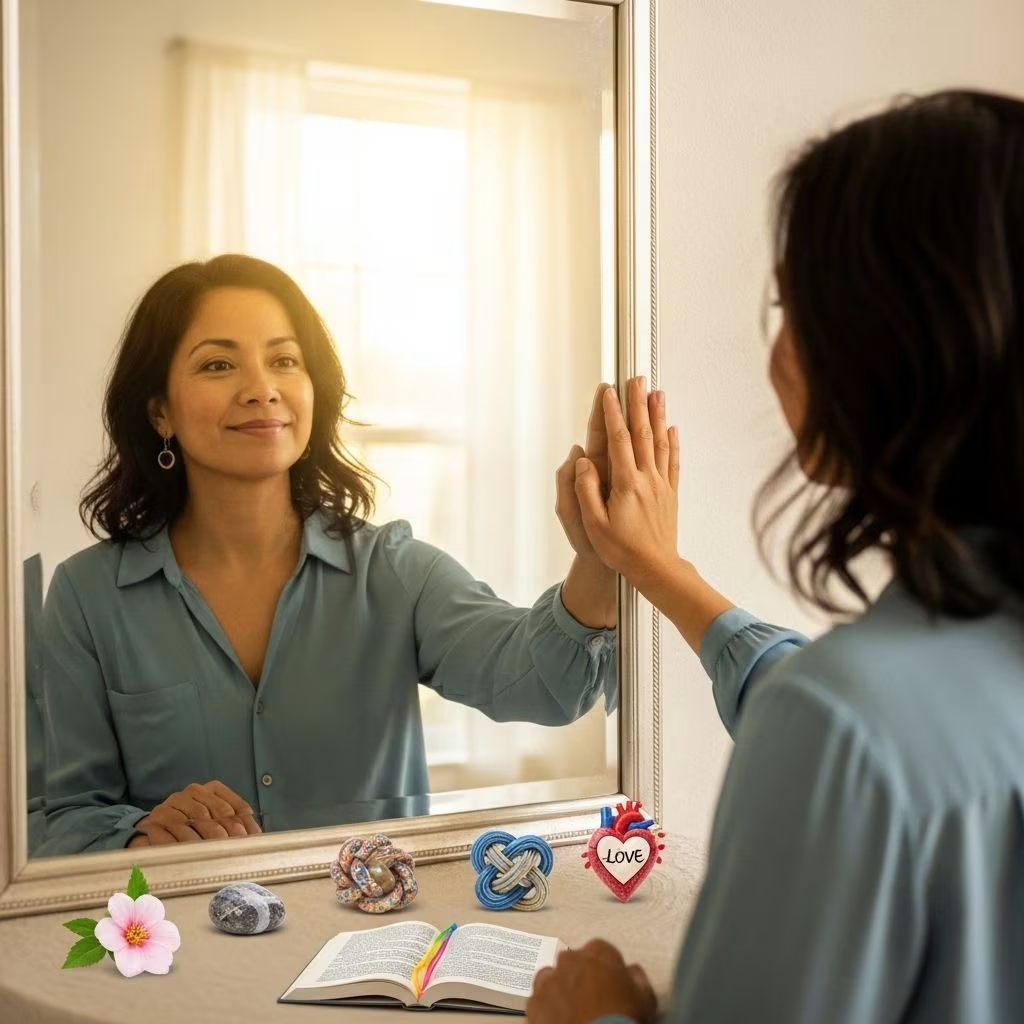
5 Strategies to Stop Bad-Mouthing Your Body for Good
Negative self-talk about appearance and weight can silently sabotage your confidence, mental health, and drive for lasting wellness. Reframing this narrative—by choosing words, habits, and environments that nurture respect and health—is foundational for progress on any personal journey, including weight loss and self-acceptance. Below, explore five expert-backed strategies that empower you to break the cycle of body criticism and foster lasting, positive change.
Why Body Positivity Matters
Most people, regardless of background, struggle with critical thoughts about their bodies at times. Modern culture amplifies this through the constant messaging that equates value with thinness, youth, or other unattainable ideals. Yet, research shows that negative self-talk:
- Undermines motivation for healthy behavior
- Increases anxiety and depression risk
- Fuels obsessive or disordered eating patterns
- Lowers overall life satisfaction
By transforming our approach and practicing self-compassion, we create space for sustainable health and authentic confidence.
1. Challenge Negative Self-Talk—Identify Your Triggers
Start by becoming aware of the moments when you bad-mouth your body. Keeping a journal or voice memo helps track when—and why—these critiques arise. Common triggers include:
- Trying on clothes or looking in the mirror
- Comparing yourself to others (especially on social media)
- Recalling past diets or weight fluctuations
- Receiving unsolicited comments
Notice the language you use. Are the statements absolute (“I always look fat”) or harsh (“My thighs are disgusting”)? Identifying these thoughts is the first step towards changing them.
2. Reframe the Conversation—Redefine Your Language
Negative body talk often slips into routine statements that are rarely challenged. Instead of internalizing this dialogue, intentionally reframe it using neutral or positive language. For example:
- Replace “I hate my legs” with “My legs help me get where I need to go.”
- Swap “I look terrible” for “I’m having a tough day, but I still appreciate myself.”
- Trade “I wish I were thinner” for “My body deserves kindness and care.”
This practice, called “cognitive restructuring” in psychology, gradually rewires automatic thoughts by introducing alternative, reality-based perspectives.
3. Surround Yourself with Positivity—Choose Supportive Environments
Body criticism thrives in environments saturated with appearance-based judging or thin-focused ideals. Shift your surroundings by:
- Curating your social media to follow body-positive accounts and unfollow or mute those that trigger self-doubt
- Having honest conversations with friends about avoiding weight- or appearance-focused comments
- Seeking out supportive communities, such as body acceptance groups either online or in-person
- Posting positive affirmations around your home or workspace
These changes amplify messages of self-respect and discourage destructive comparison.
4. Practice Self-Compassion—Respond to Yourself with Kindness
When negative thoughts inevitably arise, recognize that everyone experiences insecurity sometimes. The goal isn’t to banish all criticism instantly, but to respond as you would to a close friend. Practical steps include:
- Talking back to your inner critic with supportive words
- Doing short breathing exercises to calm your mind
- Writing a letter to yourself as if you were comforting someone else
- Setting aside regular self-care routines—whether a bath, walk, reading, or creative project
Self-compassion helps reduce shame and guilt, creating a foundation for longer-term emotional wellness.
5. Focus on Function, Not Just Form—Celebrate What Your Body Can Do
Shifting your attention from appearance to ability can profoundly change your relationship with your body. Instead of obsessing over size or shape, reflect on how your body supports your life:
- Think about physical achievements—walking, running, dancing, lifting, healing
- Appreciate senses and experiences—tasting delicious food, hugging loved ones, seeing beautiful sights
- Celebrate milestones like recovery from illness or managing stress
Recognizing your body’s capacities reconnects you to gratitude and purpose, rather than criticism.
Science Behind Body Talk: Why Words Matter
Research in psychological and medical fields confirms that habitual negative self-talk shapes our beliefs, motivation, and behaviors. Cognitive Behavioral Therapy (CBT), widely used for improving body image, teaches that changing thought patterns by making them less harsh and more balanced profoundly influences self-esteem.
Meanwhile, body appreciation is linked to healthier lifestyle choices—not as a result of shame, but because self-respect creates motivation for lasting change.
A positive or neutral attitude toward physical appearance is associated with:
- Greater willingness to engage in exercise for enjoyment
- Improved stress management
- Lower rates of disordered eating
- Reduced anxiety and depression symptoms
Practical Tools to Break the Cycle
| Strategy | Practical Example | Expected Benefit |
|---|---|---|
| Mindful Self-Talk | Replace “I look awful” with “I’m having a rough day, but I’m hopeful.” | Less emotional distress; improved mood |
| Affirmations | Post notes: “I am worthy” on mirror or desk | Greater self-acceptance |
| Compassionate Response | Pause, breathe, and answer negative thoughts as you would for a friend | Lower guilt and shame |
| Function Focus | Write a list of what your body accomplishes daily | Increase gratitude and engagement |
Frequently Asked Questions (FAQs)
Q: Is it normal to have negative thoughts about my body?
A: Yes. Most people experience critical self-talk at times due to cultural and personal factors. The goal is to recognize and gently redirect these thoughts, not judge yourself for having them.
Q: Will body positivity help me lose weight?
A: Developing a positive or neutral attitude towards your body can strengthen your motivation to engage in healthy eating and physical activity. It shifts the focus from punishment to caring for your health, which is more sustainable long-term.
Q: How do I respond to friends or family who comment negatively about my body?
A: Set clear boundaries about what kinds of comments you find helpful or supportive. You can say, “I’m working on being kinder to my body and appreciate your support.” Redirect conversations to shared goals or interests not related to appearance.
Q: Can negative body talk affect my mental health?
A: Chronic negative self-talk has been linked to increased anxiety, depression, and risk of unhealthy behaviors. Learning to challenge and change these patterns is important for mental well-being.
Q: What if I don’t believe positive affirmations?
A: Start with neutral statements that feel believable, such as “My body gets me through each day” or “I am trying my best.” Gradually, as you practice, positive language can become more natural and authentic.
Expert Quotes on Body Respect
“When you replace body bashing with self-compassion, you make space for growth, healing, and true self-care. Every step away from negativity is a victory.” — Certified Body Image Coach
Action Plan: Start Today
- Reflect: Identify your personal triggers and patterns of negative talk.
- Rewrite: Practice reframing critical statements with new language.
- Connect: Choose environments and relationships that support healthy self-image.
- Cultivate: Build self-compassion into daily rituals.
- Celebrate: Recognize, record, and appreciate what your body does for you every day.
Conclusion: Embracing Kindness over Critique
No one escapes moments of insecurity, but your words, attitudes, and daily habits either reinforce or rewire these patterns. Body kindness, built through self-awareness and compassion, doesn’t ignore healthy goals—it makes them more achievable. Begin with these five steps, and build a foundation where respect and positivity guide you toward lasting health and confidence.
References
- https://www.mouthhealthy.org/all-topics-a-z/bad-breath
- https://www.prevention.com/health/g20506487/bad-breath-treatment/
- https://www.prevention.com/health/a62187627/bad-breath-causes-treatments/
- https://www.health.harvard.edu/blog/bad-breath-what-causes-it-and-what-to-do-about-it-2019012115803
- https://www.prevention.com/weight-loss/a20499978/5-ways-to-stop-bad-mouthing-your-body/
- https://www.prevention.com/health/a20452863/bad-breath-and-halitosis-causes-and-cures/
- https://pmc.ncbi.nlm.nih.gov/articles/PMC3633265/
- https://www.prevention.com/beauty/skin-care/a63833046/beef-tallow-for-skin/
- https://health.osu.edu/health/dental-health/does-mouthwash-kill-the-mouths-healthy-bacteria
- https://www.listerine.com/bad-breath/causes-of-bad-breath/what-is-halitosis


