


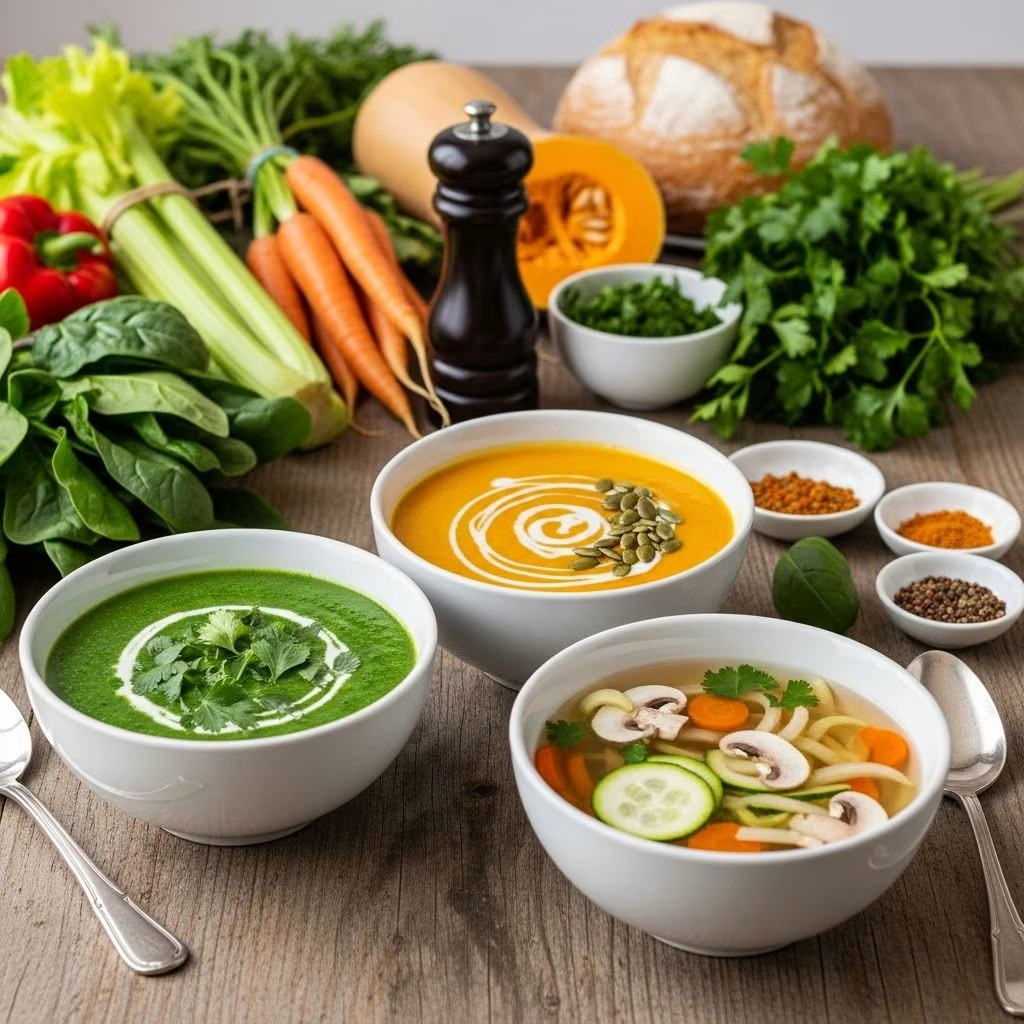
My 3-Day Soup Cleanse: What Really Happens When You Only Eat Soup
With the wellness world buzzing about cleanses and resets, the humble soup cleanse has emerged as a flexible, real-food alternative to juice or fad diets. I set out for a three-day, all-soup adventure, aiming to hit that elusive “reset” without deprivation—and see for myself if the hype held true. Here’s every detail of my journey: from what I ate, to how my body responded, to what I learned about sustainable change.
Why Try a Soup Cleanse?
Like many people, I’d grown weary of both the complexity of restrictive diets and the monotony of grabbing takeout. Debates swirled around cleanses—are they a health boost, or just marketing? But soup, at least, is made from actual whole foods, with protein, fiber, and flavor. I hoped to gain:
- A nutritional “reset” to inspire better eating habits
- A sense of rejuvenation and possibly some weight loss
- The ability to break free from processed food cravings
Instead of laboring in the kitchen, I chose a ready-made plan offered by Soupure—a company whose rainbow-colored meals and Goop fanbase caught my attention. For three days, I’d follow a five-soup-per-day plan, supplemented by flavored alkaline waters, and start each morning with lemon water for its purported cleansing and alkalizing effects.
How Does a Soup Cleanse Work?
A soup cleanse mimics a juice cleanse in structure: you replace all—or most—meals with blended or brothy soups for a set period. Unlike juice cleanses, soups are built primarily on vegetables, legumes, nuts, and sometimes lean protein, cooked and pureed or strained for a satisfying texture. The theory is simple: strip away processed foods, give your digestion a break, and fill up on nutrient-rich liquids.
My plan involved:
- Five soups per day, in flavors ranging from vegetable broths to hearty purees
- Two alkaline waters (think fancy lemon or fruit-infused water) to purportedly adjust pH balance
- Optional low-calorie snacks—nuts or beans—if cravings hit hard
Skeptics (myself included) point out that your liver and kidneys already detoxify remarkably well. Still, the disciplined approach and focus on whole ingredients promised a chance to change habits, cut cravings, and maybe boost energy—if only temporarily.
Day 1: Cautiously Optimistic
I started the morning with lemon water, invoking that health guru “reset” feeling. Breakfast was a vegan broth, followed by a nut-based, fruity blend. The flavors were pleasant and surprisingly satisfying—far from the insipid, thin juices I’d expected from cleanse experiences in the past.
- Mid-morning: I didn’t miss solid food as much as I thought, though I craved a crunchy snack. I settled for sipping more soup, staying on the meal schedule.
- Lunch: A hearty pureed vegetable soup staved off midday hunger. This kept me satiated without the post-lunch slump.
- Afternoon: Another lighter broth, slightly herby and warming.
- Dinner: A second veggie-rich puree provided substance and a sense of closure for the day.
Between meals, I drank additional water and—following the program’s advice—allowed a few raw nuts as a snack. What surprised me most was that eating by a schedule (instead of by mood or sudden cravings) meant less snacking overall.
Day 2: Testing Willpower and Routine
The novelty wore off a bit. Habitual cravings tried to trip me up, especially in the afternoon—a typical time for mindless snacking. Sticking with the plan, I realized that the soups were genuinely nourishing, not deprivation in disguise. My energy remained even, and by dinner, I didn’t feel the urge for a large meal or dessert.
- Soup flavors and textures varied just enough to keep meals interesting.
- I noticed feeling full, but lighter—not bloated or weighed down as after dense, salty takeout.
- Afternoon soup breaks replaced stress eating and made me more aware of why I typically raid the pantry.
Motivation flagged slightly by evening, but I reminded myself: it’s only three days. I went to bed without hunger pangs, but a subtle craving for something crunchy remained.
Day 3: Reflection and Lasting Impact
By the morning of day three, I felt less tempted by old habits. I moved through each soup meal thoughtfully, appreciating the unique flavors of “Protect”—a blend heavy on greens and herbs—and the rich, cashew-thickened puree that closed out the day. My palate seemed “reset”: sweet things sounded less tempting, and savory, veggie-heavy foods more appealing. I also realized just how much of my snacking and meal size was dictated by habit or boredom, rather than true hunger.
- I felt physically lighter, if not exactly slimmer.
- Cravings for manufactured snacks and sweets had noticeably faded.
- I enjoyed the structure and routine, which kept me from mindless or emotional eating.
Despite not experiencing dramatic transformation, the cleanse left clear effects: a sense of accomplishment, more thoughtful eating, and reduced reliance on processed snacks.
Did I Lose Weight?
No, I didn’t lose weight during my three-day soup cleanse. Given that calorie intake hadn’t dropped drastically, this was expected. But the shift in mindset—focusing on regular, small meals over emotional or unplanned eating—felt valuable. Afterward, I felt more motivated to stick to healthier habits, and the lowered cravings for sugar or salty snacks made choosing better foods easier in the days that followed.
| Expectation | Reality |
|---|---|
| Quick weight loss | No significant change after 3 days |
| Increase in energy | More even energy, no afternoon crashes |
| Painful cravings | First day hard, easier on days 2 and 3 |
| Hunger | Rarely felt hungry; soups were filling |
The Pros and Cons of a Soup Cleanse
- Pros:
- Soups are real food—nutrient-rich, not empty calories.
- Fiber keeps you full, preventing the intense hunger common with juice cleanses.
- Taking a break from processed foods dulls sugar cravings and may make it easier to continue healthy habits.
- The structure (five soups + two waters) builds intentionality and reduces emotional eating.
- You can make soup cleanses at home, or use ready-made versions for convenience.
- Cons:
- Weight loss is typically minimal for short cleanses; it’s more about resetting habits.
- Not everyone finds soups satisfying for each meal, and social eating can be awkward.
- Maintaining the routine may be harder on weekends or when eating with family.
- May not be sustainable or balanced for long-term dieting; soups alone can fall short on protein or essential fats for some.
Key Tips for Success (If You Try a Soup Cleanse)
- Choose soups with plenty of vegetables, legumes, and nuts for balanced nutrient intake.
- Allow yourself low-calorie snacks—like raw nuts—if hunger or cravings strike.
- Stay hydrated with water and herbal teas between soup meals.
- Listen to your body: if you’re tired or lightheaded, add a small portion of protein.
- Use the cleanse as a segue into smarter, more mindful eating—not a quick fix.
Frequently Asked Questions (FAQs)
Q: Is a soup cleanse healthier than a juice cleanse?
A: Generally, yes: soups offer more protein, fiber, and real nourishment, while typical juice cleanses are deficient in these nutrients and can spike blood sugar levels.
Q: Will I lose weight quickly on a soup cleanse?
A: You’re unlikely to lose much weight on a three-day plan as calorie intake is not drastically lowered. Weight loss is likelier as part of longer-term dietary changes.
Q: Does a soup cleanse really detoxify your body?
A: There’s little scientific support for the need to “detox” with food; your liver and kidneys already handle most toxin removal. The benefit comes from dropping processed foods and reigning in unhealthy eating.
Q: Is it safe to do a soup cleanse for more than three days?
A: For most healthy adults, a short soup cleanse is safe—especially if you supplement with protein as needed. For longer cleanses, consult a healthcare provider to ensure nutritional adequacy.
Q: What should I eat after finishing a soup cleanse?
A: Gradually reintroduce solid, whole foods—especially vegetables, whole grains, lean proteins, and healthy fats—while maintaining the mindful habits you’ve gained.
What I Learned—and Would I Do It Again?
Completing a soup cleanse isn’t a magic solution to nutrition or weight concerns—but it is a practical, motivating way to “reset” eating patterns, dull sugar cravings, and learn to appreciate balanced flavors and routines. For anyone curious, my advice is simple: focus on the experience, not the numbers on the scale. Let the structure help you pause, reflect, and steer toward more mindful, sustainable eating choices in the days that follow.
For now, I’ll keep some of these soups in my routine—and, more importantly, keep using what I’ve learned about meal timing, portion size, and tuning into real hunger instead of mindless snacking.
References
- https://www.humnutrition.com/blog/soup-cleanse/
- https://www.prevention.com/weight-loss/g20444869/i-went-on-a-soup-cleanse/
- https://www.prevention.com/health/a20435608/spring-clean-your-life/
- https://www.prevention.com/food-nutrition/a63740323/juice-cleanse-harm-gut-health-inflammation/
- https://www.prevention.com/health/a64900252/daily-habits-for-longevity-and-happiness/
- https://www.prevention.com/food-nutrition/healthy-eating/a65584996/foods-that-boost-immunity/
- https://pmc.ncbi.nlm.nih.gov/articles/PMC7071223/
- https://www.mayoclinic.org/healthy-lifestyle/nutrition-and-healthy-eating/in-depth/fiber/art-20043983


