


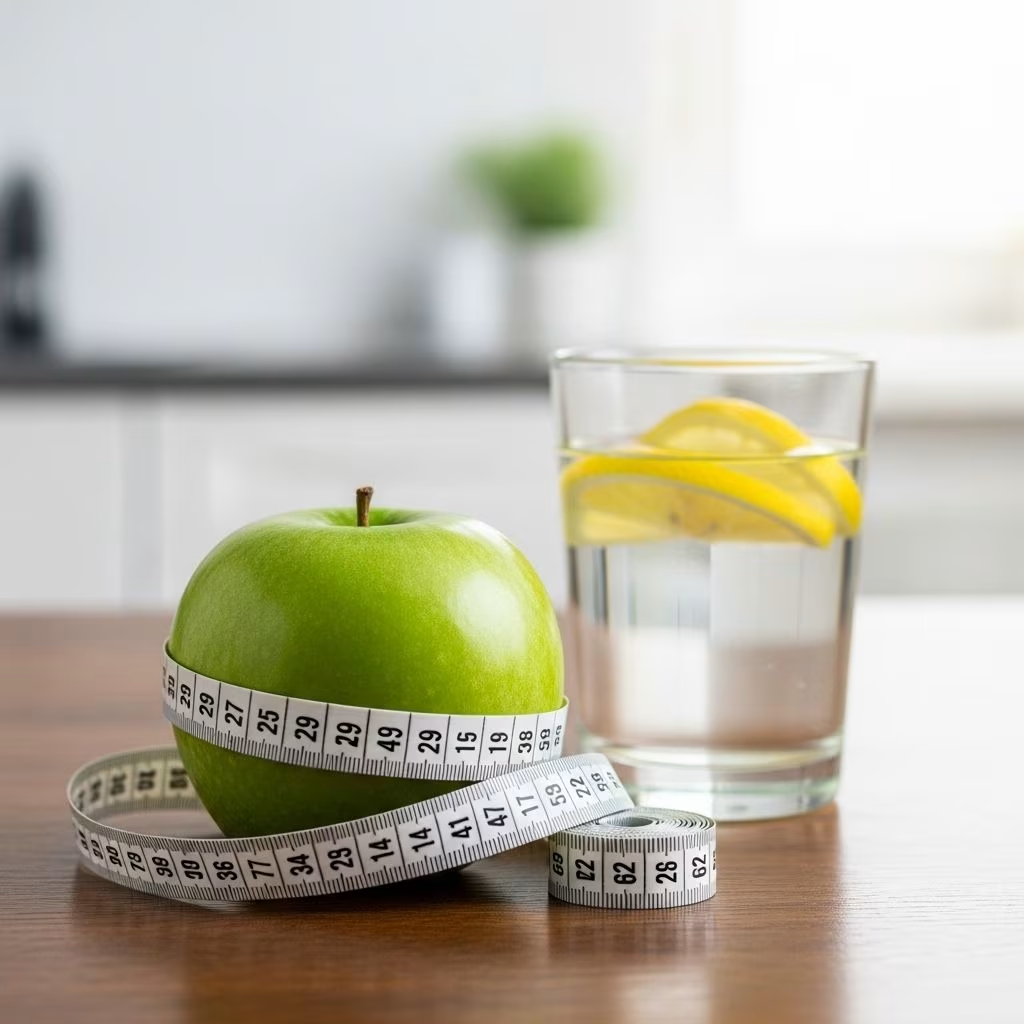
Weight loss doesn’t have to be a slow, arduous journey fraught with deprivation and frustration. By integrating smart, science-backed habits into your daily routine, you can jumpstart results in just one week. Whether you’re trying to shed excess pounds for health reasons or prepping for a special event, these seven strategies help you make rapid progress while paving the way for lasting success.
1. Cut Sugar and Refined Carbs from Your Diet
Refined carbohydrates and sugars are notorious for contributing to weight gain, bloating, and energy crashes. By removing or significantly reducing items like pastries, sweetened drinks, white bread, and candy from your meals, your body can shift towards using stored fat for energy and stabilize blood sugar levels. Instead, prioritize complex carbs such as whole grains, vegetables, and fruits.
- Tip: Swap soda for sparkling water infused with lemon or berries.
- Benefits: Reduced cravings, improved metabolism, lower calorie intake.
According to the Mayo Clinic, focusing on wholesome foods like vegetables, fruits, and lean proteins, while cutting sugar and refined carbs, is one of the fastest ways to see visible changes within days.
2. Prioritize Protein at Every Meal
Protein is fundamental for both satiety and metabolic health. By ensuring a source of high-quality protein (such as eggs, fish, chicken, beans, or Greek yogurt) at every meal, you increase fullness, reduce hunger-driven snacking, and preserve muscle mass during calorie reduction. Experts recommend aiming for at least 20-30 grams of protein per meal.
- Breakfast: Poached eggs on whole wheat toast with half a grapefruit.
- Lunch: Grilled chicken salad or turkey sandwich on whole grain bread.
- Dinner: Baked salmon fillet with steamed vegetables.
Prevention’s 7-Day Eating Plan is designed so each meal contains balanced amounts of protein, fat, and carbs to help you stay satiated and maintain stable blood sugar throughout the day.
3. Increase Fiber Intake
Fiber not only improves digestion but helps you feel fuller for longer. Whole grains, fresh produce, legumes, seeds, and nuts are excellent sources of fiber. Increasing fiber can decrease overall calorie consumption by making you less likely to overeat.
- Include berries, apples, and leafy greens in snacks and salads.
- Choose wild rice or quinoa over white rice.
- Add beans and lentils to soups or stews for an easy fiber boost.
Meals designed with a focus on fiber—like salads with mixed greens and olive oil vinaigrette—help support healthy digestion and sustained energy, according to nutrition experts.
4. Practice Portion Control and Mindful Eating
Large portions and mindless eating are major contributors to gradual weight gain. Mindful eating, which means savoring each bite and listening to satiety cues, can significantly reduce calorie consumption. Use smaller plates, measure your servings, and resist the urge to eat while watching TV or distracted by screens.
- Fill half your plate with vegetables at every meal.
- Serve measured portions rather than eating straight from packages.
- Pause between bites to assess fullness and avoid overeating.
Nutritionist Keri Gans emphasizes that being intentional with calorie intake—by choosing portion-controlled servings and adjusting as needed—remains key to achieving consistent results.
5. Stay Hydrated and Avoid Liquid Calories
Many people unknowingly consume excess calories from juices, sodas, specialty coffees, and energy drinks. These drinks add calories quickly with little to no nutritional benefit. Prioritize water as your main source of hydration.
- Set a daily water goal (8-10 cups) and keep a refillable bottle nearby.
- Avoid sugary beverages, and opt for unsweetened teas or black coffee.
- If craving flavor, add fresh fruit or herbs but skip added sugar.
Keeping hydrated also promotes better digestion, reduces hunger, improves skin appearance, and helps your body burn fat optimally.
6. Incorporate Physical Activity Daily
While diet forms the foundation of weight loss, regular exercise accelerates fat loss and improves overall well-being. You don’t need expensive equipment; brisk walking, jogging, cycling, swimming, and simple strength exercises at home all make a difference. Aim for at least 30 minutes a day to compound results.
- Walking: Try a brisk 30-minute walk after dinner.
- Interval Training: Alternate periods of high intensity with rest for faster metabolism boost.
- Strength Training: Simple bodyweight exercises (squats, lunges, push-ups) build lean muscle and burn calories at rest.
According to the Mayo Clinic Diet, regular movement is a crucial part of sustainable weight loss. It recommends at least 30 minutes of physical activity daily for best results.
7. Plan and Prep Your Meals
Meal planning and prepping not only saves time but also guards against impulsive food choices driven by stress or hunger. Spend time each week selecting recipes, purchasing groceries, and prepping ingredients so you have healthy options at hand. This minimizes chances of straying from your eating plan and helps consistently meet your nutritional goals.
- Write a grocery list featuring lean proteins, whole grains, fruits, and veggies.
- Cook several portions of a healthy meal to use for lunches and dinners throughout the week.
- Package snacks into single-serving containers to control portions and avoid excess eating.
Nutritionists note that planning ahead is one of the biggest predictors of weight loss success, as it reduces the guesswork and makes healthy choices easier.
Sample 7-Day Meal Plan
To provide practical context, here’s a sample meal plan inspired by expert recommendations, balancing protein, healthy fats, fiber, and low added sugars for each day.
| Day | Breakfast | Lunch | Snack | Dinner |
|---|---|---|---|---|
| 1 | Poached eggs, whole wheat toast, grapefruit | Chicken-cranberry sandwich, salad | Apple with peanut butter | Pan-seared salmon, broccoli rabe, wild rice pilaf |
| 2 | Greek yogurt, sliced almonds, strawberries | Turkey sandwich, mixed greens | Carrot and celery sticks with hummus | Grilled chicken, roasted sweet potato, spinach |
| 3 | Oatmeal, blueberries, walnuts | Tuna salad wrap, mixed green salad | Whole wheat crackers, cottage cheese | Fusilli with mushrooms and Swiss chard |
| 4 | Avocado toast, poached egg | Mixed greens with broiled salmon | Raspberries, almonds | Shrimp stir fry with brown rice |
| 5 | Plain yogurt, banana slices | Grilled chicken salad, olive oil vinaigrette | Apple slices, peanut butter | Baked cod, quinoa, steamed broccoli |
| 6 | Whole wheat toast with avocado | Fresh turkey sandwich, tomato, lettuce | Pita chips with hummus | Grilled shrimp, whole grain pasta, asparagus |
| 7 | Strawberry-banana stuffed French toast | Roasted chicken breast, cabbage slaw | Cantaloupe, walnuts | Seafood Newburg, wild rice, mixed greens |
Additional Popular Weight Loss Tips
- Get Enough Sleep: Aim for 7-9 hours nightly; sleep deprivation can increase hunger hormones.
- Manage Stress: Chronic stress triggers cravings and emotional eating; try relaxation techniques or gentle exercise.
- Track Progress: Use a journal or app to monitor food intake, exercise, and weight changes for motivation.
- Be Patient and Consistent: Expect 1–2 pounds per week as the healthiest rate for sustainable fat loss.
Frequently Asked Questions (FAQs)
Q: Is it safe to lose weight in one week?
For most healthy adults, losing 1–2 pounds in a week through moderate calorie restriction and increased activity is considered safe. More aggressive approaches may yield faster results short-term but aren’t recommended for lasting change.
Q: Do I have to completely eliminate carbs to lose weight?
No, you don’t. Focus on eliminating refined carbs and sugars. Including whole grains, vegetables, and fruits supports energy levels and overall health.
Q: How important is exercise in rapid weight loss?
Regular physical activity accelerates fat loss and helps preserve muscle mass, making it essential for both quick results and long-term maintenance.
Q: What should I drink during the week?
Stick to water, unsweetened herbal teas, and (if desired) black coffee. Avoid sugary sodas, fruit juices, or energy drinks laden with calories.
Q: Will I regain the weight after completing the 7 days?
If you revert to old eating and lifestyle habits, rapid weight lost may return. Instead, continue the successful habits adopted over the week for sustainable results.
Key Takeaways for Sustainable Weight Loss
- Aim for realistic, healthy changes—cutting 500 calories per day can result in losing 1 pound per week.
- Build your meal plan around lean proteins, high-fiber veggies, whole grains, and healthy fats.
- Practice portion control, mindful eating, and consistent meal timing.
- Move your body every day—combine aerobic and resistance exercises for optimal metabolism.
- Hydrate, sleep well, and manage stress for total wellness.
- Use these strategies not just for seven days, but to set the foundation for lasting health and weight management.
Embark on your seven-day journey embracing these methods. The results you see—fewer cravings, more energy, looser clothes, and improved confidence—can give you the momentum needed for ongoing transformation.
References
- https://www.prevention.com/weight-loss/diets/a20461673/weight-loss-diet-plan-0/
- https://www.womenshealthmag.com/weight-loss/a42112641/7-day-meal-plan-for-weight-loss/
- https://www.mayoclinic.org/healthy-lifestyle/weight-loss/in-depth/mayo-clinic-diet/art-20045460
- https://www.prevention.com/food-nutrition/g29474793/weight-loss-meal-plan/
- https://www.cancer.org/cancer/risk-prevention/diet-physical-activity/acs-guidelines-nutrition-physical-activity-cancer-prevention/guidelines.html
- https://www.bhf.org.uk/informationsupport/heart-matters-magazine/nutrition/eat-well-on-a-budget/sample-menus


