


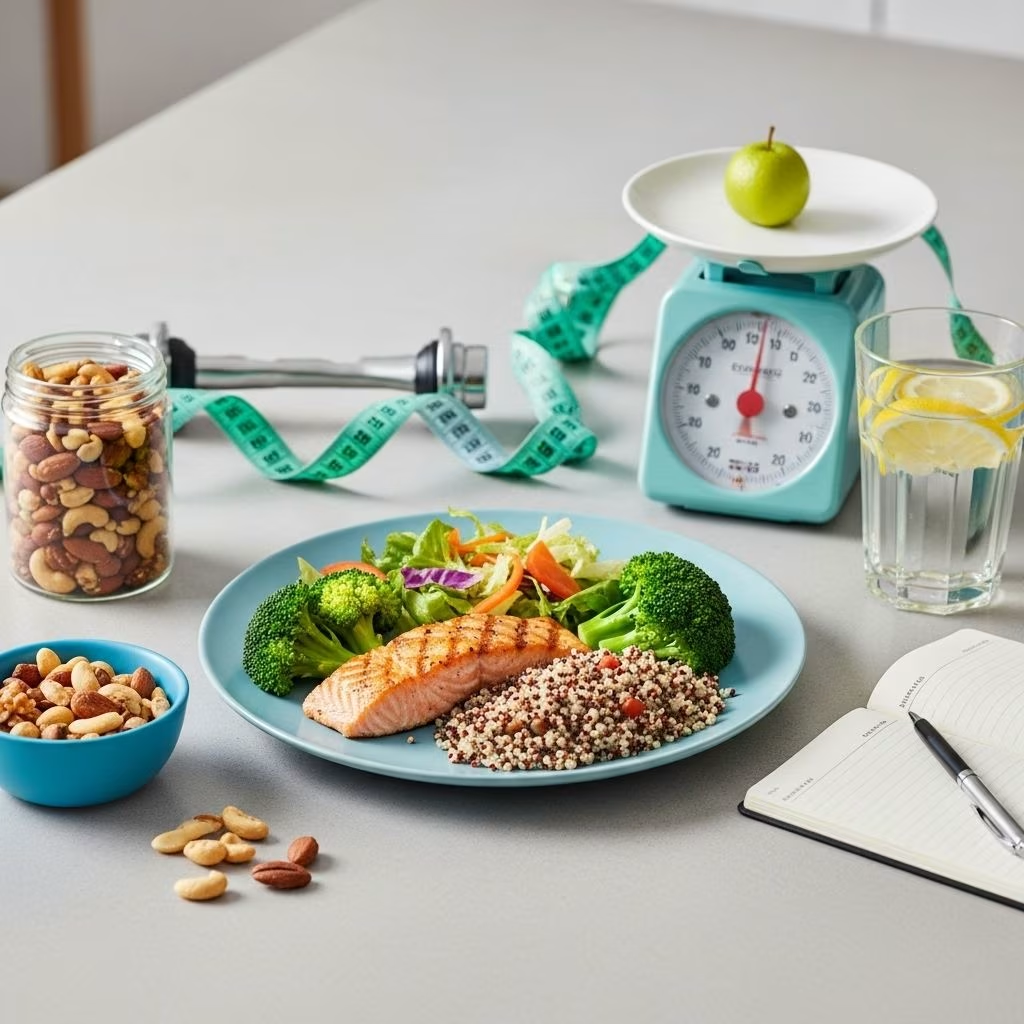
15 Tried-and-True Eating Rules for Faster Weight Loss
Losing weight isn’t just about slashing calories or trying the latest diet trend. Sustainable weight loss happens when you establish healthy habits around eating—habits that help control hunger, minimize cravings, and make nutritious choices second nature. These 15 expert-backed rules can accelerate your progress while fostering a better relationship with food.
1. Fill Half Your Plate with Vegetables
Vegetables are high in fiber and water, making them naturally low in calories and highly filling. By prioritizing veggies each meal, you’ll crowd out higher-calorie foods and get a satisfying volume boost.
- Non-starchy vegetables like spinach, broccoli, bell peppers, and kale add nutrients and keep portions generous without racking up calories.
- Roast, steam, sauté, or enjoy them raw to add flavor variety.
2. Eat Protein at Every Meal
Protein increases satiety and supports muscle maintenance, especially while losing weight. Strive to include a protein source such as eggs, Greek yogurt, tofu, chicken, or legumes each time you eat.
- The 30-30-30 rule recommends aiming for 30 grams of protein within 30 minutes of waking, followed by 30 minutes of low- to moderate-intensity exercise, helping curb hunger and boost metabolism.
- Sample breakfast: Scrambled eggs with spinach or a plant-based protein smoothie.
3. Practice Portion Control
Oversized portions make overeating almost automatic. Use visual cues or simple tools:
- Measure servings initially or use your hand as a quick guide: protein = palm, carbs = cupped hand, fats = thumb.
- Serve meals on smaller plates and bowls to encourage reasonable portions.
4. Eat Mindfully and Without Distractions
Mindful eating means slowing down and tuning into your hunger and fullness cues. Avoid screens and multitasking during meals.
- Chew each bite thoroughly.
- Set your fork down between bites.
- Take at least 20 minutes to eat a meal to give your brain time to register fullness.
5. Don’t Skip Meals
Skipping meals often backfires: you end up ravenous, leading to poor food choices and overeating later. Regularly timed meals help regulate blood sugar and keep your metabolism steady.
6. Limit Sugar and Refined Carbohydrates
Foods high in sugar and refined flour (like white bread, pastries, and candy) can spike your blood sugar and leave you hungry soon after. Aim to:
- Choose whole grains (quinoa, brown rice, oats) over processed grains.
- Keep added sugar intake low—look for hidden sugars in sauces and packaged snacks.
7. Prioritize Fiber-Rich Foods
Fiber promotes fullness, stabilizes blood sugar, and aids digestion. Good sources include:
- Vegetables (especially leafy greens and cruciferous types)
- Beans and lentils
- Whole grains like barley and oats
- Seeds and berries
8. Hydrate, Hydrate, Hydrate
Water is crucial for metabolism and can help quell false hunger cues. Drink before meals, and carry a water bottle to stay on track.
- Choose water over sugary drinks or sodas to save hundreds of calories per day.
- Adding lemon, cucumber, or a few berries can make water more appealing.
9. Include Healthy Fats in Moderation
Fats can help you feel full and satisfied. Focus on sources like:
- Avocado
- Olive oil
- Nuts, seeds, and nut butters
- Fatty fish (salmon, sardines)
Remember to measure: fats are calorie-dense, so keep portions in check.
10. Plan and Prep Your Meals
Planning meals and snacks in advance helps you avoid impulsive, less-healthy choices. Meal prepping can make healthy eating more convenient throughout the week.
- Batch-cook proteins and grains for easy meal assembly.
- Portion healthy snacks into grab-and-go containers.
11. Eat Less at Night
Late-night eating is often mindless and packed with excess calories from snacks. Try to:
- Make dinner your lightest meal.
- Finish eating at least 2-3 hours before bedtime for better digestion.
12. Consider Intermittent Fasting Schedules
Intermittent fasting (IF) involves scheduled periods of eating and fasting, which some studies suggest can help with weight loss by restricting calorie intake, improving insulin sensitivity, and encouraging fat burning. Popular approaches include:
- 16:8 method: Eat during an 8-hour window, fast for 16 hours.
- 14:10 method: Eat during a 10-hour window, fast for 14 hours—often more approachable for beginners.
- 5:2 diet: Eat normally for 5 days, then restrict to about 500 calories on 2 non-consecutive days.
- 4:3 approach: Alternate between days of regular eating and fasting, which may outperform traditional daily calorie restriction for weight loss.
Regardless of method, fill your eating windows with nutrient-dense foods, not processed or sugary snacks.
13. Choose Real, Whole Foods
Minimize ultra-processed packaged snacks and meals, which are high in sugar, unhealthy fats, and empty calories. Opt instead for:
- Fresh produce
- Lean meats and fish
- Whole grains
- Nuts and seeds
14. Don’t Fear (Dark) Chocolate, In Moderation
Including foods you love, like a small serving of dark chocolate, can reduce feelings of deprivation and help you stick to your weight loss plan. Chocolate also contains antioxidants and may help curb cravings, supporting balanced eating.
15. Eat Consistently at Similar Times Each Day
Your body’s metabolism works best with a predictable routine. Eating at regular times stabilizes energy, hunger, and supports digestion. This rhythm helps you avoid peaks and valleys that can drive overeating.
Foods That Support Weight Loss
- Kale: High in nutrients, fiber, and low in calories—great for volume eating and boosting satiety.
- Cucumber: Hydrating and low-calorie, with beneficial antioxidants.
- Eggs: Protein-rich and highly satiating.
- Legumes: Beans and lentils offer protein and fiber to keep you full.
- Greek Yogurt: High in protein, supports gut health, and versatile for meals or snacks.
- Berries: Low in calories, high in fiber and antioxidants.
- Fatty fish: Salmon, sardines, and mackerel are rich in omega-3s and protein.
Sample Day: A Fast-Track Weight Loss Menu
Combining these eating rules, here is an example of a weight loss-focused day:
- Breakfast: Scrambled eggs with spinach, whole grain toast, and a side of berries (30-30-30 rule, protein + fiber focus)
- Snack: Greek yogurt with sliced cucumber
- Lunch: Grilled chicken salad with mixed vegetables, olive oil vinaigrette, and a handful of walnuts
- Afternoon Snack: Baby carrots with hummus
- Dinner: Baked salmon, steamed broccoli, and quinoa
- Dessert: One square of dark chocolate
Pro Tips for Success
- Track your progress—not just with a scale, but by noticing changes in energy, mood, and how clothes fit.
- Don’t ban your favorite foods, but enjoy treats mindfully within your calorie goals.
- Stay active. Combine these eating habits with regular movement for optimal metabolism.
Frequently Asked Questions
Q: Can I lose weight quickly and still be healthy?
A: Sustainable weight loss occurs at 1–2 pounds per week. Faster rates may risk muscle loss or nutrient deficiencies. Focus on building habits, not crash diets.
Q: How important is meal timing for weight loss?
A: Eating at consistent times may help regulate metabolism and hunger, but the overall quality and amount of food matter most.
Q: What’s the best eating rule for long-term weight loss?
A: There is no one-size-fits-all rule; however, emphasizing whole foods, protein, and portion control are consistently effective strategies.
Q: Should I try intermittent fasting?
A: Intermittent fasting can help some people manage calorie intake, but isn’t required for weight loss. Choose an approach that fits your lifestyle and supports healthy eating choices during feeding periods.
Q: Do I need to count calories?
A: Calorie awareness helps, but focusing on nutrient density and hunger cues is often more sustainable than rigid tracking for most people.
Takeaway
There is no magic bullet, but establishing these eating patterns sets you up for faster, more sustainable weight loss. Consistency, mindfulness, and a focus on whole, satisfying foods is the winning formula. Always check with a healthcare provider before starting any diet, especially if you have underlying health conditions.
References
- https://www.prevention.com/weight-loss/diets/a63801852/30-30-30-diet-rule/
- https://www.prevention.com/weight-loss/diets/a46181912/intermittent-fasting-schedules/
- https://www.prevention.com/food-nutrition/a64365995/4-3-intermittent-fasting-vs-calorie-counting-weight-loss-study/
- https://www.prevention.com/weight-loss/g24805401/fat-burning-foods/
- https://www.prevention.com/weight-loss/a20457273/4-golden-rules-of-faster-fat-loss/
- https://www.prevention.com/weight-loss/g20501369/eating-rules-for-faster-weight-loss/
- https://www.prevention.com/food-nutrition/healthy-eating/a65919516/foods-to-boost-metabolism/
- https://www.prevention.com/food-nutrition/a65659332/intermittent-fasting-for-a-week/
- https://www.prevention.com/weight-loss/a20498466/technique-to-use-for-fast-weight-loss/


