


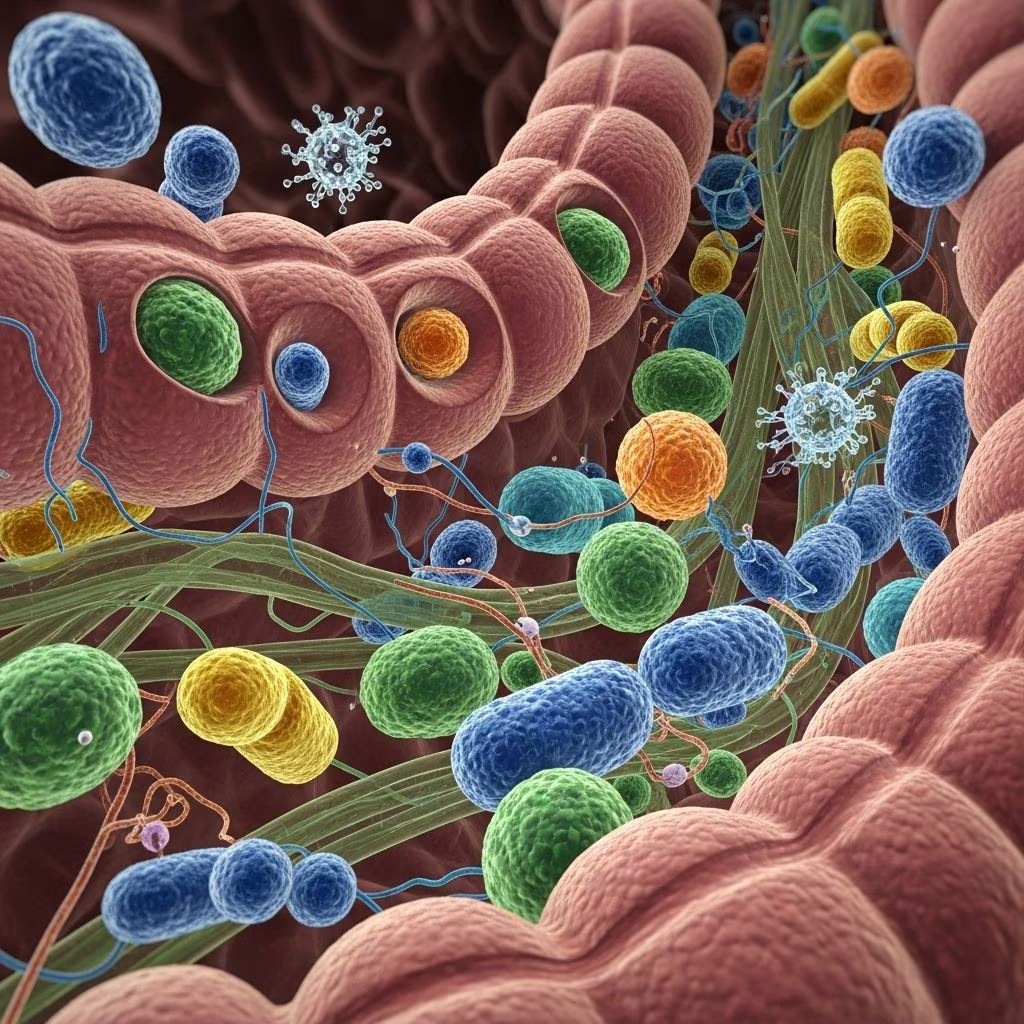
Your gut is home to trillions of bacteria, fungi, and other microbes that play an essential role in your digestion, immunity, metabolism, and even mood. Harnessing the power of these microscopic allies could be the key to improving your overall health. But what steps can you take to boost your gut bacteria? Here’s an in-depth, expert-approved guide to nurturing a flourishing microbiome.
Why Your Gut Microbiome Matters
The collection of microbes that live in your digestive tract is known as the gut microbiome. A well-balanced gut microbiome helps:
- Break down food and absorb nutrients efficiently
- Bolster your immune system’s ability to fend off illness
- Produce important metabolites, like vitamins and short-chain fatty acids
- Protect against harmful bacteria and inflammation
- Influence weight, metabolic health, and even mental wellbeing
Research connects a diverse, robust gut microbiome to a lower risk of chronic disorders, ranging from digestive issues and obesity to diabetes and depression.
Probiotics: Adding Good Bacteria to Your Gut
Probiotics are live microorganisms that can deliver health benefits when consumed in adequate amounts. These beneficial bacteria help balance your gut’s ecosystem.
What are Probiotics?
Probiotics usually include species of Lactobacillus and Bifidobacterium, and are often found in fermented foods or supplements. They work by competing against harmful microbes, producing beneficial metabolites, and strengthening the gut lining.
| Food | Key Bacteria | Benefits |
|---|---|---|
| Yogurt | Lactobacillus, Bifidobacterium | Supports digestion, may ease constipation |
| Kefir | Lactobacillus, Yeasts, Others | Promotes healthy gut flora, can be a dairy or non-dairy option |
| Kimchi | Lactobacillus | Contains live cultures, adds dietary diversity |
| Sauerkraut | Lactobacillus | May support gut balance, fiber-rich |
| Tempeh | Rhizopus (fungi) | Boosts microbiome diversity, plant protein |
| Miso | Aspergillus oryzae | May enhance microbial diversity |
| Certain Cheeses (aged, unpasteurized) | Various strains | Supports gut diversity |
Should You Take Probiotic Supplements?
Supplements may be considered if you need an extra dose of good bacteria—especially after a course of antibiotics or for digestive health concerns. However, experts caution that:
- Not all probiotic strains offer the same benefits; specific conditions require targeted varieties
- Doses and effectiveness can vary widely between products
- Getting probiotics from whole foods is ideal for most people
Always consult a healthcare provider before starting probiotic supplements, especially if you have a health condition or weakened immune system.
Prebiotics: Feeding Your Gut Bacteria
Prebiotics are non-digestible fibers that act as food for your beneficial gut bacteria. They help nourish existing good microbes, allowing them to multiply and crowd out harmful bacteria.
Why You Need Prebiotics
- Prebiotics promote the production of short-chain fatty acids (SCFAs) that strengthen the gut lining and support colon health
- Help healthy microbe populations thrive, enhancing immune function
- Favor the growth of Lactobacillus and Bifidobacterium species, which suppress harmful pathogens
Top Prebiotic Foods
- Bananas (especially slightly green)
- Asparagus
- Onions
- Garlic
- Leeks
- Whole grains like oats, barley, and wheat
- Legumes such as lentils, chickpeas, and beans
- Soybeans
- Apples
- Artichokes
Dietary experts recommend aiming for about 25 grams of fiber daily for women and 38 grams for men, and including as many different plant foods as possible—striving for at least 30 unique plant foods per week can significantly boost your gut’s microbial diversity.
How Your Diet Shapes Your Gut Bacteria
The single most powerful way to alter your gut microbiome is through dietary choices. A fiber-rich, plant-forward diet helps ensure your beneficial bacteria thrive. Here’s what to focus on:
- Eat a diverse range of fruits, vegetables, whole grains, nuts, and legumes
- Incorporate both probiotic and prebiotic foods daily
- Avoid over-consumption of ultra-processed foods, added sugars, and unhealthy fats
- If you eat animal products, opt for fermented dairy (like yogurt and kefir) and limit processed meats
Sample gut-loving meal plan:
- Breakfast: Oatmeal topped with banana slices and chia seeds
- Lunch: Brown rice burrito bowl with black beans, sautéed onions, red peppers, and avocado
- Snack: Large apple with a handful of walnuts
- Dinner: Grilled salmon, roasted asparagus, and quinoa
Lifestyle Habits that Support Gut Bacteria
Besides what you eat, several habits strongly influence the health and diversity of your gut microbiome:
- Exercise regularly: Physical activity boosts microbial diversity
- Avoid unnecessary antibiotics: Antibiotics reduce both good and bad bacteria in the gut
- Manage stress: Chronic stress can negatively affect gut health
- Prioritize sleep: Poor sleep can disrupt your microbiome
- Limit alcohol consumption: Excessive alcohol harms gut bacterial populations
Common Mistakes That Harm Gut Bacteria
Some common habits can reduce the number and diversity of your beneficial gut microbes:
- Overuse of antibiotics
- Ultra-processed, low-fiber diets
- Lack of dietary diversity
- Excess stress and inadequate sleep
- Frequent alcohol or smoking
Frequently Asked Questions About Gut Health
Q: What are the signs of an unhealthy gut?
A: Common symptoms include frequent bloating, gas, diarrhea, constipation, unexplained fatigue, sleep problems, and food intolerances.
Q: Should everyone take probiotics?
A: Not necessarily. While probiotics can help after antibiotics or for certain digestive issues, there is limited evidence that healthy people receive major benefits from supplements. Getting probiotics from whole foods is ideal for most people.
Q: How quickly can I improve my gut microbiome?
A: Positive changes can begin in just a few days with consistent dietary improvements, but optimal results come with long-term habits. Microbiome diversity increases most with regular intake of diverse, fiber-rich foods.
Q: Are all fermented foods probiotic?
A: Not all fermented foods contain live probiotic cultures. For example, pasteurized sauerkraut and kimchi may lack enough live bacteria to confer probiotic benefits, while yogurt and kefir are more reliable sources.
Q: Which is more important: probiotics or prebiotics?
A: Both are important, but prebiotics may have a bigger long-term impact by helping existing beneficial bacteria flourish.
Science-Backed Benefits of a Healthy Gut Microbiome
- Improved digestion: Efficient breakdown and absorption of nutrients
- Stronger immune system: Enhanced defense against pathogens
- Reduced inflammation: Better regulation of immune responses
- Lower risk of chronic diseases: Including type 2 diabetes, obesity, and certain gastrointestinal disorders
- Better mood and cognition: Gut bacteria communicate with the brain via the gut-brain axis
Gut-Friendly Shopping List
- Plain, live-culture yogurt
- Kefir (regular or plant-based)
- Bananas (especially slightly unripe)
- Asparagus, garlic, onions, leeks
- Chickpeas, lentils, black beans
- Whole grain bread, brown rice, quinoa, oats
- Apples, berries, pears
- Almonds, chia seeds, walnuts
- Kimchi, sauerkraut (unpasteurized for live cultures)
- Miso, tempeh
Key Takeaways for a Healthier Gut
- Focus every meal around plants—aim for variety and color
- Incorporate both probiotic and prebiotic-rich foods
- Stay physically active and get enough sleep
- Avoid unnecessary antibiotics and manage stress
- Introduce new gut-healthy foods gradually to reduce digestive discomfort
Gut Bacteria Optimization Tips
- Try a new vegetable, legume, or whole grain each week
- Add fermented foods to meals several times per week
- Make fiber the focus: use whole fruits for snacks and salads as meal starters
- Swap processed foods for real, whole plant-based options as often as possible
References for Further Reading
- Harvard T.H. Chan School of Public Health: “The Microbiome”
- American Gastroenterological Association: “Gut Microbiome”
- Prevention.com: Articles on gut health and nutrition
References
- https://www.prevention.com/health/a60990121/probiotics-and-prebiotics/
- https://pmc.ncbi.nlm.nih.gov/articles/PMC10773664/
- https://www.prevention.com/health/a37612428/gut-health-guide/
- https://www.prevention.com/weight-loss/diets/a20447882/how-to-boost-gut-bacteria/
- https://www.prevention.com/health/a20505875/5-ridiculously-easy-ways-to-improve-your-gut-bacteria/
- https://www.prevention.com/food-nutrition/a63740323/juice-cleanse-harm-gut-health-inflammation/
- https://www.prevention.com/food-nutrition/healthy-eating/a67992652/foods-for-gut-health/
- https://www.prevention.com/health/a20495704/the-secret-to-a-faster-metabolism-is-in-your-gut/
- https://www.prevention.com/health/a60986875/gut-health-tips/
- https://www.health.harvard.edu/staying-healthy/can-gut-bacteria-improve-your-health


