


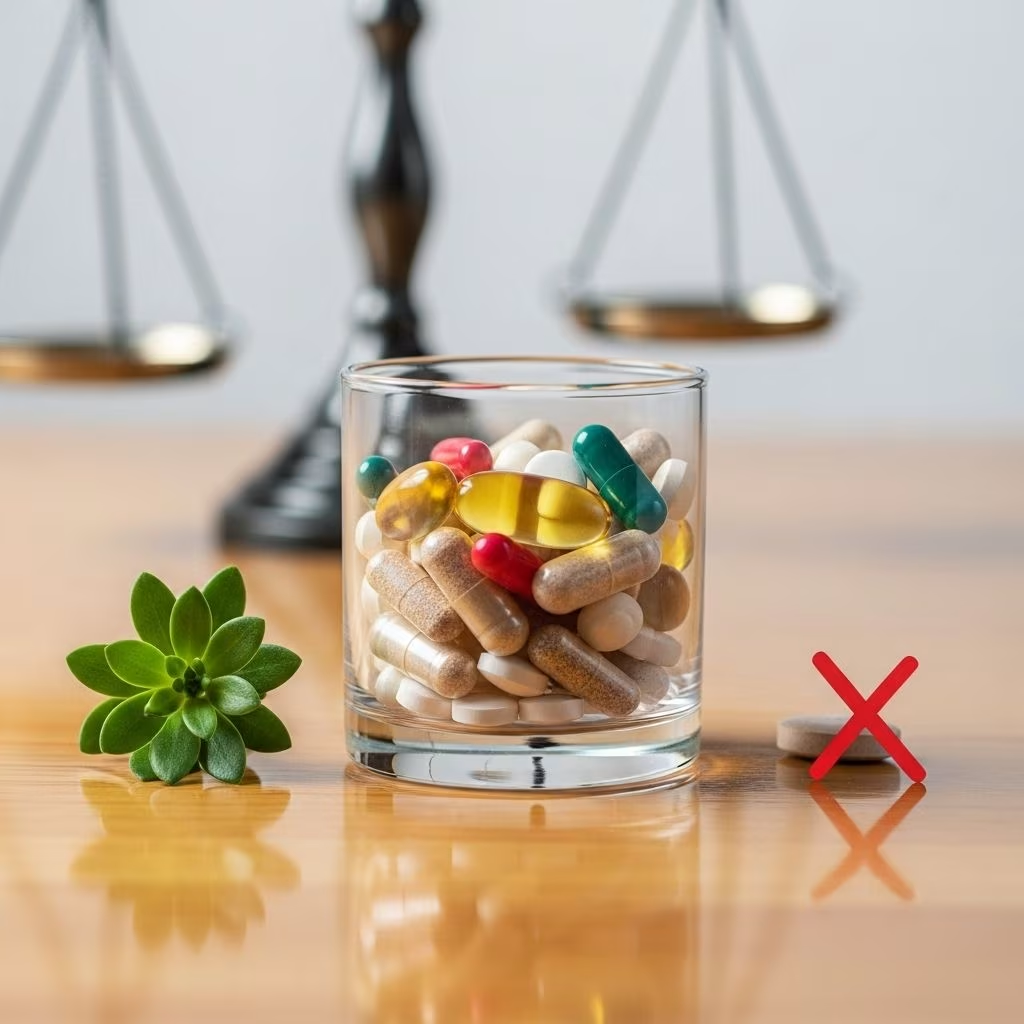
Weight loss is a prominent concern for millions globally, giving rise to a massive industry of dietary supplements and prescription medications promising quick results. But amid the alluring claims, many people wonder: Do weight loss pills actually work? Are they safe? And what options are truly supported by research?
This comprehensive guide will unpack the real science behind weight loss pills, breaking down prescription drugs, over-the-counter (OTC) supplements, risks, effectiveness, and healthy alternatives. Whether you are considering medication or supplements to help manage your weight, this article aims to separate facts from fads and empower you to make informed choices for the sake of your health.
Understanding Weight Loss Pills and Supplements
Weight loss pills are products that claim to help reduce body weight. Broadly, they fall into two categories:
- Prescription Weight Loss Medications: These drugs are FDA-approved, are prescribed by healthcare professionals, and have undergone years of clinical testing for safety and efficacy.
- Over-the-Counter Dietary Supplements: These are accessible without a prescription and include a vast array of products, from herbal capsules and teas to powders. OTC supplements and diet pills are minimally regulated in the U.S.
How Do Weight Loss Pills Work?
The mechanisms vary by product. Most weight loss pills act through one or more of the following strategies:
- Suppress appetite or increase feelings of fullness
- Decrease absorption of fat or calories in the gut
- Increase metabolism or fat burning
Each class of medication or supplement acts differently, with varied effectiveness and risk profiles. It is critical to understand these before trying or recommending any such intervention.
Prescription Weight Loss Medications: What Does the Evidence Say?
Prescription anti-obesity medications (AOMs) are meant for people with a body mass index (BMI) over 30, or over 27 with weight-related health concerns such as type 2 diabetes or high blood pressure. They are only available through licensed healthcare providers and are intended as part of a broader strategy including diet, exercise, and behavioral changes.
Approved Prescription Medications
| Drug Name (Brand) | Mechanism of Action | Typical Weight Loss (%) | Notable Side Effects |
|---|---|---|---|
| Tirzepatide (Zepbound) | Dual GIP/GLP-1 receptor agonist; suppresses appetite | Up to 22.5% | Nausea, GI disturbances |
| Semaglutide (Wegovy) | GLP-1 receptor agonist; suppresses appetite | Up to 14.9% | GI symptoms, possible pancreatitis |
| Liraglutide (Saxenda) | GLP-1 receptor agonist | ~8% | Nausea, increased heart rate |
| Phentermine-topiramate (Qsymia) | Sympathomimetic/appetite suppressant + anticonvulsant | 7–11% | Insomnia, dry mouth, paresthesia |
| Naltrexone-bupropion (Contrave) | Opioid antagonist + antidepressant; decreases appetite, cravings | ~5–9% | Nausea, headache, increased BP |
| Orlistat (Alli, Xenical) | Fat absorption inhibitor | ~5–7% | GI issues, oily stools |
These medications have been shown in multiple clinical trials to help people lose significant amounts of weight. For instance, tirzepatide (Zepbound) and semaglutide (Wegovy) have led to over 10% weight loss in major studies when paired with healthy lifestyle changes. Improvements in cardiovascular risk and some metabolic markers are also consistently reported for these drugs.
Important to note: These medications are prescribed only for specific BMI or health criteria. They are not intended for cosmetic or minor weight loss. Inappropriate use can result in serious side effects and is not a substitute for habits like a nutritious diet and regular physical activity.
Who Should (and Should Not) Use Prescription Weight Loss Pills?
- Intended for adults (and occasionally teens) meeting certain BMI/health risk thresholds
- Not suitable for casual, cosmetic weight loss
- Selection depends on medical history, co-morbidities, and potential drug interactions
- Long-term use is usually required for sustained benefit; sudden discontinuation often leads to weight regain
Common Side Effects and Risks
- GI symptoms (nausea, diarrhea, constipation)
- Headache, increased heart rate, insomnia
- Risk of rare complications (e.g., pancreatitis, psychiatric effects)
- Should always be prescribed and monitored by a healthcare provider
The Truth About Over-the-Counter Diet Pills and Supplements
OTC dietary supplements for weight loss are not regulated by the FDA for safety or efficacy. Manufacturers may market them with bold promises, but these products:
- Aren’t required to prove their claims with clinical data
- May contain undisclosed or banned ingredients
- Can be contaminated or adulterated to mimic drug effects
Common examples of ingredients found in OTC weight loss pills include green tea extract, caffeine, garcinia cambogia, raspberry ketones, and combinations of herbs and stimulants. There is little robust evidence for sustained weight loss and increasing documentation of harm, from mild side effects (headache, jitters) to severe consequences like liver damage and even death.
Potential Dangers of OTC Diet Pills
- Liver injury and organ failure: Several supplements have been linked to acute hepatitis and liver failure, requiring transplantation or leading to death in some cases.
- Adulteration with banned substances: Products may secretly include prescription-level drugs, unapproved pharmaceuticals, stimulants, and diuretics without disclosure.
- Lack of Recourse After Harm: Since supplements are rarely recalled promptly and lack effective oversight, many remain on the market even after proven harms are discovered.
- Targeting Teens and Vulnerable Populations: Young people are at particular risk from targeted marketing, despite recommendations from pediatric and public health groups against supplement usage for weight loss in this group.
Expert Recommendations: What Do Doctors Say?
Medical and public health organizations consistently caution against the non-medical use of weight loss supplements. The American Medical Association and the American Academy of Pediatrics both discourage the use of OTC weight loss supplements, especially by minors, due to a lack of proven benefit and known harms.
Healthcare providers rarely, if ever, recommend non-prescription weight loss supplements. Instead, they recommend:
- Evidence-based prescription medications for those who meet criteria
- Structured behavioral and lifestyle modifications as the foundation for weight management
- Close monitoring for potential adverse effects when any pharmacologic option is used
Cautions From the Experts
- Supplements are not tested or regulated for quality, safety, or efficacy
- Even well-meaning physicians cannot know what is really in any given supplement
- Long-term data is almost always lacking; many trials are too small or too short to detect rare but serious harms
In summary, experts urge consumers to be skeptical of grandiose claims and remember: If it sounds too good to be true, it probably is.
The Advertising Problem: Misleading Claims and Regulatory Gaps
Weight loss supplement manufacturers regularly use aggressive marketing that isn’t subject to the same scrutiny as pharmaceuticals. Common tactics include:
- Testimonials and before-and-after photos without scientific support
- Claims of ‘doctor recommended’ or ‘clinically proven’ with little or no substantiation
- Touting ‘natural’ or ‘herbal’ formulas as inherently safer or better, despite lack of evidence
Regulatory authorities such as the FDA have limited resources and legal mandate for policing dietary supplements. Even after recalls due to contamination or undisclosed drug ingredients, tainted supplements can remain on the market for months or reappear under different branding.
Safer and More Sustainable Approaches to Weight Loss
While weight loss can be medically indicated for individuals with obesity, the consensus is that pills and rapid fixes rarely deliver lasting, healthy results. Sustainable weight loss focuses on the following:
- Comprehensive lifestyle modifications: Balanced diet, regular physical activity, adequate sleep, and behavioral support are the primary pillars.
- Medically supervised interventions: Prescription medications are considered only after thorough assessment and in conjunction with lifestyle strategies.
Common elements of effective weight management programs include:
- Calorie-conscious, nutrient-dense eating plans tailored to individual needs
- At least 150 minutes per week of moderate-intensity exercise
- Behavioral counseling and support to address habits and stressors
- Ongoing medical monitoring and adjustments as needed
Choosing Wisely: What to Consider Before Taking a Pill
If you are considering any weight loss medication or supplement, ask yourself and your healthcare provider these critical questions:
- Is my BMI or health status in the range where medication is appropriate?
- Are there evidence-based, safer alternatives I’ve tried?
- What are the known side effects and interactions of this product?
- Has the product been evaluated in rigorous, peer-reviewed clinical trials?
- How will use of this product fit into a broader lifestyle plan for health?
The best outcomes come from informed discussions with your healthcare team. Avoid the temptation of quick fixes in favor of gradual, sustainable change supported by credible guidance.
Table: Key Differences Between Prescription Drugs and OTC Diet Supplements
| Feature | Prescription Medications | OTC Diet Supplements |
|---|---|---|
| FDA Approval Process | Yes, strict clinical trials required | No efficacy or safety testing before marketing |
| Supervision | Prescribed and monitored by doctors | Self-administered, no medical monitoring |
| Evidence Base | Strong (peer-reviewed studies, clinical trials) | Typically weak or anecdotal |
| Ingredient Regulation | Stringently regulated | Loosely regulated; may contain undisclosed substances |
| Safety Profile | Risks known and monitored | Unknown risks, history of harm |
Frequently Asked Questions (FAQs)
Q: Do any over-the-counter diet pills really work?
A: Research does not support the sustained effectiveness of OTC diet pills. Most do not result in meaningful or lasting weight loss and carry potential risks.
Q: Are prescription weight loss pills safe?
A: FDA-approved prescription medications have demonstrated benefits and are safe for appropriate candidates when used under medical supervision. They can have side effects and are not right for everyone.
Q: What are the most common side effects of weight loss supplements?
A: OTC supplements may cause nausea, diarrhea, insomnia, agitation, liver injury, heart issues, and more. Their safety cannot be guaranteed due to poor regulation.
Q: Is it ethical for doctors to recommend dietary supplements for weight loss?
A: Major professional guidelines do not support clinicians recommending non-prescription supplements due to lack of regulation and robust evidence. Patient safety is the primary concern.
Q: What is the role of lifestyle changes in weight loss?
A: Lasting, healthy weight loss is best achieved through sustainable changes including diet, physical activity, and behavioral adjustment. Medications, where indicated, are only part of a comprehensive plan.
Final Thoughts
Weight loss pills may sound enticing, but the majority lack the scientific backing and safety assurances consumers deserve. Prescription drugs offer benefits for some, but only with medical guidance. Popular OTC supplements offer little but risk, and are best avoided. The foundations of lifelong weight control remain a nourishing diet, regular movement, behavioral support, and informed medical care. Choose science over hype, and health over haste.
References
- https://hsph.harvard.edu/research/eating-disorders-striped/striped-advocacy-playbook/striped-advocacy-campaigns/ban-diet-pills-muscle-supplements-children/science-summary-supplement-harms/
- https://journalofethics.ama-assn.org/article/should-clinicians-ever-recommend-supplements-patients-trying-lose-weight/2022-05
- https://www.brownhealth.org/be-well/facts-and-fictions-about-weight-loss-medications
- https://obesitymedicine.org/blog/weight-loss-medications/
- https://www.mayoclinic.org/healthy-lifestyle/weight-loss/in-depth/weight-loss-drugs/art-20044832
- https://health.ucdavis.edu/blog/cultivating-health/can-weight-loss-medications-help-you-lose-weight/2024/08
- https://magazine.ucsf.edu/weight-loss-drugs-too-good-to-be-true
- https://ods.od.nih.gov/factsheets/WeightLoss-HealthProfessional/
- https://my.clevelandclinic.org/health/treatments/9463-appetite-suppressants
- https://kpwashingtonresearch.org/index.php/news-and-events/blog/2019/mar-2019/Using_phentermine_for_weight_loss_more_than_3_months_seems_safe_and_effective


