


\n\n
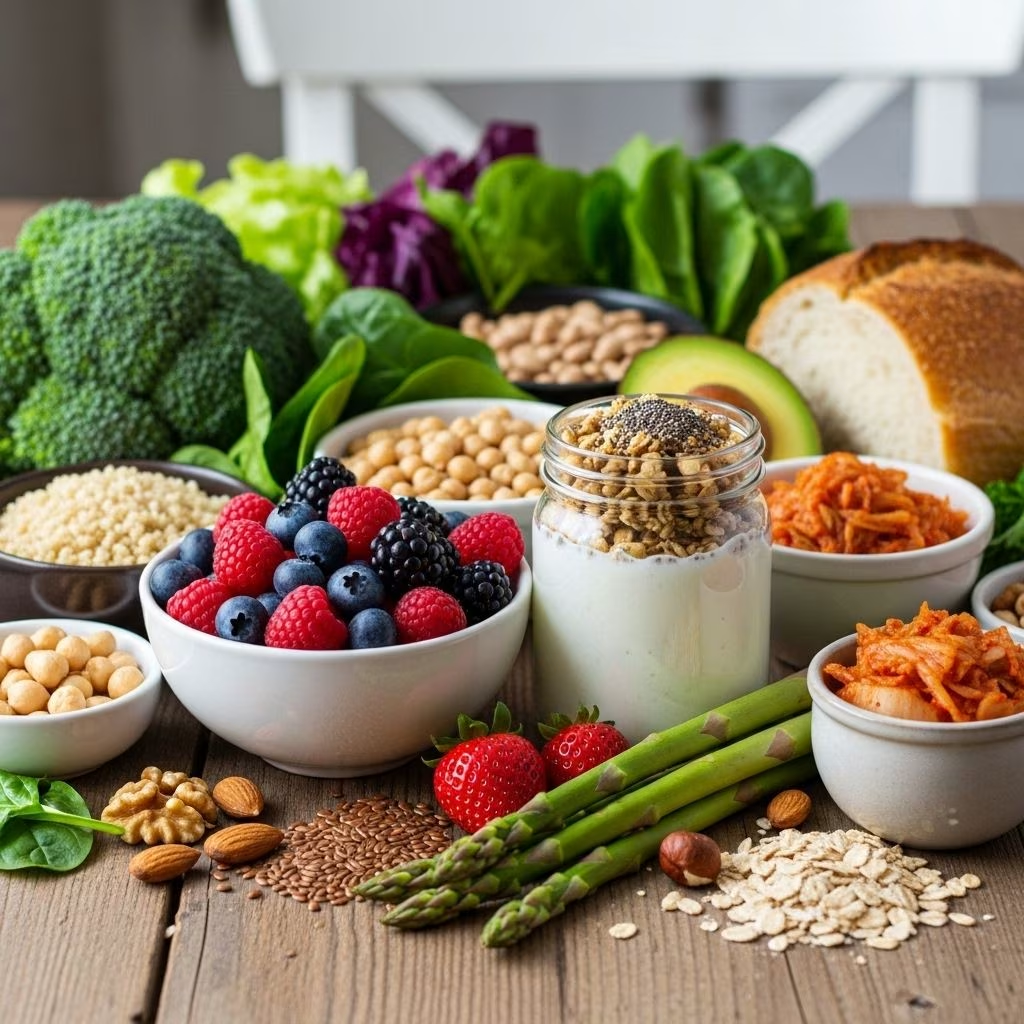
Your gut is home to trillions of bacteria that influence everything from digestion and metabolism to immune function and even your mood. What you eat can profoundly impact the diversity and health of your gut microbiome. Incorporating specific foods into your daily diet can support a thriving community of beneficial bacteria, promoting digestive health and overall well-being.
\n\n
Why Your Gut Health Matters
\n
The gut microbiome refers to the vast ecosystem of microorganisms that inhabit your digestive tract. These beneficial bacteria help break down food, synthesize vital nutrients, ward off harmful pathogens, and support immune function. A balanced microbiome is linked to:
\n
- \n
- Improved digestion and nutrient absorption
- Lower risk of digestive disorders
- Better immune response
- Enhanced mood and cognitive function
- Improved metabolic health
\n
\n
\n
\n
\n
\n\n
Diet is one of the most powerful tools for shaping your gut microbiota. In particular, foods rich in probiotics (live beneficial bacteria) and prebiotics (fibers that feed those bacteria) are key players.
\n\n
Understanding Probiotics and Prebiotics
\n
Probiotics are live microorganisms that can provide health benefits when consumed in adequate amounts. They help repopulate the gut with healthy bacteria, keeping potentially harmful microbes in check.
\n
Prebiotics are types of dietary fiber that act as food for good bacteria. By nourishing probiotics, they help those beneficial communities thrive and multiply.
\n\n
| Type | Function | Food Sources |
|---|---|---|
| Probiotics | Supply beneficial bacteria directly to the gut | Yogurt, kefir, kimchi, sauerkraut, miso, kombucha |
| Prebiotics | Provide fuel for beneficial gut bacteria | Bananas, onions, asparagus, garlic, apples, asparagus, oats, legumes |
\n\n
Top 14 Foods to Help Boost Healthy Gut Bacteria
\n
These foods are especially effective at nourishing your digestive ecosystem and encouraging the growth of beneficial bacteria.
\n\n
1. Kimchi
\n
Kimchi is a traditional Korean dish made from fermented cabbage and other vegetables. Its fermentation process creates a symphony of beneficial bacteria, known as probiotics. Not only does kimchi support microbial balance in the gut, but it also supplies fiber, vitamins, and antioxidants. Its spicy, tangy flavor makes it a versatile side dish or addition to salads, grain bowls, and wraps.
\n\n
2. Sauerkraut
\n
Like kimchi, sauerkraut is made from fermented cabbage. This probiotic-rich condiment is particularly potent for gut health, delivering live microorganisms that help replenish and diversify the microbiome. Add it to sandwiches, salads, or grain dishes for a tangy boost of flavor and beneficial bacteria.
\n\n
3. Yogurt
\n
Yogurt with live and active cultures is a classic source of probiotics. Opt for plain, unsweetened varieties to avoid excess added sugar, which can disrupt gut balance. Mix in fresh fruit, nuts, or seeds for extra fiber and nutrients. Yogurt can also serve as a base for dips, smoothies, or even salad dressings.
\n\n
4. Kefir
\n
Kefir is a fermented milk drink that contains a diverse mix of probiotic strains. It’s even richer in beneficial bacteria than most yogurts, making it excellent for digestive health. Enjoy kefir on its own, add it to smoothies, or use it as a tangy base for dressings and sauces.
\n\n
5. Miso
\n
Miso is a savory paste made primarily from fermented soybeans, barley, or rice. Rich in probiotics and enzymes, miso can help aid digestion and support the microbiome. Use miso in soups, marinades, dressings, or as a seasoning for vegetables and proteins.
\n\n
6. Kombucha
\n
Kombucha is a fermented tea beverage loaded with live bacteria and yeasts beneficial for the gut. It has a refreshing, tangy flavor and contains modest amounts of antioxidants. Drink it straight, use it as a mixer, or get creative with kombucha-based mocktails. Be mindful of sugar content in flavored varieties.
\n\n
7. Almonds
\n
Almonds are rich in fiber, healthy fats, and polyphenols—all nutrients that support a healthy gut. Their fiber acts as a prebiotic, nourishing beneficial bacteria, while the healthy fats and micronutrients provide additional anti-inflammatory advantages. Grab a handful as a snack or add them to salads and yogurts for satisfying crunch.
\n\n
8. Black Beans
\n
Black beans and other legumes deliver both soluble and insoluble fiber, both crucial for gut health. Soluble fiber forms a gel-like substance that aids digestion and promotes healthy bacteria, while insoluble fiber helps regulate bowel movements and prevent constipation. Add black beans to soups, stews, salads, and grain bowls.
\n\n
9. Bananas
\n
Bananas are one of nature’s best prebiotic foods. Their fiber and resistant starch act as food for beneficial bacteria, helping them flourish. Bananas are gentle on the digestive tract, help regulate bowel movements, and provide a satisfying, portable snack.
\n\n
10. Apples
\n
Apples contain pectin, a type of soluble fiber that functions as a prebiotic. Eating apples consistently may promote the growth of healthy bacteria, support digestive regularity, and even enhance short-chain fatty acid production, which is associated with reduced inflammation. Snack on apples whole or add slices to yogurt and salads.
\n\n
11. Pears
\n
Pears are another fiber powerhouse, especially abundant in soluble fiber. Regular pear intake helps promote consistent bowel movements and supports beneficial gut bacteria. Their sweet, juicy flesh makes them ideal for fresh snacking or adding to grain-based salads and cereals.
\n\n
12. Asparagus
\n
Asparagus is a top prebiotic vegetable, loaded with inulin (a natural prebiotic fiber) that encourages the growth of healthy bacteria. Lightly steam or roast asparagus to preserve its fiber content, and try it in salads, stir-fries, or as a side dish.
\n\n
13. Garlic and Onions
\n
Garlic and onions are flavorful staples rich in prebiotic fibers and powerful plant compounds that support digestive health. They help nourish good gut bacteria and have antimicrobial properties that may discourage harmful microbes. Add them liberally to sauces, soups, roasted dishes, and stir-fries.
\n\n
14. Leafy Greens: Kale and Collard Greens
\n
Kale and collard greens are loaded with fiber, vitamins, and phytonutrients. Their high fiber content is particularly beneficial for supporting healthy digestion and maintaining bowel regularity. Use leafy greens in salads, omelets, smoothies, and sautéed sides.
\n\n
15. Salmon
\n
Salmon is rich in omega-3 fatty acids, which can help reduce inflammation in the gut and throughout the body. Omega-3s may also support the integrity of the gut lining, lowering the risk of leaky gut and inflammatory diseases. Enjoy wild-caught salmon grilled, baked, or in salads.
\n\n
How to Incorporate Gut-Friendly Foods Into Your Diet
\n
- \n
- Start with small changes: Add one new gut-healthy food to your meals each week.
- Combine prebiotics and probiotics: For maximum benefit, eat probiotic-rich foods (like kimchi or yogurt) with prebiotic-rich foods (such as bananas or oats).
- Minimize added sugars and ultra-processed foods, which may disrupt microbial balance.
- Drink plenty of water to help fiber move smoothly through your digestive tract.
- Enjoy plant diversity: The broader your range of fruits, vegetables, beans, and whole grains, the more diverse your gut microbiome will be.
\n
\n
\n
\n
\n
\n\n
Frequently Asked Questions (FAQs)
\n
Q: What foods are best for increasing good gut bacteria?
\n
A: Fermented foods like yogurt, kefir, kimchi, and sauerkraut are top choices because they deliver live probiotics. High-fiber foods such as beans, apples, pears, and leafy greens supply prebiotics that help fuel those beneficial bacteria.
\n\n
Q: Are all yogurts equally good for gut health?
\n
A: Not all yogurts contain live probiotics—look for labels stating “live and active cultures.” Avoid sugary varieties, as added sugar may have a negative effect on your microbiome.
\n\n
Q: How quickly will I notice changes in my digestion after adding gut-friendly foods?
\n
A: Some people may notice improvements in bowel regularity, less bloating, or better stool consistency within a few days to weeks. Lasting changes to the microbiome, however, may take several weeks of consistent dietary habits.
\n\n
Q: Can gut health affect mood?
\n
A: Yes, emerging research shows the gut microbiome communicates with the brain via the gut-brain axis, influencing neurotransmitter production, inflammation, and even mood. A diverse, healthy microbiome is linked to lower rates of anxiety and depression.
\n\n
Q: Should I take a probiotic supplement if I eat these foods?
\n
A: Most experts recommend prioritizing probiotic- and prebiotic-rich foods first. Supplements may be beneficial in certain cases, but should be chosen with care due to the varying quality and strains available. Consult a healthcare professional before beginning a supplement regimen.
\n\n
Tips for a Healthier Gut
\n
- \n
- Enjoy a colorful variety of whole, plant-based foods.
- Limit added sugars, artificial sweeteners, and processed foods.
- Stay hydrated for optimal digestion.
- Include fermented foods in your routine meals.
- Move your body—physical activity can benefit gut motility and microbiome diversity.
\n
\n
\n
\n
\n
\n\n
Final Thoughts
\n
Fostering a diverse and balanced gut microbiome begins with what’s on your plate. By emphasizing fermented foods, fiber-rich produce, healthy fats, and minimizing processed ingredients, you can make a positive impact on your digestive health and overall vitality. Nourish your microbiome, and let your gut return the favor!
\n
References
- https://emersonhealth.org/11-foods-for-gut-health-and-recipes/
- https://www.prevention.com/food-nutrition/healthy-eating/a67992652/foods-for-gut-health/
- https://www.betterhealth.vic.gov.au/health/healthyliving/gut-health
- https://www.health.harvard.edu/staying-healthy/feed-your-gut
- https://pmc.ncbi.nlm.nih.gov/articles/PMC10773664/
- https://www.mayoclinichealthsystem.org/hometown-health/speaking-of-health/good-bacteria-for-your-gut
- https://www.bhf.org.uk/informationsupport/heart-matters-magazine/nutrition/how-can-i-improve-my-gut-health


