


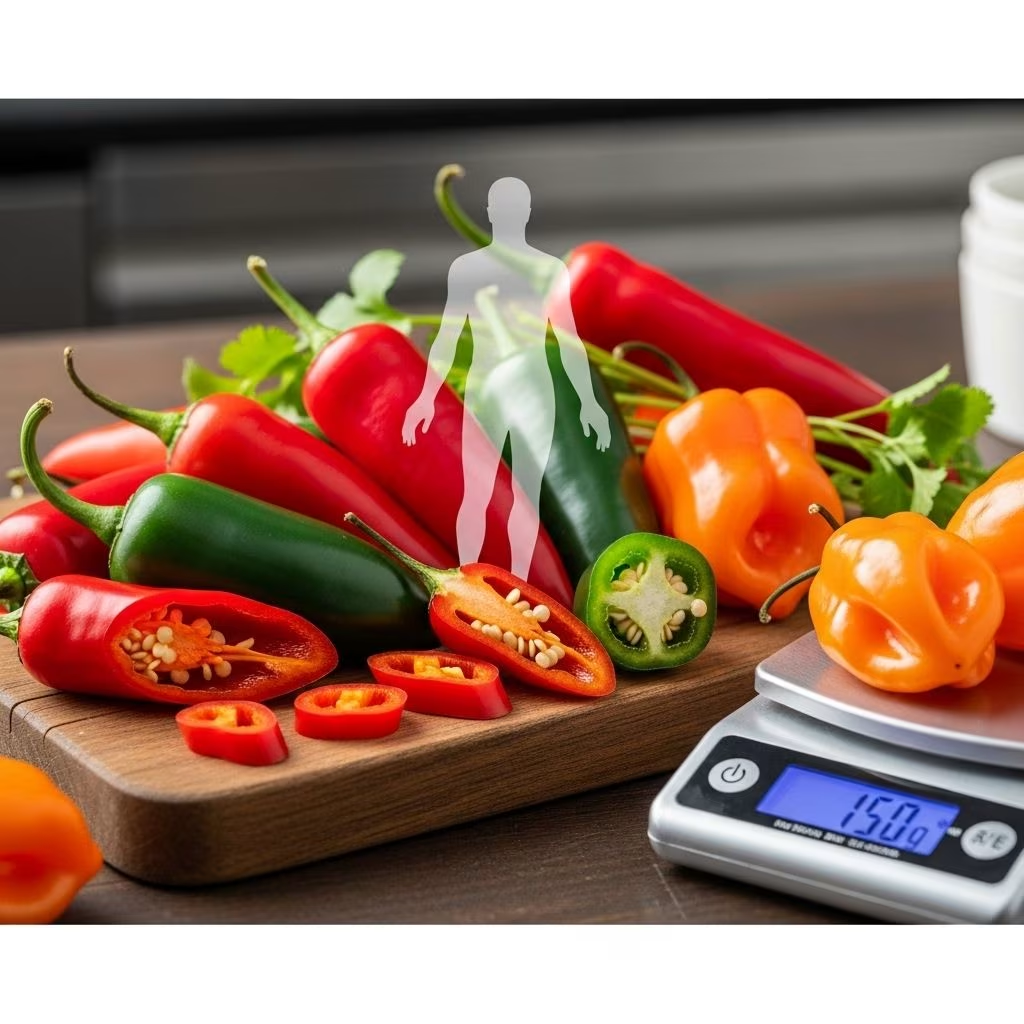
Hot Peppers and Weight Loss: Science, Benefits, and Fiery Foods to Try
If you’re looking for natural ways to kickstart your weight loss journey, spicy foods—especially hot peppers—might just be the ingredient your diet is missing. Beyond their ability to bring the heat and flavor to meals, fiery peppers are linked to various health and weight loss benefits. This article explores the science behind hot peppers and their star compound, capsaicin, uncovers their effects on metabolism and appetite, and spotlights some of the best spicy foods you can add to your diet.
Why Hot Peppers Get the Spotlight: The Power of Capsaicin
Hot peppers, like jalapeños, cayenne, habaneros, and serranos, owe their heat to an active compound called capsaicin. Capsaicin is a colorless, odorless phytonutrient found in the ribs and seeds of chili peppers, and it’s responsible not only for their spicy bite but for a number of physiological effects that could benefit your waistline and your health overall.
- Chemical nature: Capsaicin interacts with pain receptors in your mouth and throat, causing the fiery sensation.
- Health impact: Studies suggest that capsaicin can temporarily boost your metabolism, increase thermogenesis (the process of heat production), and help regulate appetite.
- Nutritional value: Peppers are rich in vitamins A, C, B6, and antioxidants, making them more than just a low-calorie flavor enhancer.
How Hot Peppers Affect Metabolism
The most widely discussed benefit of eating spicy peppers is their effect on metabolism. Research indicates that capsaicin may give your metabolism a temporary push, causing your body to burn a bit more energy for a period after a spicy meal. Here’s why this matters:
- Metabolic boost: Eating hot peppers can increase your metabolic rate by up to 5% for a few hours after ingestion, often resulting in extra calories burned.
- Thermogenesis activation: Capsaicin activates thermogenesis, a process where your body generates heat from digesting food, increasing overall energy expenditure.
- BAT stimulation: Some studies show dietary capsaicin stimulates brown adipose tissue (BAT), which is specialized fat that burns calories for heat—similar to what happens during cold exposure.
While this thermogenic effect is modest—equating to a small number of extra calories burned per meal—it may have a cumulative impact when combined with other healthy habits.
Hot Peppers and Appetite Regulation
One lesser-known effect of hot peppers is their potential to suppress appetite and promote satiety (the feeling of fullness), possibly supporting weight control:
- Reduction in energy intake: Studies have shown that adding red pepper to a meal can reduce both total energy intake and carbohydrate consumption in subsequent meals.
- Appetite signaling: Capsaicin may influence the hypothalamus—the brain’s hunger control center—helping to trigger sensations of fullness faster, which could mean less food consumed overall.
- Behavioral effects: People consuming diets rich in spicy foods sometimes eat less during the day, but this can vary individually.
Overview Table: Key Benefits of Hot Peppers and Capsaicin
| Benefit | How It Works | Scientific Support |
|---|---|---|
| Metabolic Boost | Triggers thermogenesis and energy expenditure | Supported by clinical studies showing slight increases in resting metabolic rate |
| Appetite Suppression | Enhances satiety signaling in the brain, reducing calorie intake | Observed in studies where spicy meals led to reduced food consumption |
| Fat Oxidation | Increases lipid oxidation and brown fat activity | Some experimental research shows improved fat breakdown |
| Antioxidant Properties | Peppers rich in vitamins and phytochemicals | Recognized source of vitamins A, C, B6, and carotenoids |
| Potential Heart Benefits | May support healthier cholesterol and blood pressure | Associations with lower cardiovascular risk in observational studies |
What the Science Says: How Significant Are the Effects?
While the metabolism-boosting power of hot peppers is real, it’s not a magic bullet for weight loss. Most studies agree:
- The increase in calorie burn is modest—roughly 50 extra calories a day for regular hot pepper eaters.
- Capsaicin alone won’t melt pounds away without a balanced diet and physical activity.
- Some larger studies even suggest higher chili pepper intake is associated with both increased and decreased obesity risk, highlighting the complexity of diet patterns and individual differences.
Nevertheless, for those who enjoy spicy foods, incorporating hot peppers can enhance food flavor, may reduce appetite, and could make healthy meals more satisfying by delivering big taste without adding calories.
The Most Popular Hot Peppers for Weight Management
Curious which peppers to try? Here are some of the most popular and widely available hot peppers packed with capsaicin and flavor:
- Cayenne Pepper: Common in powdered form, cayenne is often added to soups, chilis, and drinks. It’s a superstar for those wanting both heat and subtle smokiness.
- Jalapeño: Milder on the Scoville scale than some other peppers, jalapeños are great fresh in salsas, stuffed, or chopped into salads.
- Serrano: Slightly hotter than jalapeños, serranos offer a crisp, grassy flavor—popular in Mexican cuisine.
- Habanero: Among the spiciest commonly found peppers, habaneros are fruity and best used sparingly in sauces.
- Tabasco: Famous as a vinegary hot sauce, Tabasco peppers lend sharp heat to eggs, seafood, and even cocktails.
Smart Ways to Add Spicy Peppers to Your Diet
Bringing the heat to your meals doesn’t have to mean discomfort. Here are some practical tips for safely and deliciously including more hot peppers in your eating habits:
- Start slow: If you’re not used to spicy foods, introduce small amounts into your dishes and gradually build tolerance.
- Use powders and sauces: Add a dash of cayenne or a small spoonful of hot sauce to soups, salads, roasted vegetables, or grilled meats.
- Mix with cooling ingredients: Pair spicy peppers with foods like avocado, yogurt, or citrus to balance the heat.
- Try stuffed peppers: Fill jalapeños or mini bells with lean proteins, beans, and whole grains for a flavorful, nutrient-packed snack or meal.
Other Health Benefits of Spicy Foods
Hot peppers may be most famous for their metabolism effects, but their health benefits don’t stop there:
- Rich in antioxidants: Peppers are loaded with antioxidants that combat oxidative stress and may help reduce inflammation.
- Heart health: Regular consumption may positively impact cholesterol levels and blood pressure, lowering the risk of heart disease.
- Gut health: Contrary to popular belief, capsaicin may support gut microbiome diversity and positively affect gastrointestinal health for many people.
- Longevity: Some research, such as a study from the University of Vermont, associates frequent chili pepper consumption with a 13% reduced risk of death from cardiovascular diseases.
Potential Side Effects and Who Should Be Cautious
While most healthy adults can enjoy spicy foods in moderation, there are a few things to consider:
- Gastrointestinal discomfort: Those with a sensitive digestive tract, acid reflux, or conditions like irritable bowel syndrome may experience discomfort or exacerbated symptoms.
- Possible medication interference: Capsaicin can interact with certain medications, such as blood thinners. Consult your healthcare provider if you have concerns.
- Allergic reactions: Rare, but possible—always start with small amounts.
Tasty Hot Pepper Foods to Try
Ready to spice up your meals? Here are some delicious, weight-loss-friendly dishes featuring hot peppers:
- Spicy scrambled eggs with chopped jalapeños and tomatoes
- Cayenne-dusted roasted chickpeas as a crunchy snack
- Serrano salsa for grilled chicken or fish
- Stuffed poblano peppers with lean turkey, quinoa, and black beans
- Hot pepper and citrus salad (pair thin-sliced serranos or habaneros with oranges, avocado, and cilantro)
- Spicy bean chili boosted with chipotle or habanero for extra flavor and fiber
Frequently Asked Questions About Hot Peppers and Weight Loss
Q: Will eating hot peppers alone make me lose weight?
Hot peppers can support weight loss by boosting metabolism and curbing appetite, but they are not a substitute for a balanced diet and regular exercise.
Q: Can I eat hot peppers every day?
Most healthy adults can eat moderate amounts of hot peppers daily, but those with digestive conditions should be cautious. Always listen to your body and consult a healthcare provider if unsure.
Q: What’s the best way to add spicy foods to my diet?
Start with small amounts of chopped fresh peppers or low-sugar hot sauce added to your favorite dishes. Pairing with cooling ingredients can help balance the heat.
Q: Do spicy foods have other health benefits?
Yes—beyond weight loss, hot peppers are rich in antioxidants, may promote heart health, and could contribute to a more diverse gut microbiome.
Final Takeaway
Hot peppers and the spicy compound capsaicin offer a flavorful way to give your meals a natural boost. While the weight loss effects are moderate, peppers stand out for their ability to make healthy foods more exciting and satisfying. Enjoying spicy dishes as part of a nutritious, balanced diet may help support your wellness goals—just remember, moderation and variety are key!
References
- https://www.genesishcs.org/wellness/nutrition/the-spicy-truth-do-peppers-help-you-burn-fat
- https://pmc.ncbi.nlm.nih.gov/articles/PMC5426284/
- https://health.clevelandclinic.org/is-spicy-food-good-for-you
- https://www.medicalnewstoday.com/articles/can-eating-chili-peppers-increase-obesity-risk
- https://www.healthline.com/health/food-nutrition/cayenne-pepper-for-weight-loss
- https://pubmed.ncbi.nlm.nih.gov/27899046/
- https://www.webmd.com/diet/health-benefits-chili-peppers
- https://communityhealth.mayoclinic.org/featured-stories/benefits-of-spice


