


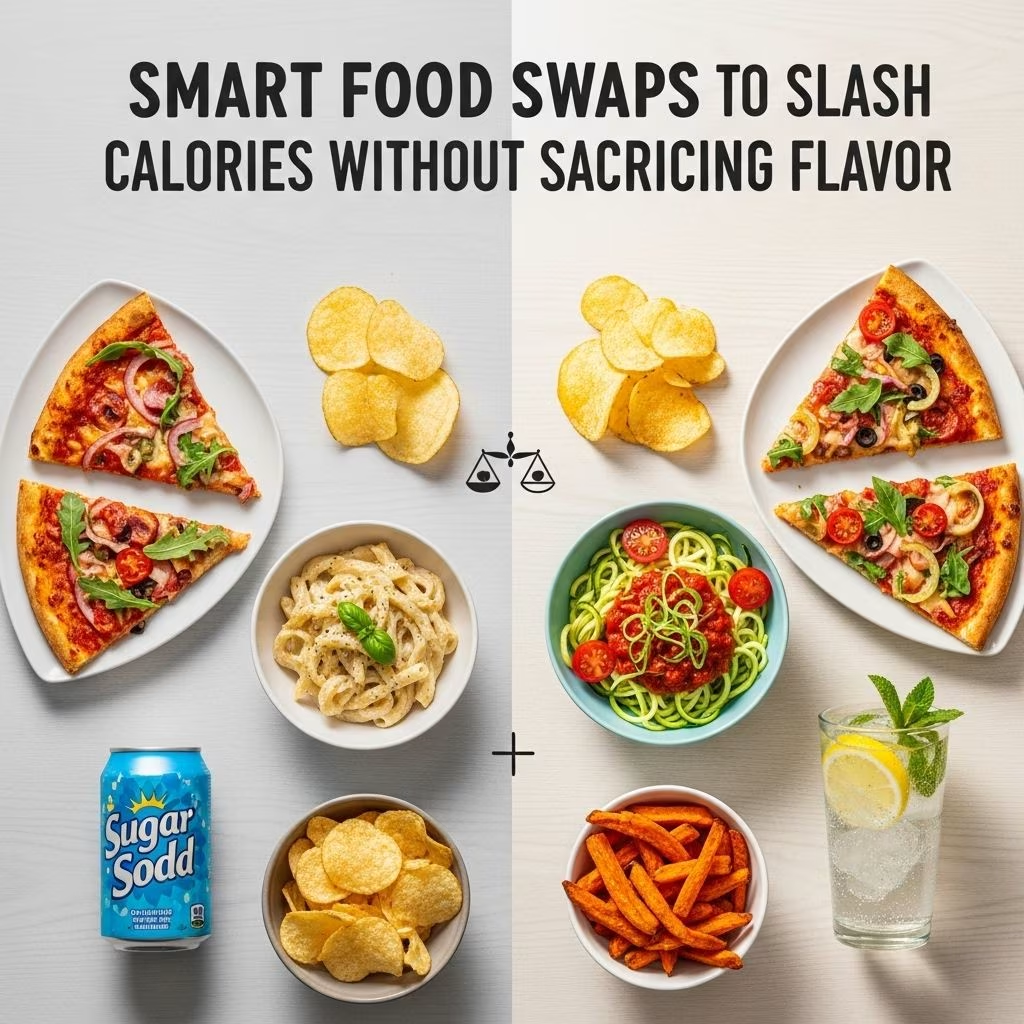
Smart Food Swaps to Cut Calories Without Sacrificing Flavor
Weight loss doesn’t have to mean giving up the foods you love. By making simple, strategic swaps in your day-to-day eating habits, you can slash hundreds of calories, save money, and boost your health—all without feeling deprived. This guide outlines practical food alternatives, explains their calorie and cost benefits, and provides expert-approved tips for long-term success.
Why Make Food Swaps for Weight Loss?
- Calorie reduction: Subtle changes to meals and snacks can lead to significant calorie savings, helping you shed pounds safely and sustainably.
- Nutritional boost: Many swaps increase your intake of vital nutrients like fiber, vitamins, and healthy fats.
- Satisfying choices: Swapping doesn’t mean bland or boring; choosing whole, fresh foods can add flavor and satiety.
- Cost savings: Healthier alternatives are often less expensive, especially when you buy in bulk or whole.
1. Crunchy Snack Swap: Pita Chips vs. Bell Pepper Strips
Pita chips are marketed as a healthier alternative to traditional chips, yet even baked varieties pack the calories—about 130 for just 10 chips, along with unnecessary fat. By swapping these for fresh bell pepper strips, you:
- Shed roughly 100 calories per snack.
- Gain a hefty dose of vitamin C and fiber, enhancing satiety and nutrition.
- Save cash: Peppers cost as little as $1 each compared to $3+ for a bag of chips (monthly savings: $8).
Tip: Pair bell pepper strips with hummus for a filling, flavorful dip that’s low in calories and high in nutrients.
2. Ditch Bagged Popcorn for Air-Popped Kernels
Bagged popcorn offers whole grain goodness, but even the plain versions contribute 65 calories per cup—double the calories of air-popped kernels (just 30 calories per cup). Making popcorn from scratch allows you:
- To control salt and fat—ideal for blood pressure management.
- Eat twice the amount for the same calorie count.
- Save up to $3.25 per swap (up to $13 per month).
Customize with spices like smoked paprika, garlic powder, or nutritional yeast for extra flavor without extra calories.
3. Convenience Cost: Pre-Cut Produce vs. Whole Produce
Pre-cut fruits and vegetables provide convenience, but also come with hidden costs—sometimes up to eight times more than buying whole. Not only are whole items cheaper, but they’re also more nutritious. Studies show whole produce contains more vitamin C than pre-cut versions and retains parts often discarded (like broccoli stalks or squash seeds).
- Whole produce offers better taste and freshness.
- You can repurpose all parts (e.g., broccoli stalk soup, roasted squash seeds).
- Potential monthly savings: Up to $20 depending on produce and frequency of purchase.
Tip: Dedicate some time each week to chop and portion produce—it’s worth the extra effort for health and budget.
4. Calorie-Saving Beverage Swaps
Drinks are a hidden source of extra calories. By switching to smarter alternatives, you cut hundreds of calories at every meal.
| Instead of… | Choose… | Calories Saved |
|---|---|---|
| 16 oz latte | 12 oz fat-free latte | 120 |
| 16 oz soda | Water with a squeeze of lemon | 180 |
| 16 oz Iced Mocha Frappuccino | 16 oz iced coffee with fat-free milk | 270 |
| Sweetened iced tea | Iced tea with citrus | 30 |
| Juice | Half juice, half sparkling water | 60 |
| Full wine/beer | Half portion with sparkling water/light beer | 50-100 |
Choosing water or sparkling alternatives not only trims calories but also supports better hydration.
5. Dairy and Egg Alternatives for Lean Eating
Dairy and eggs energize meals but can add calories quickly. Consider these swaps:
- Cheddar cheese: Use a tablespoon of Parmesan instead of 1/4 cup grated cheddar—saves 90 calories.
- Full-fat dairy: Opt for fat-free versions or reduce portion size to save up to 100 calories per serving.
Switching to plain Greek yogurt or cottage cheese over flavored, high-sugar varieties further cuts calories and boosts protein.
6. Sandwich Transformation: Salad Base Instead of Bread
Traditional sandwiches—two slices of bread plus mayonnaise—can tally up to 550 calories. Making your sandwich on a salad base instead (with lean protein, vegetables, and a light dressing):
- Slashes total calories—potentially saving 500+ per meal.
- Increases fiber, vitamins, and water content for longer-lasting fullness.
Try wrapping lean turkey, chicken, or tofu in large lettuce leaves for maximum crunch and minimal calories.
7. Protein Swap: Prime Rib vs. Sirloin Steak
Restaurant cuts of beef vary dramatically in calorie count. A 16-ounce prime rib can have 1,400 calories, while a sirloin steak delivers just 700. For best results:
- Choose smaller cuts like filet mignon—9 ounces averages 450 calories.
- Stick with lean meats and trim visible fat before cooking.
Switching out fatty cuts is one of the fastest ways to reduce calories while still enjoying satisfying, protein-rich meals.
8. Time Savers: Eat Slower & Box Half Your Meal
- Put your fork down between bites: Eating slowly can help save up to 300 calories per meal. This simple habit increases awareness of fullness signals and prevents overeating.
- Request half your restaurant meal to be boxed up before it arrives: On average, you’ll save about 750 calories—restaurants often serve double the recommended portion size.
Mindful eating practices help you savor your food and reinforce your body’s natural hunger cues.
9. Sleep Your Way Slimmer
- Getting 7 to 8 hours of sleep per night can help you automatically consume 300 fewer calories per day. Lack of sleep increases cravings—especially for sweets—and reduces your motivation to exercise.
- Rested bodies burn calories more efficiently, supporting your weight loss efforts.
10. Additional Easy Food Swaps for Everyday Success
- Whole grains instead of refined: Swap white bread/pasta/rice for whole grain versions to increase fiber and save calories.
- Nut butters for spreads: Use almond or peanut butter on toast instead of high-fat butters or creams. Choose unsweetened versions for extra calorie savings.
- Fruit for dessert: Replace baked goods with fresh fruit—satisfying sweetness with fewer calories and more phytonutrients.
- Baked, grilled, or steamed over fried: Change your cooking method to further cut calories and unhealthy fats.
11. Shopping Savvy: Optimize Your Grocery Cart
- Buy in bulk: Whole grains, beans, and fresh produce tend to be less expensive and more filling.
- Opt seasonal: Seasonal fruits and vegetables save money and improve taste.
- Grow your own: Herbs, lettuce, and tomatoes can be easily cultivated on a windowsill, increasing flavor and reducing costs.
FAQs: Frequently Asked Questions About Food Swaps
Q: Can I cut calories without feeling hungry?
A: Yes. By swapping processed, low-nutrient foods for those high in fiber, lean protein, and water (like vegetables and fruits), you increase fullness and reduce overall calorie intake.
Q: Are food swaps effective for long-term weight loss?
A: Food swaps are highly effective because they focus on sustainable habits rather than short-term diets, helping you make healthier decisions without feeling deprived.
Q: How can I make food swaps work for my family?
A: Involve family members in choosing and preparing swaps. Offer a variety of colorful vegetables or fruits for snacks. Experiment with new recipes together to find favorites.
Q: Which swaps are best for saving money?
A: Moving from packaged snacks and pre-cut produce to whole fruits, vegetables, and making meals at home dramatically reduces both calories and costs.
Key Takeaways
- Simple food swaps can slash hundreds of calories daily and boost nutrition.
- Many swaps save money, making healthy eating accessible to everyone.
- Sustainable weight loss comes from small, lasting changes—not drastic restrictions.
Try These 10 Quick Food Swaps Today
- Bell pepper strips for pita chips
- Air-popped popcorn for bagged popcorn
- Whole produce for pre-cut
- Lettuce wraps or salads for sandwiches
- Fat-free dairy for full-fat
- Sirloin steak for prime rib
- Sparkling water for soda
- Parmesan cheese for cheddar
- Fruit for baked desserts
- Home-cooked for restaurant meals
Start small, choose swaps that fit your tastes and budget, and reap the rewards of healthier eating with minimal effort.
References
- https://www.prevention.com/weight-loss/a20456544/grocery-swaps-for-weight-loss/
- https://www.prevention.com/weight-loss/g20508490/20-ways-to-cut-500-calories-a-day/
- https://www.prevention.com/weight-loss/a20429152/eat-for-a-slim-belly/
- https://www.prevention.com/weight-loss/a20449716/food-swaps-to-cut-calories/
- https://www.prevention.com/weight-loss/g20432475/15-ways-to-cut-hundreds-of-empty-calories-a-day/
- https://www.prevention.com/weight-loss/g27323543/low-calorie-snacks/
- https://www.prevention.com/weight-loss/g20496527/15-weight-loss-foods/
- https://www.prevention.com/food-nutrition/g41055022/low-calorie-meals/
- https://www.prevention.com/weight-loss/g20435433/100-ways-to-cut-100-calories/


