


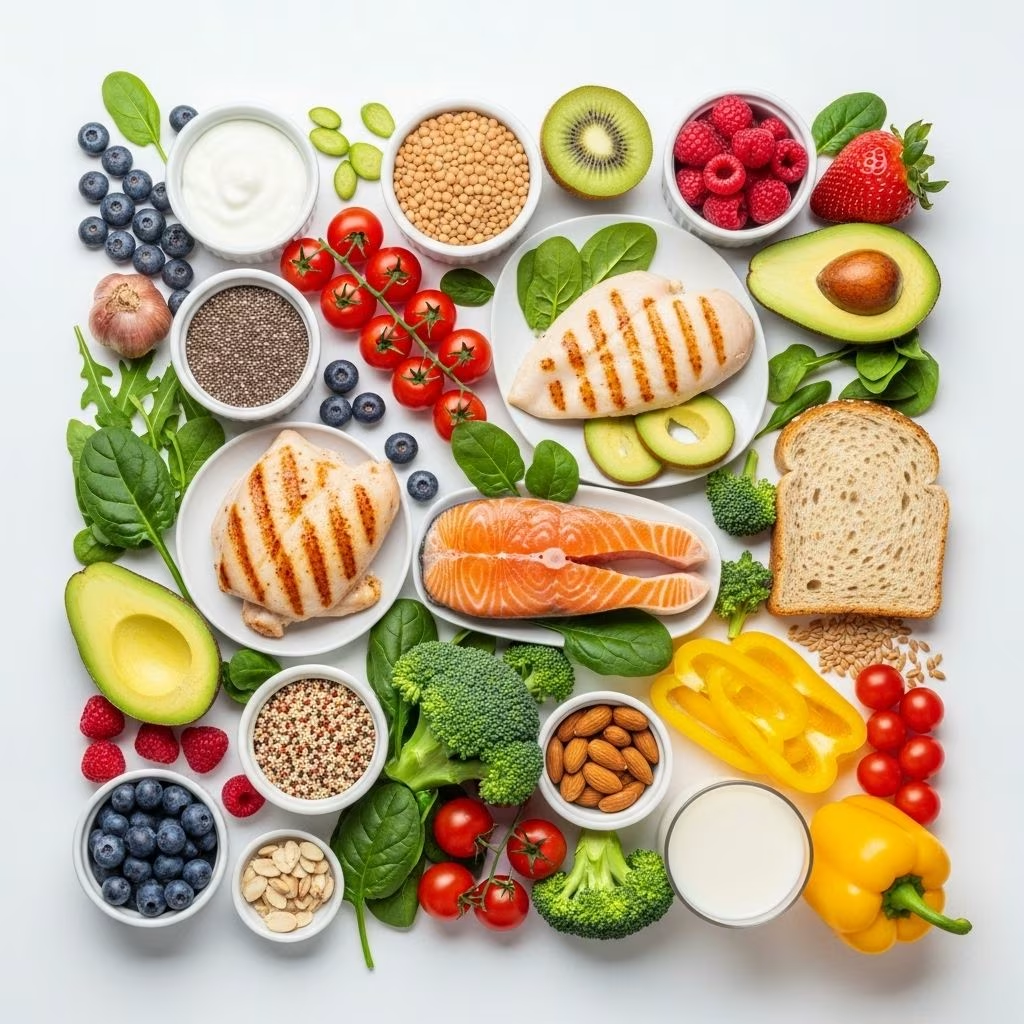
When it comes to sustainable weight loss and cardiovascular wellness, focusing on low-fat foods can be both a healthy and satisfying strategy. Not only are these foods generally lower in calories, but the best options are also rich in essential nutrients, fiber, and protein—which help keep you full and energized while supporting your overall health. Here, you’ll discover 25 of the top dietitian-approved low-fat foods, along with expert insights on making the most of a low-fat approach.
What Is a Low-Fat Food?
A food is typically considered low-fat if no more than 30% of its calories come from fat, or if it contains 3 grams or less of fat per 100 calories. Examples include most fruits, vegetables, beans, lean poultry, and low-fat dairy. Consuming these choices may help reduce cholesterol and lower the risk of cardiovascular disease, especially when they replace sources of trans and saturated fats in your diet.
Benefits of Eating Low-Fat Foods
- Weight management: Lower overall calories while maintaining meal satisfaction.
- Heart health: Decreased saturated fat intake supports healthy cholesterol and reduced cardiovascular risk.
- Improved digestion: Many low-fat foods are high in dietary fiber, aiding in digestive health.
- Nutrient density: Low-fat foods like fruits, veggies, beans, and whole grains are often rich in vitamins, minerals, and antioxidants.
How to Structure a Low-Fat Diet
A quality low-fat diet centers on:
- Plenty of vegetables and fruits
- Whole grains and legumes
- Lean protein sources like poultry, fish, and plant-based options
- Low-fat dairy products
It’s important to avoid swapping fat for added sugars or highly refined starches, which can undermine your health despite lower fat content.
25 Top Low-Fat Foods to Include in Your Diet
Below are the best low-fat foods—delicious, versatile, and perfect for building a balanced, heart-healthy plate.
1. Spinach
This leafy green is virtually calorie-free—less than 7 calories per cup—yet loaded with vitamins K, folate, manganese, and magnesium. It’s high in fiber, antioxidants, and can be added raw to salads, blended into smoothies, or gently wilted into soups and pasta.
2. Celery
With just 6 calories per stalk, celery brings crunch, hydrating power, and digestion-boosting fiber. Enjoy it whole to maximize fiber; add it to salads or pair with a low-fat dip for a healthy snack.
3. Oatmeal
Oatmeal provides about 83 calories per half cup (cooked) and is rich in fiber and protein compared to other grains. Its soluble fiber can help you feel fuller for longer while contributing to lower cholesterol levels.
4. Romaine Lettuce
Swap out bread or wraps for romaine lettuce—each cup has only 8 calories. It’s a good source of vitamins A and C for skin and immune health, ideal for salads or lettuce wraps.
5. Radishes
These crunchy, spicy root veggies contain about 10 calories per serving and are rich in antioxidants like vitamin C. Sliced radishes make a delicious, low-fat alternative to potato chips.
6. Black Beans
At 109 calories per half cup, black beans are a top pick for plant-based protein and fiber. They’re filling, help stabilize blood sugar, and promote heart health when chosen without added salt.
7. Chicken Breast
Grilled, skinless chicken breast is a lean protein staple, with just 128 calories per serving. It’s a great source of selenium, vital for immune and thyroid function, as well as high-quality protein.
8. Lentils
Lentils offer both protein and fiber with minimal fat. They’re great for heart health, help stabilize blood sugar, and are incredibly versatile in soups, stews, and salads.
9. Broccoli
Loaded with fiber, vitamin C, and phytonutrients, broccoli’s fat content is negligible, yet it’s filling and adds volume to plates. Steam, roast, or stir-fry for a nutritious boost.
10. Fat-Free Greek Yogurt
This dairy option is high in protein, low in fat, and a good source of calcium and probiotics. Enjoy it plain, stir into smoothies, or top with fruit.
11. Cucumber
With high water content and nearly zero fat, cucumber is crisp and refreshing. Slice into salads, add to sandwiches, or use as edible scoops for dips.
12. Tomatoes
Tomatoes are low in calories and fat, yet packed with vitamin C, potassium, and the antioxidant lycopene. Enjoy fresh in salads or roasted for more flavor.
13. Strawberries
These sweet berries provide vitamin C, fiber, and antioxidants with minimal sugar and essentially no fat. Snack on them fresh or add to yogurt and oatmeal.
14. White Fish (Cod, Haddock, Pollock)
Compared to fatty fish, these varieties are exceptionally low in fat but still good protein sources. Steam, bake, or grill for a light, satisfying meal.
15. Egg Whites
Egg whites are almost pure protein and fat-free, ideal for omelets or as a topper for bowls and stir-frys. They contain essential amino acids without saturated fat.
16. Chickpeas
Chickpeas provide protein, iron, and fiber with relatively little fat. Enjoy roasted as a snack, blended into hummus, or tossed in salads.
17. Apples
Apples are rich in soluble fiber, vitamin C, and unique antioxidants; they’re also low in calories and entirely fat-free. A smart, portable snack.
18. Oranges
Oranges and citrus fruits in general are high in vitamin C and fiber, providing flavor and satiety with almost no fat.
19. Fat-Free or Low-Fat Milk
These dairy choices offer protein and calcium with only a fraction of the fat of whole milk. They’re great in cereals, smoothies, or as a recovery drink post-workout.
20. Mushrooms
Mushrooms are very low in calories and fat but filled with flavor and nutrients such as B vitamins and selenium. Sauté, grill, or roast as a savory side or meat replacement.
21. Quinoa
This whole grain is a good source of plant protein, naturally low in fat, and rich in minerals like magnesium and iron. Use it as a staple grain for bowls, salads, or pilafs.
22. Zucchini
Zucchini is low in calories and fat, packed with water and fiber, and can be grilled, spiralized, or baked into a variety of meals.
23. Blueberries
Packed with antioxidants and fiber, blueberries are a tasty fat-free fruit you can add to smoothies, yogurt, or cereal.
24. Carrots
High in vitamin A, carotenoids, and fiber, carrots are crunchy and sweet, perfect raw or roasted.
25. Arugula
This peppery green is virtually fat-free and enhances the flavor and nutrient profile of salads, sandwiches, and wraps.
Sample Low-Fat Day: Meal Planning Ideas
- Breakfast: Oatmeal topped with strawberries and a scoop of fat-free Greek yogurt.
- Lunch: Spinach salad with grilled chicken breast, cherry tomatoes, radishes, and balsamic vinegar.
- Snack: Sliced cucumbers and carrots with hummus.
- Dinner: White fish fillet with steamed broccoli, quinoa, and roasted zucchini.
Potential Pitfalls and Tips for Success
- Don’t substitute fat with added sugars: Processed low-fat foods are often high in refined carbs that can spike blood sugar.
- Prioritize unprocessed foods: Base your diet on whole ingredients instead of packaged ‘diet’ snacks.
- Choose the right fats: When including fat, select sources like nuts, seeds, olive oil, or fatty fish for heart-protective benefits.
- Check serving sizes: Even healthy foods can become calorie-dense if portions are excessive, especially beans and grains.
The Truth About Fats: Which to Avoid, Which to Include
| Fat Type | Examples | Health Impact |
|---|---|---|
| Saturated Fat | Red meat, butter, cheese Processed foods | Raises LDL cholesterol; increase your risk of heart disease. |
| Trans Fat | Fried foods, margarine, packaged snacks | Strongly raises LDL and lowers HDL; avoid completely. |
| Monounsaturated Fat | Olive oil, avocado, nuts | May lower LDL and protect heart health. |
| Polyunsaturated Fat | Fatty fish, walnuts, sunflower seeds | Supports heart and brain health; beneficial in moderation. |
Expert Tips for a Healthy Low-Fat Diet
- Be mindful when dining out: Request grilled, baked, or steamed dishes, and ask for sauces and dressings on the side.
- Build your plate around vegetables: Use vegetables as the base for meals and snacks to boost volume and nutrients without added fat.
- Add lean proteins: Incorporate beans, skinless poultry, legumes, and fish to satisfy hunger while keeping meals low in fat.
- Limit processed low-fat options: Many are high in sugar or sodium—choose whole foods for the best health impact.
Frequently Asked Questions (FAQs)
Q: Are all fats bad for me?
A: No. Monounsaturated and polyunsaturated fats, such as those from olive oil, avocados, nuts, and fatty fish, can support heart and brain health. Limit saturated and trans fats, which are linked to higher LDL cholesterol and heart disease risk.
Q: Can a low-fat diet help lower cholesterol?
A: Yes. Replacing saturated and trans fats with more plant foods, whole grains, and lean proteins can help lower LDL cholesterol and support cardiovascular wellness.
Q: Is it unhealthy to remove all fats from my diet?
A: Completely eliminating fats is not recommended. Fats are essential for absorbing vitamins A, D, E, and K and for cell function. Focus on moderation and the type of fats rather than excluding them entirely.
Q: How can I make my low-fat meals more flavorful?
A: Use fresh herbs, citrus juice, spices, vinegar, and naturally flavorful low-fat ingredients like tomatoes and mushrooms to add zest without added fat.
Q: Are processed low-fat foods healthy?
A: Not always. Many processed low-fat foods compensate for lost flavor with added sugars, refined starches, or salt. Opt for whole, minimally processed foods for the best benefits.
Final Thoughts
Choosing the right low-fat foods can make eating for weight loss and overall heart health both enjoyable and effective. Focus on vegetables, fruits, whole grains, lean proteins, and low-fat dairy—while limiting processed foods and unhealthy fats. With creativity and the right knowledge, your meals can be both delicious and aligned with your wellness goals.
References
- https://www.prevention.com/food-nutrition/g20428211/25-ridiculously-low-calorie-foods/
- https://www.ncbi.nlm.nih.gov/books/NBK553097/
- https://med.stanford.edu/news/insights/2019/03/a-skeptical-look-at-popular-diets-the-lowdown-on-low-carb-3.html
- https://www.prevention.com/food-nutrition/a65477044/best-foods-to-eat-for-cholesterol/
- https://www.prevention.com/food-nutrition/a20481815/how-much-fat-should-i-eat-daily/
- https://www.prevention.com/food-nutrition/healthy-eating/a65664887/ultra-processed-foods-weight-loss-gut-health-study/
- https://www.prevention.com
- https://www.prevention.com/food-nutrition/healthy-eating/
- https://www.ahajournals.org/doi/10.1161/01.CIR.98.9.935
- https://www.prevention.com/food-nutrition/a43730219/mediterranean-diet-can-lower-risk-of-type-2-diabetes-study/


