


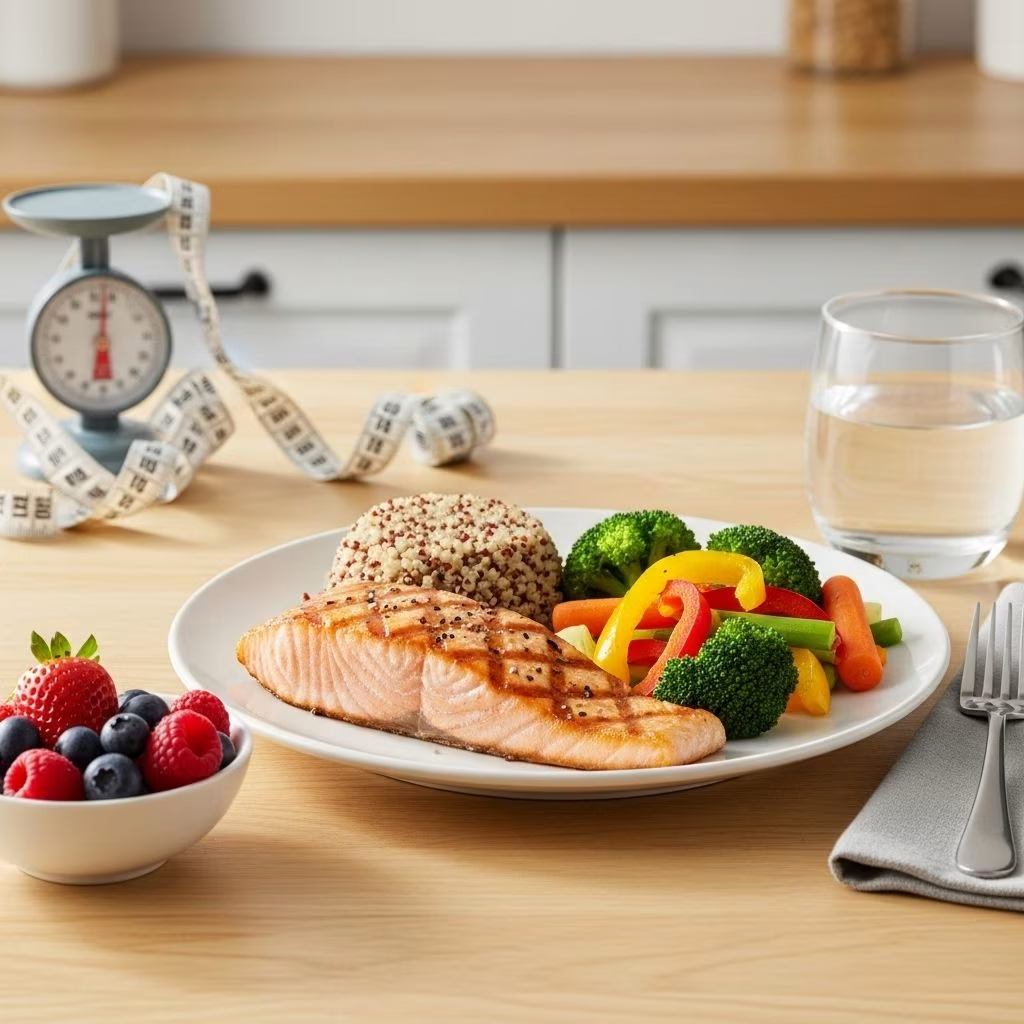
Losing weight is not just about cutting calories—it’s about developing smarter and sustainable eating habits. The following science-backed strategies are designed to help you reach your weight loss goals and maintain a healthier lifestyle, without feeling deprived or overwhelmed. Explore practical tips, real-food solutions, and new ways to look at your eating routine for lasting results.
1. Review Your Portions
Portion control is one of the most effective ways to manage calorie intake and prevent overeating. Many people unintentionally consume more calories than they realize simply because of large portion sizes, whether at home or while dining out.
- Use smaller plates and bowls to visually trick your brain into feeling satisfied with less food.
- For balanced meals, use these portion guidelines:
- Dense carbs: About a clenched fist (roughly 1 cup)
- Lean protein: Palm-sized (about 4 ounces)
- Healthy fats: Around 2 tablespoons (avocado, olive oil, nuts)
- Vegetables: Fill the rest of your plate with colorful veggies
- At restaurants, consider sharing appetizers, ordering a small salad, or immediately boxing half your meal before you start eating.
Being intentional about your portions can help prevent overeating and make it easier to stay aligned with your health goals.
2. Don’t Skip Meals
Although it might seem logical to cut calories by skipping meals, this approach often backfires. Skipping meals can lead to intense hunger, making you more likely to snack mindlessly or overeat at your next opportunity. Setting a consistent eating routine is more beneficial for energy levels and overall calorie control.
- Aim for three regular meals per day, with controlled portions.
- Eating regularly keeps your appetite in check, reduces cravings, and makes it less likely that you’ll binge later.
- If hunger strikes between meals, choose nutrient-dense snacks rich in fiber or protein.
3. Eat More Fiber
Fiber plays a critical role in weight management and overall health. It acts as a natural appetite suppressant, expands in your stomach to promote fullness, and supports beneficial gut bacteria that regulate appetite hormones.
- Target at least 25 grams of fiber daily from varied sources.
- High-fiber foods: whole grains, beans, lentils, fruits, vegetables, nuts, and seeds.
- Consuming fiber with every meal helps control hunger and reduces the risk of overeating.
4. Load Up on Protein
Protein is more satiating than fats or carbohydrates, making it an important nutrient for weight loss. It takes longer to digest and supports the body’s production of satiety hormones, reducing the urge to snack soon after a meal. Additionally, protein requires more energy to metabolize, slightly increasing calorie expenditure.
- Aim for 20 grams of protein or more per meal.
- Excellent protein sources: lean poultry (chicken, turkey), fish, eggs, low-fat dairy, beans, tofu, and legumes.
- Incorporate protein into snacks, such as Greek yogurt, cottage cheese, or nut butter on whole grain toast.
5. Have Plenty of Healthy Fats
Including the right types of fats in your diet can help keep you feeling satisfied and prevent blood sugar spikes and crashes. Healthy fats support heart and brain health as well.
- Choose monounsaturated and polyunsaturated fats such as olive oil, avocado, nuts, seeds, and oily fish like salmon.
- Fats take longer to digest, helping you stay full between meals.
- According to dietary guidelines, healthy fats should make up about 20–35% of your daily calorie intake.
6. Balance Out Your Carbohydrates
Carbohydrates are often unfairly demonized in popular diets, but they are an essential source of energy and nutrients. The key is to focus on the quality and quantity of carbs, balancing them with protein and fat for optimal satiety and energy.
- Carbohydrates should make up 45–65% of your daily caloric intake, per dietary guidelines.
- Prioritize whole-grain, minimally processed carbs such as brown rice, quinoa, oats, fruits, and starchy vegetables.
- Pair carbs with protein or fat to slow digestion and avoid blood sugar spikes.
7. Cut Down on Sugar
Added sugars often hide in processed foods and beverages, contributing unnecessary calories and little nutritional value. High sugar intake is also linked to weight gain, blood sugar swings, and increased cravings.
- Review nutrition labels and aim to minimize foods with added sugars—including desserts, sweetened beverages, and processed snacks.
- One packet of sugar is about 4 grams; visualizing this can help you gauge how much sugar you’re truly consuming.
- If you love dessert, savor a small portion mindfully instead of eliminating sweets entirely.
8. Preload Before Meals
Consuming a small, protein-rich snack before major meals (like dinner out) can help curb excessive hunger and reduce total calorie intake during the meal.
- Examples: a whey protein shake or an apple with string cheese.
- Preloading with about 200 calories, including at least 15 grams of protein, can help control your appetite.
- This tactic is particularly useful before grocery shopping or attending food-focused events.
9. Listen to Your Hunger and Fullness Cues
Developing mindfulness around hunger and fullness can help you avoid eating out of boredom, stress, or habit. By tuning in to your body’s signals, you maintain better control over your eating habits.
- Eat before you become ravenous and stop once you’re satisfied—not overly full.
- Picturing a gas tank in your mind may help: avoid letting your hunger drop to ‘empty’ or rise to ‘overfull’.
10. Chew Food Thoroughly
Eating slowly and chewing food thoroughly increases feelings of fullness and satisfaction, which lowers total intake.
- Aim for at least 20–40 chews per bite, as studies show that more thorough chewing can decrease calorie intake by up to 12% per meal.
- Slower eating also enhances your appreciation of flavors and textures.
11. Practice Mindful Eating
Mindful eating involves paying attention to your meal, savoring every bite, and minimizing distractions. This practice strengthens the connection between your mind and body, making it easier to recognize when you’re truly hungry or full.
- Eat like a food critic—notice flavors, textures, and even the origin of your ingredients.
- Avoid eating in front of screens, which can lead to mindless overeating.
12. Plan Your Grocery Trips
Your environment influences your eating choices. Shopping when hungry can lead to impulsive, high-calorie purchases, while planning ahead sets you up for healthier meals and snacks throughout the week.
- Shop after eating, ideally in the morning or after breakfast.
- Always bring a shopping list and stick to it to avoid impulse buys.
- Stock your kitchen with a variety of healthy, convenient options for meals and snacks.
13. Rethink Your Beverages
Calories from beverages—especially sugary drinks and alcohol—can add up quickly without contributing to satiety.
- Opt for water, unsweetened tea, or black coffee instead of sodas and sweetened coffees.
- Limit alcoholic beverages as they provide calories with little nutritional value and may lower inhibitions, leading to overeating.
- When possible, infuse water with fruit or herbs for added flavor without added sugar.
Table: Macronutrient Recommendations for Weight Loss
| Macronutrient | Recommended Range (% of calories) | Key Sources |
|---|---|---|
| Protein | 10–35% | Fish, chicken, turkey, eggs, low-fat dairy, legumes |
| Carbohydrates | 45–65% | Whole grains, fruits, vegetables, starchy vegetables |
| Fats | 20–35% | Olive oil, avocado, nuts, seeds, fatty fish |
| Fiber | 25g+ daily | Legumes, whole grains, fruits, vegetables, nuts |
Frequently Asked Questions (FAQs)
Q: Do I have to cut out all carbs to lose weight?
A: No, carbohydrates are an important energy source and can be included as part of a balanced diet. Focus on minimally processed, whole-grain carbs and pair them with protein or fat to enhance fullness.
Q: What’s a healthy portion size for weight loss?
A: Use your hand as a guide: palm for protein, fist for carbs, thumb for fats, and fill the plate with non-starchy vegetables. Adjust portions based on your calorie needs and level of activity.
Q: Are healthy fats okay if I’m trying to lose weight?
A: Yes, healthy fats from sources like avocado, olive oil, nuts, seeds, and fatty fish are beneficial. They promote satiety and support overall health. Just be mindful of portions as fat is calorie-dense.
Q: Can I still enjoy desserts?
A: Yes, you can have dessert in moderation. Practice mindful eating—savor small servings and enjoy them slowly to satisfy your cravings without derailing your progress.
Q: Is fiber important for weight loss?
A: Absolutely. Fiber increases satiety, supports digestive health, and helps regulate hunger hormones. Make sure to get fiber from fruits, vegetables, legumes, and whole grains every day.
References
- https://www.prevention.com/weight-loss/a30188568/lose-weight-without-exercise-0/
- https://www.prevention.com/weight-loss/a43905863/lose-weight-safely/
- https://www.prevention.com/weight-loss/a20455692/how-to-eat-less-effortlessly/
- https://www.prevention.com/weight-loss/diets/g20440614/25-best-weight-loss-tips-ever/
- https://www.prevention.com/weight-loss/
- https://www.prevention.com/weight-loss/diets/a63174975/best-diets-for-weight-loss-2025/
- https://www.prevention.com/weight-loss/a20450333/eating-strategies-to-help-you-lose-weight/
- https://www.prevention.com/weight-loss/a20465042/lose-weight-over-40/
- https://www.prevention.com/weight-loss/g24805401/fat-burning-foods/
- https://www.prevention.com/weight-loss/a20447545/unconventional-weight-loss-strategies-that-work/


