


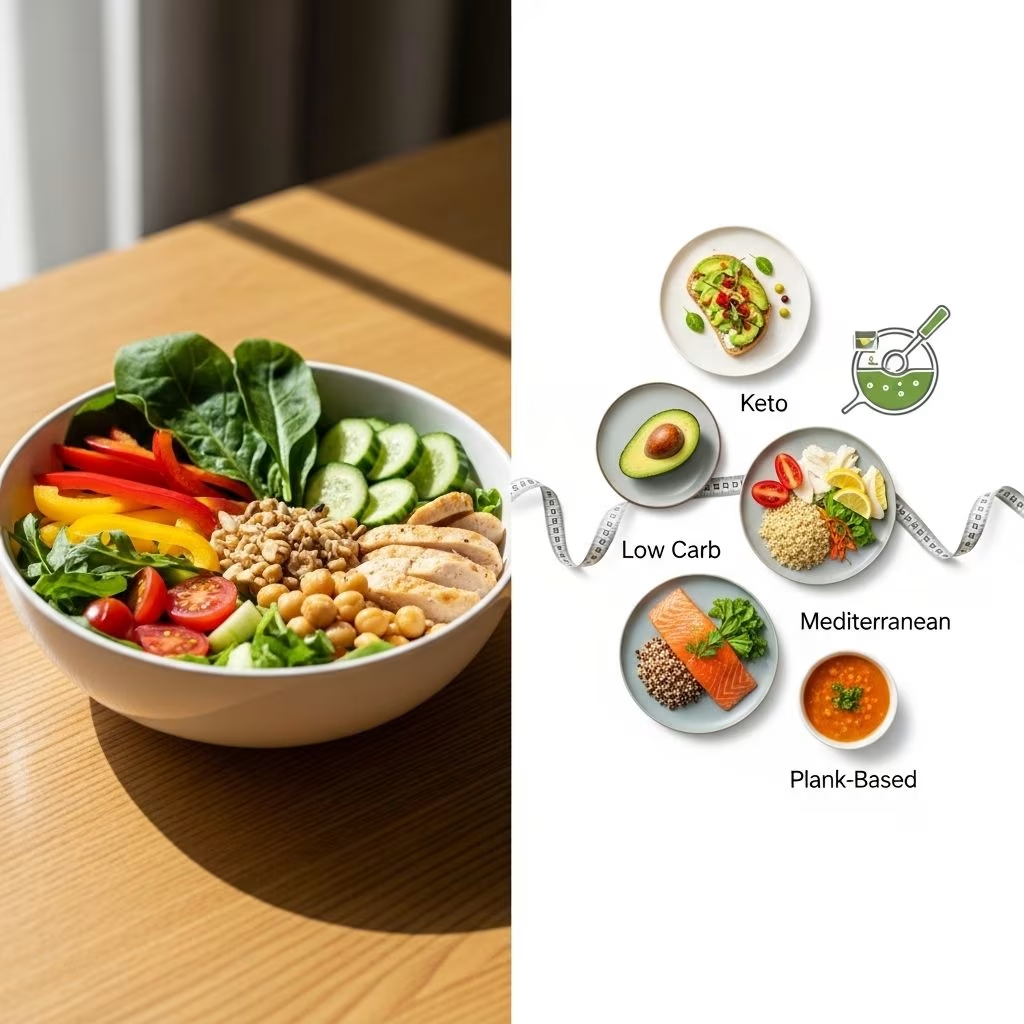
Healthiest Weight Loss Tips from Popular and Fad Diets
Losing weight remains a goal for millions of people, but navigating the world of diets—both popular and fad varieties—can be overwhelming. This guide synthesizes the healthiest, most sustainable weight loss strategies from leading experts and medical research. From the Mediterranean and DASH diets to advice on what foods to avoid and how to keep progress on track, this comprehensive resource unveils practical tips to achieve your goals without sacrificing your health.
Understanding Sustainable Weight Loss
Before tackling specific diets, it’s vital to know the principles behind healthy weight loss. Experts unanimously agree: the most effective approaches blend balanced nutrition, moderate activity, and positive habits rather than extreme restrictions or quick fixes.
Key characteristics of a sustainable weight loss plan include:
- Balanced, nutrient-dense foods: Emphasizing whole grains, lean proteins, healthy fats, fruits, and vegetables.
- Gradual progress: Avoiding any diet that promises rapid weight loss, as these are often unsustainable or unhealthy.
- Support and accountability: Seeking community support or professional guidance can improve adherence and results.
The Best Diets for Healthy Weight Loss
Among the multitude of diets available, certain evidence-based approaches stand out for their long-term results and positive health outcomes.
Mediterranean Diet
The Mediterranean Diet is widely acclaimed for promoting overall health and steady weight loss. It centers on:
- Lean meats and fish
- Limited red meat intake
- Abundant fruits, vegetables, whole grains, and healthy fats (olive oil, nuts)
- A focus on herbs, spices, and plant-based meals
Benefits include reduced risk of chronic diseases, improved heart and brain function, and lower inflammation.
DASH Diet
The DASH (Dietary Approaches to Stop Hypertension) Diet targets cardiovascular health while supporting weight loss. It promotes:
- Fruits, vegetables, whole grains, lean meats
- Minimal sodium (1500–2300 mg per day)
- Low-fat dairy and heart-healthy fats
Clinical trials affirm the DASH Diet’s effectiveness for weight control and lowering blood pressure, especially when paired with increased physical activity.
Choosing the Right Diet: Tips and Considerations
Not every weight loss plan fits all lifestyles or medical needs. If you’re considering a diet, experts recommend:
- Variety and flexibility: Diets should include all major food groups and allow for occasional treats.
- Personalization: Consider health conditions, allergies, and preferences.
- Avoiding detoxes: “Detox” products can interfere with the body’s natural processes and cause health issues.
- Pace yourself: Extreme calorie restrictions result in rebound weight gain and a slower metabolism.
- Whole foods over processed: Highly processed diet foods often lack nutrients and fiber needed for health.
Expert Nutrition Tips for Weight Loss
Leading nutritionists and dietitians emphasize simplicity and mindfulness for consistent success:
- Focus on what you should eat: Give attention to wholesome foods you love rather than foods to avoid.
- Choose whole foods: Whole foods promote satiety and provide essential nutrients for health.
- Physical activity: Aim for at least 150 minutes of moderate exercise per week, blending cardio, strength training, and core work. Tracking activity boosts accountability and results.
- Hydration: Drink plenty of water each day; adequate hydration aids metabolism and satiety.
Foods That Support Weight Loss
Eating the right foods can be as important as the diet you follow. The best fat-burning foods share key characteristics: they’re high in fiber or water, low in unwanted additives, and provide steady energy.
- Whole grains: Quinoa, brown rice – high fiber and protein, helping you feel full longer.
- Lean proteins: Chicken, turkey, salmon, lean beef – boost muscle growth and require more energy to digest.
- Fresh fruits and vegetables: Nutrient-dense, high fiber, and low calorie density.
- Healthy fats: Olive oil, nuts, seeds – promote satiety and nutrient absorption.
- Limit added sugars and heavily processed foods: These hinder weight loss and promote unhealthy metabolic changes.
Balanced Meal Planning
Strategic meal planning maximizes your body’s fat burning and supports activity levels:
- Eat regular, balanced meals: Prevent overconsumption and stabilize blood sugar levels.
- Include protein with every meal: Builds muscle and curbs appetite post-exercise.
- Time snacks to activity: Opt for a protein and carb-rich snack (such as nuts and fruit) 90-120 minutes before any workout.
Popular Diets vs. Fad Diets: At a Glance
| Type | Key Features | Pros | Cons |
|---|---|---|---|
| Mediterranean Diet | Whole foods, lean meats, healthy fats | Heart and brain health, balanced weight loss | May involve higher prep time |
| DASH Diet | Low sodium, fruits, vegetables, lean proteins | Lowers blood pressure, encourages long-term change | Requires monitoring sodium intake |
| Fad Diets (detoxes, extreme calorie deficits) | Quick results, supplements | Fast weight loss (short-term) | Unsustainable, nutrient deficiencies, rebound weight gain |
Common Pitfalls and How to Avoid Them
- Restrictive diets: Diets that eliminate entire food groups or dramatically lower calories lead to nutrient deficiencies and yo-yo weight changes.
- Unnecessary supplements and detoxes: The body has natural detox pathways; supplements rarely deliver lasting results and can cause harm.
- Focusing on ‘diet’ foods: Low-fat, low-sugar alternatives may lack nutritional value and fail to satisfy hunger.
- Obsession with forbidden foods: Constantly thinking about foods to avoid increases cravings and frustration.
FAQs: Weight Loss Diets and Healthy Habits
Q: What is the easiest, healthiest diet to follow for weight loss?
A: The Mediterranean and DASH diets are widely supported by experts for their sustainability, flexibility, and emphasis on whole foods.
Q: Should I avoid carbs or fats completely?
A: No. Instead, focus on healthy sources like whole grains, avocados, nuts, and olive oil. Eliminating food groups can cause deficiencies and negatively impact your health.
Q: Do detox diets or supplements help with weight loss?
A: Extreme detoxes and supplements are generally unnecessary and may disrupt your body’s own detoxification pathways. Opt for nutrient-rich whole foods which naturally support healthy metabolism.
Q: How can I stay motivated while losing weight?
A: Set incremental goals, track progress, seek out social support (like a diet buddy), and reward yourself with non-food treats for reaching milestones.
Q: Is exercise required for weight loss?
A: Physical activity isn’t mandatory for weight loss, but it boosts results, improves overall health, and supports mental well-being.
Expert Strategies for Lifelong Success
- Focus on whole foods: Embrace foods in their least processed form for maximum health benefit.
- Monitor progress: Use apps, journals, or support groups for accountability.
- Pace yourself: Aim for slow, steady weight loss—no more than 1–2 pounds per week.
- Enjoy the process: Experiment with new recipes, try different forms of exercise, and celebrate small victories.
Summary Table: Top Weight Loss Tips from Popular Diets
| Tip | Why It Works |
|---|---|
| Focus on whole, nutrient-dense foods | Provides satiety and essential nutrients, curbs cravings |
| Balance nutrition; avoid extreme restrictions | Reduces risk of rebound weight gain, supports long-term health |
| Stay hydrated | Aids metabolism and supports healthy appetite |
| Time snacks to activity | Optimizes energy and encourages fat burning |
| Mix exercise types for overall fitness | Combines fat loss, muscle building, and cardiovascular health |
| Avoid detoxes and highly processed foods | Prevents nutrient deficiencies and harmful side effects |
Conclusion
Weight loss success comes from a blend of balanced nutrition, regular activity, and mindful habits—never from fads or deprivation. By choosing proven diets like the Mediterranean or DASH, focusing on whole foods, and prioritizing gradual progress, anyone can achieve their goals while maintaining their health and happiness.
References
- https://www.prevention.com/health/a65401665/expert-walking-tips-weight-loss/
- https://www.prevention.com/weight-loss/diets/a63174975/best-diets-for-weight-loss-2025/
- https://www.prevention.com/weight-loss/a20498660/nutritionist-weight-loss-tips/
- https://www.prevention.com/weight-loss/g24805401/fat-burning-foods/
- https://www.prevention.com/weight-loss/diets/g20440614/25-best-weight-loss-tips-ever/
- https://www.prevention.com/weight-loss/a30188568/lose-weight-without-exercise-0/
- https://www.prevention.com/weight-loss/
- https://www.prevention.com/weight-loss/a43905863/lose-weight-safely/
- https://www.prevention.com/weight-loss/g29761485/medical-weight-loss/


