


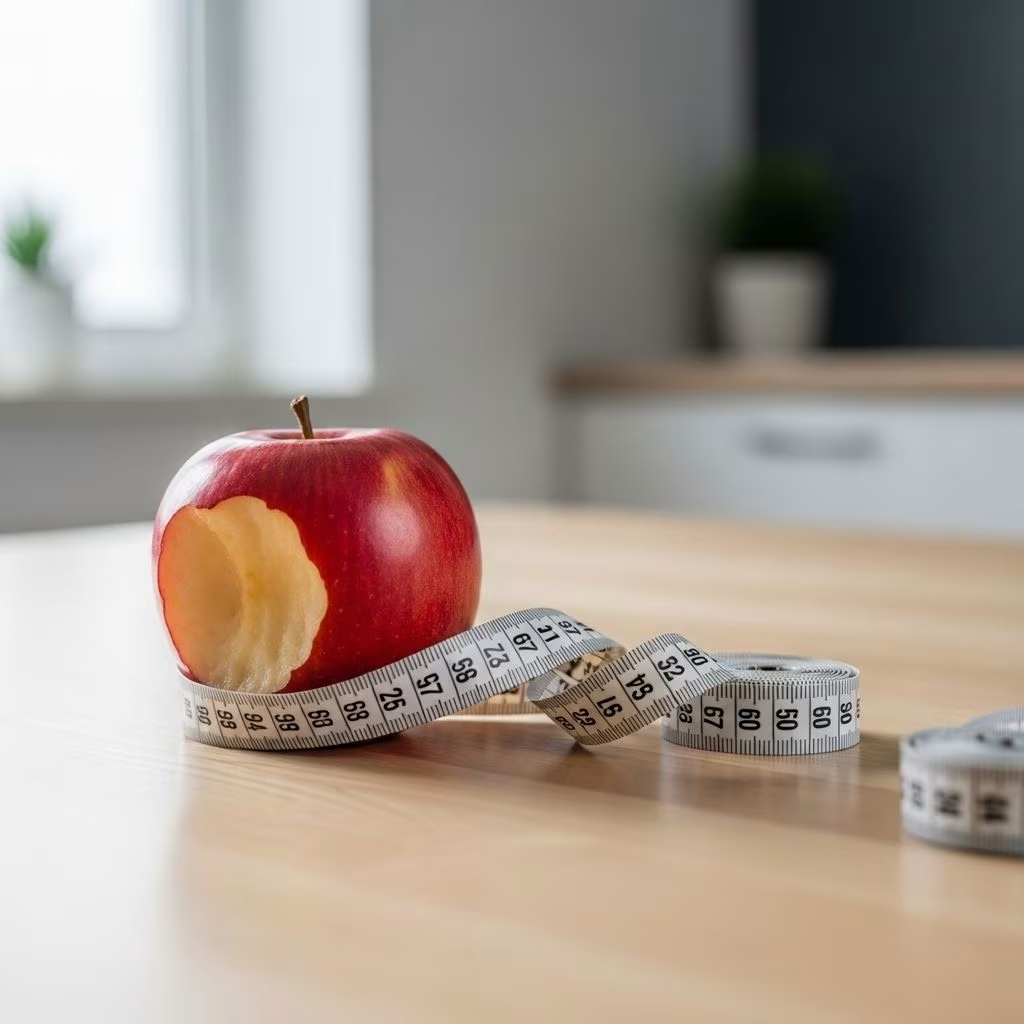
Why Not Eating Enough Can Sabotage Your Weight Loss Goals
If you’re committed to dropping pounds, you might think cutting as many calories as possible is the fastest path to success. However, eating too little can backfire, stalling your metabolism, undermining weight loss, and even risking your physical and mental well-being. This article explores why caloric restriction below healthy levels can lead to diminished results, the warning signs you’re not eating enough, and smarter strategies for lasting, sustainable fat loss.
How Extreme Calorie Restriction Affects Your Body
Most diets hinge on consuming fewer calories than you burn. While a moderate calorie deficit leads to fat loss, taking it too far — typically under 1,200 calories per day for women and 1,500 for men — sets off warning bells in your body:
- Slower metabolism: Drastically reducing intake triggers your body to conserve energy, slowing your metabolism in an effort to hold on to precious calories .
- Muscle loss: Inadequate food causes the body to break down muscle for energy, lowering the number of calories you burn at rest.
- Hormonal changes: Levels of leptin (the satiety hormone) drop, increasing hunger, while cortisol (the stress hormone) rises, which can promote fat storage.
- Nutritional deficiencies: Too few calories mean it’s hard to get enough protein, healthy fats, fiber, vitamins, and minerals needed for good health .
- Loss of fullness cues: Skipping meals or eating too little can mess with the body’s ability to sense hunger and fullness, leading to more cravings and overeating later .
Your body is programmed to resist famine — not chronic dieting. When it senses food scarcity, it hangs onto fat and stops burning energy as readily, a hardwired survival response evolved over centuries.
Key Signs You’re Not Eating Enough
How do you know if your weight-loss efforts have crossed the line from healthy discipline to counterproductive deprivation? Pay attention to these warning signals:
- Plateau or weight gain: Your weight suddenly stalls or even increases, despite eating less and exercising more.
- Constant fatigue: You feel drained physically and mentally, even after sleeping well.
- Persistent hunger: Intense hunger pangs, cravings (especially for carbs), and preoccupation with food.
- Irritability (“hangry”): Mood swings, feeling snappy, or anxious much of the day.
- Hair loss, brittle nails, or poor skin: Nutritional shortfalls show in your appearance over time.
- Frequent illness: A chronically suppressed immune system leaves you catching more colds or infections.
- Loss of menstrual cycle: For women, this is a major sign of under-nourishment and potential hormonal imbalance .
- Reduced performance in workouts: Strength and stamina decline, and recovery takes longer than before.
While some of these symptoms result from a general caloric deficit, others — especially hair loss, missed periods, or persistent exhaustion — suggest your intake is far too low for your body’s needs.
Why Eating Too Little Can Stall Weight Loss
It seems counterintuitive, but ultra-low calorie diets can actually slow — or even stop — weight loss. Here’s why:
- Metabolic slowdown: With too few calories, your resting metabolic rate drops to conserve energy, so you burn fewer calories even at rest .
- Muscle catabolism: The body turns to muscle tissue for energy when food is insufficient. Losing muscle lowers calorie burn, since muscle tissue is metabolically active .
- Stress and hormonal changes: The stress of chronic restriction activates the hypothalamic-pituitary axis, raising cortisol and stimulating fat storage, especially around the abdomen.
Over time, you feel hungrier, burn fewer calories, and are more likely to binge, regaining the lost weight — sometimes with interest. Research consistently shows that slow, moderate weight loss is more sustainable than aggressive crash dieting .
7 Surprising Reasons Your Diet Isn’t Working
If you’re not seeing results, you may be falling into common traps beyond just calorie-counting. Here are the pitfalls:
- 1. You aren’t eating enough. Metabolic adaptation to scarcity slows weight loss (see above).
- 2. You reward exercise with excess food: It’s easy to over-credit your workout and indulge post-exercise, negating the calorie deficit .
- 3. Hidden calories in ‘diet’ drinks: Artificial sweeteners may boost cravings or insulin response, which could blunt fat loss.
- 4. Social influences: Friends’ eating habits can affect your own without you realizing it.
- 5. Cutting out entire food groups: Eliminating carbs or fats can limit nutrient intake and satisfaction, leading to rebound eating.
- 6. Inconsistent habits: Skipping meals or erratically under-eating floods your body with stress hormones.
- 7. Too much focus on the wrong numbers: Obsessing over scale weight (instead of overall composition and health) can mask real progress or dangerous trends .
How to Eat Enough and Still Lose Weight: Smarter Strategies
So how do you create a calorie deficit that supports weight loss while avoiding the metabolic pitfalls of undereating? Try these science-backed approaches:
- Never skip breakfast: Eat a balanced morning meal with protein, fiber, and healthy fats within an hour of waking to jumpstart your metabolism .
- Fill half your plate with vegetables: Non-starchy vegetables provide bulk, nutrients, and fiber with few calories, keeping you fuller longer .
- Spread protein throughout the day: Include a source of lean protein at every meal or snack to maintain muscle mass, feel fuller, and stabilize blood sugar .
- Eat small, balanced meals every 3–4 hours: This approach prevents blood sugar crashes and curbs cravings, especially for those prone to low blood sugar .
- Choose healthy fats: Fats from nuts, seeds, avocado, and olive oil increase satisfaction and vitamin absorption.
- Include whole-food carbs: Whole grains, fruits, and starchy veggies fuel workouts, stabilize mood, and deter binges.
- Stay hydrated without sugar: Stick to water, sparkling water, or unsweetened tea to avoid empty calories.
- Don’t skip meals: Regular eating keeps your energy stable and your metabolism active .
The Importance of Protein in Healthy Weight Loss
Protein is a cornerstone nutrient when you’re building a balanced, sustainable diet. Adequate daily protein:
- Preserves muscle during weight loss .
- Promotes fullness and curbs appetite.
- Keeps hair, nails, skin, and immune function robust.
If you don’t get enough protein, you may experience signs like persistent hunger, weakened immunity, hair loss, or muscle weakness . Aim for a portion of protein (e.g., eggs, fish, yogurt, legumes, or lean meats) with every meal and snack.
Role of Blood Sugar in Satiety and Weight Management
Stabilizing blood sugar is fundamental for managing hunger and avoiding unhealthy cravings. Here’s how to build blood sugar–friendly meals:
- Eat every 3–4 hours: Prevents both blood sugar dips and overeating .
- Pair proteins and healthy fats with every carb: Both help slow the absorption of glucose from food, preventing roller-coaster swings.
- Include low-glycemic carbs: Focus on legumes, whole grains, fruits, and most vegetables for steady energy.
Creating a Sustainable, Enjoyable Eating Pattern
Instead of extreme deprivation, strive for a weight-loss routine that’s sane, satisfying, and suited to real life:
- Embrace mindful eating: Slow down, savor your food, and check your fullness cues.
- Write down what you eat: Keeping a food journal increases awareness and accountability .
- Get enough sleep: Poor sleep disrupts hormones and increases cravings and hunger .
- Stay active: Combine strength training (to preserve muscle and boost metabolism) with aerobic exercise for optimal fat loss and overall health .
- Monitor portion sizes: Even healthy foods add up; use smaller plates and bowls to keep portions in check.
Common Myths About Eating and Metabolism
| Myth | Truth |
|---|---|
| “Less is always better” | Too few calories slow metabolism and backfire. |
| “Skipping meals speeds up fat loss” | It usually leads to increased hunger and overeating later. |
| “Carbs cause weight gain” | Whole-food carbs provide energy and fiber, needed for balanced nutrition. |
| “You have to feel starving to lose weight” | Effective weight loss is comfortable and sustainable—not miserable. |
Frequently Asked Questions (FAQs)
Q: How many calories per day is too little for weight loss?
A: Most experts recommend not dropping below 1,200 calories per day for women and 1,500 for men, unless under medical supervision. Eating less than this amount risks nutrient deficiency, muscle loss, and a slowed metabolism .
Q: Can skipping meals help me lose weight faster?
A: Skipping meals is not effective in the long-term. While you may consume fewer calories temporarily, it often leads to metabolism slowdown, increased cravings, overeating, and loss of hunger cues .
Q: What should I eat to keep my metabolism high and stay satisfied?
A: Build meals around vegetables, lean protein, healthy fats, and moderate amounts of whole grains or fruit. Eat every 3–4 hours to maintain stable blood sugar and energy .
Q: What are the dangers of eating too little protein?
A: Not consuming enough protein can cause muscle loss, hair shedding, weak immunity, and increased hunger. Aim for a source of protein with every meal and snack to prevent these issues .
Q: How can I tell if I’ve hit a weight loss plateau from undereating?
A: If you’re eating less and less but seeing no progress—or even regain—alongside symptoms like fatigue and irritability, you may be stuck in a plateau from metabolic adaptation. Try boosting calories modestly with nutrient-dense foods, and monitor how your body responds .
Takeaway: Why Eating Enough Matters
Lasting, healthy weight loss isn’t about starving yourself, skipping meals, or obsessive calorie-cutting. Your body needs adequate fuel—protein, healthy fat, unrefined carbs, vitamins, and minerals—to function at its best. When you eat enough of the right foods at the right intervals, you support a faster metabolism, greater energy, reduced cravings, and sustainable fat loss that endures long after the diet ends.
References
- https://www.prevention.com/weight-loss/diets/a60578947/how-to-lose-weight-fast-safely/
- https://www.prevention.com/weight-loss/a20442410/why-your-diet-is-not-working/
- https://www.prevention.com/weight-loss/a20515803/low-blood-sugar-weight-loss/
- https://www.prevention.com/food-nutrition/healthy-eating/a68067521/signs-not-getting-enough-protein/
- https://www.prevention.com/weight-loss/g20441544/losing-weight-without-trying/
- https://www.prevention.com/weight-loss/g20494462/eating-habits-for-weight-loss/
- https://www.prevention.com/food-nutrition/g20428211/25-ridiculously-low-calorie-foods/
- https://www.prevention.com/weight-loss/
- https://www.prevention.com/weight-loss/a20501539/how-to-maintain-weight-loss/


