


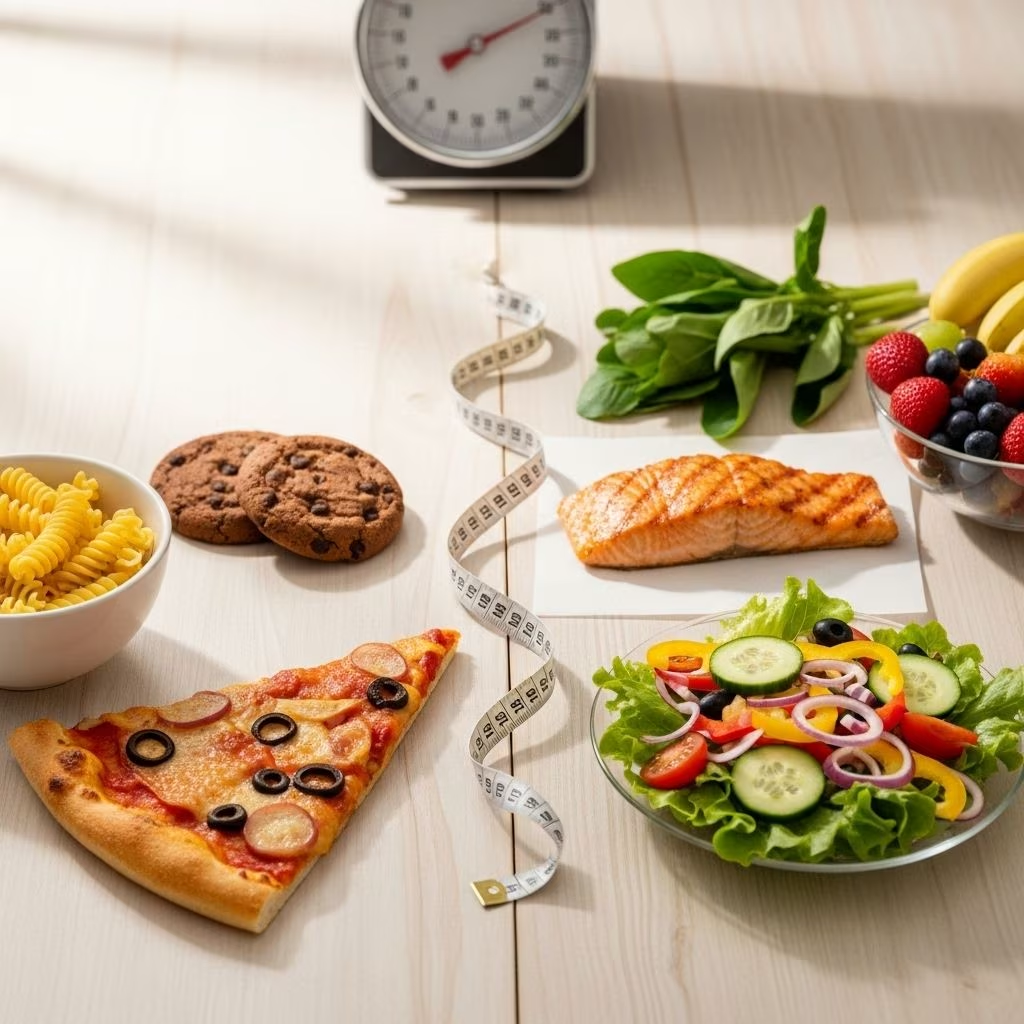
Lose Weight Eating Whatever You Want: A Sensible Approach
For many, the idea of weight loss conjures images of restrictive diets, banned foods, and constant deprivation. However, research and real-world experience show that it’s possible to shed pounds while enjoying the foods you love—without falling prey to extremes. The secret is a combination of mindful eating, smart portion control, and a healthy, balanced mindset rather than rigid rules or guilt trips.
Understanding Flexible Eating for Weight Loss
Rigid diets rarely last; sustainable weight loss centers on changing habits and your relationship with food, not outlawing favorites. Experts increasingly advocate for a flexible approach that balances food enjoyment with practical strategies for managing calories and cravings.
- Moderation not restriction: Eat what you love—just less of it, or with an emphasis on overall balance.
- Mindfulness over mindlessness: Pay attention to why and how you eat, not just what you eat.
- Satisfaction as strategy: Allowing yourself your favorite foods in reasonable amounts can reduce binge urges and keep motivation high.
Core Principles to Lose Weight Eating What You Like
These guiding principles help you shift from ‘dieting’ to genuine, lasting lifestyle changes.
- Portion control is powerful: Most foods can fit into a healthy diet when served in appropriate amounts. Use smaller plates and bowls to trick your brain, and measure out servings with visual cues (a clenched fist for carbs, palm for protein, thumb for fats).
- No forbidden foods: Demonizing foods can backfire and lead to overeating. Instead, plan for treats in moderation; for example, enjoy dessert but savor a smaller slice.
- Intentional indulgence: Don’t eat favorite treat foods out of boredom or stress. Wait until you can pay attention and truly enjoy them without distraction.
- Emphasize satisfaction and fullness: Eat slowly, appreciate the texture and taste, and notice when you’re satisfied, not stuffed.
Why ‘Dieting’ Is Overrated and Mindset Matters Most
Strict diets rely on willpower, which fluctuates and eventually fails. Instead, studies show that psychological tactics—like giving yourself permission to eat all foods and focusing on how eating makes you feel—are much more effective.
- Reframe food thoughts: Swap ‘I can’t have that’ for ‘I can if I really want to, but I’m choosing what feels best now.’
- Reduce food guilt: One treat or misstep doesn’t ruin progress. Get curious about what triggers overeating and focus on lessons, not punishment.
- Savor rather than scarf: People who eat slowly and mindfully tend to eat less and feel more satisfied.
Practical Strategies to Eat What You Want and Still Lose Weight
The following science-based strategies let you fit your favorite foods into a healthy routine without sabotaging results.
1. Portion Control Tricks
- Use smaller tableware: Research shows that eating off smaller plates and bowls can cut overall intake by up to 30% without a loss of satisfaction.
- Visual portion cues:
- Carbs: One clenched fist (about one cup).
- Protein: The size of your palm (about 4 ounces).
- Fat: Two thumbs (1-2 tablespoons).
- Veggies: Pile on as much colorful produce as you can.
- Restaurant hacks: Split entrees, order an appetizer with a salad, or box half your meal before you start eating.
2. Avoid Skipping Meals
Skipping meals can lead to intense hunger, mindless snacking, and overeating at the next opportunity. Instead:
- Eat three balanced meals daily, aiming for mix of protein, healthy fat, fiber, and plenty of veggies.
- Keep snacks available for predictable hunger times, choosing options like fruit and nuts rather than ultra-processed foods.
3. Strategically Include Favorite Foods
- Plan treats rather than ban them: Instead of impulsively reaching for sweets or salty snacks, schedule times for their enjoyment—like a dessert after dinner a few nights a week.
- Savoring helps you eat less: Eat your treat as a standalone snack, without multitasking or distractions. This increases pleasure and naturally curbs portions.
- Balance indulgences: If you have cake at a party, balance your next meal with veggies, lean protein, and water.
4. Master Mindful Eating
- Pause before eating to check your physical hunger level.
- Be aware of emotional eating triggers like stress, boredom, or fatigue.
- Use the 3-bite rule for ultra-rich treats: savor, examine, and stop when the pleasure starts fading.
- Put your fork down between bites, chew thoroughly, and appreciate flavors.
5. Build Your Plate With Balance
- Fill half your plate with colorful vegetables (raw, roasted, or steamed).
- One quarter with lean protein (chicken, beans, fish, tofu).
- One quarter with smart starchy carbs (brown rice, sweet potato, quinoa).
- Flavor with healthy fats: avocado, olive oil, nuts, or seeds.
Debunking Diet Myths: Why Extremes Don’t Work
Popular fad diets often promise fast results, but those gains rarely last. The problem is not willpower, but biology and psychology. Studies show that overly strict diets increase craving and emotional stress and decrease body’s metabolism, making rebound weight gain more likely.
| Diet Myth | Reality |
|---|---|
| Cutting out entire food groups is best | Total restriction leads to cravings, stress, and binging—balance works better |
| No carbs means quick weight loss | Low-carb diets cause water loss initially but don’t outperform balanced diets long-term |
| Clean eating is the only healthy approach | Morality and rigidity around food can harm mental health and backfire |
How Much Weight Can You Lose Without Restrictive Diets?
The speed and amount of weight loss varies by individual, but the safest strategies emphasize slow, steady progress—typically 1 pound per week, or about 1% of body weight per week for most adults. Losing weight quickly often means muscle and water loss instead of sustainable fat reduction.
- General recommendation: Aim for 1-2 pounds per week by creating a moderate calorie deficit and moving more.
- Building healthy habits: Focus on what’s sustainable, enjoyable, and realistic for your lifestyle rather than hitting a specific number fast.
Can Weight Loss Drugs Replace Diet and Exercise?
Recent advances in medication can help some people lose weight, but experts warn these are only part of the solution. Without healthy eating habits and regular movement, rapid weight loss often results in muscle loss and is rarely sustainable long-term.
- Medication requires medical supervision and lifestyle changes—it’s not a magic solution.
- Rapid weight loss (such as losing 20 pounds in a month) without lifestyle change is not safe or recommended.
Smart Tips for Long-Term Weight Loss Success
Focus on habit and mindset over fleeting discipline. Here are proven actions you can take:
- Eat mindfully: Slow down; pay attention to hunger and fullness.
- Accept imperfection: Weight loss is rarely linear—expect ebbs and flows.
- Practice self-compassion: Treat setbacks as learning experiences, not failures.
- Prioritize whole foods: Vegetables, fruits, lean proteins, whole grains, and healthy fats keep you fuller and offer nutrition your body needs.
- Stay hydrated: Drinking water before and during meals supports fullness and helps regulate appetite.
- Stay active in simple ways: Walking, household chores, and recreational movement help burn calories even if you’re not formal exercising.
Frequently Asked Questions (FAQs)
Q: Is it really possible to lose weight eating pizza, ice cream, or burgers?
A: Yes, as long as you practice portion control, eat those foods mindfully and infrequently, and balance them with nutritious meals most of the time. Sustainability matters more than perfection.
Q: What’s the easiest way to control portions when eating favorite foods?
A: Serve a measured portion on a small plate and remove distractions. Savor each bite, stop when pleasure fades, and pack leftovers to enjoy later.
Q: How do I avoid binge eating if I allow myself treat foods?
A: Rather than total restriction, plan treat times, pause to check hunger cues first, and eat treats mindfully—never in response to stress or boredom.
Q: What role does exercise play if I want to lose weight while eating anything?
A: Movement supports health, mood, and calorie burning, but losing weight is mainly about what and how much you eat. Even simple daily activity counts.
Q: Should I use weight loss supplements or medication?
A: Only use supplements or medication under medical supervision. They can’t replace healthy eating and activity, and rarely lead to lasting weight loss on their own.
Sample Day: How to Enjoy Food and Lose Weight
Here’s how a typical day might look with the ‘eat what you want’ approach, balancing flexibility with moderation:
- Breakfast: Greek yogurt, berries, sprinkle of granola (portion-controlled)
- Lunch: Turkey sandwich with plenty of veggies and whole grain bread, apple on the side
- Snack: A small handful of nuts and dark chocolate square
- Dinner: Grilled salmon, roasted vegetables, baked potato
- Dessert: Two scoops of ice cream, eaten slowly for satisfaction
Key Takeaways
- Weight loss does not require strict food bans—moderation and mindfulness matter most.
- Psychological strategies (permission, satisfaction, curiosity) are more effective than willpower alone.
- Build balanced habits by focusing on portion control, meal planning, and emotional cues.
- Enjoy favorite foods intentionally and without guilt—just not all the time, and not mindlessly.
- Sustainable results come from changing how you think about food, not just what you eat.
Remember: Losing weight while eating what you want is possible with realistic, healthy changes. Stay kind to yourself, be consistent, and make room for joy in eating. The journey is as important as the destination.
References
- https://www.prevention.com/weight-loss/a30188568/lose-weight-without-exercise-0/
- https://www.prevention.com/weight-loss/a20437039/100-easy-tricks-to-move-more-and-lose-weight/
- https://www.prevention.com/health/a65401665/expert-walking-tips-weight-loss/
- https://www.prevention.com/weight-loss/a20451734/lose-weight-eating-whatever-you-want/
- https://www.prevention.com/weight-loss/diets/a60578947/how-to-lose-weight-fast-safely/
- https://www.prevention.com/weight-loss/g20496057/6-ways-to-lose-weight-without-feeling-hungry-all-the-time/
- https://www.prevention.com/weight-loss/g20482528/this-is-your-perfect-day-for-weight-loss/
- https://www.prevention.com/weight-loss/
- https://www.prevention.com/weight-loss/g20498713/lose-weight-without-trying/
- https://www.prevention.com/weight-loss/a20500235/intermittent-fasting/


