


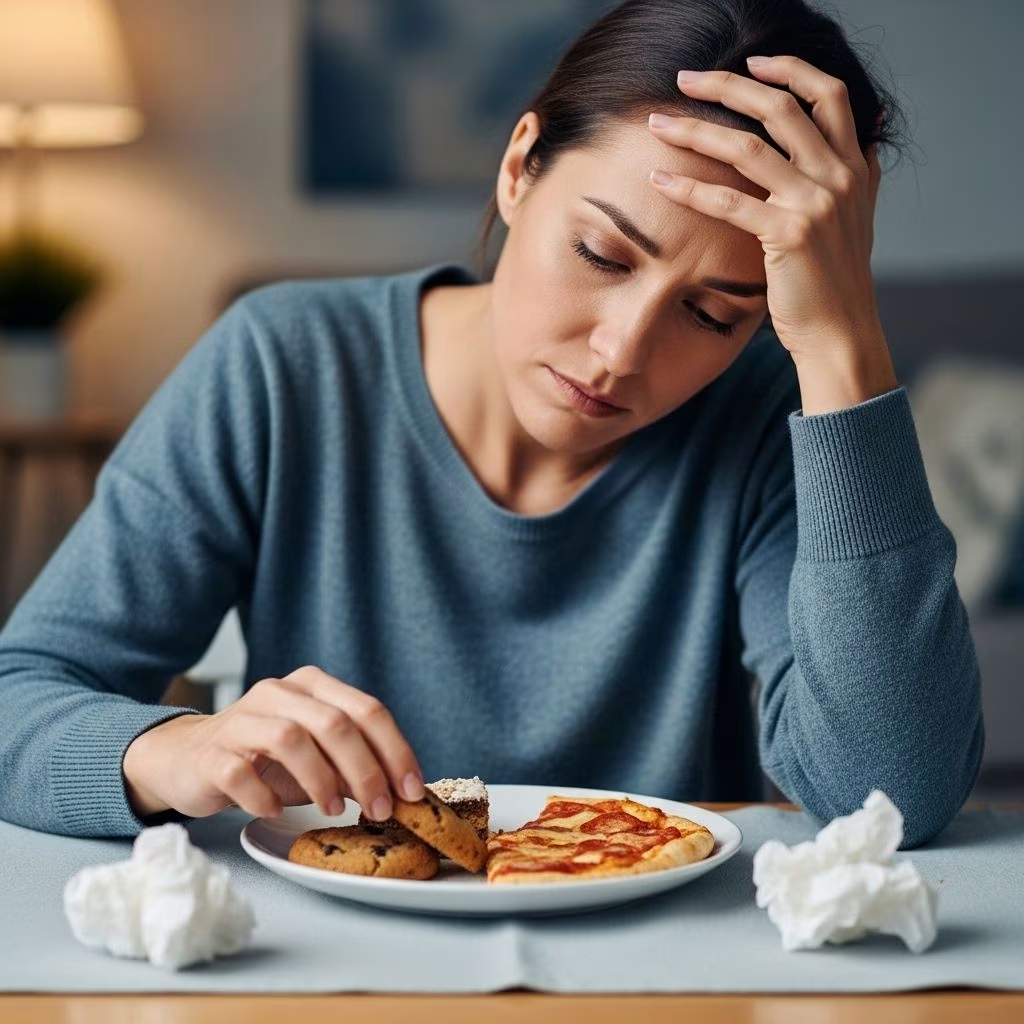
Stress and Emotional Eating: Why Comfort Foods Are So Hard to Resist
Many people find themselves reaching for a pint of ice cream or bag of chips when stress hits. This isn’t simply lack of willpower—it’s a complex interaction between emotional distress, the brain’s reward system, and physiological stress hormones. Stress eating or emotional eating refers to the tendency to use food as a way to manage mood, soothe anxiety, or temporarily escape negative emotions.
What Is Emotional Eating?
Emotional eating is the intake of food—often unhealthy, high-fat, sugary, or processed foods—in response to feelings rather than physical hunger. While a certain level of emotion-driven eating is perfectly normal, making this a habitual coping mechanism can undermine health, disrupt weight management, and negatively affect mental well-being.
- Emotional eating is often triggered by stress, boredom, sadness, loneliness, or anxiety.
- Typical cravings involve comfort foods high in fat and sugar.
- Unlike true hunger, emotional hunger is urgent and specific, often focused on certain foods.
- Afterwards, emotional eating can lead to guilt or shame, setting up a negative cycle.
Why Does Stress Make Us Eat?
Researchers have established a clear link between psychological stress and overeating—especially the craving for high-calorie comfort foods.2 The relationship is rooted in the body’s hormonal response and the brain’s reward circuits.
Here’s how stress typically triggers the urge to eat:
- Acute stress: In the short term, sudden stress (like an argument or crisis) can actually suppress appetite due to adrenaline (epinephrine) preparing the body for fight or flight.
- Chronic stress: If stress persists, the body releases cortisol, a hormone that increases appetite and can specifically drive cravings for fatty, sugary foods.
- These “comfort foods” dampen stress responses in the brain, temporarily making you feel better (but only for a short while).
Important: Over time, this cycle can perpetuate emotional eating as a learned response to discomfort, making stressful situations harder to navigate without food.2
How Hormones and the Brain Drive Emotional Eating
Several biological mechanisms work together to make stress-eating hard to resist:
- Cortisol: When you’re stressed, cortisol not only increases appetite but also increases motivation—including the motivation to seek food.
- Insulin: In combination with cortisol, insulin helps drive the storage of fat.
- Ghrelin: Sometimes called the “hunger hormone,” ghrelin may be elevated during chronic stress, further boosting appetite.
- Neurotransmitters: Eating palatable foods boosts dopamine and serotonin, brain chemicals that create feelings of pleasure and calm, giving comfort foods their addictive quality.
| Hormone/Neurotransmitter | Role in Stress Eating |
|---|---|
| Cortisol | Increases appetite, cravings for high-fat/sugar foods |
| Insulin | Increases fat storage; rises with stress and high-carb eating |
| Ghrelin | Stimulates hunger, may rise with chronic stress |
| Serotonin & Dopamine | Boosted by comfort foods; produce pleasure and sooth anxiety |
When Stress Eating Becomes a Problem
Occasional comfort eating is normal, but regularly using food to manage emotions can have several consequences:
- Weight gain: Eating for comfort often overrides physical hunger cues, leading to excess calorie intake.
- Unhealthy patterns: Repeated emotional eating can raise the risk of obesity and eating disorders.
- More stress: Emotional eating may temporarily numb distress, but the underlying issues remain, often leading to guilt and even more stress.
It’s important to distinguish emotional eating from eating disorders like binge eating disorder, bulimia nervosa, or anorexia nervosa. Emotional eating is not a clinical eating disorder, but regular episodes can be a warning sign and may evolve into more serious disorders if left unchecked.1
Typical Triggers of Emotional Eating
Recognizing what sets off your stress-eating is the first step toward greater control. Common triggers include:
- Work-related pressure or tight deadlines
- Relationship or family conflict
- Financial concerns
- Health worries or chronic illness
- Boredom or lack of stimulation
- Fatigue and lack of sleep
- Negative self-talk, guilt, or shame
- Dieting or restrictive eating patterns
Sometimes, simply becoming more aware of emotional cues and food patterns can break the automatic cycle.
How Comfort Foods Hijack Your Self-Control
Not all foods have the same emotional pull. Studies show that foods high in fat and sugar have the strongest link to emotional eating. These foods:
- Trigger the release of dopamine, feeding the brain’s reward pathways
- Suppress stress-related hormonal responses, creating a momentary feeling of calm
- Are often linked to positive memories or nostalgia (childhood treats, family meals)
- Are usually easy to grab and consume quickly, which reinforces the habit
Strategies to Break the Cycle of Emotional Eating
The good news: With awareness and practical strategies, anyone can learn to manage emotional cravings and regain control over food choices.3
1. Keep a Food and Mood Journal
Track what you eat, when you eat, and how you’re feeling at the time. This can help identify emotional triggers and patterns.
2. Learn Physical vs. Emotional Hunger Cues
- Physical hunger emerges gradually, includes stomach rumbling, and responds to a range of foods.
- Emotional hunger is sudden, urgent, and usually craves a specific comfort food. It often persists even after you’re full.
3. Practice Stress Management Techniques
- Try deep breathing, meditation, or yoga
- Engage in regular physical activity
- Journal or talk through feelings with a friend or therapist
4. Remove Tempting Foods
Keep high-calorie snacks and sugary treats out of the house, especially when you’re feeling vulnerable. If a craving hits, postpone shopping until you are in a balanced frame of mind.
5. Plan Healthy Meals and Snacks
- Prepare nutritious meals and snacks in advance to reduce the temptation of quick, unhealthy choices.
- Include filling foods high in fiber, protein, and healthy fats to stabilize blood sugar and prevent energy crashes.
6. Don’t Be Too Restrictive
Overly restrictive diets can actually fuel emotional eating. Enjoy satisfying amounts of healthy foods and include occasional treats to curb cravings.
7. Build a Support Network
Turn to friends, family, or support groups when you need encouragement. Feeling connected can reduce the urge to self-soothe with food.
8. Distract Yourself
- When a craving strikes, try a non-food activity: go for a walk, call a friend, listen to music, read, or take up a hobby.
- The urge often fades after a few minutes.
9. Learn from Setbacks
If you slip, don’t dwell on guilt. Reflect on what triggered the episode and create a plan for handling similar situations in the future. Celebrate your progress, no matter how small.
Healthy Snack Ideas for Emotional Eaters
- Fresh fruit or sliced veggies with low-fat dip
- Air-popped popcorn without extra butter
- Greek yogurt with berries
- Handful of nuts
- Whole grain crackers with hummus
When to Seek Professional Help
If emotional eating feels impossible to control, or if you find yourself eating in secret, binging regularly, or feeling depressed or anxious about food, it might be time to reach out to a professional. Licensed therapists, dietitians, or physicians can help you address underlying emotional issues and teach healthier coping skills.1
Frequently Asked Questions
Q: How can I tell the difference between emotional and physical hunger?
A: Physical hunger develops gradually, is felt in the stomach, and is satisfied with a variety of foods. Emotional hunger comes on suddenly, craves specific comfort foods, and lingers even when you’re full.
Q: What are the most common triggers for emotional eating?
A: Common triggers include stress, boredom, loneliness, fatigue, negative emotions, and even restrictive dieting or skipping meals.
Q: Will I ever be able to fully stop emotional eating?
A: Occasional emotional eating is normal. The goal isn’t necessarily to eliminate it completely, but to recognize triggers and develop healthier coping alternatives most of the time.
Q: Are there safe comfort foods for emotional eaters?
A: Yes, healthier snack options like fruit, veggies with dip, yogurt, or popcorn can curb cravings while providing nutrients and less guilt.
Q: When should I reach out for professional help?
A: If you often lose control around food, experience guilt or shame after eating, or food is interfering with your mental or physical health, seek guidance from a mental health professional or registered dietitian.
Further Reading & Support
- American Psychological Association: Tips for managing stress and emotional health
- Academy of Nutrition and Dietetics: Mindful eating resources
- National Eating Disorders Association: Guidance for those struggling with eating disorders
Key takeaway: Understanding the cycle of emotional eating and adopting practical steps to manage stress and food choices empowers you to break free from unhealthy habits and nurture a lasting, positive relationship with food.
References
- https://toledocenter.com/resources/is-emotional-eating-an-eating-disorder/
- https://www.health.harvard.edu/staying-healthy/why-stress-causes-people-to-overeat
- https://www.mayoclinic.org/healthy-lifestyle/weight-loss/in-depth/weight-loss/art-20047342
- https://pmc.ncbi.nlm.nih.gov/articles/PMC10005347/
- https://www.eatingdisorderhope.com/treatment-for-eating-disorders/eating-disorder-hotlines
- https://www.mayoclinic.org/diseases-conditions/eating-disorders/symptoms-causes/syc-20353603
- https://my.clevelandclinic.org/health/diseases/4152-eating-disorders
- https://kidshealth.org/en/teens/emotional-eating.html


