


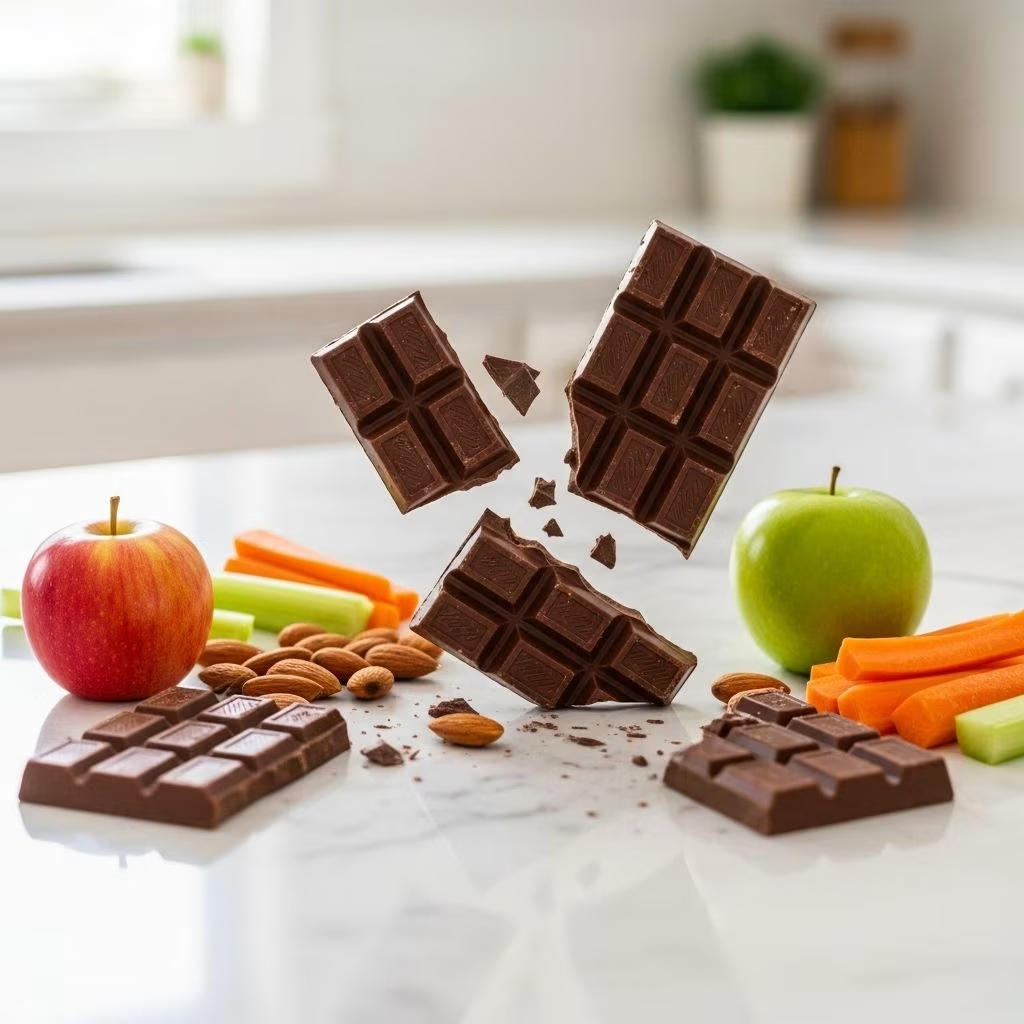
How to Break Your Snacking Habit for Lasting Weight Loss
Snacking is an integral part of modern eating habits—often, it’s a ritual performed in the car, on the couch, or even in bed without much thought. Studies indicate that Americans may consume up to one-third of their daily calories from snacks, not meals. While some well-planned snacks can be nutritious, the reality is that mindless snacking on processed foods can contribute to excess calorie intake and hinder weight loss efforts. This article explores science-backed strategies to control snacking, foster mindful eating, and build habits that support long-term weight management.
The Mindlessness of Modern Snacking
The proliferation of convenience foods and busy lifestyles has made automatic snacking a near-reflex response. Whether you’re dipping into the office candy jar or munching while cooking, these actions often occur without genuine hunger. According to research from the University of North Carolina, most people eat nearly 600 calories daily in snacks alone, a significant portion often coming from highly processed items loaded with sugars, unhealthy fats, and salt.
This mindless munching can sabotage even the most disciplined weight loss plans, driving up calorie consumption and undermining nutritional goals. So, how can you regain control?
Six Smart Strategies to Curb Snacking
Instead of relying on willpower alone, adopt these practical, research-tested approaches to consciously manage your snack choices and overall intake.
- Don’t snack at night.
Late-night eating is a common pitfall for weight gain. Start by prioritizing a strong breakfast packed with proteins and healthy carbs, such as steel-cut oats, eggs, or Greek yogurt. For lunch, combine healthy complex carbohydrates, lean proteins, and beneficial fats to maintain stamina throughout the day. If you crave a treat at night, choose a mindful practice: savor a small piece of quality dark chocolate or opt for lower-calorie snacks like berries. The goal is to truly enjoy your food, not just eat out of habit.
- Don’t nosh while you cook.
Habitual taste-testing can add hundreds of calories to your daily intake. Plan your meals in advance to minimize grazing and, if possible, keep prepped raw veggies on hand if you need a taste, instead of turning to processed nibbles.
- Keep healthy snacks accessible—especially in the car.
On-the-go snacking is often an automatic response to boredom or stress. Prepare single servings of healthy options like roasted nuts, fruit, or portioned yogurt to quell hunger and avoid the temptation of fast food or vending machines. By anticipating your needs, you replace impulsive snacking with thoughtful choices.
- Keep a food (and snack) diary.
Tracking what, when, and why you eat increases self-awareness. Documenting your consumption can help identify patterns, such as emotional triggers or environmental cues that prompt mindless eating—responsible for much of your snack intake throughout the day.
- Steer clear of office snacks and vending machines.
The workplace can be a minefield for unhealthy snacks. Counteract temptation by bringing in healthy snacks that you genuinely enjoy, like tamari-roasted almonds, string cheese, or fruit. Preparing your own lunch and snacks for the day can fortify your resolve when faced with high-calorie, low-nutrient choices in communal spaces.
- Avoid snacking on kids’ foods.
Children’s snacks—think crackers, chips, and sweetened cereals—are often engineered to deliver high flavor but little satiety, leading to repeated snacking. Instead, opt for family-friendly snacks rich in water and fiber, such as grapes or air-popped popcorn with a sprinkling of Parmesan cheese.
Additional Ways to Snack Less
- Portion snacks into small bags.
Small containers or 100-calorie packs provide a natural stopping point, helping you avoid the temptation to keep reaching for more. Portioning your own snacks in advance can reduce mindless overeating and help track intake more accurately.
- Maintain a food-free perimeter.
Keep snacks and food stored in the kitchen and away from casual spaces like your desk or living room. The added effort of getting up to fetch a snack often helps discourage impulse eating and can save up to 125 calories daily.
- Serve meals away from the table.
Family-style serving, where food remains accessible during the meal, has been linked to increased consumption. Instead, serve food from the stove or counter, and portion plates before sitting down. If seconds require leaving the table, you will think twice before indulging.
Root Causes of Excessive Snacking
Snacking issues are rarely about hunger alone. Several behavioral and environmental factors contribute:
- Lack of sleep: Even short-term sleep deprivation disrupts hunger and satiation hormones, increasing appetite and cravings for starchy, sugary foods.
- Stress and emotional cues: Many reach for snacks in response to stress, boredom, or anxiety, often seeking comfort in high-calorie treats.
- Habit and environment: If snacks are available and visible, you’re far more likely to eat them—even without hunger.
- Poor meal planning: Skipping or delaying meals can lead to blood sugar crashes, resulting in ravenous hunger and impulsive snacking later in the day.
Solutions for Overcoming Food Cravings and Overeating
| Craving Type | Solution | How it Helps |
|---|---|---|
| Emotional Eating | Meditation, journaling, mindful pause | Creates an interruption point for self-awareness |
| Habitual/Environmental Cues | Remove or relocate snacks; keep kitchen off-limits | Limits visual and physical triggers |
| Sleep Deprivation | Prioritize quality sleep, portion snacks | Balances appetite hormones, reduces cravings |
| Binge Episodes | Portion controlled treats, delay response | Reduces risk of overconsumption |
Meal Planning to Prevent Unwanted Snacking
Strategic meal planning is critical for controlling snack urges and sustaining energy:
- Set regular meal times. Keeping a consistent schedule helps prevent long periods between meals that can lead to hangry, out-of-control snacking.
- Balance macronutrients at each meal. Incorporate proteins, healthy fats, and fiber to increase satiety and keep cravings at bay.
- Prepare grab-and-go snacks in advance. Portion out trail mix, veggies, or simple yogurt cups for times when hunger does strike. Aim for snacks under 150 calories, ideally combining two food groups, e.g., an apple and a tablespoon of peanut butter.
Frequently Asked Questions (FAQs)
Q: Why do I snack mindlessly, even when I am not hungry?
A: Environmental cues, emotions, and habit are primary triggers for mindless snacking. Keeping food out of sight, maintaining a food diary, and addressing stress through non-eating activities can help reduce unplanned snacking.
Q: How can I resist cravings for processed snacks?
A: Focus on whole, unprocessed foods that deliver nutrients and satiety. Prepare healthy alternatives in advance, such as fruit or nuts, and opt for mindful eating techniques—like chocolate meditation—to fully enjoy flavor with less quantity.
Q: Is snacking always unhealthy?
A: Not necessarily. Healthy snacks such as fruit, vegetables, low-fat dairy, and nuts can supplement your diet. The key is portion control and choosing nutrient-dense foods versus processed options high in added sugars and fats.
Q: What’s the best way to keep track of my snacking habits?
A: Keeping a food and snack diary is one of the most effective ways. Document what, when, and why you eat—this creates self-awareness around eating patterns and helps identify triggers for improvement.
Healthy Snack Ideas for Sustainable Weight Loss
- Greek yogurt with berries (protein, fiber, antioxidants)
- Apple slices with almond butter (fruit, healthy fat)
- Air-popped popcorn sprinkled with herbs or Parmesan
- Single-serve bag of tamari-roasted almonds
- Carrot sticks and hummus
- Low-fat cheese and grape tomatoes
Simple Daily Tips to Reinforce Healthy Snacking
- Establish a cutoff time for evening snacks, such as \”no eating after 7 PM\”
- Use small containers for all snack foods
- Choose \”whole food\” options—fresh fruit, veggies, nuts—over processed snacks
- Plan and prep meals and snacks for the next day
- Limit exposure: keep snacks out of sight and off counters and desks
- Prioritize sleep—aim for at least 7 hours nightly to maintain hunger hormones
Further Reading
- 19 Best Ways to Lose Belly Fat for Good
- 100 Easy Ways To Cut 100 Calories
- The 22 Best Foods for Weight Loss
- Does Apple Cider Vinegar for Weight Loss Work?
- 30 Healthy Snacks for Weight Loss That Taste Great
By understanding your personal snacking triggers, planning ahead, and making conscious food choices, you can overcome the cycle of mindless eating and move towards a healthier, more sustainable way of living. Remember, it’s not about perfection—it’s about progress and balance. When you control your snacking environment and build habits based on awareness, satisfaction, and nutrition, lasting weight loss becomes not only possible but enjoyable.
References
- https://www.prevention.com/weight-loss/a20456147/prevent-excessive-snacking/
- https://www.prevention.com/weight-loss/a20432266/how-to-snack-less/
- https://www.prevention.com/food-nutrition/g20442593/stop-eating-at-night/
- https://www.prevention.com/weight-loss/a20466650/how-to-stop-food-cravings-and-overeating/
- https://www.prevention.com/weight-loss/g20497401/8-reasons-you-cant-stop-eating-today/
- https://www.prevention.com/weight-loss/g20512093/12-surprisingly-effective-ways-to-halt-your-hunger/
- https://www.prevention.com/weight-loss/a20448548/5-ways-to-stop-food-cravings/
- https://www.prevention.com/weight-loss/g20463551/i-quit-snacking-for-a-month/
- https://www.prevention.com/weight-loss/a20437558/how-too-much-snacking-makes-you-gain-weight/
- https://www.prevention.com/weight-loss/a20451989/mindless-eating-0/


