


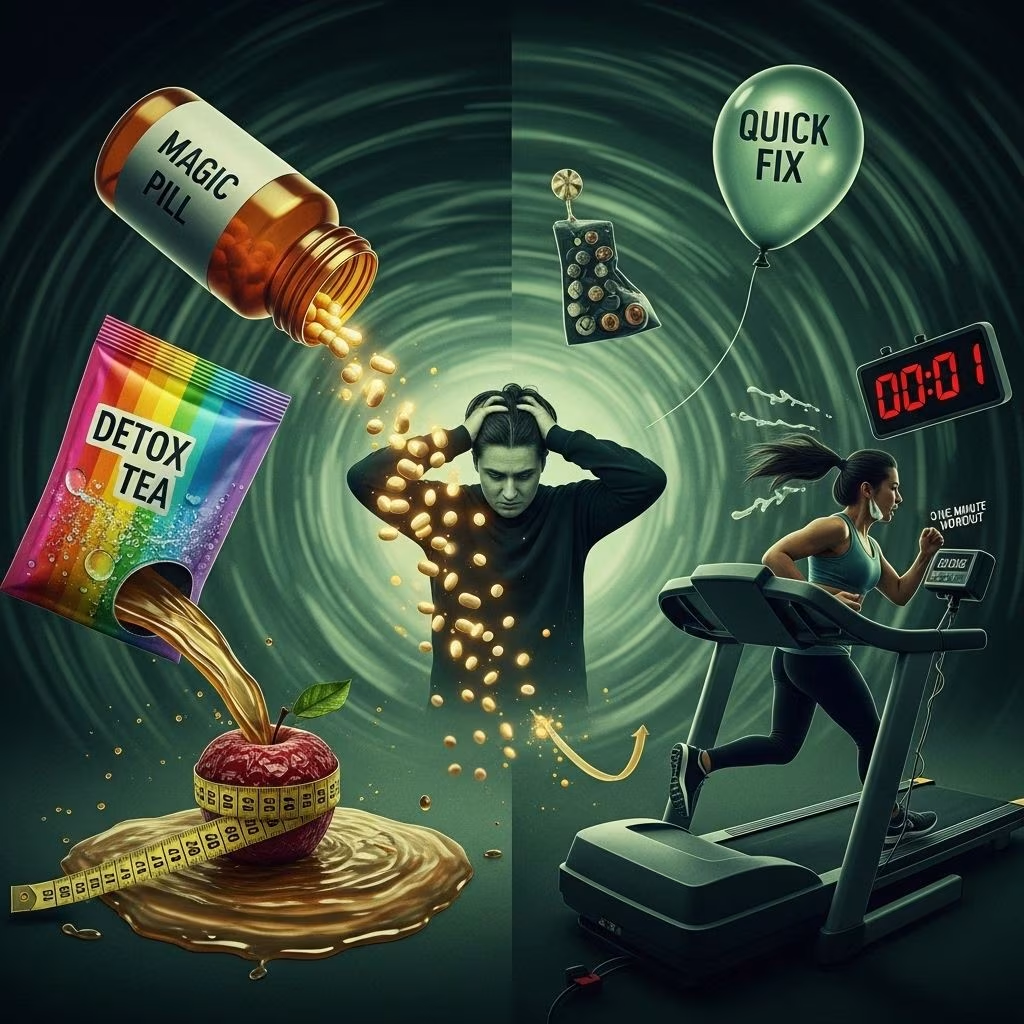
The Worst Ways to Lose Weight: Fad Diets and Dangerous Shortcuts
Losing weight is a common goal for many, but the route you choose is as important as the destination. In the quest to slim down fast, countless people fall for trendy diets, miracle cleanses, or extreme restrictions—often with poor results or even serious health risks. Here, we break down the most common and problematic weight-loss approaches that do more harm than good, why they’re so dangerous, and what science and dietitians really recommend instead.
Understanding Fad Diets and Shortcuts
Fad diets and weight loss shortcuts usually promise dramatic results with minimal effort. They often call for cutting out entire food groups, eating according to quirky rules, or subsisting on a single food or drink. While these methods can lead to short-term weight drops, the results rarely last—and sometimes inflict real damage to your health.
- Most fad diets are not based on reliable nutrition science.
- They often promote rapid weight loss through extreme calorie restriction, dehydration, or loss of muscle mass, rather than true fat loss.
- Maintaining these plans is unsustainable, leading to regaining weight and, often, additional pounds beyond the original weight.
The Most Dangerous and Ineffective Diets
1. The HCG Diet
The HCG Diet requires consuming as little as 500 calories per day alongside daily doses of human chorionic gonadotropin (HCG), a hormone produced in pregnancy. It has become notorious for its promises of rapid weight loss despite being dangerous and illegal according to the FDA.
- Risks: Severe calorie restriction causes muscle loss, slows metabolism, and can trigger disordered eating.
- Over-the-counter HCG products are banned and potentially hazardous.
- Maintaining this extreme restriction is impossible long-term, almost always resulting in regaining the lost weight—and sometimes more.
2. The Werewolf Diet
This diet claims to help you shed pounds by timing eating patterns with the lunar cycle, including juice fasting during a full moon and restricting meals after 6 p.m. on other days.
- No scientific backing: There is no research indicating a link between moon cycles and weight management.
- The arbitrary restrictions make it unsustainable and nutritionally unbalanced.
- Much healthier results come from balanced meals, not superstitions about moon phases.
3. The Five-Bite Diet
Created by an internist, this plan allows you to skip breakfast and then restrict yourself to just five bites of food for both lunch and dinner, each day.
- This equals roughly 10 bites a day, a deeply insufficient amount of food for anyone’s nutritional needs.
- Side effects may include: Intense hunger, energy crashes, muscle loss, and malnutrition.
- The plan is not sustainable or healthy, and any weight lost is likely to come back quickly as your body rebounds from deprivation.
Juice Cleanses and Detox Diets
Juice cleanses and “detoxes” remain popular despite minimal evidence supporting any real detoxifying benefit. While proponents claim that drinking only juices (or teas, or smoothies) can “flush” toxins, what’s essentially happening is dehydration and loss of water weight—not fat.
- Short-term “weight loss” is primarily water and colon contents, not body fat.
- Restricting food deprives your body of protein, healthy fats, and fiber.
- Potential risks: dehydration, weakness, fainting, worsening hunger, and destabilizing your gut microbiome due to disruption of healthy digestive bacteria.
Experts note: your liver and kidneys already do a fantastic job detoxifying the body without extreme measures. Balanced nutrition supports these organs far better than any cleanse.
Apple Cider Vinegar Diet
Although some celebrities tout apple cider vinegar (ACV) as a slimming elixir, there is no meaningful evidence supporting ACV shots for weight loss. In fact, most “appetite reduction” after drinking ACV is likely caused by nausea and digestive discomfort from the vinegar’s acidity.
- Overuse can lead to throat irritation, tooth enamel erosion, and stomach distress.
- If you enjoy ACV, it’s better used in salad dressings or marinades rather than as a supplement.
Teatoxes and Laxative-Based Diets
Popular “teatoxes” feature teas with added laxatives like senna, sometimes branded as “skinny” or “detox” teas. Marketed as a way to cleanse and slim down, these products rely on forcing bowel movements or water loss rather than burning fat or improving health.
- Short-term use of senna may be safe, but long-term use is dangerous, risking chronic diarrhea, dehydration, and electrolyte imbalances.
- Relying on laxatives for weight loss can disrupt digestive health and even damage vital organs with prolonged misuse.
- The NIH and medical experts warn against regular use of these laxative-based products.
Extreme Portion Control Plans
Portion control is important for preventing overeating, but some diets take this to unhealthy extremes. Eating well-balanced, nutritious meals means your body gets the fuel and vitamins it needs, but hyper-restrictive portion diets cause more harm than good.
- Examples include diets that severely limit all meals to a handful of bites, or those that cut entire meals, like breakfast, altogether.
- Such plans rarely provide essential macronutrients (protein, carbohydrates, healthy fats) or adequate vitamins and minerals.
- Extreme hunger, low energy, irritability, hair loss, and impaired immunity are frequent side effects.
Common Weight-Loss Myths
Apart from dangerous diets, many people fall victim to persistent weight-loss myths that undermine success and can even be harmful.
- Myth: Eating at night causes weight gain. In reality, it’s not the timing but the total calories and quality of your meals that matter. Late-night eating often leads to overconsumption, but if you make nutritious choices, timing alone is not a culprit.
- Myth: You can out-exercise a bad diet. Exercise is crucial for health, but diet quality trumps calorie burn. Consuming high-calorie, low-nutrient foods quickly erodes any progress, and you simply can’t burn off junk food consistently through workouts.
- Myth: Skipping meals or extreme fasting is the best way to lose weight. Skipping meals slows metabolism and leads to erratic eating, often resulting in bingeing and weight regain.
Weight-Loss Traps to Avoid
- Quick-fix diets with a clear start and end date (“lose 30 lbs in 30 days”), which rarely lead to lasting change. Once the diet ends, old eating habits return, usually with extra weight gain.
- Overestimating calories burned or underestimating calories consumed. People often think they’ve created a calorie deficit through exercise, but miscalculations are common.
- Using exercise as a “license to eat more,” without attention to nutrition quality or portion sizes.
- Eliminating entire food groups (carbs, fats, or proteins) rather than focusing on balanced nutrition.
- Focusing on “miracle foods” or “superfoods” as a replacement for a well-rounded diet.
Healthier, Sustainable Alternatives
Healthy, lasting weight loss is based on sustainable habits, not deprivation or drastic measures. Dietitians and medical professionals agree on several key principles for real, safe results:
- Pace yourself: Aim to lose 1–2 pounds per week with modest calorie reduction, not crash dieting.
- Balance your plate: Fill half your plate with non-starchy vegetables, a quarter with whole grains, and a quarter with lean protein.
- Include healthy fats (like olive oil, nuts, and seeds) in moderation.
- Eat the foods you enjoy in reasonable portions to avoid the “all-or-nothing” trap that leads to bingeing.
- Stay hydrated with water, not juice or sweetened beverages.
- Practice portion control—be mindful, not obsessive.
- Track what you eat to increase awareness, not as an act of self-punishment.
- Be wary of any plan or supplement that promises effortless, dramatic weight loss with very little time or explanation.
- If in doubt, consult with a registered dietitian or your healthcare provider.
Frequently Asked Questions (FAQs)
Q: Are all fad diets dangerous?
A: Not all fad diets are immediately dangerous, but almost all are unsustainable. Many may deprive your body of vital nutrients, leading to negative health effects in the long run.
Q: Is it possible to keep weight off after a cleanse or fast?
A: Most people regain the lost weight quickly after returning to regular eating. Crash diets and cleanses usually reduce water weight or muscle mass rather than fat, and are not effective for long-term fat loss.
Q: Can detoxes or “teatoxes” really help you lose body fat?
A: Tea-based detoxes with laxatives do not burn fat; they eliminate water and can cause dehydration, digestive problems, and electrolyte imbalances.
Q: Is it true that you can eat anything if you exercise enough?
A: No. Consuming high-calorie, nutritionally poor foods undermines the benefits of exercise and can prevent weight loss or even cause weight gain, despite physical activity.
Q: What’s a better alternative to restrictive dieting?
A: Gradual changes focused on balanced meals, portion control, and regular physical activity are the most effective route—resulting in weight loss you’ll actually maintain.
Table: Quick Comparison — Dangerous Diets vs. Healthy Alternatives
| Diet Type | Main Feature | Risks | Recommended? |
|---|---|---|---|
| HCG Diet | 500 calories/day + HCG hormone | Muscle loss, slowed metabolism, illegal HCG, rebound weight | No |
| Juice Cleanse | Juice-only, no solid food | Dehydration, energy loss, gut imbalance, rapid regain | No |
| Werewolf Diet | Fasting by moon phase | Unsupported by science, unsustainable | No |
| Teatox | Senna (laxative) tea | Digestive distress, dehydration, long-term harm | No |
| Balanced Nutrition | Lean protein, fiber, healthy fats, moderation | None when properly managed | Yes |
Key Takeaways
- Extreme diets are almost always ineffective and frequently damaging. Healthy eating doesn’t mean deprivation or rigid rules—it’s about sustainability, balance, and enjoyment.
- Don’t trust quick fixes or so-called miracle solutions; if it sounds too good to be true, it probably is.
- Work towards gradual, realistic changes and build habits you can genuinely maintain for life.
References
- https://www.prevention.com/food-nutrition/g29490374/worst-diets/
- https://www.prevention.com/weight-loss/g29873479/weight-loss-myths/
- https://www.prevention.com/weight-loss/a20441163/common-weight-loss-mistakes/
- https://www.prevention.com/weight-loss/g20428546/9-weight-loss-traps-you-should-avoid-at-all-costs/
- https://www.prevention.com/food-nutrition/healthy-eating/a65664887/ultra-processed-foods-weight-loss-gut-health-study/
- https://www.prevention.com/weight-loss/g20441544/losing-weight-without-trying/
- https://www.prevention.com/weight-loss/a20499978/5-ways-to-stop-bad-mouthing-your-body/
- https://www.prevention.com/weight-loss/a36065492/rethinking-body-weight/
- https://www.prevention.com/weight-loss/a20505548/small-changes-that-take-off-big-pounds/


