


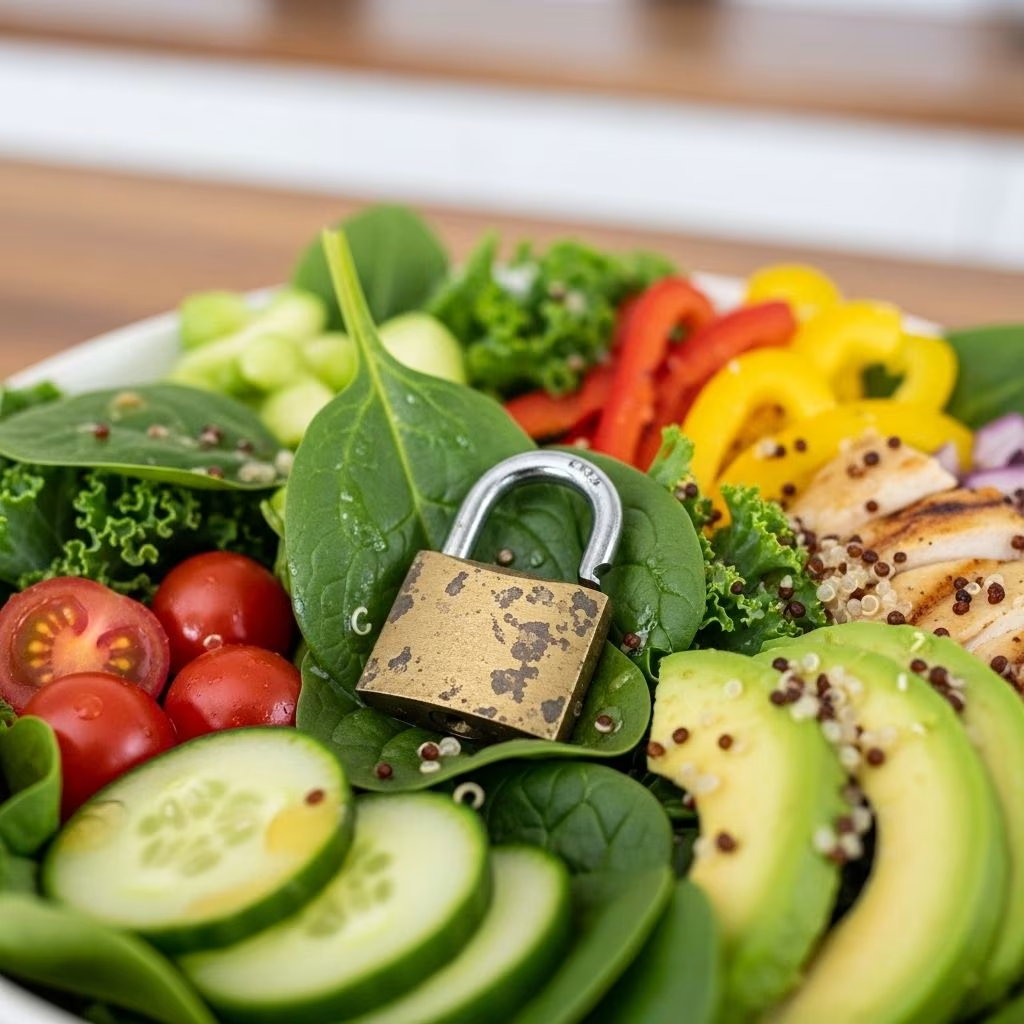
Why Eating Healthy Might Not Always Equal Weight Loss
If you meticulously choose whole grains, fresh produce, lean proteins, and cook most of your meals from scratch, you might still find the numbers on the scale frustratingly stagnant. Countless people encounter this problem: despite swapping chips for baby carrots and passing on sugary sodas, the physical results just aren’t matching the effort. If this sounds familiar, know you’re not alone—and there are reasons for the disconnect between making healthy food choices and losing weight.
Understanding the ‘Healthy Eater’ Weight Loss Paradox
Intensive focus on eating nutritious foods is a smart foundation for lifelong wellness. Unfortunately, several factors unique to healthy eaters can conspire against weight loss, including unconscious overeating, portion distortion, slow metabolic adaptation, and more. By recognizing these hidden traps, you can craft a smarter, results-driven strategy for breaking through weight loss plateaus while staying true to your commitment to health.
Top Reasons Healthy Eaters Struggle to Lose Weight
- Portion sizes: Large, healthy meals can easily add up in calories.
- Healthy calories still count: Nuts, avocados, olive oil, and whole grains—all brimming with nutrition, but high in calories.
- Hidden sugars and carbs: Smoothies, yogurt, granola, and even salads can come loaded with more sugar or starch than you realize.
- Eating by ‘rules’ rather than hunger: You may be eating in response to routine, emotions, or social cues rather than genuine hunger.
- Mindless eating: Snacking or finishing kids’ leftovers without noticing.
- Metabolic adaptation: As you lose weight, your metabolism naturally slows, requiring further adjustments to diet or lifestyle.
Common Healthy Eating Mistakes That Stall Weight Loss
Building a diet out of ‘clean’ foods is admirable, but the details still matter. Consider these often-overlooked mistakes that can undermine your progress:
- Super-sizing salads and grain bowls: It’s easy to underestimate calories when dishes are loaded with seeds, dried fruit, cheese, or a heavy drizzle of dressing.
- Drinking your calories: Even green smoothies or juices can pack significant energy, especially when enhanced with nut butters or sweetened yogurts.
- Assuming all healthy snacks are low-cal: Energy bars, trail mixes, dark chocolate, and ‘natural’ chips can be calorie-dense.
- Eating out too often: Even healthy restaurant fare is generally more calorie-rich than home-cooked meals due to larger portions and added fats.
- Not tracking food intake: Memory and perception can easily underestimate how much you’re really eating.
How Processed Foods Disrupt Healthy Weight Loss
Recent studies highlight that the way food is prepared and processed significantly affects metabolic health and weight regulation, even when the nutrient profile appears similar on paper. Diets based on ultra-processed foods—even those marketed as ‘healthy’—can disrupt satiety cues, leading to overeating. Conversely, minimally processed, whole foods help curb cravings, promote more stable energy, and reduce the likelihood of overeating or experiencing metabolic issues.
Key Findings from Recent Nutrition Research
- Participants eating whole, minimally processed foods lost nearly twice as much weight in eight weeks, primarily from body fat.
- The minimally processed diet resulted in fewer cravings and better appetite control.
- Ultra-processed diets led to more frequent issues such as constipation, fatigue, and digestive troubles.
7 Surprising Habits That Sabotage Healthy Eaters
You don’t have to eat ‘junk’ to gain weight. Consider whether one (or several) of these habits have crept into your routine:
- Too much snacking, even on healthy foods.
- Skipping meals, then overcompensating later in the day.
- Miscalculating calorie density: A small handful of nuts can be 200+ calories.
- EATING after dinner out of habit, not hunger.
- Constant taste-testing while cooking.
- Grazing while on screens or distracted.
- Overreliance on ‘clean’ treats like energy bites, paleo bars, or nut-based cheesecakes.
Portion Control: The Overlooked Key for Healthy Eaters
Calorie awareness—even with wholesome foods—is essential to break through plateaus. Here’s how portion distortion sneaks in, plus smart strategies for regaining control:
- Don’t eat straight from the bag. Always portion into a bowl or container.
- Slow down and savor your food. Chew thoroughly and set utensils down between bites to give your body time to signal fullness.
- Recognize true hunger versus habit or emotion. Check in with yourself before you eat: Are you stressed, bored, or actually hungry?
- Balance your plate: Fill half with non-starchy vegetables, a quarter with lean protein, and a quarter with healthy starch or grains.
Sample Visual Guide to Smart Portions
| Food | Portion | Visual Cue |
|---|---|---|
| Chicken, fish, lean meat | 3–4 oz | Deck of cards |
| Nuts & seeds | 1 oz | Small handful |
| Cooked grains (quinoa, brown rice) | ½ cup | Half a baseball |
| Cheese | 1 oz | Four dice |
| Avocado | ¼–½ fruit | Half a tennis ball |
Are You a Mindless Eater? How Awareness Can Change the Game
Even the healthiest of eaters can eat mindlessly, diminishing results. Mindful eating means tuning in—eliminating distractions (like screens), eating slowly, and appreciating both taste and fullness signals. This practice not only curbs overeating, it also increases satisfaction from your meals.
Fixes That Work: How to Break the Plateau When You’re a Healthy Eater
If you’re eating the right foods but the scale won’t budge, consider integrating these evidence-based tweaks into your routine:
- Track your meals for a week. Use an app or journal to identify hidden caloric excesses.
- Weigh and measure foods at home. At least occasionally, to recalibrate your idea of true servings.
- Focus on protein and fiber. Both enhance satiety, preserve muscle mass during weight loss, and may increase calorie burn due to their higher thermic effect.
- Rethink your snacks and treats. Choose naturally low-calorie, filling options like fresh veggies, fruit, or a boiled egg. Enjoy energy-dense snacks only in measured amounts.
- Minimize liquid calories. Prioritize water, herbal teas, and black coffee rather than smoothies, juices, or ‘nutrition’ drinks.
- Prioritize sleep and manage stress. Both can affect hormones regulating hunger and fullness.
- Recalibrate your calorie needs. Weight loss and aging mean your body needs less energy over time, so periodically reassess intake versus output.
Nutritional Powerhouses to Include Daily
While portion control is key, it’s still important to include high-quality, nutrient-rich foods that support metabolism, regulate hunger, and promote fat loss:
- Lean proteins: chicken, turkey, salmon, lean beef, eggs
- Whole grains: quinoa, brown rice, oats
- Non-starchy vegetables: kale, spinach, broccoli, cauliflower, cucumbers, peppers
- Healthy fats: avocado, nuts, seeds, olive oil, oily fish
- Fermented foods: yogurt, kefir, kimchi—for gut health
- Spices for metabolism: ginger, turmeric
Exercise and Lifestyle: The Hidden Allies of Healthy Eaters
- Regular movement matters. Most people who maintain weight loss exercise nearly every day, favoring brisk walking, yoga, cycling, or strength training.
- Serve up veggies daily. Low-calorie, high-satiety produce makes up the bulk of filling meals.
- Start your day strong. Healthy maintainers often don’t skip breakfast, and their first meal is packed with protein and plants.
When to Consider Professional Guidance
If you’ve tried all the above and still don’t see results, consider a consultation with a registered dietitian or physician to screen for underlying concerns such as thyroid issues, hormonal imbalances, or medication side effects that might affect metabolism and appetite regulation. A personalized approach will maximize success for your unique body chemistry and needs.
Frequently Asked Questions (FAQs)
Q: Can you still gain weight if you only eat healthy foods?
A: Yes, healthy foods still contain calories, and overeating—even wholesome, nutritious foods—can lead to weight gain if your calorie intake surpasses your energy burn.
Q: Why does the scale stall even when I exercise and eat right?
A: Early weight loss often includes water and muscle; later, the body adapts, slowing metabolism. Also, caloric needs fall with weight loss, requiring further adjustments.
Q: What are the most common ‘healthy’ foods that sabotage weight loss?
A: Nuts, nut butters, granola, energy bars, avocado, dried fruit, and smoothies, when eaten in large amounts, add up in calories quickly even though they are nutritious.
Q: How do I tell if I’m eating out of real hunger or habit?
A: Check in with your body before meals and snacks. Ask yourself if you’re physically hungry or just eating from routine, emotion, or boredom. Mindful eating practices can help.
Q: Is calorie counting necessary if I only eat healthy, whole foods?
A: Not always, but tracking intake—even for a short period—can reveal subtle overeating patterns, helping you recalibrate if you’re stuck.
Key Takeaways for Healthy Eaters Stuck at a Weight Loss Plateau
- Calorie balance is king—even with healthy foods.
- Mindful eating, portion awareness, and occasional food tracking can reignite results.
- Regular movement, smart snacks, and metabolic nuance all matter.
- If you’ve plateaued for months despite best efforts, seek a qualified professional’s guidance.
Study: Ultra-Processed Foods Impact Weight Loss and Gut Health, Prevention
20 Fat-Burning Foods to Help Boost Metabolism and Overall Health, Prevention
7 Key Habits Of People Who Successfully Maintain Their Weight, Prevention
15 Ways to Lose Weight Without Exercise in 2025, Per Experts, Prevention
References
- https://www.prevention.com/food-nutrition/healthy-eating/a65664887/ultra-processed-foods-weight-loss-gut-health-study/
- https://www.prevention.com/weight-loss/g24805401/fat-burning-foods/
- https://www.prevention.com/weight-loss/a20501539/how-to-maintain-weight-loss/
- https://www.prevention.com/weight-loss/a30188568/lose-weight-without-exercise-0/
- https://www.prevention.com/weight-loss/
- https://www.prevention.com/weight-loss/diets/a63174975/best-diets-for-weight-loss-2025/
- https://www.prevention.com/food-nutrition/healthy-eating/a65919516/foods-to-boost-metabolism/
- https://www.prevention.com/weight-loss/diets/a63096762/volume-eating/
- https://www.prevention.com/weight-loss/diets/a60578947/how-to-lose-weight-fast-safely/
- https://www.prevention.com/weight-loss/diets/a20718413/apple-cider-vinegar-for-weight-loss/


