


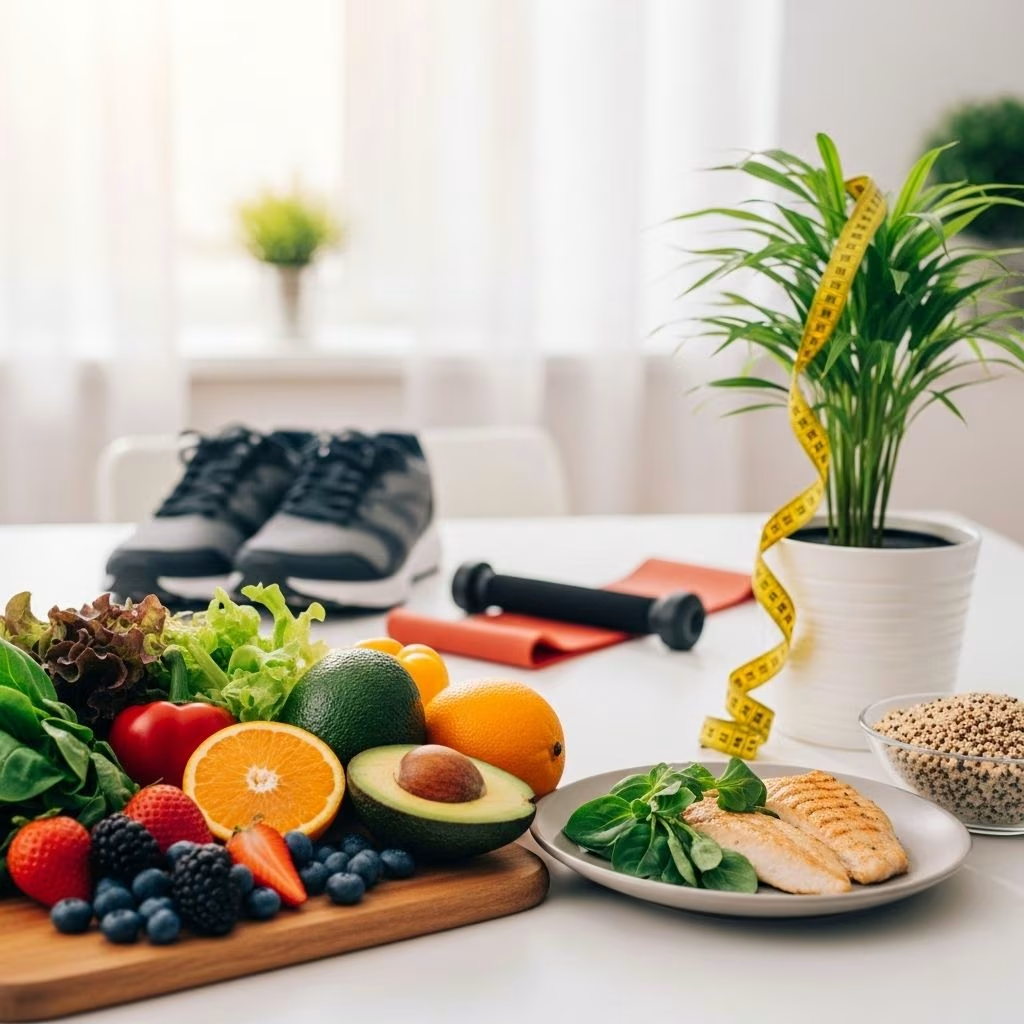
Healthy Weight Loss: Science-Backed Advice from Nutrition Experts
Successful, sustainable weight loss goes far beyond crash diets and quick fixes. Nutrition experts agree that building lasting habits, making smarter food choices, and listening to your body are the keys to shedding pounds and keeping them off for good. This comprehensive guide distills research and expert advice into practical strategies for healthier living, covering essential dietary tips, exercise, mindful eating, and answers to the most common weight-loss questions.
Why Focusing on Health Matters More Than Speed
While rapid weight loss may seem appealing, experts caution against extreme diets or deprivation that can compromise health and slow your metabolism. Safe, lasting weight loss typically occurs at a rate of 0.5–2 pounds per week. Beyond numbers on the scale, prioritizing overall well-being—through better nutrition, movement, and self-care—promotes successful outcomes that last.
Expert Tips for Healthy and Sustainable Weight Loss
- Eat Regular Meals
Maintaining a schedule for meals helps stabilize metabolism and keeps energy levels steady. Experts recommend not skipping meals, as it can lead to cravings and overeating later in the day. Eating regularly also keeps cortisol in check, which may reduce emotional eating episodes.
Tip: Planning meals in advance helps you make healthier choices throughout the day. - Fill Your Plate with Vegetables
Making vegetables the centerpiece of each meal provides filling fiber and essential nutrients while keeping calories lower. Experts suggest making half your plate vegetables whenever possible—for lunch, dinner, and even breakfast.
- Vegetables are rich in water and fiber, aiding satiety.
- Starting meals with veggies can help with portion control and prevent overeating of calorie-dense foods.
- Do Weight Training
Strength or resistance training is essential for building and maintaining muscle mass, which increases metabolism. Even if the scale isn’t dropping as fast as you want, your body composition will improve—you’ll look and feel firmer.
Guideline: Engage in at least two sessions of strength training weekly. This can include bodyweight exercises, resistance bands, or free weights. - Eat a Nutritious Breakfast
Starting your day with a meal rich in protein can curb cravings and stabilize blood sugar. A balanced breakfast sets the tone for more mindful eating choices all day. If you dislike breakfast, you don’t have to force it—but if you’re hungry, choose options with protein and fiber. - Pass on Sugary Drinks
Beverages like soda, sweetened coffee and tea, fruit drinks, and cocktails provide extra calories without fullness. Cutting out these can quickly reduce your calorie intake and help regulate blood sugar.
- Replace sugary drinks with water, flavored with fruits or herbs.
- Reducing liquid calories is often easier than giving up foods, and the effect on weight loss is substantial.
- Increase Daily Activity
Find small opportunities to move throughout the day: take the stairs, walk during phone calls, stand while folding laundry. These movements, known as Non-Exercise Activity Thermogenesis (N.E.A.T.), comprise up to 40% of your daily calorie burn and can add up.
Physical Activity Guideline: Aim for at least 150 minutes of moderate or 75 minutes of vigorous exercise weekly, but remember every bit of movement counts. - Practice Mindful Eating
Slow down, savor your food, and listen to your body’s hunger and fullness cues. Research shows that distracted eating, such as watching TV or scrolling on your phone, leads to overeating. Mindful eating helps reconnect you with your body’s needs and supports more enjoyable, balanced meals. - Write Things Down
Keeping a food journal—whether on paper, in a notes app, or using a weight loss app—can help you track patterns and identify areas for improvement. Studies consistently show that recording what you eat is among the most effective weight-loss tools.
Table: Quick Comparison of Healthy vs Unhealthy Weight Loss Habits
| Healthy Weight Loss Habits | Unhealthy & Unsustainable Practices |
|---|---|
| Regular meals, focusing on vegetables and whole foods | Skipping meals, crash diets, rigid restriction |
| Mindful eating and self-awareness | Distracted eating, emotional eating |
| Consistent physical activity, strength training | Relying only on cardio, no muscle-building |
| Drinking water, limiting sugary and diet beverages | Frequent consumption of sugary drinks, diet sodas |
| Tracking progress, writing down food intake | Ignoring eating habits, no accountability |
Ultra-Processed Foods: Why They’re Harmful for Weight Loss
Mounting research points to the negative effects of ultra-processed foods on weight loss and overall health, even when nutrient content appears similar to minimally processed options.
Ultra-processed foods are typically high in added sugars, unhealthy fats, refined grains, and artificial additives. They are designed to be overly palatable, which can disrupt natural hunger cues and encourage overeating.
- Double the Weight Loss with Whole Foods
Studies found that eating minimally processed whole foods, such as fresh vegetables, lean proteins, and whole grains, leads to roughly double the fat loss compared to diets high in ultra-processed foods—even with equal calories.
Key finding: Whole foods support body fat loss, appetite control, and improved metabolism. - Health Risks Beyond Calories
Ultra-processed diets correspond with increased risks for chronic conditions including cardiovascular disease, diabetes, and depression. These effects persist regardless of body weight, suggesting food composition matters more than calorie counts alone.
Tip: Look for ingredient lists with recognizable whole foods and minimal additives. - Gut Health, Cravings, and Well-Being
People consuming more processed foods report greater cravings, reduced control over eating, more digestive issues, fatigue, and impaired immunity. Whole foods stabilize hunger hormones and support satiety, making it easier to naturally eat fewer calories.
Making Weight Loss Work for You: Flexible, Personalized Strategies
There’s no one-size-fits-all formula for weight loss. Focus on building small, sustainable changes that work for your lifestyle and preferences. Here’s how to optimize your journey:
- Don’t Worry About “Off” Days
One challenging day won’t ruin your progress. Consistency over time matters far more. Allow yourself flexibility—learn from patterns without guilt. - Increase Your N.E.A.T.
Beyond structured exercise, integrate extra movement into your daily routine. Stand while folding laundry, walk as you talk, or stretch often. Small movements add up and help compensate for sedentary desk-based work. - Eat More Protein and Fiber
Both protein and fiber are slow to digest and highly filling. Adding lean meats, legumes, nuts, seeds, and vegetables to meals can reduce cravings and keep you satisfied for longer. - Cut Out Diet Sodas
Even diet sodas can sabotage healthy habits. Research links them with higher calorie intake and weight gain. Opt for water with fruit infusions for a healthy alternative.
FAQs: Your Weight Loss Questions Answered
How fast can I lose weight safely?
Experts recommend aiming for 0.5–2 pounds per week. Faster weight loss via crash diets can backfire, often resulting in muscle loss and slower metabolism.
Are certain foods better for weight loss?
Whole, minimally processed foods—like vegetables, lean proteins, beans, and whole grains—promote fullness and metabolism better than processed foods or those high in sugars and refined grains.
Do I have to exercise to lose weight?
While exercise isn’t strictly required, moving more accelerates weight loss, preserves muscle, and benefits overall health. Even small daily movements (N.E.A.T.) can be significant in your progress.
Can I lose weight if I don’t eat breakfast?
If you’re not hungry early, it’s okay to skip breakfast. However, eating a nutritious breakfast can help stabilize cravings and energy levels for some people.
Are diet sodas bad for weight loss?
Despite being calorie-free, several studies link diet sodas with increased appetite and greater calorie intake overall. Water is always the preferred choice.
What should I do if I have a setback?
A single indulgence or missed workout is normal. Focus on consistency and your overall pattern, not perfection. Learn from setbacks and return to your healthy habits without guilt.
7 Doable Steps for Sustainable Weight Loss
- Build regular meals into your routine.
- Make vegetables a main part of every meal.
- Get at least two sessions of strength training weekly.
- Hydrate with water and skip sugary drinks.
- Add movement throughout your day—every step counts.
- Practice mindful eating by slowing down at meals.
- Track your food choices to spot patterns and progress.
Conclusion: Focus on Health First
True weight loss success is about gradual, consistent changes that optimize health, boost energy, and foster a positive relationship with food and movement. Replace restrictive mindsets with nourishing choices and self-compassion. These expert-backed strategies can help you lose weight in a way that’s satisfying, sustainable, and good for your body.
References
- https://www.prevention.com/food-nutrition/healthy-eating/a65664887/ultra-processed-foods-weight-loss-gut-health-study/
- https://www.prevention.com/weight-loss/diets/a60578947/how-to-lose-weight-fast-safely/
- https://www.prevention.com/weight-loss/a30188568/lose-weight-without-exercise-0/
- https://www.prevention.com/weight-loss/
- https://www.prevention.com/weight-loss/diets/
- https://www.prevention.com/weight-loss/diets/g20440614/25-best-weight-loss-tips-ever/
- https://www.prevention.com/weight-loss/diets/a20718413/apple-cider-vinegar-for-weight-loss/
- https://www.prevention.com/weight-loss/diets/a63515464/diet-trends-2025/
- https://www.prevention.com/weight-loss/a20465042/lose-weight-over-40/
- https://www.prevention.com


