


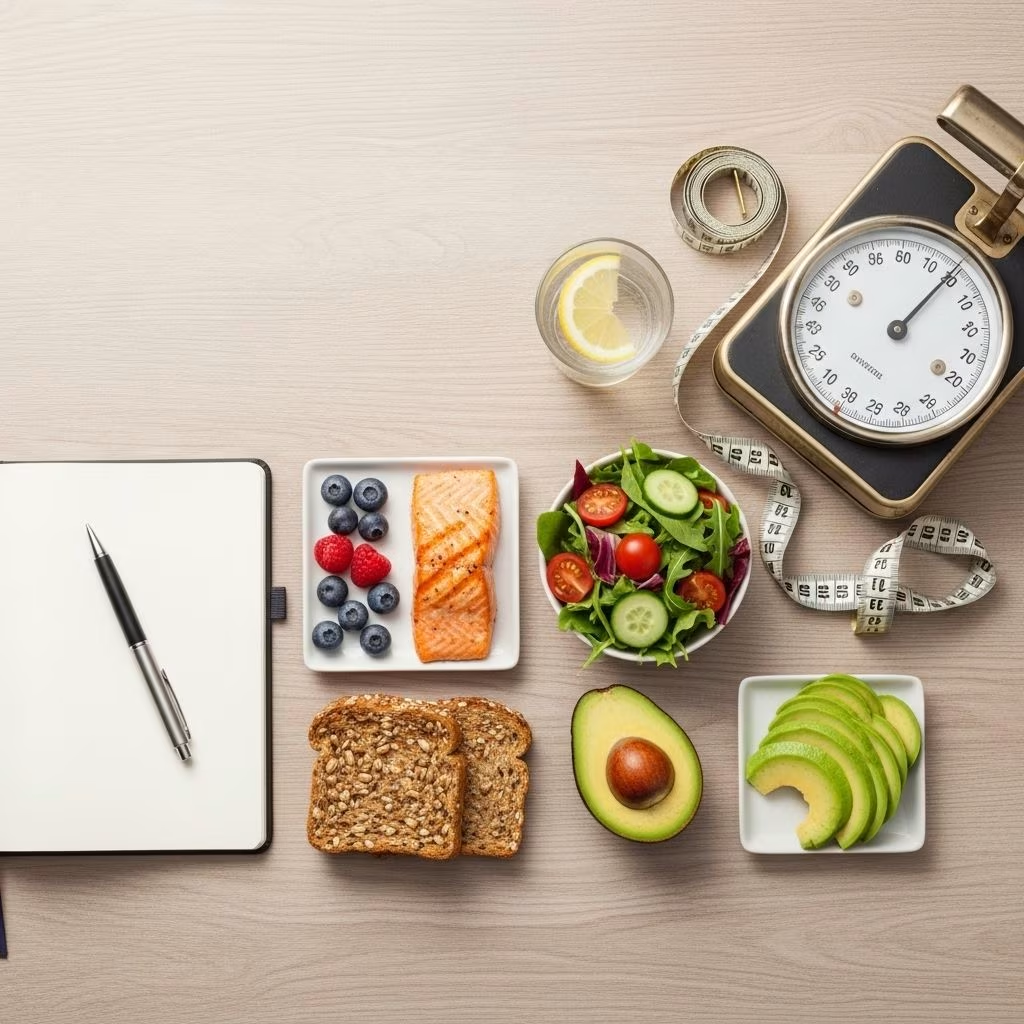
Practical Nutrition Tips for Lasting Weight Loss Success
Achieving lasting weight loss is not about extreme deprivation or fad diets. Instead, it comes down to developing healthy habits, making informed food choices, and understanding your body’s nutritional needs. This comprehensive guide synthesizes expert-backed tips for safe, sustainable weight loss, emphasizing nutrition, metabolism, and realistic lifestyle changes.
Foundational Principles for Healthy Weight Loss
Healthy weight loss is built on three pillars: balanced nutrition, regular physical activity, and sustainable habits. Let’s begin with the core principles you should keep in mind:
- Focus on nutrient density. Choose foods that pack vitamins, minerals, fiber, and lean protein into every calorie.
- Set realistic goals. Small, attainable targets help you build confidence and momentum. Celebrate progress, not perfection.
- Prioritize whole foods. Fruits, vegetables, whole grains, lean proteins, and healthy fats are vital for satiety and sustained energy.
- Practice mindful eating. Slow down, savor your food, and tune into your body’s hunger and fullness cues.
- Limit ultra-processed foods. These are often high in calories, sodium, sugar, and unhealthy fats, which can sabotage your progress.
Metabolism-Boosting Nutrients and Foods
Your metabolism—the rate at which your body burns calories—can be influenced by certain nutrients and food choices. Understanding these helps you optimize your diet for fat loss and energy:
- Protein: Consuming 25-30g protein per meal boosts calorie burn due to the higher energy required for digestion. High-protein choices keep you full and preserve muscle mass during weight loss.
- Soluble fiber & prebiotics: Found in foods like flaxseeds, lentils, and beans, soluble fiber feeds “good” gut bacteria, enhancing metabolism and energy extraction.
- Iron: Crucial for enzyme reactions, iron deficiency can slow metabolism and energy production. Lean meat, beans, and spinach are good sources.
- Fermented foods (probiotics): Yogurt, kefir, sauerkraut, and kimchi support gut health, which may aid metabolic efficiency.
Sample Table: Metabolism-Boosting Foods
| Food | Key Nutrient | Sample Serving | Tip |
|---|---|---|---|
| Greek Yogurt | Protein, Probiotics | 1 cup | Add fruit or nuts for texture |
| Flaxseeds | Soluble fiber, Protein | 2 tbsp. | Sprinkle in smoothies or oatmeal |
| Lentils | Prebiotic fiber, Protein | 1 cup cooked | Use in salads or stews |
| Spinach | Iron | 1 cup raw | Add to omelettes or wraps |
Essential Dietary Changes for Weight Management
Adjusting your eating patterns can make a profound difference in both short- and long-term weight loss. Here are the most impactful dietary strategies:
- Fill your plate with half vegetables. Vegetables are fiber- and nutrient-rich, low in calories, and help you feel full, making portion control easier.
- Add lean protein to each meal. Protein not only supports metabolism but also reduces hunger and cravings. Good sources include poultry, fish, eggs, beans, and low-fat dairy.
- Swap refined grains for whole grains. Whole grain bread, pitas, tortillas, and flatbreads provide more fiber and nutrients than their white counterparts.
- Limit ultra-processed foods. Reduce intake of foods high in preservatives, unhealthy fats, sodium, and added sugars. Rely on simple, whole-food ingredients.
- Hydrate smartly. Drink enough water throughout the day to support digestion, energy, and metabolism. If plain water isn’t appealing, add lemon, mint, or berries for flavor.
- Choose low-fat dairy/fortified soy alternatives. These options provide calcium and protein with less saturated fat.
- Cook with healthy fats. Replace corn and peanut oil with olive oil. Transition to lower-fat dairy gradually if needed.
- Frozen vegetables are your friend. They may retain more nutrients than fresh varieties that have been in transit for days, and they’re convenient for quick meals.
Lifestyle Modifications That Support Weight Loss
Nutrition alone isn’t enough; physical activity and daily habits matter greatly. Integrating exercise and smart routines enhances your results:
- Practice strength training. Engage in weight or resistance exercises at least twice a week to build muscle. Muscle tissue burns more calories at rest, helping sustain weight loss.
- Eat breakfast—if it suits your body. Starting the day with a protein-rich meal keeps you satisfied, regulates appetite, and kick-starts metabolism.
- Set small achievable goals. Break larger objectives into manageable steps, such as increasing daily water intake or adding an extra serving of vegetables per meal.
- Use herbs and spices instead of salt or butter. Create flavor without extra calories or saturated fat by experimenting in the kitchen.
- Indulge in naturally sweet desserts. Choose fresh fruit, fruit salads, or baked apples with cinnamon over processed sweets to satisfy cravings while staying on track.
Pantry Pivots and Smart Swaps
A successful weight loss journey often starts with your kitchen. Making strategic swaps in your pantry sets you up for better choices each day:
- Change your oils. Replace corn and peanut oil with olive oil for heart-healthy fats.
- Choose whole wheat over white bread. Higher fiber and more nutrients support satiety and digestion.
- Opt for lean proteins. Substitute fatty cold cuts with canned tuna, turkey breast, or lean roast beef.
- Gradually switch to reduced-fat dairy. If whole milk is hard to give up, step down to 2% or 1% before transitioning to fat-free versions.
- Stock frozen vegetables. Minimize food waste and ensure a steady supply of nutrient-rich produce.
- Understand peanut butter labels. Common brands have extremely low trans-fat content, and the sugar difference versus natural options is minor.
Tip Table: Quick Pantry Swaps
| Swap This | For This | Benefits |
|---|---|---|
| Corn Oil | Olive Oil | More heart-healthy monounsaturated fats |
| White Bread | Whole Wheat Bread | Extra fiber, longer-lasting fullness |
| Fatty Cold Cuts | Lean Turkey or Tuna | Lean protein, reduced saturated fat |
| Whole Milk | 1% or Fat-Free Milk | Lower calories, less saturated fat |
| Stale Fresh Veggies | Frozen Veggies | Retain nutrients, less waste |
Frequently Asked Questions (FAQs)
Q: Do I need to eat breakfast to lose weight?
A: Not necessarily. Breakfast can regulate appetite and support metabolism, but it is more important to listen to your body’s cues. Some people do well with breakfast, while others prefer to wait until later in the day. If you skip breakfast, focus on balanced meals and snacks later.
Q: How much protein should I eat for weight loss?
A: For optimal metabolism and satiety, aim for 25–30g of protein at each meal. Lean meat, fish, dairy, beans, and lentils are excellent choices.
Q: Can frozen vegetables be as nutritious as fresh?
A: Yes. Frozen vegetables are often flash-frozen shortly after harvest, preserving nutrients. They are convenient and prevent waste, especially compared to fresh veggies that may spend days in transit.
Q: What are some healthy desserts that satisfy cravings?
A: Fresh fruit, baked apples with cinnamon, or fruit salad make excellent, naturally sweet desserts without excess calories or added sugars.
Q: How much water should I drink per day?
A: General guidelines recommend about 11.5 cups (2.7 liters) per day for women and 15.5 cups (3.7 liters) for men. Water needs depend on activity level, climate, and individual metabolism.
Q: Should I avoid all processed foods?
A: Minimizing ultra-processed foods is ideal, but occasional consumption within an otherwise balanced diet is not harmful. Focus on making whole, minimally processed foods the majority of your intake.
Expert Tips for Staying on Track
- Meal prep. Prepare meals and snacks in advance to avoid impulsive unhealthy choices.
- Keep healthy snacks visible. Store fruit on the counter, cut veggies in the fridge, and assemble grab-and-go options.
- Upgrade sauces and seasonings. Use low-fat marinara or vegetable-based sauces over cream and butter sauces to control saturated fat and calories.
- Experiment with whole-grain options. Try pitas, naan, and tortillas made from whole grains for variety and nutrition.
- Flavor drinks naturally. Infuse water or seltzer with citrus, herbs, or berries for taste and refreshment without added sugar.
Healthy Eating Across Different Life Stages
While most nutrition principles apply universally, older adults and those with special health conditions may benefit from tailored approaches:
- Substitute wisely in recipes. Use unsweetened applesauce for butter in baking, and low-fat milk for cream to reduce calories and saturated fat.
- Opt for dairy alternatives. Lactose-free milk, fortified soy drinks, or yogurt provide important nutrients with less discomfort for those sensitive to lactose.
- Enjoy a variety of grains. Mix and match whole-grain products like pitas, tortillas, and breads for taste and health.
Your Action Plan for Sustainable Weight Loss
Creating a healthy eating pattern is a journey, not a quick fix. Here’s a practical action plan to get started and stay motivated:
- Set clear, personal goals. Identify your “why” for losing weight and outline specific, measurable steps.
- Monitor progress. Track food choices, physical activity, and emotional responses. Adjust strategies based on your observations.
- Build a support network. Share your journey with friends, family, or a registered dietitian for accountability and encouragement.
- Celebrate non-scale victories. Acknowledge improvements in energy, strength, sleep, and mood as signs of success.
- Embrace flexibility. Life changes, and so do routines. Adapt your habits as needed rather than abandoning them.
Final Thoughts
Weight loss success is rooted in nourishing your body, moving regularly, and practicing positive, sustainable habits. With diligence, patience, and evidence-based strategies, you can attain and maintain a healthy weight while enjoying food and life to the fullest.
References
- https://www.prevention.com/weight-loss/diets/a60578947/how-to-lose-weight-fast-safely/
- https://www.prevention.com/weight-loss/a20456466/diet-and-healthy-weight-loss-advice/
- https://www.prevention.com/food-nutrition/healthy-eating/a65919516/foods-to-boost-metabolism/
- https://www.myplate.gov/life-stages/older-adults
- https://www.prevention.com/food-nutrition/healthy-eating/g23065278/high-protein-foods/
- https://www.prevention.com/food-nutrition/
- https://www.prevention.com/food-nutrition/a63749873/guide-to-eating-protein/
- https://www.prevention.com
- https://www.prevention.com/weight-loss/a20441412/9-ways-to-save-calories-at-happy-hour/


