


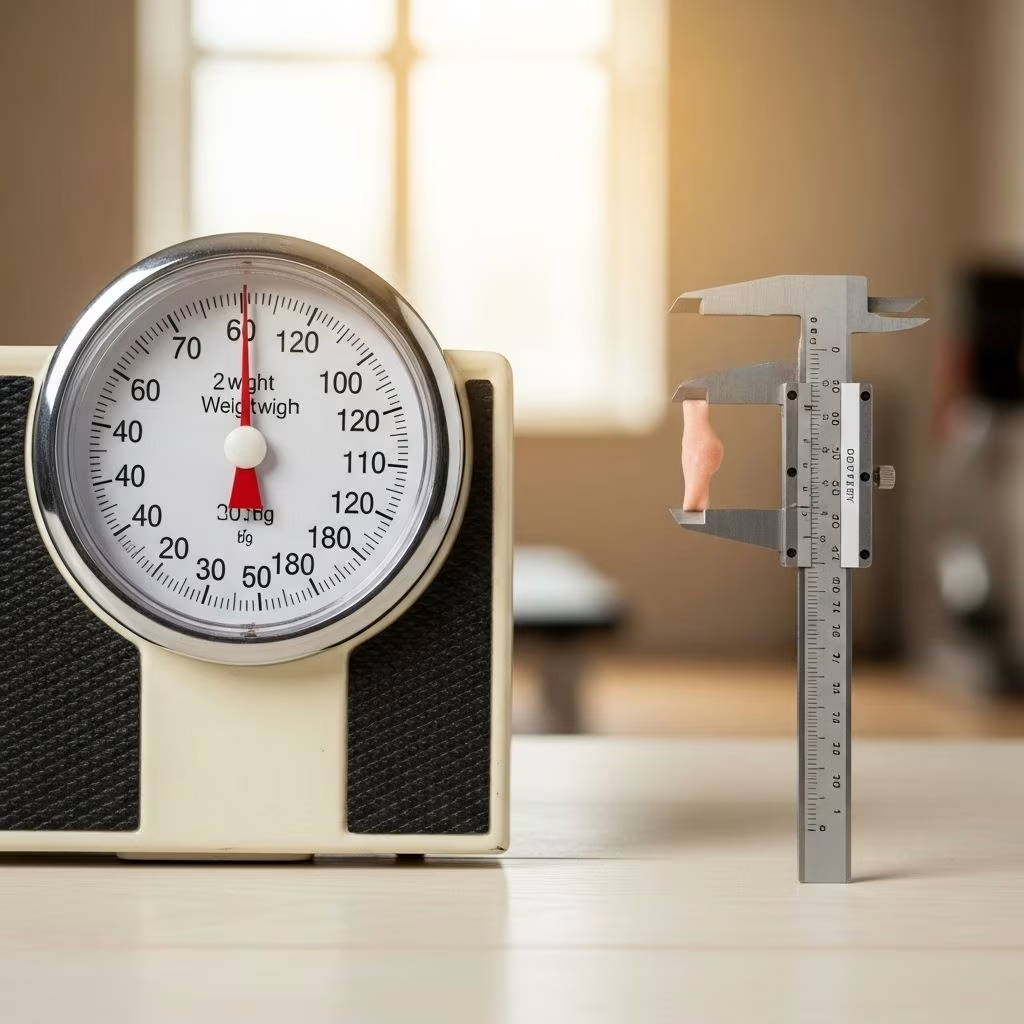
Most people seeking to lose weight focus on the number they see on the scale. But is this the best way to assess your health or fat loss progress? Experts agree: body fat percentage, rather than total weight, provides a deeper, more accurate picture of your true health. Understanding the distinction is critical for anyone striving for sustainable results and improved well-being.
Understanding Weight vs. Body Fat
Your weight is the sum of everything that makes up your body, including water, muscle, fat, bone, organs, and even undigested food. Body fat percentage, however, specifically measures how much of your body is composed of fat tissue. That distinction is vital because two people can weigh exactly the same but have very different body compositions and, consequently, very different health profiles.
- Weight: Overall mass measured by a scale, including fat, muscle, water, bone, and organs.
- Body Fat Percentage: The proportion of total weight that is made up of fat.
Why does this differentiation matter? Because body composition—the ratio of fat to muscle—is a better indicator of fitness, metabolic health, and even longevity than weight alone.
Why Body Fat Matters More Than the Scale
Losing “weight” often means you can be losing water, muscle, or fat. But sustainable, healthy weight loss really means losing excess body fat while preserving (or building) lean muscle mass. Here’s why body fat percentage should take center stage:
- Better predictor of disease risk: Higher body fat, especially visceral fat (the kind that surrounds your organs), is linked to increased risk of heart disease, strokes, diabetes, and other chronic conditions.
- Muscle matters: Losing muscle during weight loss can slow your metabolism and make it harder to keep weight off in the long run.
- Scale fluctuations can mislead: Water retention, hormonal changes, and even the timing of your last meal can alter your weight by several pounds in a single day.
- Body shape changes often precede scale changes: You may look and feel healthier as you lose inches—even if the scale stalls—because you’re trading fat for muscle.
How to Tell If You Have Too Much Body Fat
It’s possible to have a “healthy” weight based on a BMI chart but still have an unhealthy amount of body fat (a phenomenon sometimes called “normal weight obesity”). Relying only on the scale can keep you blind to true health risks. Common signs of excess body fat include:
- Carrying most of your weight around the midsection (“apple-shaped”)
- Struggling with low energy, joint discomfort, or decreased muscle definition
- Poor metabolic health even if you look “thin” (high blood pressure, poor cholesterol, elevated blood sugar)
Methods to Estimate Body Fat
While the gold-standard DEXA scan or hydrostatic weighing aren’t practical for everyone, these methods can provide estimates:
- Bioelectrical Impedance Scales (BIA): Widely available, but results can vary based on hydration status.
- Skinfold Calipers: A skilled practitioner can estimate body fat via pinch tests.
- Body Circumference Measurements: Tracking waist, hip, and limb circumferences and using online calculators.
- Appearance and Fit of Clothing: Not scientific, but a consistent, real-world gauge of body composition.
Why You Might Not See the Number on the Scale Drop—And Why That’s Okay
Many people become frustrated when working out and eating better, only to see the scale barely budge—or even increase. This could reflect beneficial muscle gain (which is denser than fat), water retention from intense exercise, or normal daily fluctuations. Far more important is how your body fat is changing over time. Some key points:
- Lifting weights or doing resistance training builds muscle, which helps burn more calories at rest.
- Fat takes up more space than muscle—so you may notice looser clothes or a leaner appearance even with stable weight.
- Body composition changes reflect real health progress, which may not be visible on the scale each week.
Fat Loss vs. Weight Loss: What’s the Difference?
| Weight Loss | Fat Loss |
|---|---|
| Can result from losing water, muscle, or fat | Targets excess body fat while preserving muscle |
| May lead to lower metabolism if muscle is lost | Improves metabolic health and body shape |
| The scale may fluctuate daily | Inch loss and better body composition |
| Does not always mean improved health | Reduces disease risk and boosts vitality |
Focus your efforts on fat loss for more meaningful, sustainable results. Muscle is your metabolic ally—helping you burn more calories and power through daily life at every age.
Smart Strategies for Losing Body Fat—Not Just Weight
Real transformation comes from losing fat while maintaining (or building) muscle mass, which requires a strategic approach that goes beyond simple calories in vs. calories out. Here’s how:
1. Prioritize Strength Training
Weightlifting, resistance bands, or bodyweight circuits stimulate muscle growth and fat-burning, even after your workout ends. Aim for at least two to three sessions per week, working all major muscle groups.
2. Incorporate Cardiovascular Exercise
Aerobic activity burns calories and helps reduce visceral fat—the most dangerous type. Mix moderate-intensity exercise (brisk walking, cycling) with higher-intensity intervals for the best results.
3. Eat Enough Protein
Protein preserves muscle, especially during a calorie deficit, and helps you feel full. Experts recommend 0.8–1.2 grams of protein per kilogram of body weight, or more if you’re very active. Quality sources include fish, eggs, poultry, beans, nuts, and dairy.
4. Fill Up on Fiber
Aim for at least 25 grams of fiber daily from a variety of whole grains, beans, fruits, and vegetables. Fiber both suppresses appetite and supports the growth of healthy gut bacteria instrumental for weight management.
5. Don’t Fear Healthy Fats
Dietary fat is not the enemy—especially when sourced from foods like avocado, olive oil, nuts, seeds, and fatty fish. These fats help fill you up, aid absorption of nutrients, and improve cholesterol profiles.
6. Be Mindful with Carbohydrates
Whole, minimally processed carbs (like quinoa, oats, sweet potatoes, and legumes) offer nutrients and stable energy. Avoid ultra-processed foods that spike blood sugar and drive cravings.
7. Ditch Gimmicks and Crash Diets
Avoid strategies that promise rapid “water weight” loss or drastically slash calories. These typically lead to muscle loss, nutritional deficiencies, and stubborn rebounds.
8. Track Progress Beyond the Scale
- Take regular body measurements (waist, hips, chest, arms, thighs)
- Note how clothes fit and how you feel physically and mentally
- If available, use periodic body fat assessments to monitor changes
Why the Type of Fat You Carry Matters
Not all fat is created equal. Where you store fat on your body heavily influences your risk for disease:
- Visceral Fat: Deep, abdominal fat wrapping around internal organs. Increases risk for heart disease, diabetes, and more.
- Subcutaneous Fat: Sits just beneath the skin; less directly harmful but can contribute to inflammation, especially in excess.
Women naturally carry more subcutaneous fat, especially in thighs and hips, due to hormonal protections. However, excess visceral fat—most commonly seen in people with an “apple-shaped” body—poses the greatest risk for metabolic disorders and should be a primary target in fat loss efforts.
Diet Quality: Processed vs. Minimally Processed Foods
The types of foods you eat are as important as the calories you consume. Studies demonstrate that minimally processed foods—whole, nutrient-dense, rich in fiber and protein—lead to healthier, more sustainable fat loss. Diets high in ultra-processed foods often cause overeating, metabolic dysfunction, and unhealthy changes in body composition. Switching to a whole-food diet helps:
- Promote greater fullness with fewer cravings
- Support stable blood sugar and lower triglycerides
- Encourage higher muscle retention as pounds fall
- Improve gut health, which research links to easier weight control and reduced inflammation
Best Fat-Loss Foods to Support Your Goals
- Lean Proteins: Chicken breast, turkey, eggs, fish, legumes, tofu
- High-Fiber Vegetables: Broccoli, Brussels sprouts, spinach, arugula
- Whole Grains: Quinoa, brown rice, oats, barley
- Healthy Fats: Avocado, olive oil, nuts, fatty fish (salmon, sardines)
- Low-Sugar Fruits: Berries, apples, grapefruit
Bonus: Hydrate Often
Water is essential for fat metabolism and can naturally suppress appetite. Avoid sugary drinks that add empty calories and can sabotage your progress.
When to Seek Professional Help
If you’re struggling to lose excess fat despite healthy habits, or if you have underlying health conditions like diabetes, high blood pressure, or sleep apnea, consulting a physician or registered dietitian can help. Expert support may reveal:
- Hidden medical factors (like thyroid problems or hormonal imbalances)
- Custom nutrition and exercise plans tailored to your needs
- Guidance on when medical interventions or medications are appropriate
Frequently Asked Questions (FAQs)
What is the ideal body fat percentage for health?
Healthy body fat ranges vary by age and gender, but generally, women should aim for 20–30% and men for 10–20%. Levels above these may increase health risks.
Can I lose fat and gain muscle at the same time?
Yes, especially for beginners. Prioritizing protein and strength training while being in a slight calorie deficit can help you “recompose” your body—reducing fat and adding muscle.
How can I track my body fat percentage accurately?
Use methods like professional DEXA scans, BIA scales, or skinfold calipers for estimates. The most important thing is to use the same method consistently to track trends over time.
Are “fat-burning” foods real?
No single food can “melt” fat, but high-fiber, protein-rich, and whole foods can support healthy metabolism and satiety, making it easier to reach and maintain a healthy body composition.
What is the best exercise for losing fat?
A blend of cardiovascular activity and full-body resistance training yields the best fat-burning results. Consistency and progressive overload (gradually increasing workout intensity) are key.
Key Takeaways: Focus on Body Fat for Lasting Success
- Body composition—not just scale weight—determines true health and fitness.
- Fat loss should always aim to preserve muscle for the best metabolic and long-term results.
- Track diverse progress markers, including how clothes fit, body measurements, and energy, rather than solely relying on the scale.
- Build a foundation of whole, minimally processed foods, and active movement to optimize your body for fat loss—and lifelong well-being.
References
- https://www.prevention.com/weight-loss/a41756122/types-of-belly-fat/
- https://www.prevention.com/weight-loss/g24805401/fat-burning-foods/
- https://www.prevention.com/weight-loss/diets/a60578947/how-to-lose-weight-fast-safely/
- https://www.prevention.com/food-nutrition/healthy-eating/a65664887/ultra-processed-foods-weight-loss-gut-health-study/
- https://www.prevention.com/weight-loss/a30188568/lose-weight-without-exercise-0/
- https://www.prevention.com/weight-loss/a36065492/rethinking-body-weight/
- https://www.prevention.com/weight-loss/
- https://www.prevention.com/weight-loss/g20434758/the-3-body-types-and-how-they-affect-your-weight-loss/
- https://www.prevention.com
- https://www.prevention.com/weight-loss/a20465042/lose-weight-over-40/


