


Simple, Fast Ways to Lose Weight Without Feeling Deprived
Losing weight doesn’t have to mean crash diets, grueling workouts, or giving up your favorite foods. The best approach is often the simplest: small, science-backed changes to your daily routine that add up to real results over time. This guide reveals practical strategies and clever tricks to help you shed pounds quickly, sustainably, and—most importantly—without feeling hungry, frustrated, or deprived.
Why Simple Strategies Work Better
Many weight loss approaches fail because they’re too restrictive or complex to maintain. Research shows that focusing on small, achievable changes—such as portion control, smarter food choices, and gentle increases in activity—leads to greater long-term success. You’ll build healthy habits, stay motivated, and avoid the endless cycle of yo-yo dieting.
13 Simple, Effective Weight Loss Hacks
Below, you’ll find a selection of proven strategies—each designed to be easy to start and fit with real life. Use one, a few, or rotate throughout your week:
- Swap Juice for a Spritzer: Mix half the amount of your favorite juice with water or sparkling water to slash up to 85 calories per glass.
- Pay Cash for Treats: Every time you say yes to a treat, set aside a small cash amount to give away. This heightens your awareness of snacking and naturally curbs the habit.
- Check Nutrition Labels Carefully: Packaging can be misleading—always check serving sizes to avoid hidden calories.
- Eat from Smaller Plates: Using smaller dishes can trick your brain into feeling satisfied with less food.
- Don’t Skip Meals: Maintain steady energy, reduce cravings, and prevent overeating later by having regular, balanced meals.
- Take a Post-Meal Walk: Even a brisk 15-minute stroll after eating can help stabilize blood sugar and burn calories.
- Track What You Eat: Use a smartphone app to log your meals or take photos—simply being mindful of your intake can naturally lead to eating less.
- Practice Portion Awareness: Use visual cues—such as your palm for protein size or a fist for carbs—to guide servings.
- Meal Prep for Success: Preparing healthy meals ahead prevents impulsive eating and helps you control ingredients and portions.
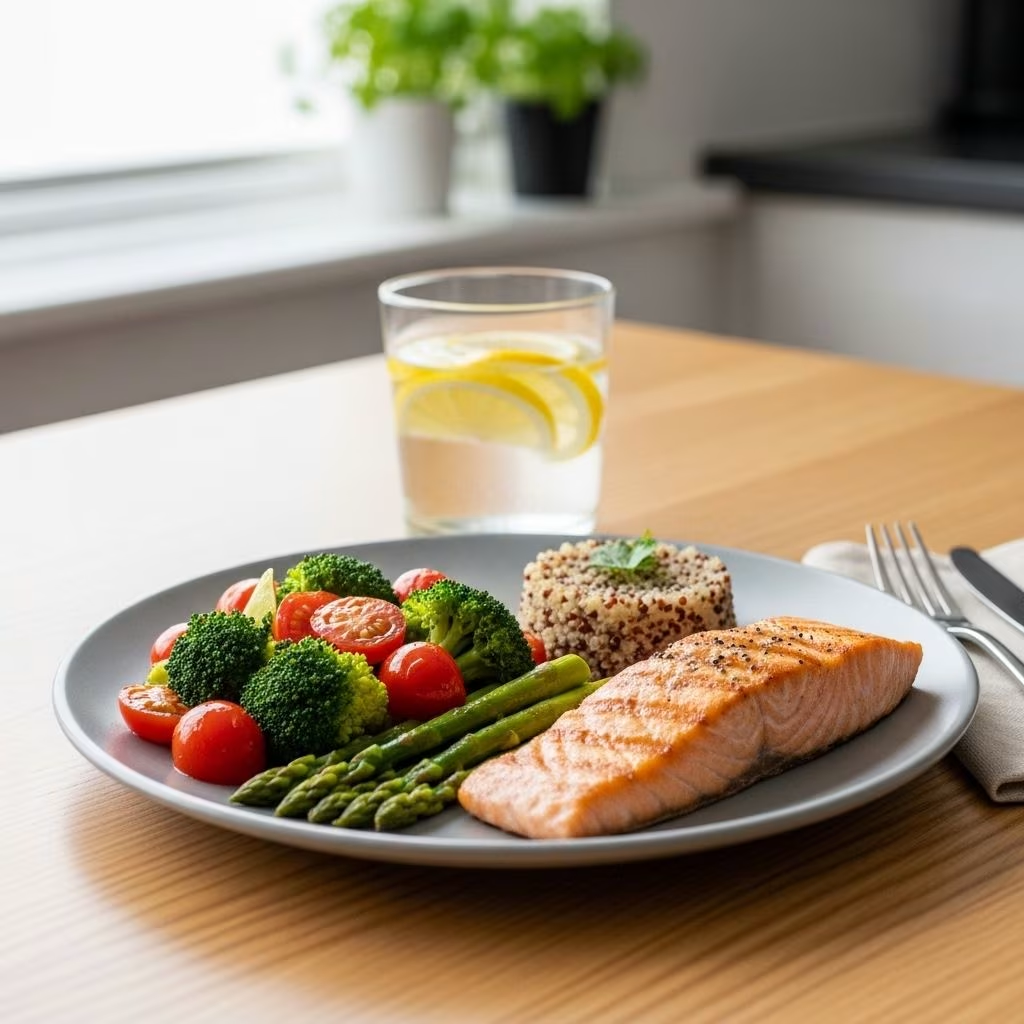
- Fill Half Your Plate with Vegetables: Non-starchy vegetables add bulk, fiber, and nutrients, helping you feel full on fewer calories.
- Limit Liquid Calories: Drinks like soda, alcohol, and energy drinks are packed with calories but won’t satisfy hunger.
- Keep Healthy Snacks Handy: Prepare grab-and-go options such as sliced veggies, fruit, or nuts to avoid high-calorie temptations.
- Move More, However You Can: Take the stairs, park farther away, clean with vigor—every bit of activity counts.
Portion Control: The Secret Weapon
Portion size is one of the most important, yet underestimated, levers for weight loss. Studies reveal that people often eat everything served to them—even if portions are oversized. By simply controlling serving sizes, you can cut hundreds of calories, often without even noticing.
- Use bowls and plates that are 8-9 inches in diameter.
- Visual cues: A clenched fist is roughly 1 cup (good for carbs/veggies), your palm is about 4 oz (ideal for lean proteins), and 2 tbsp fits on your thumb (healthy fats).
- Consider plating in the kitchen and leaving serving dishes off the table to avoid seconds without thinking.
Smart Swaps for Everyday Meals
Eating smarter isn’t about sacrifice—it’s about simple substitutions that keep calories in check while delivering maximum nutrition and satisfaction. Try these swaps:
- Opt for whole fruit over fruit juice.
- Choose mustard or hummus instead of mayo on sandwiches.
- Swap white bread for 100% whole grain options.
- Snack on air-popped popcorn instead of chips.
- Order a broth-based soup as a low-calorie appetizer—filling you up so you eat less at the main meal.
NEAT: Burn Calories Without the Gym
Not all calorie-burning happens in the gym. NEAT (Non-Exercise Activity Thermogenesis) is the energy you burn through everyday activities—walking, cleaning, even fidgeting. Research shows that simply moving more throughout the day can boost your calorie burn by hundreds, even 1,000 calories daily, helping you lose weight without structured exercise sessions.
| Everyday NEAT Activities | Approx. Calories Burned/Hour |
|---|---|
| Standing while talking on the phone | +10-20 |
| Pacing during meetings | +20-50 |
| Taking the stairs, not the elevator | +50-100 |
| Energetic house cleaning | +150-200 |
| Walking to run errands (instead of driving) | +80-120 |
- Walk around while on conference calls.
- Set reminders to stand up and stretch every 30-60 minutes.
- Try walking meetings with colleagues or friends.
- Look for small movement opportunities: do calf raises while brushing teeth, or squats while waiting for the microwave.
Structuring Your Day for Success
Routine is your ally. By mapping out your meals and activity in advance, you’ll reinforce healthy behaviors and reduce decision fatigue. Here’s a sample structure that fits busy lifestyles:
- Morning: Prepare a filling, protein-rich breakfast (like eggs and veggies, or Greek yogurt with fruit). Aim for at least 20g protein to control hunger.
- Lunch: Build meals around lean proteins, whole grains, and plenty of vegetables.
- Afternoon: Schedule a brisk walk or short movement break to counteract sedentary time.
- Snacks: Reach for raw veggies, a handful of nuts, or fruit—portion out in advance to avoid mindless munching.
- Dinner: Fill half your plate with non-starchy veggies, a quarter with protein, and a quarter with a healthy carb or grain.
- Evening: Plan post-dinner activities that aren’t food-centric (like a hobby or light stretching) to prevent late-night snacking.
Eat Mindfully, Not Mindlessly
Mindful eating means truly paying attention to what, why, and how you eat. This can help you tune in to hunger cues and reduce overeating caused by stress or boredom.
- Sit down to eat—avoid meals in front of the TV or computer.
- Chew slowly, putting your fork down between bites.
- Pause halfway through and check: are you still hungry or just eating out of habit?
Planning for Parties, Treats, and Real Life
Social events and treats don’t have to derail your progress. Use these tips to enjoy yourself without guilt:
- Eat a small, protein-rich snack before parties to avoid arriving ravenous.
- Start with veggies and lean proteins at buffets.
- Allow yourself special treats, but portion them out and savor each bite.
- Plan ahead for indulgent meals—balance them with lighter choices throughout the rest of the day or week.
Technology Tools That Make It Easier
- Use diet tracking apps to log meals and exercise effortlessly.
- Wearable activity trackers can help you monitor your steps and set movement goals, providing motivation through feedback.
- Photo logging: snap a picture of your plate before eating—it creates instant accountability.
Healthy Habits That Support Weight Loss
- Drink a glass of water before each meal—it helps curb appetite.
- Get adequate sleep (7–8 hours) as deprivation triggers hunger hormones and cravings.
- Start meals with a broth-based soup or salad to increase fullness.
- Keep tempting foods out of sight (and out of mind)—store them in opaque containers or high shelves.
- Seek social support—share your goals with friends or family who can encourage and motivate you.
Sample One-Day Easy Weight Loss Meal Plan
| Meal | Menu Example |
|---|---|
| Breakfast | Greek yogurt with mixed berries and a sprinkle of nuts |
| Mid-morning snack | Apple slices with almond butter |
| Lunch | Grilled chicken or tofu salad with leafy greens, tomatoes, and vinaigrette |
| Afternoon snack | Hummus with carrot and bell pepper strips |
| Dinner | Baked salmon or beans, quinoa, and roasted vegetables |
| Dessert (optional) | Fresh fruit or a small square of dark chocolate |
Expert Tips for Staying Motivated
- Set realistic, specific goals (e.g., “I will walk for 20 minutes each day”).
- Monitor your progress—track your habits, not just the scale.
- Celebrate small victories (like choosing veggies over fries at lunch).
- Forgive slip-ups quickly and refocus on your next healthy decision.
Frequently Asked Questions (FAQs)
Q: Do I have to give up my favorite foods to lose weight?
A: No. The most sustainable weight loss plans include all your favorites in moderation. Portion control, planning, and mindful eating let you enjoy treats without going off track.
Q: How quickly can I expect to see results with these tips?
A: Most people notice changes in energy and mood in the first week. A safe rate of weight loss is 1–2 pounds per week, depending on individual metabolism and how many strategies you incorporate.
Q: Do I need to exercise to lose weight?
A: While structured exercise is beneficial, the real magic is in daily movement (NEAT activities) and healthy eating. Any increase in physical activity—even walking or taking more steps—boosts your results.
Q: What if I have lots of weight to lose?
A: The same principles apply: focus on sustainable, small changes. Use technology for motivation and accountability, and don’t be afraid to seek support from health professionals if needed.
Q: How can I handle plateaus or slowdowns?
A: Plateaus are normal. Tweak your routine by increasing activity, revisiting portions, and staying patient—weight loss is often non-linear, but consistency pays off.
Start Small, Feel Great, Keep It Off
Successful weight loss is not about drastic deprivation or all-or-nothing diets. It’s about stacking simple, doable strategies that work with your lifestyle, not against it. These easy tricks can help you build new habits, increase confidence, and see real—lasting—results. The greatest victory? You’ll feel healthier and happier every step of the way.
References
- https://www.prevention.com/weight-loss/g20442982/35-one-minute-weight-loss-secrets/
- https://www.prevention.com/weight-loss/a20437039/100-easy-tricks-to-move-more-and-lose-weight/
- https://www.prevention.com/weight-loss/a30188568/lose-weight-without-exercise-0/
- https://www.prevention.com/weight-loss/g20450133/50-ways-to-lose-10-pounds/
- https://www.prevention.com/weight-loss/g20494908/how-to-start-losing-weight/
- https://www.prevention.com/weight-loss/a20456701/simple-fast-to-lose-weight/
- https://www.prevention.com/weight-loss/a20498466/technique-to-use-for-fast-weight-loss/
- https://www.prevention.com
- https://www.prevention.com/weight-loss/g20445915/7-ways-to-lose-weight-in-7-days/


