


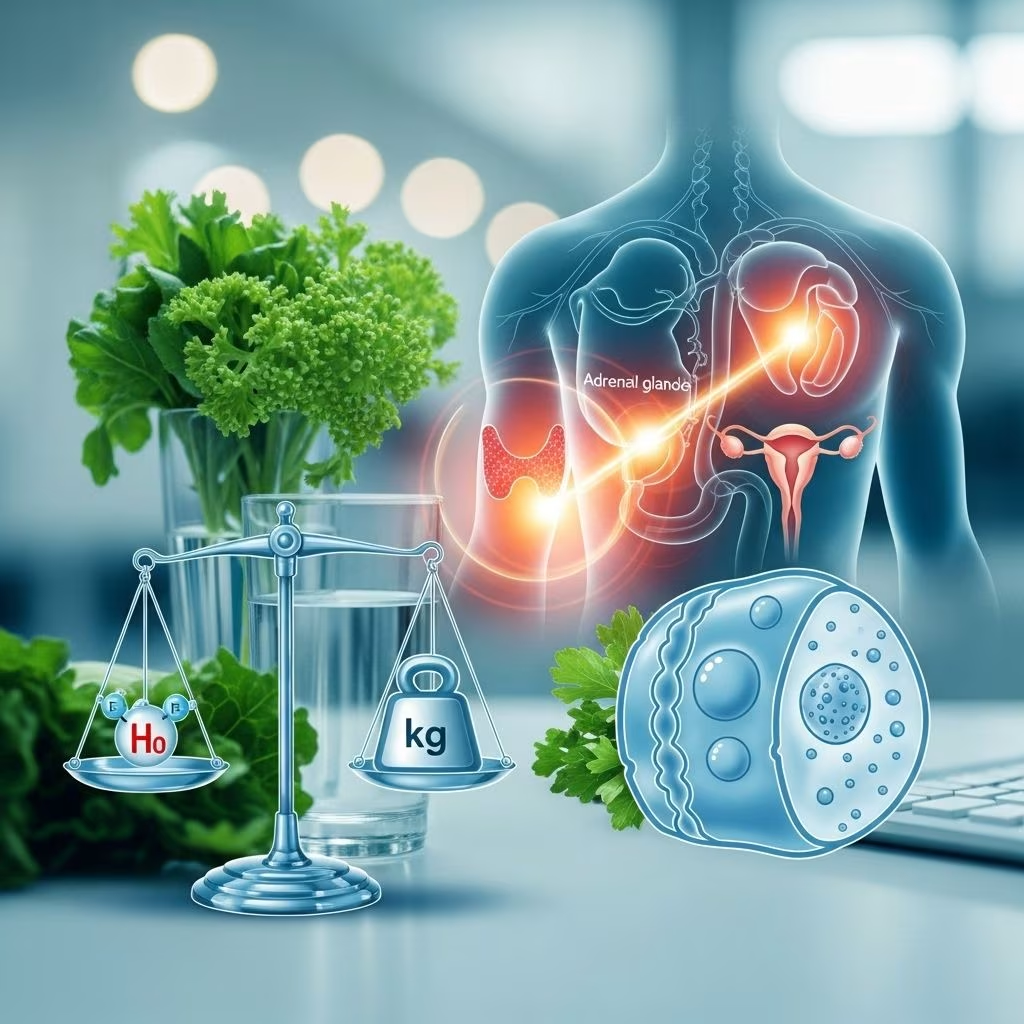
How Hormones Cause Weight Gain—and What You Can Do About It
Despite our best efforts with diet and exercise, weight gain can seem inevitable—especially with age, chronic stress, or certain health conditions. While it’s easy to blame willpower or calories alone, a powerful (and often overlooked) factor is hormonal imbalance. Your body’s complex web of hormones directly shapes hunger, energy use, fat storage, and even how resilient you are to healthy habits. Understanding the hormonal roots of weight gain unlocks new paths to lasting change.
The Connection Between Hormones and Weight
Hormones are the body’s chemical messengers—regulating appetite, metabolism, body fat distribution, blood sugar, and energy expenditure. Disruptions in these signals—whether from age, stress, sleep loss, or underlying medical conditions—can tip the scales by:
- Increasing hunger and cravings, especially for sugar and processed foods
- Slowing metabolism and fat burning, making weight loss harder
- Shifting fat storage to stubborn areas (belly, hips, thighs)
- Reducing energy, mood, and motivation to sustain healthy habits
Weight regulation is not just about calories in versus calories out—it’s about biochemical balance, and lifestyle choices can influence hormonal health.
Why Hormonal Imbalances Lead to Weight Gain
Elevated or deficient hormone levels can drive weight gain in ways that defy conventional calorie math. Major hormones at play include:
| Hormone | Main Function | How Imbalance Affects Weight |
|---|---|---|
| Estrogen | Regulates female metabolism, fat distribution, appetite | Low levels (menopause/perimenopause) cause belly fat gain, water retention, and slowed calorie burn |
| Progesterone | Balances effects of estrogen, calms nervous system | Deficiency triggers more estrogen dominance, fluid retention, mood swings, and sugar cravings |
| Insulin | Controls blood sugar, fat storage | High levels from poor diet or insulin resistance lock fat in cells and ramp up appetite |
| Thyroid (T3, T4) | Sets metabolic rate, energy production | Low thyroid slows metabolism, promotes weight gain, fatigue, and dry skin |
| Cortisol | Manages stress response, metabolism under pressure | Chronic high cortisol increases abdominal fat, food cravings; low energy impairs movement |
Estrogen & Progesterone: The Menopausal Shift
Women in menopause and perimenopause often face rapid changes in body composition. As estrogen and progesterone levels fall:
- Body tends to store more fat around the abdomen (“menopausal belly”)
- Fat cells themselves start producing estrogen, which may further drive weight gain
- Progesterone drops fuel mood swings, poor sleep, and increased cravings
- Water retention and bloating become more common
Estrogen isn’t only a reproductive hormone—it also shapes how you use calories, respond to insulin, and build muscle. Its decline in midlife is a major reason metabolic rates slow—and why weight build-up often appears even when habits haven’t changed.
Insulin: Master of Blood Sugar and Fat Storage
Insulin is the hormone that escorts glucose into cells for energy, but modern diets (high in refined sugar and processed carbs) push the pancreas to produce more insulin than ever. Over time, cells stop responding—leading to insulin resistance:
- Insulin resistance locks fat inside cells, making it nearly impossible to burn for energy
- Leads to persistent hunger, especially for carbohydrates
- Raises risk for type 2 diabetes, heart disease, and obesity
- Tied directly to belly fat—a stubborn type hardest to lose
Thyroid Hormones: The Body’s Metabolic Thermostat
Your thyroid gland produces T3 and T4 hormones—critical for controlling how quickly you burn calories. When underactive (hypothyroidism), metabolism slows, causing:
- Unexpected weight gain
- Fatigue and low motivation to move
- Hair loss, constipation, and sensitivity to cold
Even mild shifts in thyroid levels, common with age, can alter your waistline. Proper diagnosis and treatment are essential.
Cortisol: The Stress Hormone’s Weighty Impact
Modern life is stressful—and our bodies respond by ramping up cortisol. This ancient “fight-or-flight” hormone raises blood sugar and tells your body to store more fat, mainly around the belly. Chronic cortisol elevation causes:
- Intense cravings for sugary, fatty foods
- Slow metabolism and increased abdominal fat
- Poor sleep, further impairing appetite control hormones
- Disrupted hormone harmony overall, making weight loss harder
Learning to tame stress can be surprisingly powerful for metabolic balance.
The Role of Nutrition and Habits in Hormonal Balance
While genetics and aging play a part, lifestyle choices powerfully influence your hormonal profile. Key factors include:
- Diet: Consuming balanced meals with protein, healthy fats, fiber, and vegetables keeps ghrelin (hunger hormone) in check and stabilizes blood sugar
- Exercise: Regular movement improves insulin sensitivity, lowers cortisol, and supports good sleep
- Sleep: Quality rest boosts leptin (satiety hormone) and reduces cravings
- Stress reduction: Practices like meditation, yoga, and deep breathing lower cortisol, restoring appetite and metabolism
- Environmental toxins: Reducing exposure to hormone disruptors (e.g., plastics, pesticides) supports better hormone health
Best Foods for Hormonal Balance
- Lean protein: eggs, chicken, fish, lentils
- High-fiber whole grains and vegetables
- Healthy fats: olive oil, nuts, avocado
- Cruciferous veggies (broccoli, cauliflower, Brussels sprouts)
- Low-sugar fruits (berries, citrus)
- Pure water—avoid sugary drinks and excess caffeine
Foods and Habits That Disrupt Hormones
- Highly processed foods (white bread, chips, candy)
- Sugary beverages and excessive alcohol
- Regular late-night eating and poor sleep routines
- Chronic stress and lack of movement
Science-Backed Strategies to Balance Your Hormones
The good news: hormone-driven weight gain isn’t inevitable. Evidence-based lifestyle shifts can optimize hormone levels, limit fat storage, and re-ignite metabolism. Consider these approaches:
- Eat three to four balanced meals per day—each with fruits, vegetables, lean proteins, and healthy fats
- Avoid processed foods—focus on whole, fiber-rich ingredients
- Exercise regularly—aim for 30 minutes of activity, five times a week, combining strength, cardio, and flexibility
- Establish good sleep routines—go to bed around 10 p.m., and keep electronics out of the bedroom
- Practice stress management—meditation, breathing exercises, and social connections lower cortisol
- Maximize gut health—diverse plant foods, fermented foods (yogurt, kefir), and minimizing antibiotics keep digestive hormones balanced
- Limit exposure to hormone disruptors—use glass instead of plastic, choose organic foods when possible, and filter tap water
Additional Hormone-Balancing Tips
- Check for thyroid or other hormonal conditions if weight changes are rapid or unexplainable
- Work with a qualified healthcare provider for tailored hormone testing and advice
- Consider Mediterranean-style eating—for its anti-inflammatory benefits and positive effects on estrogen balance
Frequently Asked Questions
Does menopause always cause weight gain?
No, but hormonal shifts during perimenopause and menopause increase the risk of accumulating abdominal fat and body weight, especially if sleep or activity levels also decline. Supporting healthy habits can help minimize the changes.
Can men experience hormone-related weight gain?
Yes. While the hormonal shifts are less dramatic, men also experience changing testosterone, cortisol, and insulin levels that can promote fat accumulation — particularly with age or chronic stress.
What’s the fastest way to rebalance hormones for weight loss?
No quick fixes exist, but consistent improvements in diet, movement, sleep, and stress management can lead to meaningful results in just a matter of weeks. Extreme diets or supplements are rarely effective and can do more harm than good.
How do I know if my weight is hormonal?
Look for clues like sudden weight gain without lifestyle changes; intense cravings; chronic fatigue; irregular periods (for women); or new onset belly fat. Medical testing for thyroid, insulin, cortisol, and sex hormones is often helpful.
Do hormones affect where I carry fat?
Yes. Hormonal shifts can change where your body stores fat—typically increasing abdominal fat with low estrogen, low thyroid, or high cortisol levels.
Key Takeaways
- Hormonal imbalances are a major reason for intractable weight gain and shifting body composition, especially after age 40.
- Major hormones involved include estrogen, progesterone, insulin, thyroid hormones, and cortisol.
- Nutrition, physical activity, stress management, sleep, and minimizing environmental toxins are powerful tools to rebalance hormones and support weight loss.
- Medical evaluation is crucial when unexplained weight changes appear or symptoms of imbalance persist.
- Lasting change comes from supporting your body’s natural hormone harmony—one healthy habit at a time.
By understanding and addressing the hormonal root causes of weight gain, you can move beyond calorie counting to unlock lasting metabolic health and wellbeing.
References
- https://www.brownhealth.org/be-well/how-do-hormones-influence-persons-weight
- https://www.prevea.com/resources/hormonal-changes-and-weight-gain-how-to-avoid-becoming-another-statistic
- https://www.healthline.com/nutrition/balance-hormones
- https://www.houstonfamilypractice.com/blog/how-hormonal-imbalances-cause-weight-gain-ways-to-manage-it
- https://my.clevelandclinic.org/health/diseases/22673-hormonal-imbalance
- https://pmc.ncbi.nlm.nih.gov/articles/PMC3147122/
- https://www.mayoclinic.org/healthy-lifestyle/womens-health/in-depth/menopause-weight-gain/art-20046058
- https://www.uchicagomedicine.org/forefront/womens-health-articles/2023/april/menopause-weight-gain-hormone-therapy


