


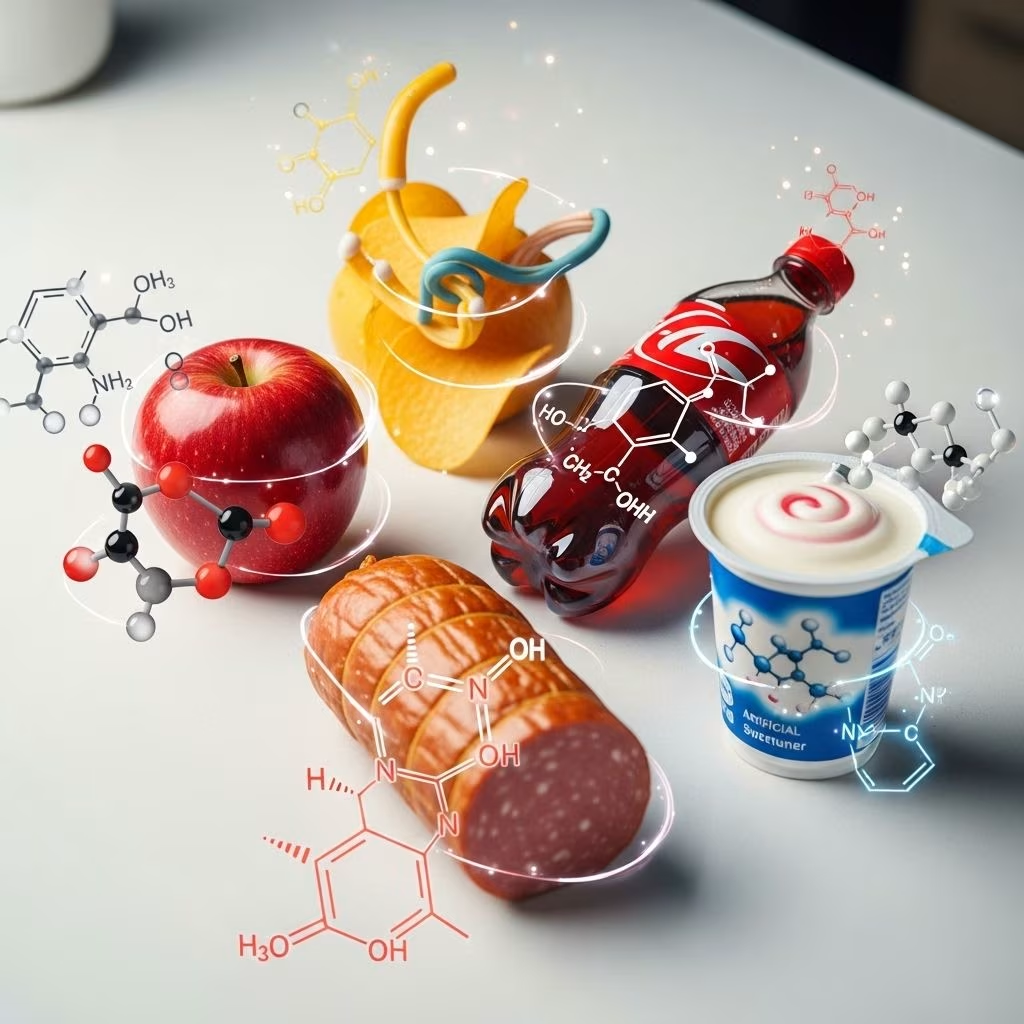
5 Everyday Food Chemicals That Could Be Making You Gain Weight
Are you diligently following a healthy diet and exercise regimen, yet still seeing the scale edge upward or refusing to budge? New research indicates that it’s not always your eating habits to blame. Instead, certain chemicals found in everyday foods and products may be sabotaging your weight loss efforts from the inside out.
These toxins, known as obesogens, have been increasingly identified for their ability to disrupt hormones, alter metabolism, and even change the way your body stores fat. According to board-certified internist Dr. Patricia Salber, “These toxins disrupt the function of our hormones and others alter our gut biome, causing an imbalance of good and bad bacteria.” This imbalance can result in confusing hunger cues, slower metabolism, and increased fat cell accumulation, all directly contributing to stubborn weight gain. Even more concerning, obesogen exposure has also been linked to elevated risks of serious conditions like heart disease, diabetes, and high cholesterol.
What Are Obesogens?
Obesogens are naturally occurring or man-made chemicals that can disrupt the normal development and balance of lipid metabolism, ultimately leading to increased fat accumulation and weight gain. They are found in everyday products and popular foods—sometimes even those considered healthy.
- Affect hormone function, particularly related to appetite and metabolism
- Can cause insulin resistance and increase fat cell size and quantity
- Common sources: plastics, pesticides, food additives, and packaging
Let’s examine some of the most common obesogens you encounter daily—and how to protect yourself from their hidden weight-altering effects.
BPA: The Plastic Threat Lurking in Everyday Packaging
Bisphenol-A (BPA) is a synthetic compound commonly found in the linings of canned foods, plastic bottles, and food containers. Despite controversies that have led to a rise in “BPA-free” options, BPA is still detected in the vast majority of people tested nationwide.
How BPA Influences Weight
- Encourages fat cell growth: BPA can accelerate the differentiation of fat cells, boosting the total number of fat cells in your body.
- Disrupts pancreatic function: Alters the pancreas’ ability to regulate blood sugar, which can promote insulin resistance.
- Keeps fat on your body: New research from Nature shows women with the highest BPA levels gained about a half pound more per year than those with the lowest exposure in a 10-year study.
Beyond weight gain, BPA exposure has been associated with elevated risk of metabolic disorders, including type 2 diabetes and cardiovascular issues.
How to Steer Clear of BPA
- Choose BPA-free bottles and food storage containers.
- Check recycling codes: Avoid plastics marked with #7 (often indicate BPA presence).
- Curtailed consumption of canned foods, especially acidic options like tomatoes and canned tuna.
- Be wary of some “BPA-free” plastics as they might contain similar synthetic chemicals; research alternatives.
Triflumizole: The Fungicide Hiding in Conventional Produce
Triflumizole is a fungicide widely applied to many non-organic crops, especially leafy greens. A compelling animal study published in Environmental Health Perspectives found that babies born to mice exposed to small doses of triflumizole during pregnancy were significantly more prone to obesity. The researchers believe these effects arise because triflumizole acts as an obesogen, disrupting endocrine function and promoting extra fat storage.
Why Conventional Produce Is a Problem
- Most chemical pesticides and fungicides are endocrine disruptors, capable of undermining the body’s natural muscle-building and fat-burning processes.
- Even low-level, chronic exposures appear problematic, especially for developing bodies and pregnant women.
How to Reduce Pesticide-Based Obesogen Exposure
- Opt for organic fruits and vegetables whenever possible. Although pricier, research shows that switching to an organic diet for just five days can reduce pesticide-based obesogen levels to undetectable amounts.
- If buying organic isn’t feasible, prioritize organic purchases for the produce types with the highest pesticide residues. Refer to updated lists like “The 14 Kinds of Produce With the Highest Levels of Pesticides.”
Emulsifiers: The Processed Food Additive That Disrupts Your Gut
Emulsifiers are chemical additives prevalent in processed foods such as mayonnaise, sauces, ice cream, and dressings, where they help blend ingredients and prevent separation. Recent research published in Nature has demonstrated that these additives have startling effects on gut health and metabolism.
How Emulsifiers Affect Your Body
- Alter the gut biome: Emulsifiers foster a bacterial imbalance, reducing beneficial bacteria and promoting those linked to inflammation and obesity.
- Trigger metabolic syndrome: Studies in animals given dietary emulsifiers developed obesity and gut diseases, including colitis, that can also indirectly affect weight metabolism in humans.
How to Avoid Harmful Emulsifiers
- Limit processed and ultra-processed foods as much as possible.
- Read ingredient lists for common emulsifiers: lecithin, mono- and diglycerides, polysorbate 80, and carboxymethylcellulose.
- Make dressings, sauces, and mayonnaise at home with whole, simple ingredients.
PFASs: The Peril of Perfluoroalkyl Substances in Everyday Life
PFASs (Perfluoroalkyl Substances) are persistent chemicals used to make products resistant to water, grease, and stains—including nonstick cookware, food packaging, and fast-food wrappers. These substances are incredibly stable, meaning they build up in your body over time and are difficult to eliminate.
The Connection Between PFASs and Weight Gain
- Research published in PLOS Medicine found individuals with the highest PFAS blood levels regained 3–5 pounds more after dieting than those with lower levels. The effect was especially pronounced in women.
- PFASs disrupt hormone regulation, damper metabolic rates, and encourage the body to retain fat.
- They are classified as “forever chemicals” due to their resistance to breaking down and their far-reaching health hazards.
How to Reduce PFAS Exposure
- Minimize canned and processed foods.
- Avoid fast food and takeaway containers, as many are coated with PFASs.
- Switch from nonstick cookware to alternative options like stainless steel or cast iron.
- Do not microwave or wash plastic containers in the dishwasher.
- Use glass or aluminum to store food and beverages.
Phthalates: Disruptors Found Everywhere from Food to Soap
Phthalates are a class of chemicals used extensively in plastics to increase flexibility and durability, and they are also common in food packaging, personal care products, and cleaning agents.
- Interrupt hormone signaling, particularly those involved in appetite and metabolism
- Linked to increased fat storage, insulin resistance, and disrupted thyroid function
- Can enter the food chain via food processing, storage, and even via agricultural runoff
How to Limit Phthalate Exposure
- Check ingredient labels; avoid personal care and cleaning products that list “phthalate” or “fragrance.”
- Skip scented fabric softeners, air fresheners, and similar products.
- Choose unprocessed, unpackaged foods more often.
- Clean with vinegar or baking soda instead of chemical-heavy cleaners.
Why Are These Chemicals So Pervasive?
Obesogens have become part of daily life because they are used to improve food shelf life, packaging efficiency, crop yields, and product aesthetics. They are also difficult to completely avoid given modern convenience lifestyles and supply chains. Even individuals focused on “healthy” dietary patterns and lifestyles may be exposed through unexpected sources—like drinking water, store receipts, or dust in the home.
What Can You Do? Simple Steps to Reduce Obesogen Exposure
- Eat more whole, unprocessed foods with minimal packaging.
- Opt for fresh or frozen foods over canned goods.
- Prioritize organic produce, particularly for crops prone to high pesticide residue.
- Store food in glass or stainless steel containers.
- Avoid reheating food in plastic containers.
- Clean your living environment regularly with eco-friendly methods; recirculate indoor air when possible.
- Check labels on cleaning and personal care products and opt for products free from phthalates, parabens, and artificial fragrances.
| Chemical | Main Source | Main Concern | How to Reduce Exposure |
|---|---|---|---|
| BPA | Plastics, canned foods | Hormonal disruption, increased fat storage | Choose BPA-free containers, avoid #7 plastics |
| Triflumizole | Non-organic produce | Obesity, endocrine disruption | Buy organic, avoid heavily sprayed produce |
| Emulsifiers | Processed foods | Gut biome imbalance, metabolic syndrome | Minimize packaged/processed food |
| PFASs | Food packaging, nonstick pans | Fat retention, reduced metabolism | Avoid fast food, nonstick cookware |
| Phthalates | Plastics, household products | Hormone disruption, fat storage | Use fragrance-free and phthalate-free products |
Frequently Asked Questions (FAQs) About Food Chemicals and Weight Gain
Q: Are chemicals really capable of making you gain weight, regardless of your calorie intake?
A: Yes. Research indicates that certain chemicals called obesogens can alter hormone and metabolic regulation, promote the development and accumulation of fat, and influence the body’s energy storage mechanisms, even when calorie intake remains stable.
Q: What are the main sources of obesogens in daily life?
A: Common sources include food packaging (BPA, PFASs, phthalates), conventionally grown produce (pesticides like triflumizole), processed foods (emulsifiers), and various household/personal care products.
Q: Is it possible to eliminate all exposure to obesogens?
A: Complete elimination is extremely difficult given how widespread these chemicals are. However, making informed choices—such as buying organic foods, reducing processed and packaged food intake, and using non-toxic household products—can dramatically minimize exposure.
Q: Are children and pregnant women especially at risk?
A: Yes. Developing bodies are more vulnerable to endocrine disruptors, and exposures during pregnancy or childhood can have long-lasting consequences, impacting metabolism and disease risk later in life.
Q: How quickly do benefits occur after reducing exposure to food chemicals?
A: Positive effects can be surprisingly rapid. For instance, studies show that switching to organic produce for just five days can decrease pesticide-based obesogens to undetectable levels in the body.
Final Takeaway: Small Choices, Big Impact
Modern life makes it difficult to avoid obesogens entirely, but awareness and proactive choices make a meaningful difference. Focusing on whole foods, reducing use of plastics, embracing cleaner living products, and prioritizing organic produce wherever possible can lower your exposure—and potentially boost your weight loss and metabolic health. The science is clear: it’s not just what you eat, but how your food is produced, packaged, and processed that matters.
References
- https://www.prevention.com/weight-loss/a20457721/food-chemicals-and-weight-gain/
- https://www.clevelandheartlab.com/blog/chemicals-that-keep-you-from-losing-weight/
- http://rennwellness.com/danger-obesogens-avoid/
- https://www.healthandenvironment.org/latest-research/blog/untangling-the-causes-of-obesity
- https://pmc.ncbi.nlm.nih.gov/articles/PMC4101898/
- https://www.webmd.com/obesity/what-to-know-obesogens
- https://www.nih.gov/news-events/nih-research-matters/eating-highly-processed-foods-linked-weight-gain
- https://www.healthline.com/nutrition/what-are-obesogens
- https://www.nature.com/articles/s41366-024-01460-3


