


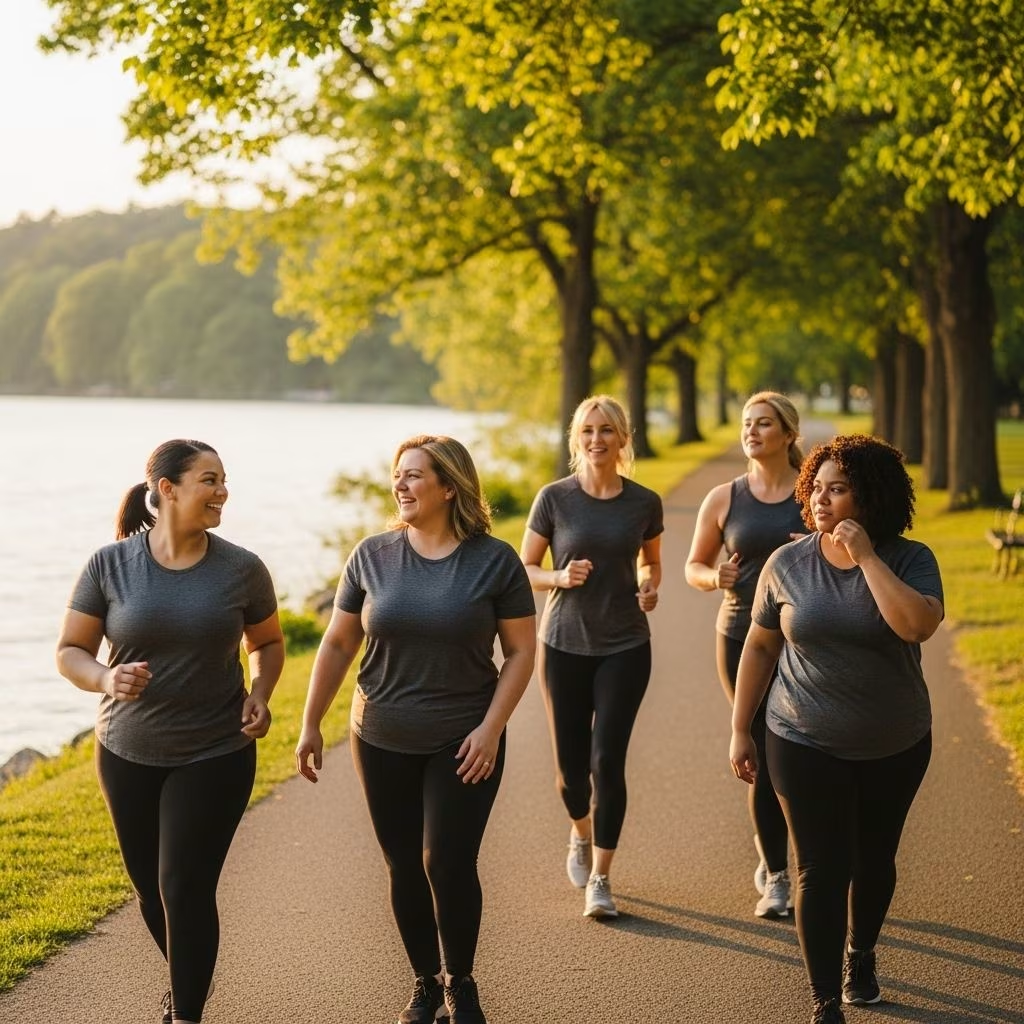
How Real Women Approach Weight Loss: Strategies, Struggles, and Successes
Losing weight can feel like an intensely personal journey—one that is filled with challenges, lessons, and victories both large and small. Drawing inspiration from real women’s testimonials and expert guidance, this article examines the crucial elements for weight loss: from setting realistic goals to the small habits that sustain success over time.
Setting Realistic Weight Loss Goals
One of the foundational steps in a successful weight loss journey is setting realistic, achievable goals. Unrealistic expectations often lead to frustration and disappointment, making it tempting to give up before real progress is made. Many women report greater satisfaction and better outcomes when aiming for gradual, steady weight loss rather than dramatic, rapid changes.
- Start with small, specific targets. For example, losing 1–2 pounds per week is considered both safe and sustainable by health professionals.
- Focus on how you feel, not just the scale. Celebrate non-scale victories like increased energy, improved mood, or better sleep.
- Adjust goals as you progress. Sometimes plateaus occur; adjusting goals can help maintain motivation.
“I had to learn to stop comparing myself to others—progress, not perfection, became my mantra,” shares one woman, emphasizing the need for a personalized approach.
Motivation: What Drives Us to Start (and Keep Going)
Understanding your personal motivators can be transformative. Women often start their weight loss journey for diverse reasons: improved health, increased confidence, preparing for life events, or even simply wanting to feel comfortable in their clothes again. But sustaining motivation over the long term is about more than willpower.
- Identify your ‘why’. Write down the reasons you want to lose weight—which can serve as powerful reminders during setbacks.
- Create accountability. Sharing your journey with friends, family, or support groups helps many women feel less alone.
- Reward yourself for milestones. Non-food rewards, such as a new book or a relaxing activity, reinforce progress.
“Joining a small online group was the key to sticking with my goals,” recalls one participant, highlighting the power of community support.
Favorite Diets and Eating Strategies
No single diet works for everyone, but many women have found success by choosing eating plans that fit their lifestyles and nutritional needs.
Popular Diet Approaches Among Real Women
- Balanced Plate Method: Half the plate made up of vegetables, quarter with lean protein, and the remainder with whole grains.
- Calorie Deficit Approach: Eating fewer calories than you burn in a day leads to weight loss, but being mindful not to drop calories too low is crucial for long-term success.
- Mediterranean/DASH Diet: Focus on whole grains, fruits, vegetables, lean meats, and healthy fats—emphasizing heart-healthy and anti-inflammatory foods.
- Intuitive or Mindful Eating: Paying attention to hunger and fullness cues, and savoring every bite instead of eating out of boredom or stress.
“Switching to a diet packed with produce, protein, and healthy fats made all the difference—not just for my weight, but my energy levels,” says a woman who found success through the Mediterranean approach.
Meal Planning and Portion Control
Mindful meal planning and portion control help many women avoid accidental overeating while still enjoying their favorite foods.
- Fill half your plate with vegetables. This simple rule boosts fiber, keeps you full, and reduces overall calories.
- Use smaller plates and bowls. Visual cues can help signal satiety before you overeat.
- Measure portions initially. Tracking portions (especially for calorie-dense foods) until you’re familiar with appropriate serving sizes.
“Learning what a real serving of pasta looked like versus restaurant-sized portions was eye-opening,” shares another woman.
Table: Sample Balanced Plate Structure
| Plate Section | Food Type | Example |
|---|---|---|
| ½ Plate | Vegetables | Broccoli, carrots, salad greens, peppers |
| ¼ Plate | Lean Protein | Chicken, beans, tofu, fish |
| ¼ Plate | Whole Grains/Starches | Brown rice, quinoa, sweet potato |
Food Choices: What to Eat More (and Less) Of
The type of foods you choose can play a pivotal role in your success. Many women report feeling best when they emphasize nutrient-dense, minimally processed foods and reduce extra sugars and unhealthy fats.
- Eat more of:
- Fresh fruits and vegetables
- Whole grains
- Lean proteins (chicken, fish, legumes)
- Healthy fats (avocado, olive oil, nuts)
- Low-fat dairy, when appropriate
- Eat less of:
- Highly processed foods
- Sugar-sweetened beverages and snacks
- Refined grains (white bread, white rice)
- High-saturated fat items (fried foods, fatty meats)
“Just cutting out soda and drinking more water helped the weight come off steadily,” a woman notes, echoing advice from nutritionists to minimize empty-calorie drinks.
Exercise: Moving Beyond the Scale
Physical activity is about much more than burning calories. Exercise can help sustain weight loss, boost mood, relieve stress, and improve sleep quality. Many women see the best results with a combination of strength training, cardio, and everyday activity.
- Set movement targets. 150 minutes per week of moderate activity is a widely recommended baseline for adults.
- Include strength training. Building muscle supports metabolism and helps shape your physique—even if the scale doesn’t budge.
- Make activity social or fun. Whether dance classes, hikes, or home workouts, enjoying your exercise routine increases the odds you’ll stick with it.
- Add activity to your daily routine. Choose stairs over elevators, walk to nearby destinations, or do desk exercises.
“I started with brief morning walks, then added strength classes. Now I crave the endorphin rush,” says one success story.
Mindset, Motivation, and Building Healthy Habits
Weight loss is a marathon, not a sprint. Shifting your mindset to focus on long-term habits rather than short-term diets can foster resilience and satisfaction. Many women adopt mindful eating practices, learn to manage emotional eating, and celebrate all forms of progress.
- Practice mindful eating. Savor food, eat without distractions, and check in with hunger/fullness cues.
- Don’t skip meals. Skipping meals can slow metabolism and lead to overeating later in the day.
- Forgive slips. One indulgent meal doesn’t undo your progress. Focus on consistency, not perfection.
- Create new rituals. Replace evening snacking with herbal tea, a walk, or reading time.
Common Challenges—And How Women Overcome Them
The path to weight loss is peppered with obstacles, from emotional eating to plateaus and social pressures. Honest stories from real women reveal creative ways to address common hurdles:
- “Diet fatigue” or boredom: Mix up recipes, explore new cuisines, and keep nutritious snacks handy.
- Eating out and social gatherings: Check menus ahead of time, share dishes, or eat a healthy snack before an event.
- Family and work commitments: Prepare meals in batches, use grocery delivery when busy, and ask loved ones for support.
- Plateaus: Adjust workouts, check portion sizes, and ensure changes haven’t crept back into your routine.
“My biggest lesson: Be patient with myself. Each setback was a chance to practice self-compassion,” one woman explains.
Expert-Backed Tips for Sustainable Weight Loss
- Strive for a calorie deficit, not deprivation. Reduce calories modestly and prioritize nutrient-dense foods.
- Watch portions, not just calories. Mindful portion control can be less stressful than constant calorie tracking.
- Minimize processed foods. The closer to nature, the better—single-ingredient, minimally processed options are best.
- Balance your macronutrients. Ensure adequate protein, healthy fats, and carbohydrates to sustain energy and muscle.
- Eat in more often. Home-cooked meals provide greater control over ingredients and portion sizes.
- Stick to regular, predictable meal patterns. This helps regulate metabolism and can minimize energy dips through the day.
Tracking Progress: More Than the Scale
Although the scale can provide useful feedback, it’s not the only measure of health. Women who focus on multiple forms of progress often stay more motivated and maintain their results longer.
- How your clothes fit
- Improvements in endurance, strength, or flexibility
- Mood, energy, and sleep patterns
- Blood work and health markers (cholesterol, blood pressure, glucose)
Frequently Asked Questions (FAQs)
Q: What is the healthiest rate of weight loss?
A: Most experts agree that 1–2 pounds per week is safe and sustainable for long-term results.
Q: Do I have to count every calorie to lose weight?
A: Not necessarily. While tracking can help initially, focusing on portion sizes, food quality, and your body’s hunger signals can be just as effective.
Q: How do I stay motivated after initial weight loss?
A: Setting mini-goals, finding supportive communities, and shifting the focus from just the scale to holistic health can help maintain motivation.
Q: Why have I hit a weight loss plateau?
A: Plateaus are normal as your body adjusts. Try reassessing your habits, mixing up your exercise routine, and checking for hidden calories or larger portions that may have crept in.
Q: Can I enjoy occasional treats?
A: Yes. Most experts agree that truly sustainable plans allow for flexibility and the enjoyment of favorite foods in moderation—this keeps you from feeling deprived and cutting out important social traditions.
Key Takeaways for Every Weight Loss Journey
- Set individualized, realistic goals and be kind to yourself when progress slows
- Prioritize filling, nutrient-rich foods and don’t fear healthy fats and lean proteins
- Enjoy movement that feels good to you, and make it part of your daily routine
- Celebrate all victories—big or small, on the scale or off
No two journeys will be exactly alike. With patience, self-compassion, and the support of peers and experts, lasting, healthy weight loss is possible for women from all walks of life.
References
- https://www.prevention.com/weight-loss/diets/a38916282/calorie-deficit-diet/
- https://www.prevention.com/weight-loss/diets/a60578947/how-to-lose-weight-fast-safely/
- https://health.ucdavis.edu/blog/cultivating-health/7-weight-loss-tips-to-shed-pounds-in-the-new-year-and-keep-them-off-for-good/2024/12
- https://www.prevention.com/weight-loss/g24805401/fat-burning-foods/
- https://www.prevention.com/weight-loss/diets/a20458616/tell-us-what-you-think-13/
- https://www.prevention.com/weight-loss/
- https://www.prevention.com
- https://pmc.ncbi.nlm.nih.gov/articles/PMC10908186/


