


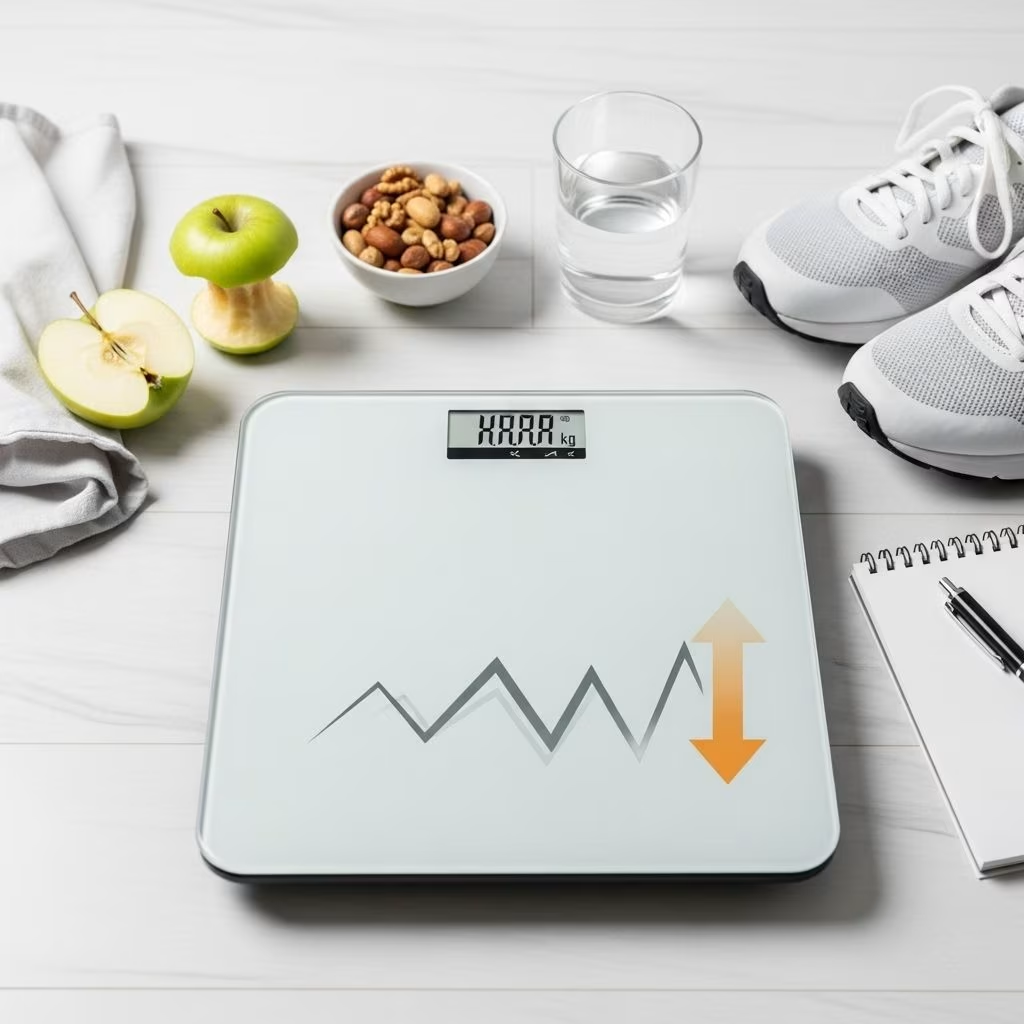
If you’ve stepped on the scale and noticed your weight is different than yesterday—or even this morning—you’re far from alone. Frequent shifts on the scale are not only common but often completely normal. This article covers the science behind weight fluctuation, the primary factors influencing short-term weight changes, how to tell if your fluctuations are normal, and guidance from nutritionists on when to seek medical care and how to manage your expectations.
How Normal Are Weight Fluctuations?
Many people are surprised to see their weight go up or down several pounds over short periods, but weight fluctuation is a normal phenomenon. According to leading nutritionists, it is typical for body weight to shift by as little as two pounds or as much as eight pounds in a day, depending on various internal and external factors.
- Small and large swings are common: Some individuals will only notice a pound or two of variation, while others regularly see larger differences.
- Body equilibrium: The body is constantly in motion, moving fluids and nutrients in and out of cells and organ systems, impacting your current weight.
- Tracking matters: You may not have noticed these changes before unless you started tracking your weight closely.
As one registered dietitian notes, your weight has always fluctuated—most people only become aware of it when watching the scale more frequently.
Why Does Weight Usually Fluctuate?
According to nutrition experts, the most common causes for daily weight fluctuation include:
- Hydration status: Fluids make up a large percentage of your body weight. Drinking more water or beverages will increase short-term weight, while dehydration or heavy sweating decreases it.
- Contents of your digestive tract: The weight of food and waste in your colon and digestive system can affect your scale reading.
- Salt (Sodium) intake: Sodium in your diet leads to water retention—your body holds extra water to balance out increased salt, which temporarily bumps up weight.
- Bowel movements and urination: How often you go to the bathroom directly impacts your body weight measurement at any given time.
- Bloating: Changes in digestion (for example, from certain foods or hormonal cycles) can cause bloating, increasing your weight with extra water and air, not extra body fat.
- Exercise and sweating: Intense workouts can cause fluid loss through sweating, which temporarily reduces weight.
- Medications: Some prescription or over-the-counter drugs may lead to water retention or increased appetite, shifting weight dramatically.
As Keri Gans, R.D., points out: even heavy workouts that lead to excessive sweat can drop your scale number quickly—but these changes are usually fluid, not fat loss. If you’re taking new medication or notice increased or decreased hunger, medication may also be influencing your current weight status.
Table: Common Causes of Weight Fluctuation
| Factor | Effect on Weight | Typical Magnitude |
|---|---|---|
| Hydration Status | Fluctuates up with more fluids; down with dehydration | 1–5 lbs |
| Sodium Intake | Increases water retention (weight rises) | 1–3 lbs |
| Bowel Movements | Fewer movements = higher weight | 1–2 lbs |
| Exercise/Sweating | Temporary fluid loss (weight drops) | 1–4 lbs |
| Bloating/Digestion | Water and air retention up (weight rises) | Varies |
| Medications | Varies depending on side effects | Up to several lbs |
How Big a Weight Fluctuation Is Still Normal?
Daily weight variability in the range of 1-2% of your body weight is entirely normal. For a person weighing 150 pounds, this represents about 1.5 to 3 pounds. Most nutritionists agree that seeing your weight bounce up and down within this range is not a cause for concern.
Certain conditions can push these variations higher, but isolated events—like a high-sodium meal or a day of intense exercise—are generally not alarming. However, if you consistently experience swings outside this percentage, or if you see your weight changing rapidly without explanation, it may signal a need for further investigation.
- Stable fluctuation: 1–2% of body weight
- Minor fluctuations: After meals, hydration changes, hormonal cycles
- Moderate risk: >2–3% change in weight repeatedly or rapidly
- High risk: Large, unexplained weight swings especially if accompanied by other symptoms
Should You Be Worried About Large Weight Fluctuations?
If your weight regularly bumps up or down by more than a few pounds in a matter of days—even when your eating or exercise habits haven’t changed—you might need to pay attention. Some medical conditions can cause rapid fluid retention or loss, leading to notable shifts on the scale. Conditions that may be related to larger fluctuations include:
- Kidney disease: Causes fluid buildup in the body, leading to sudden weight gain.
- Heart disease: Poor circulation and heart function may increase water retention.
- Thyroid disorders, such as hypothyroidism: Can slow your metabolism, with effects on weight.
If you experience:
- Sudden gain or loss of more than 2–3% of body weight in a week
- Unintentional weight changes without changes in diet, hydration, or exercise
- Other symptoms, like swelling, shortness of breath, or fatigue
See your doctor to rule out health problems. According to Sonya Angelone, R.D., if the numbers on the scale are rising or falling dramatically for no obvious reason, it’s time to consult a medical professional.
What to Do if You Notice Large Weight Fluctuations
First, don’t panic! Not every spike in weight is alarming. However, here are expert-recommended steps for addressing significant shifts:
- Check sodium intake: High-salt foods are a major driver of sudden water retention. Reduce processed or salty foods and monitor changes.
- Review bowel regularity: Regular bowel movements help stabilize weight. If you’re constipated, consult your doctor or a dietitian for advice on improving digestion.
- Track the timing of your weigh-ins: Weighing yourself at different times of the day can show large differences; consider weighing-in first thing in the morning after using the bathroom for more consistent results.
- Evaluate hydration: Are you drinking more or less water than usual? Dehydration and overhydration both influence weight.
- Consider medication changes: If you’ve started new medications, ask your doctor or pharmacist about potential effects on hydration and body weight.
If regular lifestyle tracking doesn’t explain your weight changes, or if you notice “huge shifts that don’t seem to add up,” experts recommend scheduling a checkup. Early detection of potential health issues can prevent more serious complications.
How to Weigh Yourself for Accurate Insights
- Weigh at the same time every day. Morning, after using the bathroom, and before breakfast is ideal.
- Wear similar clothing or none at all. Clothes can add variable extra weight.
- Use a reliable, calibrated scale on a hard, flat floor.
- Avoid daily obsession. Track trends over weeks, not day-to-day spikes.
- Record context: Note changes in diet, exercise, medication, and menstrual cycle, as these may explain fluctuations.
Is Weight Fluctuation a Sign of Poor Health?
Not necessarily. The body is designed to maintain balance; periodic shifts in weight are usually temporary and inconsequential. However, if fluctuation is extreme or linked to other health complaints, it may be a sign of:
- Metabolic changes
- Systemic illnesses
- Medication side effects
Most research suggests minor weight fluctuation alone doesn’t pose a health risk to otherwise healthy adults. However, chronic or extreme weight cycling—repeated rapid loss and regain—has been associated with some negative health outcomes and is an area of ongoing clinical study.
How Can You Minimize Unwanted Weight Fluctuation?
- Stay hydrated but avoid excess: Aim for regular fluid intake and limit high-sodium meals.
- Prioritize fiber-rich foods to support regular digestion and healthy bowel movements.
- Limit highly processed and salty foods.
- Exercise regularly to support a steady metabolism and healthy fluid balance.
- Consult with a registered dietitian for personalized advice if you notice recurring problems.
Frequently Asked Questions (FAQs)
Is it normal for my weight to fluctuate every day?
Yes, for most adults, daily weight fluctuations of 1–5 pounds are common due to hydration, digestion, and salt intake. These do not reflect true changes in body fat.
Why did my weight jump 3 pounds overnight?
Overnight increases are likely related to fluid retention, a salty meal, hormonal changes, or uneliminated waste, not body fat gain.
How do I know if my weight fluctuations are unhealthy?
If you notice large, rapid changes (over 2–3% of your body weight in a week), or experience symptoms like shortness of breath or unexplained swelling, see your doctor for a full checkup.
What time of day should I weigh myself?
The most reliable time is in the morning after using the bathroom and before eating or drinking anything.
Can stress or lack of sleep make my weight change?
Yes. Stress hormones (like cortisol) and lack of sleep can lead to water retention and changes in appetite, both of which can influence daily weight.
Takeaway: Don’t Obsess Over the Scale
Daily weight shifts are part of your body’s natural rhythms, not signs of dieting failure or sudden fat gain. Focus on trends over time, overall health, and how you feel, rather than fixating on small changes. If you’re seeing larger swings or worrying symptoms, a healthcare provider can help you get to the root cause and support your wellness journey.
References
- https://www.prevention.com/weight-loss/a43047929/why-does-weight-fluctuate/
- https://pmc.ncbi.nlm.nih.gov/articles/PMC6856014/
- https://www.healthline.com/health/weight-fluctuation
- https://www.prevention.com/food-nutrition/healthy-eating/a65664887/ultra-processed-foods-weight-loss-gut-health-study/
- https://www.prevention.com/weight-loss/g29761485/medical-weight-loss/
- https://www.prevention.com/weight-loss/a42250066/age-related-weight-gain/
- https://www.prevention.com
- https://www.prevention.com/weight-loss/
- https://www.prevention.com/weight-loss/a36065492/rethinking-body-weight/
- https://www.prevention.com/health/health-conditions/a44798692/weight-gain-exhaustion-hashimoto-thyroiditis-my-diagnosis/


