


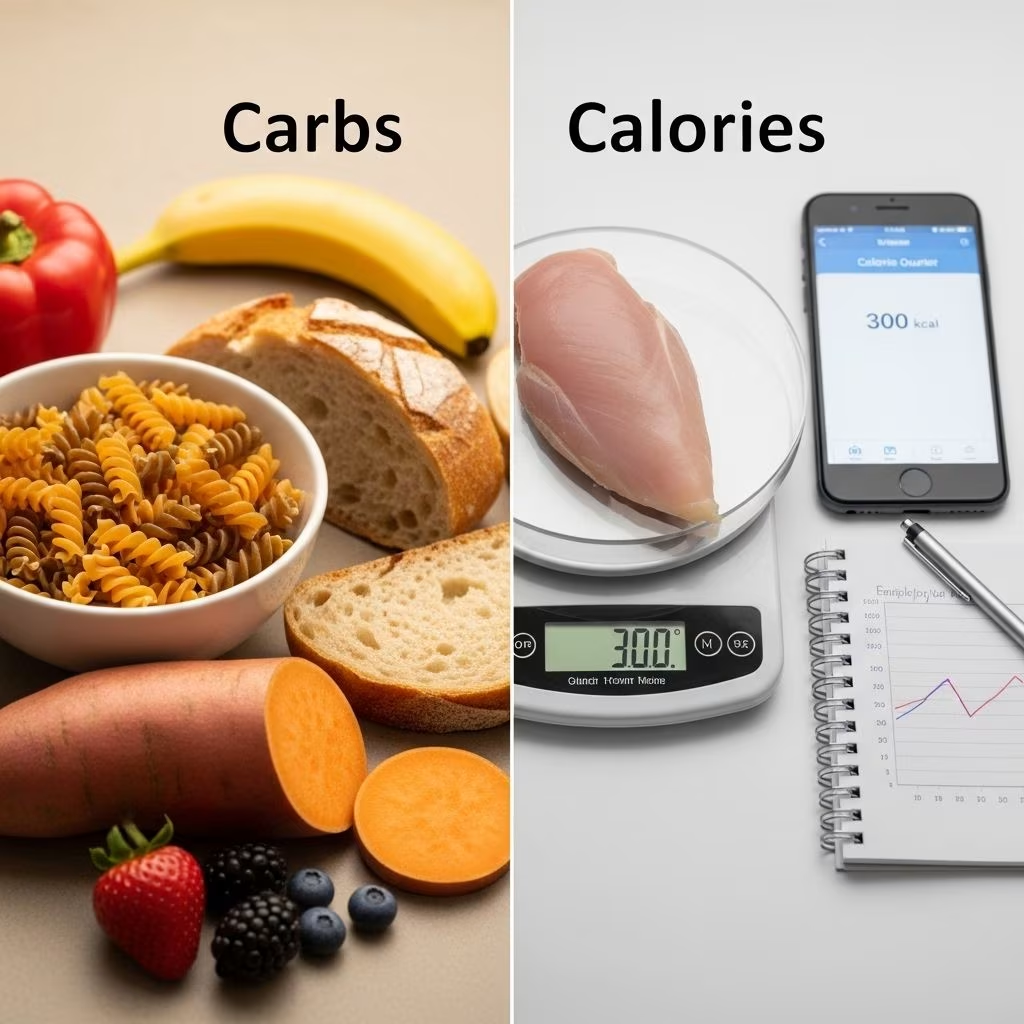
In the ever-evolving world of weight loss, carbohydrates and calories are often pitted against each other. Is one truly worse or better than the other? This comprehensive guide dives into how carbs and calories influence your body’s weight, why both matter, and how to identify the most effective strategy for your unique lifestyle and goals.
Understanding the Basics: Carbohydrates and Calories Defined
Before choosing a weight loss path, it’s essential to grasp what carbohydrates and calories actually are in the context of your diet:
- Calories: The energy your body requires for daily functioning. Consuming more calories than your body needs leads to weight gain, while a calorie deficit (eating fewer than you burn) results in weight loss.
- Carbohydrates (Carbs): A macronutrient found in foods such as grains, fruits, vegetables, and dairy. Carbs break down into glucose, your body’s preferred energy source, and are critical for fueling both physical and mental activity.
Calorie Deficit: The Gold Standard for Weight Loss
Weight loss ultimately hinges on creating a calorie deficit—consuming fewer calories than your body expends. When in a deficit, your body draws on stored energy, primarily fat, to make up the shortfall.
- Each person has a unique daily calorie requirement based on age, gender, weight, height, and activity level.
- Reducing calorie intake by 250–500 calories per day typically results in a safe and sustainable loss of 0.5–1 pound per week.
| Calorie Intake | Expected Weekly Loss |
|---|---|
| 500 calorie deficit/day | ~1 pound/week |
| 250 calorie deficit/day | ~0.5 pound/week |
However, creating too large a deficit can backfire, slowing metabolism, draining energy, and increasing cravings.
Carbohydrates: The Truth About Low-Carb Diets
Low-carb diets have surged in popularity, but not all carbs are created equal. Understanding the types and sources of carbs is key:
- Simple carbohydrates (e.g., cane sugar, white bread): Rapidly digested; may spike blood sugar and promote fat storage if eaten in excess.
- Complex carbohydrates (e.g., whole grains, lentils, vegetables): Digested more slowly; rich in fiber and important nutrients that promote fullness and steady energy levels.
Low-carb diets often lead to rapid initial weight loss, primarily by cutting simple carbs and reducing water retention. Over the long term, though, their effectiveness compared to other dietary strategies is less clear.
How Does Cutting Carbs Actually Help (or Hinder) Weight Loss?
Eliminating or reducing carbs may benefit some people, especially in the short term. Here’s why:
- Reduced Insulin and Glycogen Storage: Lower carb intake lessens insulin spikes and can prompt your body to burn stored fat for fuel (known as ketosis).
- Appetite Suppression: Emphasis on protein and fat helps control appetite—these nutrients are filling and slow to digest.
- Initial Rapid Weight Loss: Depleted glycogen stores result in water loss, leading to a quick drop in weight during the first weeks.
However, restrictive low-carb diets are hard to sustain long term. Many people experience energy dips, cravings, or a sense of deprivation that makes adherence difficult.
Carbs Bring Comfort—and Nutrition
Carbs are more than just an energy source. They:
- Increase serotonin, a neurotransmitter that helps regulate mood and satiety—sometimes described as “a hug from your food.”
- Are found in many fiber-rich foods, critical for gut health, heart health, and lasting fullness.
- Often come with essential vitamins and minerals, especially when sourced from whole, minimally processed foods.
Totally cutting out carbs is neither necessary nor optimal for most people. Finding the right balance is crucial for both physical and emotional well-being.
Quality and Quantity: Not All Calories (or Carbs) Are Equal
The source of your calories and carbohydrates matters immensely. For example:
- 100 calories from broccoli provides fiber, vitamins, and steady energy, while 100 calories from soda offers little but a temporary blood sugar spike.
- Whole grains and starchy veggies support sustained fullness, unlike pastries or white rice, which digest quickly and can leave you hungry soon after eating.
Portion control remains vital. A single oversized bagel, for instance, can pack in as many carbs as eight slices of bread—easy to underestimate.
How Many Carbs Do You Really Need?
The right amount of carbs is highly individual. The latest U.S. Dietary Guidelines recommend that 45–65% of daily calories come from carbohydrates. For a 2,000 calorie diet, that equates to about 225–325 grams per day for the general population.
However, your needs vary based on:
- Activity level: More active individuals require more carbs for energy.
- Age, sex, and metabolism: These factors influence both energy and carb requirements.
- Personal goals and preferences: Some thrive with fewer carbs, while others need more to feel their best.
Ultimately, the optimal amount of carbs is that which supports your weight loss, energy, and health without leaving you feeling deprived.
How to Find Your Personal Carbohydrate ‘Tipping Point’
Finding your individual “sweet spot” for carbs involves a bit of trial and error.
- Start with a moderate approach: For many, this means roughly 75–100 grams of carbs per main meal (a cup of cooked oatmeal, a small sweet potato, or an apple each time).
- Monitor your energy, hunger, and cravings daily for 1–2 weeks. Are you satisfied, energetic, and losing fat? If not, adjust your carb intake up or down as needed.
- If not losing weight, reduce carb servings to two meals per day. If you lack energy (especially during workouts), try adding more carbs back in small increments.
- Repeat the process every couple of weeks until you find what works best for your body and lifestyle.
This process combines conscious experimentation with attunement to your own needs—a science-backed and sustainable approach.
Carbs or Calories: Does One Matter More?
The answer depends on both science and personal context:
- To lose weight, a calorie deficit is non-negotiable. You must consume less energy than you expend to trigger fat loss.
- That said, choosing carbs wisely and adjusting the type, amount, and timing can make creating a calorie deficit more comfortable—helping to curb cravings and support higher energy throughout the day.
- Long-term studies show that any diet which achieves a calorie deficit can promote weight loss, whether it’s low-carb, low-fat, Mediterranean, or otherwise. Sustainability matters most.
Diet Myths: Clearing Up Common Confusions
- All carbs are bad: False. Whole, minimally processed carbs are nutrient-dense and essential for health.
- Cutting carbs is always faster: Not everyone experiences rapid or lasting loss, and restrictive diets can be hard to sustain.
- Counting calories is outdated: Tracking caloric intake remains scientifically valid—especially paired with attention to food quality and mindful eating.
Smart Strategies for Lasting Weight Loss
- Focus on whole foods over processed—choose vegetables, fruits, legumes, and whole grains over refined sweets and snacks.
- Balance your plate: Include a source of lean protein, healthy fat, and fiber-rich carbs at most meals to support satiety and blood sugar stability.
- Mind your portions: Use smaller plates or bowls, pay attention to hunger, and avoid distracted eating.
- Adjust and personalize: Use short-term tracking and self-reflection to find the approach that keeps you feeling your best, both mentally and physically.
Frequently Asked Questions (FAQ)
Q: Are low-carb diets safe for everyone?
A: Most healthy adults can safely reduce carbs, but people with certain conditions (such as diabetes or kidney disease) should consult a healthcare provider before making significant dietary changes. Pregnant or breastfeeding women also have increased nutrient needs and may not benefit from very low-carb diets.
Q: Will cutting carbs make me lose muscle?
A: Severe carb restriction and inadequate protein can risk muscle loss. However, balanced low-carb diets with sufficient protein can maintain or even enhance muscle definition, especially when paired with resistance training.
Q: Is calorie counting effective?
A: Research supports calorie awareness as a helpful tool for many, but the quality and composition of your calories (not just the number) also impacts fullness, energy, and metabolism.
Q: How do I know if I’m eating too few carbs?
A: Persistent low energy, brain fog, irritability, and poor workout performance are common signs you may need to increase healthy carb intake.
Q: What is the easiest way to track carbs and calories?
A: There are numerous apps and online calculators (like the NIH Body Weight Planner) to estimate and track intake. Even simple journaling or photo diaries can build awareness and support more mindful choices.
Bottom Line: Balance for Best Results
The most sustainable weight loss happens when you combine a modest calorie deficit with smart carbohydrate choices—focusing on quality, balance, and your own body’s needs. No single approach fits all, so experiment, pay attention, and aim for a plan you can maintain for a lifetime of health.
References
- https://www.prevention.com/weight-loss/diets/a65255830/low-carb-diets-weight-loss/
- https://www.prevention.com/weight-loss/diets/a38916282/calorie-deficit-diet/
- https://www.prevention.com/weight-loss/a20456703/carbs-and-weight-loss/
- https://www.prevention.com/weight-loss/a20515531/should-you-try-carb-cycling-for-weight-loss/
- https://www.prevention.com/weight-loss/
- https://www.prevention.com/weight-loss/a20512194/everything-you-need-to-know-before-you-go-on-a-low-carb-diet/
- https://www.prevention.com/weight-loss/diets/a60578947/how-to-lose-weight-fast-safely/
- https://www.prevention.com/weight-loss/a30188568/lose-weight-without-exercise-0/
- https://www.prevention.com/weight-loss/a20500235/intermittent-fasting/
- https://www.prevention.com/food-nutrition/a64904808/quality-carbohydrates-healthy-aging-longevity-study/


