


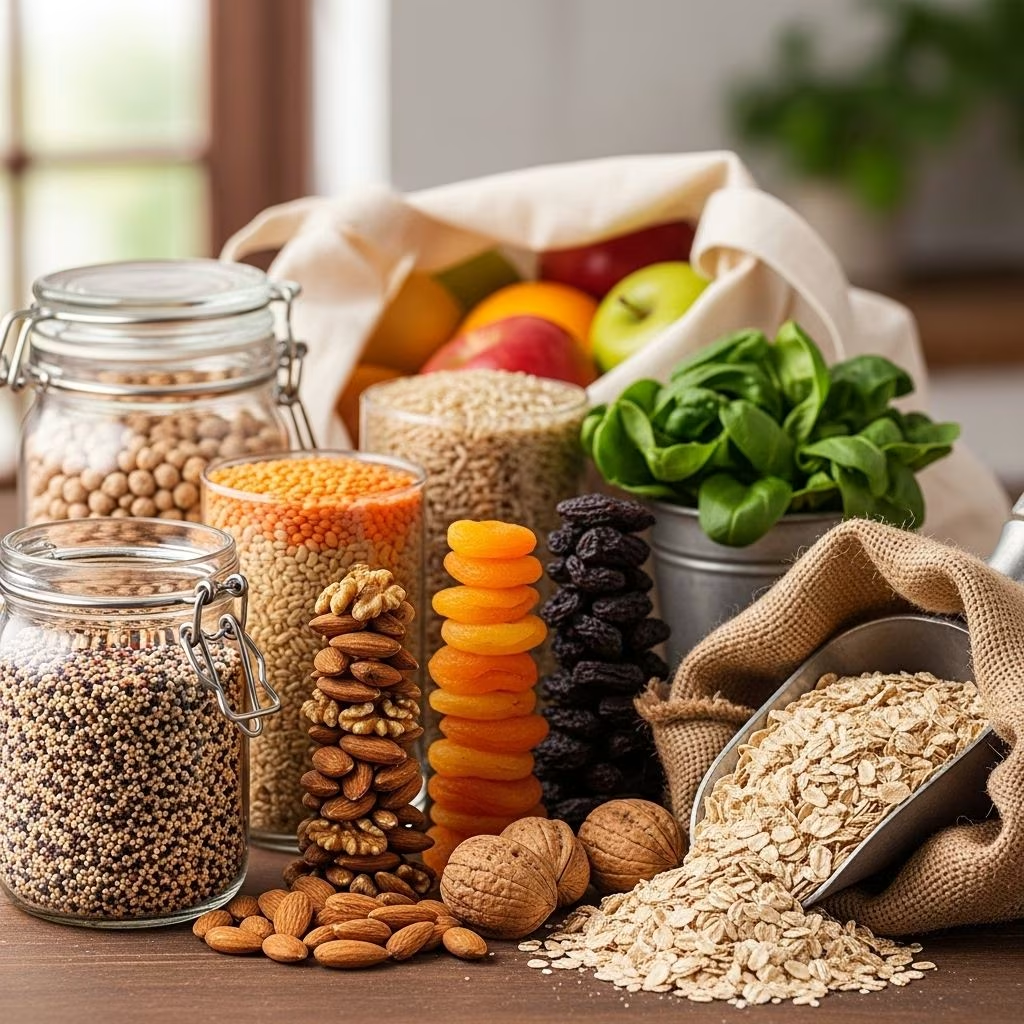
Buying in bulk can be a smart strategy for anyone looking to eat healthier while saving money, reducing waste, and simplifying meal prep. But stocking up on large quantities isn’t without its challenges. Without the right approach, those savings can quickly morph into spoilage, boredom, or unintentional overeating. Explore the essentials of healthy bulk buying: how to select the right foods, avoid common pitfalls, store your groceries to maximize shelf life, and make your budget stretch while supporting your health goals.
Why Consider Buying in Bulk?
Bulk buying offers compelling advantages:
- Cost savings: Lower per-unit prices mean long-term savings on groceries.
- Reduced packaging waste: Fewer small packages add up to a smaller environmental footprint.
- Convenience: Fewer shopping trips and a full pantry make meals easier to plan and prepare.
- Meal planning support: Ample staples help you stick to a menu and avoid last-minute, less healthy choices.
However, successful bulk buying requires choosing foods wisely, storing them properly, and practicing portion control to avoid overeating or waste.
Best Healthy Foods to Buy in Bulk
Not all foods handle bulk buying equally well. Focus on the following categories for the best nutritional value and storage life:
Whole Grains and Legumes
- Brown rice, quinoa, oats, barley, farro: Shelf-stable when stored in airtight containers.
- Dried beans, lentils, split peas, chickpeas: Excellent sources of fiber and protein that last for months.
Nuts and Seeds
- Almonds, walnuts, cashews, sunflower seeds, chia, flaxseed: Provide healthy fats, vitamins, and minerals. Store in the freezer to preserve flavor and prevent rancidity.
Frozen Fruits and Vegetables
- Frozen produce retains nutrients and stays fresh well beyond what’s possible with the fresh versions. Berries, mango, spinach, peas, and broccoli are excellent options.
Canned Goods and Pantry Staples
- Canned beans, tomatoes, tuna, salmon: Aid in quick, nutritious meal prep. Look for options with no added salt or sugar.
- Nut butters: Almond, peanut, or seed butters offer protein and healthy fats.
- Whole-grain pastas, salsas, and broths round out the pantry.
Pre-Chopped Fresh Produce
- Purchased in larger packages, chopped fresh vegetables like broccoli, cauliflower, carrots, and leafy greens simplify meal prep and encourage healthy eating.
Low-Fat Dairy and Cheese
- Greek yogurt and feta cheese: Available in large tubs at wholesale stores. Opt for plain, low-sugar varieties and portion out by servings.
Foods to Avoid Buying in Bulk
Some foods are tempting to buy in large quantities but are better purchased in moderation:
- Highly processed snacks and sweets: Bulk quantities increase temptation and likelihood of overeating.
- Perishable bakery items: Breads, cakes, and pastries often spoil before you can use them up.
- Condiments, sauces, and spreads: These often have a shorter shelf life once opened and can go bad quickly.
- Prepared frozen meals: Often high in sodium and preservatives; opt for bulk raw ingredients instead.
Smart Shopping: Healthy Bulk Buying Tips
Maximize your savings and nutrition with these essential strategies:
- Plan before you buy: Review your meal plans and storage space. Only buy what you’ll use within a reasonable timeframe.
- Make a list: Stick to a shopping list focused on whole, minimally processed foods.
- Buy only what you can store: Evaluate your pantry, fridge, and freezer space.
- Check unit prices: Double-check per-ounce or per-pound prices to ensure you’re truly saving.
- Consider splitting: Share extra-large packages with a friend or family member.
- Focus on versatility: Choose ingredients that can be used across multiple recipes and meals (e.g., brown rice for stir-fries, salads, and bowls).
Healthy Storage Solutions for Bulk Foods
The effectiveness of bulk buying depends on how you store your purchases. Poor storage can lead to spoilage, staleness, and ultimately wasted money. Consider these best practices:
- Use airtight containers: Transfer goods from large packages into airtight, transparent containers to keep food fresh and portioned out. This reduces exposure to air and moisture.
- Freeze perishable items: Nuts, seeds, bread, cheese, and even some grains can be kept in the freezer to extend shelf life.
- Label and date: Mark containers with purchase or expiration dates to track freshness.
- Keep a pantry inventory: Note what you have on hand to prevent overbuying and use up items before they expire.
How to Portion Bulk Foods to Prevent Overeating
Bulk buying can accidentally encourage overeating—super-size packages have no natural stopping point and offer little portion guidance. Try these tactics:
- Break down large packages: Portion snacks, nuts, and cereals into single-serving containers or bags immediately after purchasing.
- Avoid leaving bulk packages in sight: Store larger containers out of immediate reach; keep healthy pre-portioned snacks accessible instead.
- Control variety: Having many flavors or types of the same treat at home encourages sampling and eating more. Limit to one or two favorites per shopping trip.
Meal Planning and Preparation Tips
Having a pantry stocked with healthy ingredients is only part of the equation. Smart meal planning and prep are key to putting your bulk ingredients to good use:
- Embrace batch cooking: Prepare several meals at once using bulk ingredients, then freeze individual portions for fast, healthy lunches and dinners.
- Use leftovers creatively: Reinvent leftover grains, beans, and veggies in soups, salads, or casseroles.
- Build on themes: Plan several meals around core ingredients (e.g., beans for burritos, chili, and salads).
- Pre-chop and freeze produce: To save time and reduce spoilage, chop veggies in advance and freeze them in portions.
Shopping in Bulk: Cost-Effectiveness and Nutrition Table
| Food Type | Cost Savings | Storage Life | Nutrition | Best Storage Method |
|---|---|---|---|---|
| Whole Grains | High | 6-12 months | High in fiber, B vitamins | Airtight containers, pantry |
| Nuts and Seeds | Medium | Up to 1 year (frozen) | Healthy fats, minerals | Freezer |
| Frozen Produce | High | 8-12 months | Vitamins, minerals, antioxidants | Freezer |
| Canned Beans/Fish | High | 18-24 months | Protein, fiber, omega-3s | Pantry |
| Pre-chopped Veggies | Medium | 1-2 weeks | Fiber, vitamins | Fridge |
| Bakery Items (Bread) | Low | 3-6 months (frozen) | Varies | Freezer |
Common Mistakes to Avoid When Buying in Bulk
- Letting bargains decide for you: Avoid buying just because it’s on sale—stick to your plan.
- Ignoring expiration dates: Bulk food doesn’t help if it spoils before use; check dates and plan accordingly.
- Buying unhealthy snacks and sweets in quantity: Increases temptation and makes healthier eating harder.
- Storing in original packaging: Large bags encourage overeating and expose food to air and pests.
Budget-Friendly Shopping for Healthy Eating
Bulk buying is just one piece of optimizing your food budget. Take these additional steps to keep spending in check while eating healthfully:
- Compare unit prices to ensure savings per ounce or pound.
- Use discounts and coupons: Search for store and manufacturer deals.
- Plan meals by sale items and incorporate bulk ingredients to maximize both nutrition and value.
Frequently Asked Questions (FAQs)
What are the healthiest foods to buy in bulk?
Focus on whole grains, beans, lentils, nuts, seeds, and frozen fruits and veggies. These offer high nutritional value, extended shelf life, and lower risk of spoilage.
How can I avoid overeating when buying in bulk?
Portion out bulk items into smaller containers or bags as soon as you get home. Store tempting foods out of sight and keep only one or two treat varieties in the house at a time.
What storage containers work best for bulk foods?
Airtight, transparent containers made of glass or BPA-free plastic are ideal for dry goods. For nuts, seeds, and some flours, use the freezer to maintain freshness.
Are frozen fruits and vegetables as healthy as fresh ones?
Frozen produce is often picked and frozen at peak ripeness, locking in nutrients. It’s nutritionally comparable to, or in some cases even better than, fresh produce that may have traveled long distances or sat in storage.
Is it necessary to buy everything in bulk?
No. Some foods, such as fresh bakery goods and soft cheeses, are best bought in small quantities and frequently. Use bulk buying primarily for shelf-stable staples and freezer-friendly items.
Bonus Tips for Healthy Bulk Shopping
- Always shop after eating to avoid impulse purchases triggered by hunger.
- Read nutrition labels to ensure “bulk” doesn’t mean more hidden sugars, sodium, or unhealthy fats.
- Buy less-preferred versions of “junk” foods if you have to buy them, so you’re less tempted to overindulge.
- Perimeter shopping: Start shopping the store’s perimeter, where whole foods are usually displayed, before exploring the center aisles for bulk staples.
- Shop with cash to stick to your spending limit and buy only essentials.
Conclusion: Make Bulk Buying Work for Your Health
Bulk buying, when planned and practiced skillfully, empowers you to prioritize nutritious foods, stretch your food budget, and sustainably support your health goals. With a focus on strategic selection, sensible portions, and smart storage, you can build a pantry that is both wallet-friendly and waistline-friendly. Make bulk buying part of your healthy eating lifestyle and enjoy the convenience, savings, and nourishment it brings to your table.
References
- https://www.prevention.com/food-nutrition/healthy-eating/g20486498/how-to-lose-weight-at-the-grocery-store/
- https://www.houstonmethodist.org/blog/articles/2021/apr/wholesale-shopping-a-dietitians-guide-to-the-foods-you-should-and-shouldnt-buy-in-bulk/
- https://www.prevention.com/weight-loss/a20437196/how-your-kitchen-sabotages-weight-loss/
- https://www.nutrition.gov/topics/food-security-and-access/nutrition-budget
- https://www.prevention.com/weight-loss/a20477266/6-flimsy-diet-and-exercise-excuses-busted/
- https://www.youtube.com/watch?v=5jc1NGlnYQk
- https://www.prevention.com/weight-loss/g46532620/meal-prep-for-weight-loss/
- https://www.prevention.com/food-nutrition/healthy-eating/a20451799/how-to-eat-clean/


