


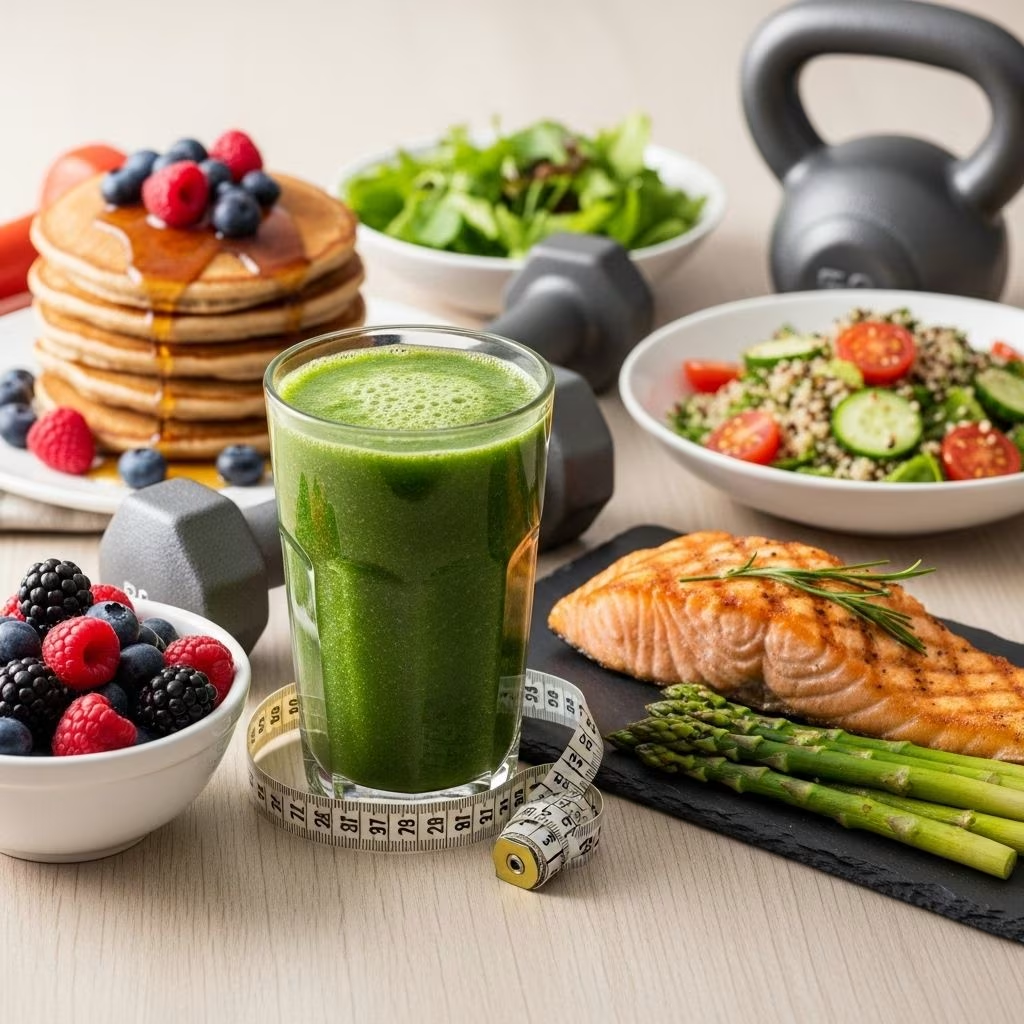
Weight loss doesn’t have to mean going hungry or drastically restricting your favorite foods. With the right strategies, it’s entirely possible to eat more—of the right foods—and still see the numbers on the scale go down. By focusing on nutrient-rich choices, mindful habits, and balanced meals, you can nourish your body, control cravings, and foster a healthier relationship with food.
This comprehensive guide provides 10 science-backed strategies to help you eat more delicious foods while actively supporting your weight loss journey. Whether you’re looking to lose a few pounds or embark on long-term wellness, these tips deliver proven results.
1. Prioritize High-Volume, Low-Calorie Foods
One key to eating more without gaining weight is to focus on foods that offer bulk and nutrition for minimal calories. These foods help you feel full and satisfied while keeping your calorie count in check:
- Leafy greens: spinach, arugula, romaine, kale, and other greens add nutrients and bulk with few calories.
- Non-starchy vegetables: broccoli, cauliflower, zucchini, peppers, mushrooms, and asparagus can fill up your plate and your stomach.
- Fresh fruit: Whole fruits provide fiber and water, creating a feeling of fullness. Choose lower-sugar options like berries, apples, oranges, and melons.
- Broth-based soups: Start meals with a vegetable-heavy soup to take the edge off your hunger and decrease overall calorie intake.
Filling your plate with these foods allows you to eat larger portions and stay satiated, making it far easier to stay on track and avoid overeating elsewhere.
2. Balance Your Plate With All Three Macronutrients
A sustainable weight loss plan isn’t about cutting out entire food groups—it’s about macronutrient balance. Each meal should contain a mix of:
- Complex carbohydrates: Whole grains, starchy vegetables, legumes, and fruit provide energy and essential nutrients.
- Lean protein: Chicken, fish, turkey, eggs, tofu, beans, or Greek yogurt help build muscle and keep you feeling full longer.
- Healthy fats: Avocado, nuts, seeds, olive oil, and fatty fish promote satiety and support overall health.
As a general rule:
- Fill half your plate with vegetables and fruit
- One-quarter with lean protein
- One-quarter with whole grains or complex carbs
- Add a small serving of healthy fat
This approach sends long-lasting satiety signals to your brain and body, reducing the temptation for high-calorie snacks later on.
3. Use Smart Portion Control
You don’t have to measure every bite. Instead, use visual cues and mindful habits to manage portions without feeling deprived:
- When at home, use smaller dishes—a 9-inch plate rather than a 12-inch.
- Follow your hand as a guide: a clenched fist = 1 cup carbs, your palm = 4 ounces protein, your thumb = 2 tablespoons healthy fat.
- For restaurant meals, ask for a container up front and place half your meal in it before eating.
- Eat slowly; it takes about 20 minutes for your brain to register fullness.
Smart portioning helps you eat satisfying amounts without overdoing calories—turning every meal into an opportunity to nourish and manage your weight rather than restrict or binge.
4. Eat Regularly—Don’t Skip Meals
Skipping meals seems like an easy way to cut calories, but it often backfires. Long gaps between meals make you more likely to snack impulsively, overeat at your next meal, or crave high-calorie foods.
- Aim for 3 balanced meals per day, spaced 4–5 hours apart.
- Add a small, nutritious snack if needed to bridge long gaps.
Research shows that maintaining consistent meal patterns reduces cravings, stabilizes energy, and supports better portion choices each time you sit down to eat.
5. Eat Mindfully and Limit Distractions
Mindful eating is about paying attention to your food. Slow down, savor each bite, notice flavors and textures, and listen for your body’s fullness cues. Try these techniques:
- Turn off screens—TV, phone, and computer—while you eat.
- Put your fork down between bites and chew thoroughly.
- Tune into hunger and fullness before, during, and after meals.
When you eat in front of a screen or on the go, it’s easy to overeat without even realizing it. Mindful eating leads to greater enjoyment and more natural portion control.
6. Cook More Meals at Home
Home-cooked meals help you control ingredients, portions, and cooking methods—so you end up consuming fewer hidden calories, excess sugar, and unhealthy fats. Advantages include:
- Lower levels of added sugar and salt compared to restaurant foods.
- Smaller, more rational portion sizes.
- Opportunities to experiment with nutrient-dense, satiating ingredients.
Start simple: try batch-roasting vegetables, grilling lean proteins, or making big salads loaded with colorful produce. Even a few extra home-cooked meals each week can help you eat more whole foods and lose weight in the process.
7. Focus on Quality, Not Just Calories
Calories matter for weight loss, but nutrient density is even more important for overall health and lasting success. Shift your focus to foods that are:
- Rich in vitamins, minerals, and antioxidants—think vegetables, fruits, nuts, seeds, and whole grains.
- Minimally processed—limit packaged snacks, sweets, and sugary drinks.
- High in fiber and water—these foods keep you fuller longer with fewer calories overall.
Choosing whole, unprocessed foods crowds out empty calories and helps prevent mindless nibbling and cravings later in the day.
8. Hydrate All Day (But Don’t Drink Your Calories)
Staying hydrated helps prevent mistaking thirst for hunger and supports healthy metabolism. Here’s how to get your fluids smartly:
- Drink a glass of water before each meal to help control appetite.
- Flavor water with fruit, cucumber, or herbs for a refreshing, calorie-free alternative to soda.
On the flip side, avoid sugary sodas, fancy coffee drinks, and fruit juices—these can quickly add up to hundreds of empty calories. Even diet sodas are linked in some studies to increased overall calorie intake, so water is your best bet for both hydration and weight control.
9. Cut Down on Added Sugar
While some natural sugar is fine in foods like fruit and dairy, added and hidden sugars can sabotage weight loss efforts. Sources to watch for include:
- Sugary drinks—soda, sweetened tea, and energy drinks.
- Desserts, pastries, candy, and ice cream.
- Packaged foods like granola bars, flavored yogurts, salad dressings, and even ketchup.
Check ingredient lists for terms like high-fructose corn syrup, cane sugar, or agave. Limit these where possible and focus on natural sources of sweetness from whole foods instead.
10. Move More Throughout the Day
Formal exercise isn’t the only way to burn calories and boost weight loss. The physical activity you do as part of daily life—known as NEAT (Non-Exercise Activity Thermogenesis)—can account for a surprising number of calories burned each day. Try to:
- Walk more—aim for 10,000 steps if possible.
- Take the stairs instead of the elevator.
- Stand while talking on the phone or during meetings.
- Tidy up regularly—housework and gardening count!
All movement matters; by staying active throughout the day, you make it easier to create and sustain the calorie deficit needed for weight loss.
Frequently Asked Questions
Q: Do I have to count calories to lose weight?
A: You don’t have to count every calorie, but tracking portions and being mindful of what you eat can help prevent accidental overeating. Focusing on appetite cues and balanced plates can be just as effective for many people.
Q: Can I still eat carbs and lose weight?
A: Yes—carbohydrates are not inherently fattening. Prioritize whole grains, fruits, and starchy vegetables, and avoid refined sugars for the best results.
Q: What if I feel hungry all the time?
A: Make sure each meal contains enough fiber, protein, and healthy fat for satiety. Eating regularly and including plenty of high-volume, low-calorie foods like vegetables can also help.
Q: How much sleep do I need for healthy weight loss?
A: Sleep is essential. Aim for 7–9 hours per night to regulate hunger hormones, optimize metabolism, and avoid late-night snacking due to fatigue.
Key Takeaways
- Eating more doesn’t mean eating more calories; it means eating more nutrient-rich, high-volume foods that support your goals.
- Balanced meals with protein, complex carbs, and healthy fats keep you full and satisfied.
- Smart habits like mindful eating, home cooking, portion control, and regular hydration make weight management easier and more enjoyable.
Table: Common Foods for High-Volume, Low-Calorie Eating
| Food | Calories (per cup) | Benefits |
|---|---|---|
| Spinach | 7 | Rich in vitamins, minerals, and fiber |
| Broccoli | 31 | High fiber; contains antioxidants |
| Strawberries | 53 | Low sugar, high vitamin C |
| Chicken breast (cooked, diced) | 142 | High protein, low fat |
| Greek yogurt (non-fat, plain) | 100 | Protein-rich, probiotics for gut health |
Final Thoughts
With these 10 practical strategies, you can embrace a lifestyle where eating more means fueling your body wisely, enjoying delicious meals, and achieving your weight loss goals without deprivation. Remember, successful weight loss is built on consistency, smart choices, and self-compassion.
References
- https://www.prevention.com/weight-loss/a30188568/lose-weight-without-exercise-0/
- https://www.prevention.com/weight-loss/g20450133/50-ways-to-lose-10-pounds/
- https://www.prevention.com/weight-loss/g20487308/how-to-stop-losing-and-gaining-the-same-10-pounds/
- https://www.prevention.com/weight-loss/g20498713/lose-weight-without-trying/
- https://www.prevention.com/weight-loss/g20490240/10-rules-to-live-by-for-long-lasting-weight-loss/
- https://www.prevention.com/weight-loss/diets/g20440614/25-best-weight-loss-tips-ever/
- https://www.prevention.com/weight-loss/a20454973/chocolate-for-weight-loss/
- https://www.prevention.com/weight-loss/g20508128/what-you-need-to-know-about-these-10-popular-diets-before-you-try-one/
- https://www.prevention.com/weight-loss/g20511161/number-one-major-weight-loss-tip/
- https://www.prevention.com/weight-loss/g20496527/15-weight-loss-foods/


