


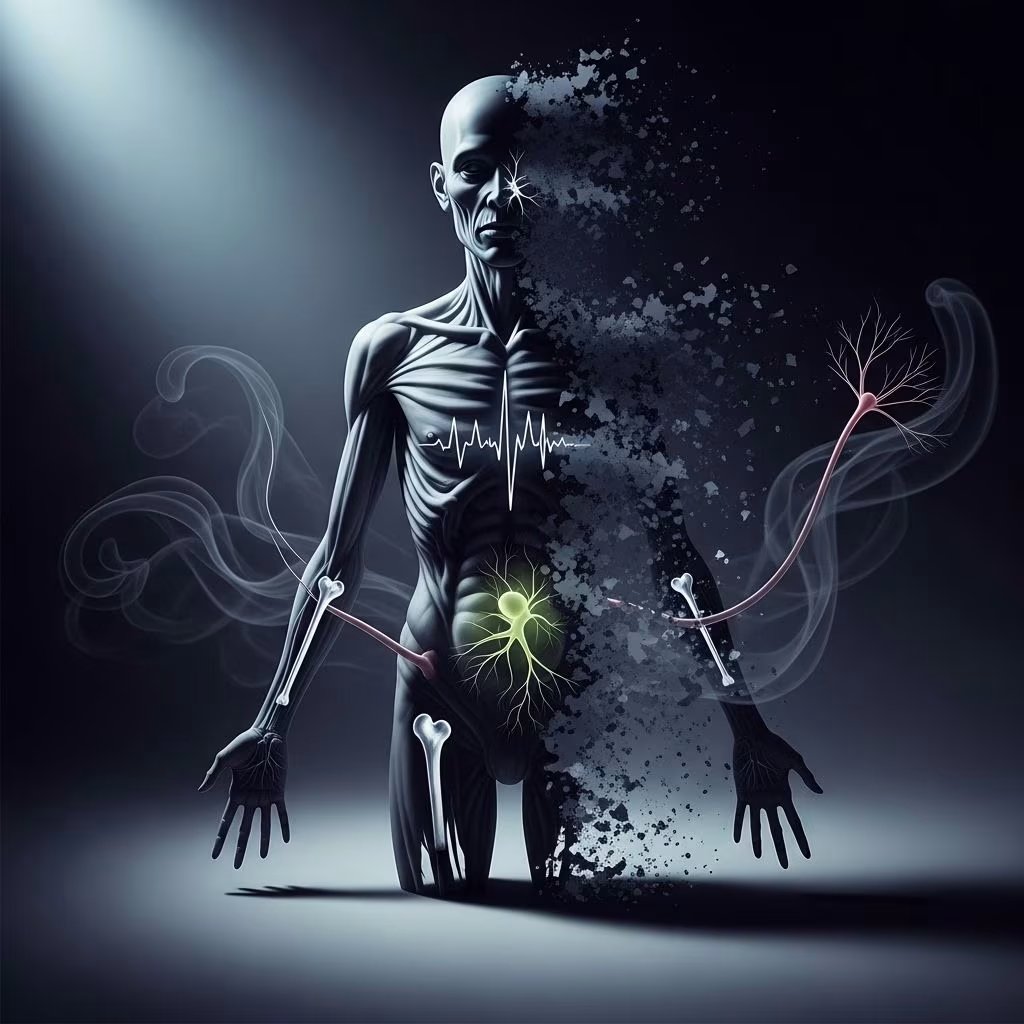
The Hidden Dangers of Extreme Weight Loss
In a culture obsessed with thinness, the idea of shedding weight quickly can sound appealing. Crash diets, extreme exercise routines, and drastic calorie restrictions promise dramatic results—but beneath the surface, rapid or extreme weight loss brings a cascade of health consequences. While a modest, sustainable reduction in body weight can meaningfully improve health, losing weight too rapidly poses serious short- and long-term risks.
Why Is Rapid Weight Loss So Risky?
Extreme weight loss is generally defined as losing more than 1 kilogram (2.2 pounds) per week for several consecutive weeks. Diets or regimens promoting such quick results often lead not only to fat loss, but also the depletion of muscle, vital nutrients, and the disruption of body systems. Understanding these risks is essential for making informed decisions about your health journey.
Physical Consequences of Extreme Weight Loss
Let’s break down the key physical risks you may face:
- Loss of muscle mass
- Electrolyte imbalance
- Nutritional deficiencies
- Gallstones and digestive issues
- Drastically falling energy levels
- Slower metabolism and bone loss
Loss of Muscle Mass
Losing weight quickly isn’t just about shedding fat—your body also breaks down muscle when deprived of sufficient energy and nutrients. As muscle mass declines, your metabolism slows down, making future weight management even harder. Muscle is crucial for strength, functional movement, and metabolic health, so its loss diminishes physical ability and everyday quality of life.
Electrolyte Imbalance
Electrolytes—minerals like sodium, potassium, and calcium—are essential for nerve signaling, muscle contraction, and hydration. Extreme diets can unbalance these, leading to dangerous symptoms such as:
- Seizures
- Irregular heart rhythms (arrhythmia)
- Dizziness and fainting
- Headaches
Electrolyte imbalances are especially common in cases of excessive fluid loss and severely restricted eating. Left untreated, they can lead to medical emergencies.
Nutritional Deficiencies
Sustaining an unhealthy calorie deficit often means missing out on key nutrients. Common deficiencies include:
- Protein
- Iron (leading to anemia)
- Vitamin D
- Calcium (risking bone loss)
- Vitamin B12 and copper
Deficiencies in essential nutrients weaken your immune system, lower energy, and predispose you to bone loss, hair thinning, and even heart irregularities.
Gallstones and Digestive Issues
When losing weight too quickly, the liver processes and releases extra cholesterol into bile. Coupled with irregular food intake, this buildup can trigger gallstone formation—painfully hardened deposits in the gallbladder. Symptoms may include:
- Intense abdominal pain
- Indigestion
- Nausea and vomiting
Besides gallstones, digestive problems like bloating, constipation, and discomfort may also arise, further reducing the quality of life.
Drastic Drop in Energy Levels
Eating too little or burning too many calories can leave you feeling constantly fatigued. Your body enters a survival state, slashing energy output and impairing both physical and mental performance. Extreme restrictions can cause:
- Lethargy
- Dizziness
- Irritability
- Impaired focus
With ongoing fatigue, productivity, mood, and even relationships may suffer.
Slower Metabolism and Loss of Bone Density
Rapid weight loss prompts the body to conserve energy by slowing metabolism. This not only makes further weight loss harder, but also risks regaining the weight once regular eating resumes. Lower calorie intake may also thin bones over time, increasing risk for osteoporosis and fractures.
| Physical Effect | Symptoms | Long-Term Risk |
|---|---|---|
| Muscle Loss | Weakness, decreased strength | Slow metabolism, impaired function |
| Nutrient Deficiency | Anemia, weakened immunity | Chronic disease, bone thinning |
| Gallstones | Abdominal pain, indigestion | Surgical intervention risk |
| Fatigue | Low energy, brain fog, irritability | Productivity loss, mood disorders |
Mental Health and Psychological Risks
The downsides of rapid weight loss are not just physical. Psychological and emotional impacts often go alongside bodily changes, adding layers of difficulty to maintaining weight loss.
Mood Disturbances and Mental Health Disorders
- Depression and anxiety: Extreme dietary restriction—and the associated physiological stress—can increase risk of anxiety, feelings of sadness, and difficulty coping.
- Binge eating and obsessions with food: Cycles of deprivation and reward can escalate into disordered eating patterns. Constant focus on calories and weight may foster unhealthy food preoccupations.
- Irritability and impulsiveness: Low energy availability can contribute to anger, poor impulse control, and heightened emotional reactions.
For those susceptible—especially people with a history of eating disorders—the drive for rapid weight loss can intensify morbidity and mortality risks, sometimes leading to critical medical emergencies.
The Mental Toll of Unsustainable Diets
Crash diets and fast fixes are rarely sustainable. Many individuals struggle to maintain new eating patterns, leading to frustration, guilt, and cycles of weight regain (the ‘yo-yo’ effect). Psychological difficulties may intensify over time if underlying habits and attitudes are not addressed.
The Rebound Effect: Regaining Weight and Metabolic Slowdown
One of the most pervasive risks of rapid weight loss is regaining the lost weight—and often more—once normal eating resumes. This is known as the rebound effect or “yo-yo dieting.” Extreme diets slow metabolism and reduce muscle mass, making the body more likely to restore lost fat quickly. Additional risks of the rebound effect include:
- Wider fluctuations in weight, which can increase cardiovascular risks
- Long-term difficulty in maintaining a healthy, stable weight
Additional Complications and At-Risk Groups
Gallstones and Surgery
Gallstone risk goes up sharply with rapid weight loss—particularly for people losing more than three pounds per week. These painful stones may require medical intervention or surgery if they block the gallbladder.
Heightened Mortality Risk
Major weight loss—especially over 15% of body mass—has been statistically associated with increased risk of death in older adults, regardless of their original weight. This is particularly true in those with underlying health conditions.
Risks for Non-Dieting Individuals
Unintentional, ongoing weight loss may signal underlying health issues, such as metabolic disorders, cancers, or chronic infections. If you lose more than 10% of your body weight within six months without trying, medical evaluation is strongly advised.
Who Is Most at Risk?
- Those attempting aggressive crash diets
- Individuals with a history of eating disorders
- Older adults (higher mortality and bone loss risk)
- People with chronic medical conditions
Any regimen causing rapid weight loss—whether intentional or not—should be supervised by a qualified healthcare professional. Multidisciplinary teams can help address both physical and psychological risks, providing tools for sustainable and healthy progress.
Actionable Advice: How to Lose Weight Safely
Moderation is key. Experts recommend aiming to lose no more than one kilogram (2.2 pounds) per week through a balanced combination of:
- Nutrient-rich diet with adequate protein/calories
- Regular, enjoyable physical activity
- Behavioral support and lifestyle adjustments
- Medical supervision when targeting significant weight loss
Addressing root habits, cognitive patterns, and emotional factors—rather than obsessively chasing numbers—leads to the best long-term health results.
Frequently Asked Questions (FAQs)
Q: Is losing weight quickly ever safe?
A: For most individuals, rapid weight loss is not safe and can trigger a range of health issues, from muscle loss and nutritional deficiencies to psychological disturbances. In rare, medically supervised cases (e.g., pre-surgery), rapid weight reduction may be permitted, but only under strict professional guidance.
Q: What signs signal risks from quick weight loss?
A: Warning signs include persistent fatigue, dizziness, muscle weakness, mood disturbances, heart palpitations, abdominal pain, and changes in bowel habits. If you notice these, consult a healthcare provider promptly.
Q: Will rapid weight loss ruin my metabolism?
A: Yes—extreme caloric deficits can slow metabolism as your body adapts to lower energy availability. This effect can make it harder to keep weight off in the long run and increase rebound risk.
Q: Does mental health really suffer from extreme dieting?
A: Absolutely—depression, anxiety, irritability, and binge eating can worsen during and after crash dieting. Sustainable, psychologically supportive approaches help protect overall well-being.
Q: What should I do if I lose weight unintentionally?
A: Unintentional, ongoing weight loss may indicate serious medical concerns—consult your doctor for evaluation and diagnosis.
Key Takeaways
- Extreme or rapid weight loss often harms, rather than helps, overall health.
- Physical risks include muscle loss, metabolic slowdown, nutritional deficiency, electrolyte imbalance, and gallstones.
- Mental health can deteriorate, with higher risk for depression, anxiety, and binge eating.
- Weight regained post-diet (rebound effect) is common and can unsettle metabolism long-term.
- Safe, sustainable weight loss combines nutrition, exercise, behavior change, and professional support.
If you or someone you know is pursuing rapid weight loss, consider seeking professional guidance. Prioritizing physical and mental health over quick results is ultimately the best path to lasting well-being.
References
- https://www.activesgcircle.gov.sg/read/nutrition/5-alarming-dangers-of-extreme-weight-loss-you-cant-afford-to-ignore
- https://www.healthline.com/nutrition/losing-weight-too-fast
- https://thejacksonclinics.com/the-dangers-of-rapid-weight-loss/
- https://www.ncbi.nlm.nih.gov/books/NBK603752/
- https://www.obesityaction.org/resources/the-risks-of-the-crash-diet/
- https://www.webmd.com/diet/rapid-weight-loss
- https://health.clevelandclinic.org/risks-of-losing-weight-too-fast
- https://pubmed.ncbi.nlm.nih.gov/8363205/
- https://www.mayoclinic.org/symptoms/unexplained-weight-loss/basics/definition/sym-20050700
- https://www.siloamhospitals.com/en/informasi-siloam/artikel/dangers-of-extreme-dieting-you-should-be-aware-of-


