


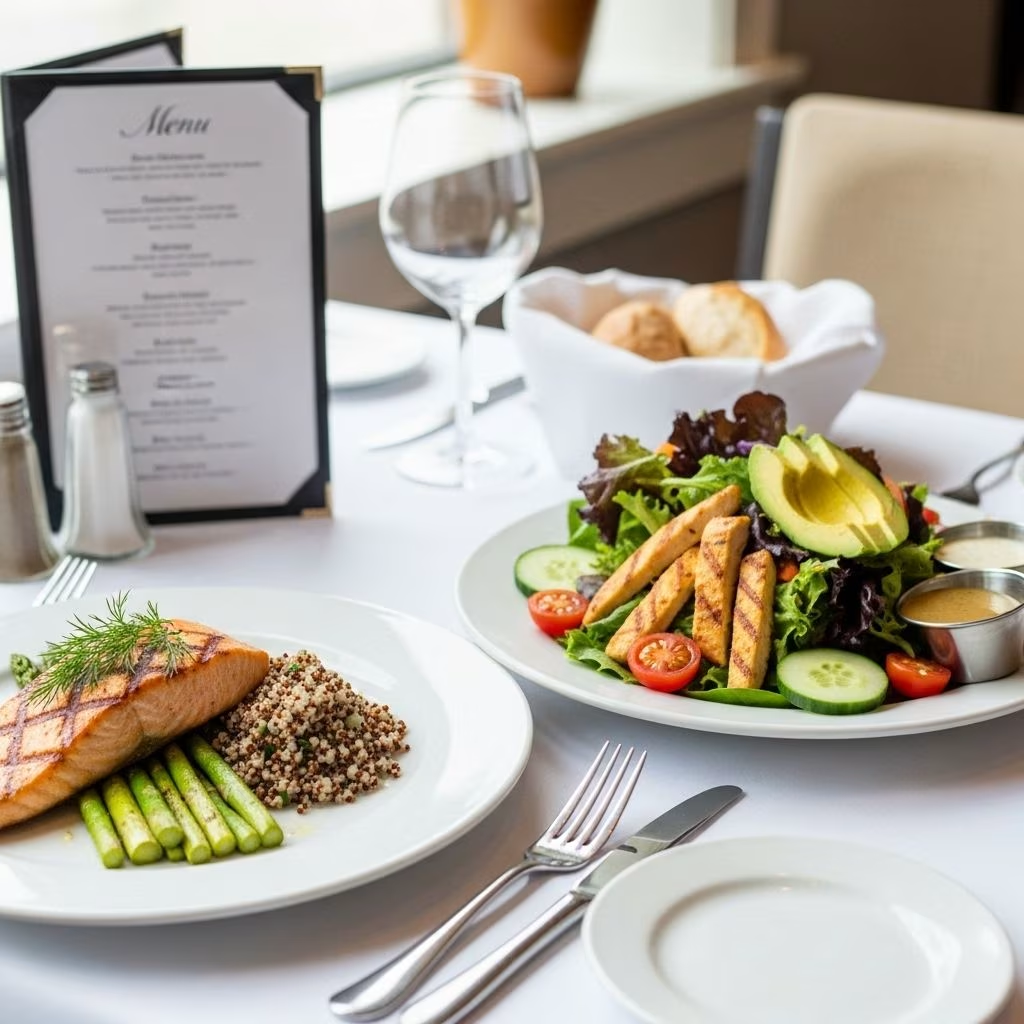
How to Eat Healthy at Restaurants: Smart Tips for Dining Out
Dining out can be a pleasurable experience, but it often challenges our healthy eating intentions. With oversized portions, irresistible bread baskets, and tempting fried foods, restaurant meals can easily derail wellness goals. However, with the right strategies, you can enjoy dining out while keeping your nutrition on track. This comprehensive guide shares evidence-based tips on making healthy choices at restaurants—no matter your cuisine or dietary needs.
Why Eating Out Can Undermine Healthy Habits
Restaurant culture favors generous servings and rich ingredients. Common pitfalls include:
- Large portions—sometimes double a recommended serving size.
- Hidden fats, sugars, and salt in sauces and dressings.
- Fried and creamy menu items featured as default choices.
- Unlimited bread, chips, and refills
- Social pressure to indulge or order more than intended.
Fortunately, knowing how to read a menu and talk to your server can help you find healthy options, customize meals, and avoid diet traps.
Smart Strategies for Ordering Healthy Meals
- Steer clear of menu terms like ‘fried,’ ‘crusted,’ ‘cream-based,’ ‘stuffed,’ or ‘smothered.’ Instead, choose dishes described as ‘grilled,’ ‘baked,’ ‘steamed,’ ‘poached,’ ‘roasted,’ or ‘broiled.’ These methods use less oil and typically have fewer calories and unhealthy fats.
- Ask for sauces, dressings, and condiments on the side. Control how much you use—a dipping fork gives you flavor with much less calorie load.
- Substitute sides. Swap fries, mashed potatoes, or creamy slaws for steamed vegetables, side salads, or a baked potato.
- Get creative with custom orders. Restaurants expect special requests, so ask for double veggies, no added butter, or light cheese when possible.
- Go for whole grains. Where available, opt for brown rice, whole wheat bread, or whole grain pasta for more fiber and nutrients.
- Watch portion sizes. Bring home leftovers by boxing half your entrée before you start eating. Portion control instantly cuts calories and often gives you another meal.
- Check drink calories. Skip sugary sodas, sweet cocktails, and large specialty coffees, which pack hundreds of calories. Choose water, seltzer, or unsweetened tea instead.
Reading the Menu: Decoding the Healthiest Choices
The menu is your blueprint for a balanced meal, but its language can be misleading. Here’s how to decode popular menu descriptions:
| Menu Term | What it Means | Healthier Swap |
|---|---|---|
| Fried, Tempura, Crispy | Deep-fried in oil, high in fat/calories | Baked, grilled, broiled, steamed |
| Stuffed, Smothered | Loaded with butter, cheese, cream or sauce | Plain, with sauces/dressings on the side |
| Creamy, Alfredo, Cheesy | Heavy cream or cheese sauces; high fat | Marinara, salsa, pesto (check oil/salt) |
| Au Gratin, Casserole | Often made with heavy cream and cheese | Grilled, baked, roasted veggies/meats |
| Sweetened, Candied, Glazed | Added sugars (honey, syrup, sugar) | Fresh fruit, cinnamon, unsweetened |
Optimizing Your Order: 15 Techniques for Healthy Restaurant Eating
- Start with a salad or broth-based soup. These fill you up with fiber and water, helping you eat less during the meal.
- Request light cheese or no cheese. Cheese adds saturated fat and calories, but a sprinkle can add flavor without going overboard.
- Choose lean proteins—chicken breast, fish, seafood, beans, or tofu. These keep you satisfied without excess saturated fat.
- Replace fries or chips with a side salad, steamed veggies, or fruit.
- Request whole grain breads or pasta.
- Split an entrée or dessert with a friend. You enjoy the taste without eating the whole portion.
- Bring your own healthy dressing if allowed. Many restaurant dressings are high in sugar and fat.
- Order double or triple veggies if available. Bulk up fiber while reducing calorie density.
- Limit alcohol; choose wine, beer, or a simple spirit with club soda if you indulge. Mixed drinks and cocktails can contain significant hidden sugars and calories.
- Say no to the bread basket. Or set a limit: one piece, then ask for it to be taken away.
- Try open-faced or lettuce-wrapped sandwiches instead of traditional buns. Reduces refined carbs intake.
- Watch sauces: ask for salsa, mustard, vinegar, or lemon wedges for flavor. These are typically lower-calorie than creamy sauces.
- Skip supersizing, combos, or buffets. ‘All-you-can-eat’ options lead to overeating beyond natural hunger.
- If craving dessert, opt for fresh fruit, sorbet, or split a small portion.
- Ask your server about healthier preparation styles. Most restaurants welcome special requests and will clarify what substitutions are possible.
Healthy Choices by Cuisine Type
Some cuisines lend themselves to healthier eating—but all have options if you know what to look for. Here are smart picks for popular restaurant types:
American
- Baked or grilled chicken or fish sandwiches, skip creamy sauces
- Veggie-rich salads, vinaigrette dressing on the side
- Grilled vegetable sides
Mexican
- Grilled chicken or veggie fajitas, skip the cheese/sour cream
- Bean burritos with extra lettuce and salsa
- Whole-wheat tortillas if available
Italian
- Marinara sauce on whole-wheat pasta, grilled proteins
- Thin-crust veggie pizza, hold extra cheese
- Minestrone soup, salad with balsamic vinegar
Asian
- Steamed dishes (veggies, chicken, seafood) with brown rice
- Sashimi or veggie rolls at sushi restaurants
- Broth-based soups (pho, miso, hot pot)
Fast Food
| Chain | Healthier Options |
|---|---|
| Subway | 6-inch Turkey Breast Sandwich on wheat, Oven-Roasted Chicken Salad, Veggie Delite |
| Taco Bell | Veggie Bowl, hold cheese/sour cream, double lettuce/veggies |
| Pizza Hut | Veggie Lover’s Pizza, thin & crispy crust, moderate cheese |
| Wendy’s | Chili over baked potato (fiber, relatively low cal), Grilled Chicken sandwich, sauce on side |
| Chipotle | Burrito Bowl (chicken, beans, rice, double veggies, minimal cheese & sour cream) |
| Panda Express | Broccoli Beef, side of mixed veggies, brown rice option |
Navigating Special Health Concerns
If you have diabetes, heart disease, hypertension—or if you’re watching your weight for any reason—use these extra strategies:
- Review menus online before you go. Many restaurants provide nutrition data, making it easier to assess calorie, sodium, and fat content.
- Let the server know about dietary restrictions. Communicate allergies, salt/sugar limits, or ingredient concerns upfront.
- Ask about preparation oils and hidden sources of fat and salt. Request olive oil, light oil, or no added salt and butter.
- Order simple, minimally processed foods. The fewer ingredients, the easier to control nutrients.
- For dessert, opt for fruit plate or split a light dessert. Satisfy a sweet tooth without sabotaging your health.
Tips for Preventing Overeating at Restaurants
- Order first. By committing early, you avoid being swayed by others’ choices.
- Skip the bar and start with water or unsweetened tea. Alcohol tends to increase appetite and caloric intake.
- Divide your meal in half before eating. Ask for a takeout container at the start: you’ll get two meals and avoid mindless overeating.
- Share dishes when possible. Split appetizers, mains, and desserts to feel satisfied with sensible portions.
- Slow down and savor. Take time to enjoy flavors—put your fork down between bites.
Healthy Restaurant Dining: Frequently Asked Questions (FAQs)
Q: Can I ever have fries, dessert, or a cocktail when eating out?
A: Occasional indulgence is part of a balanced approach. Enjoy smaller portions—split items with a friend, and savor a few bites slowly instead of eating the whole serving.
Q: Will the restaurant accommodate special dietary requests?
A: Most restaurants prioritize customer service and will usually fulfill requests for substitutions, omitted ingredients, or healthier preparation styles—just ask politely and explain your needs.
Q: Are ‘light’ or ‘skinny’ menu options always healthy?
A: Not always. ‘Light’ may mean lower calories, but still high sodium, sugar, or processed ingredients. Check nutrition details where available.
Q: Is salad always the healthiest choice?
A: Not necessarily. Salads loaded with bacon, cheese, creamy dressings, and croutons can be calorie bombs. Opt for grilled proteins, lots of veggies, and vinaigrette on the side.
Q: What’s the best drink to order when dining out?
A: Water, sparkling water, or unsweetened iced tea are the healthiest options. If you enjoy alcohol, avoid sugary mixers and stick to wine or spirits with seltzer.
Quick Reference Guide: Dining Out Smart
- Survey the menu for cooking styles: grilled, baked, broiled, steamed are best.
- Salad dressings and sauces should always be requested on the side.
- Ask for whole grain breads, rice, or pastas if available.
- Split entrees, sides, or desserts to prevent overeating.
- Skip free refills—liquid calories add up fast.
- Pair proteins with plenty of vegetables and limit starchy/fried sides.
- Stick with water or light drinks to avoid hidden sugars and fats.
Conclusion
Eating healthy at restaurants isn’t about deprivation—it’s about informed choices and smart habits you can sustain for life. With menu literacy, portion control, and a willingness to ask for what you need, dining out can fit any healthy routine. From chain fast food to gourmet dining, use these strategies to enjoy meals, maintain energy, and reach your nutrition goals without missing out on the pleasure of eating out.
References
- https://www.prevention.com/food-nutrition/healthy-eating/g19601242/healthy-fast-food-options/
- https://www.prevention.com/weight-loss/a20433312/weight-loss-and-restaurants/
- https://www.prevention.com/weight-loss/a20429571/healthy-eaters-eat-out-guide/
- https://www.prevention.com/weight-loss/a20465396/prevent-overeating-at-restaurants/
- https://www.prevention.com/weight-loss/a20451598/healthy-eating-tips-for-dining-out/
- https://www.prevention.com/weight-loss/a20452542/healthy-restaurant-eating/
- https://www.prevention.com/food-nutrition/healthy-eating/a65221143/best-time-of-day-to-eat-dinner/
- https://www.prevention.com/food-nutrition/
- https://www.prevention.com
- https://www.prevention.com/food-nutrition/g20498199/foods-you-should-never-eat/


