


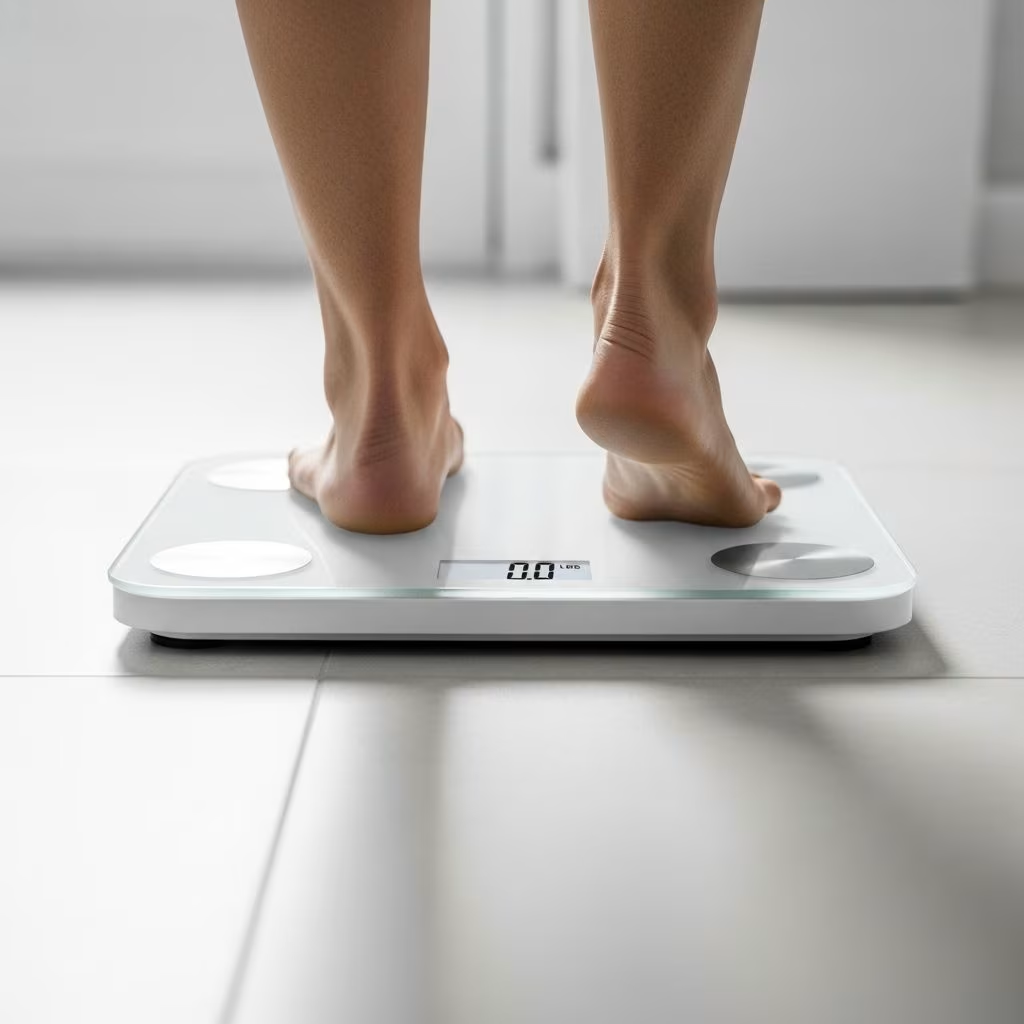
Should You Weigh Yourself Every Day? The Science and Psychology of Stepping on the Scale
For anyone on a weight loss or weight maintenance journey, the bathroom scale can feel like both a helpful ally and a challenging adversary. The critical question: should you make daily weigh-ins a habit, or is less frequent tracking better? Science offers increasing evidence that frequent self-weighing can help many individuals lose more weight and keep it off, yet psychological considerations and personal context matter deeply.
The Evolution of Self-Weighing: What Do Experts Recommend?
For many years, mainstream weight loss programs like Weight Watchers as well as public health bodies have not widely endorsed daily self-weighing. Instead, weekly weigh-ins or avoiding the scale altogether (especially for those with a history of disordered eating) have been the norm. However, a growing body of evidence challenges these old guidelines and highlights advantages of more frequent feedback.
- Behavioral Weight Loss Programs: Many traditional programs taught participants to weigh themselves once a week—typically to prevent discouragement over normal weight fluctuations.
- Public Health Messaging: Even large organizations such as the CDC historically left out explicit recommendations on self-weighing frequency.
However, researchers now stress that daily weigh-ins—when practiced appropriately—can serve as powerful motivators, reinforce healthy behaviors, and help maintain long-term weight loss .
What the Research Says: Does Daily Weighing Lead to More Weight Loss?
Multiple studies have found that sustained daily self-weighing correlates with greater weight loss and weight maintenance compared to less frequent weighing.
- University of Minnesota Study: In a study following 1,800 adults, those weighing themselves daily lost an average of 12 pounds over two years, compared to just 6 pounds for those who weighed themselves weekly. Daily weighers were also less likely to regain the weight.
- Randomized-Controlled Trial (Chapel Hill, NC): Participants assigned to weigh themselves every day lost significantly more weight than those weighing less than daily (mean difference: 6.1 kg greater loss). Daily weighers also adopted more weight control behaviors, such as monitoring food intake or increasing physical activity .
- Cornell University 2-Year Study: Men who weighed themselves daily showed the most resilient weight loss and maintenance. The scale provided constant feedback, reinforcing positive behaviors and nudging individuals to stay committed .
These findings consistently reinforce the idea that the scale acts as a daily reminder of your goals, helping you catch small gains before they escalate and celebrate successes. This kind of self-monitoring creates a level of accountability that can be especially helpful for motivated individuals.
How Daily Weigh-Ins Support Weight Control Behaviors
The key mechanism behind daily weighing’s success is not simply about catching pounds—it’s how regularly tracking your weight prompts a chain of mindful habits:
- Self-Regulation: Frequent feedback creates situational awareness of your behaviors, such as dietary choices and exercise, leading to timely course corrections.
- Behavioral Reinforcement: Regular interaction with the scale reinforces the importance of your health goals, encouraging you to stick with effective habits.
- Prevention of Weight Regain: By catching small increases quickly, daily weighers can tweak habits before minor gains turn into major setbacks.
| Weighing Frequency | Average Weight Lost (2 years) | Behavior Changes Noted |
|---|---|---|
| Every Day | 12 lbs | More food/exercise awareness, rapid habit adjustment |
| Once a Week | 6 lbs | Less habit self-monitoring; slower to respond to gains |
It’s important to note that, while daily weighing led to the adoption of more weight control strategies, differences in dietary intake or physical activity (as measured by self-report) were less pronounced, suggesting the key benefit may be psychological self-regulation .
Potential Psychological Pitfalls of Daily Weighing
Despite the proven benefits, there are legitimate concerns about the emotional side of stepping on the scale every day. The number fluctuates due to water retention, salt intake, hormonal cycles, and other factors unrelated to fat loss—meaning not every uptick signifies failure. For some, this can create:
- Scale Obsession: Fixating on a number instead of overall health can undermine motivation or self-esteem.
- Emotional Distress: Repeated disappointments—or even expected fluctuations—may contribute to stress, self-criticism, or abandonment of a weight loss plan .
- Increased Risk of Disordered Eating: In vulnerable individuals, frequent weighing may trigger or exacerbate unhealthy behaviors. Research has not conclusively proven that daily weigh-ins cause eating disorders, but experts recommend caution .
Bottom line: For healthy, motivated individuals, daily weigh-ins can be valuable. Anyone with a personal or family history of eating disorders—or who notices unhealthy preoccupation with numbers—should avoid daily self-weighing or seek support from a healthcare provider.
Who Should Avoid Daily Weighing?
Consider less frequent self-weighing, or other means of progress tracking, if you:
- Have a current or past eating disorder.
- Notice mood, self-worth, or daily habits being excessively influenced by the scale.
- Prefer focusing on non-scale victories (such as strength, stamina, health metrics, or how clothing fits).
Tips for Getting the Most from Your Scale
To benefit from daily weigh-ins while minimizing drawbacks, keep the following science-backed strategies in mind:
- Weigh yourself at the same time every day, ideally first thing in the morning after using the restroom and before eating or drinking, to minimize normal daily fluctuations.
- Log your results: Record your daily number in a weight tracker or journal to observe patterns and trends over weeks rather than fixating on day-to-day variation .
- Avoid emotional reactions to single days: Weight naturally fluctuates; focus on your overall trend line.
- View the scale as feedback, not judgment: If your weight increases, use it as information to gently adjust habits, rather than as a reason for self-criticism.
- Set realistic expectations: Accept that progress isn’t always linear. Periodic plateaus and even slight, temporary gains are normal parts of any weight journey.
What Happens If You Stop Weighing Yourself?
For many, removing the scale can have mixed results. Some studies show that stopping daily weigh-ins correlates with greater weight regain over time. In a two-year study, daily weighers had the lowest rates of weight regain, especially among men. The psychological explanation? Daily weighing keeps healthy behaviors top of mind and reinforces motivation: “The scale acts as a priming mechanism, making you conscious of food and enabling consistent choices,” explains nutrition psychology expert David Levitsky.
- Positive Effects: Some people experience improved body satisfaction and reduced anxiety when they step away from the scale, particularly adolescents and young adult women.
- Negative Effects: Others are prone to unconscious lapses in habits and slow weight regain when the visual accountability disappears .
Expert Opinions: Connecting Science and Real-World Advice
Some experts, including Kelly Brownell, PhD of Yale, note that research may reflect correlation, not causation: “People who are doing well like the feedback, so naturally they weigh themselves more often than those who are struggling.” It’s possible that those already succeeding are more likely to stick with daily weigh-ins, while others lose heart and stop checking the scale .
However, randomized controlled trials have shown that assigning participants to daily weigh-ins—regardless of initial motivation—can improve outcomes. The consensus is moving towards recommending regular self-weighing (daily or several times a week) as a helpful behavior for motivated, non-vulnerable adults seeking weight loss or maintenance.
When Weighing Is Not Enough: Looking Beyond the Scale
While the scale is a powerful tool, it isn’t the only or always the best way to track progress. Some additional methods include:
- Body measurements (waist, hips, chest)
- How clothing fits
- Fitness or strength achievements
- Quality of sleep, energy, and mood
These broader health indicators can provide a more holistic picture and may be especially valuable for anyone who finds daily weigh-ins emotionally challenging.
Frequently Asked Questions (FAQs)
Q: Is it really necessary to weigh myself every day to lose weight?
A: Research shows that daily weighing provides robust feedback and accountability—helping many people lose more weight and maintain it. However, it’s not required for everyone, and those with a history of eating disorders or high scale anxiety may benefit from less frequent self-monitoring. Ultimately, the best schedule is the one you can sustain healthfully.
Q: What time of day should I weigh for the best consistency?
A: Morning, after using the restroom and before eating or drinking, is the most consistent time to weigh. This minimizes the influence of food, beverages, and salt from the day prior.
Q: Why does my weight fluctuate even when I’m doing everything right?
A: Normal weight fluctuations of one to several pounds per day can occur due to changes in salt intake, hydration, hormones, or even exercise. These do not reflect fat gain or loss; long-term trends matter most.
Q: What can I do if I become discouraged by the scale?
A: If you notice negative moods or racing thoughts tied to your weight, consider switching to weekly weighing or tracking other health indicators like fitness or how your clothing fits. Your psychological health is as important as physical progress.
Q: Will daily weighing cause an eating disorder?
A: There is no evidence that daily weighing causes eating disorders in healthy adults. However, for those with a personal or family history of disordered eating, frequent weighing may not be appropriate. Listen to your body and mind, and consult a professional if you’re unsure.
The Final Takeaway: Making the Scale Work for You
Daily weigh-ins offer clear benefits for weight loss and maintenance by prompting mindful eating and increased self-regulation. However, they’re not the magic bullet for everyone. Use the scale as a tool—not a judge—and focus on your long-term health, both physical and psychological.
- If you find the scale motivates and empowers you, daily weigh-ins may help you reach your goals.
- If you become preoccupied or distressed, adjust the frequency or focus on non-scale victories instead.
As always, consult with a healthcare or mental health professional before making significant changes to your self-monitoring habits—especially if you have experienced or are at risk for disordered eating.
References
- https://pmc.ncbi.nlm.nih.gov/articles/PMC4380831/
- https://www.prevention.com/weight-loss/a20460839/should-you-weigh-yourself-every-day/
- https://www.prevention.com/weight-loss/a20432236/how-often-should-you-weigh-yourself/
- https://www.prevention.com/weight-loss/a20492165/what-happens-when-you-stop-weighing-yourself/
- https://www.prevention.com/weight-loss/a20430880/how-often-you-should-weigh-yourself-for-weight-loss/
- https://www.prevention.com/weight-loss/g20502811/6-habits-people-with-healthy-weights-have-in-common/
- https://www.prevention.com/weight-loss/g20482528/this-is-your-perfect-day-for-weight-loss/
- https://www.prevention.com/weight-loss/a20467270/the-day-of-the-week-youre-most-likely-to-gain-weight/
- https://www.cbsnews.com/news/daily-tracking-could-improve-weight-loss/


