


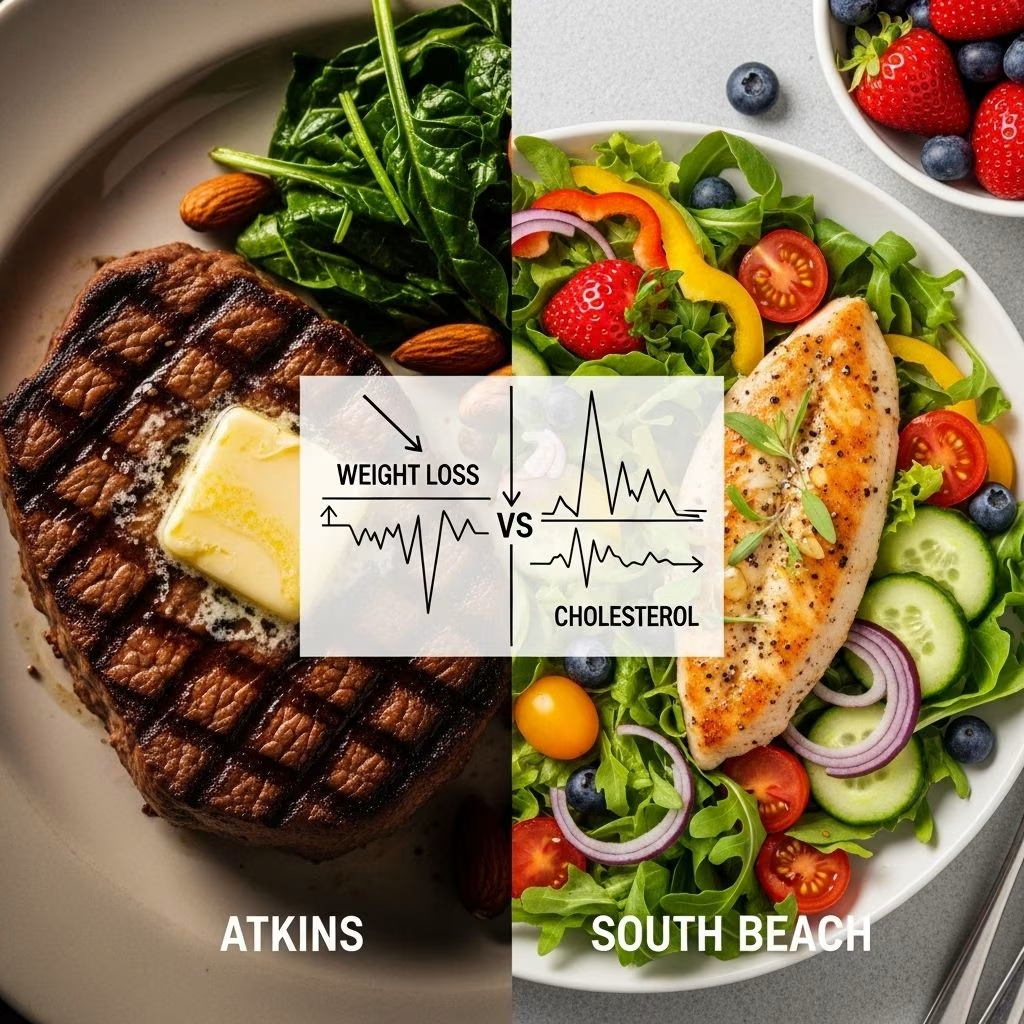
Atkins vs. South Beach Diet: Comparing Cholesterol and Weight Loss Effects
Low-carb diets have revolutionized weight loss strategies in the past few decades. Among the most influential are the Atkins diet and the South Beach diet. Both were designed by cardiologists aiming to help people shed pounds and improve heart health. But how do they compare when it comes to impacts on cholesterol, overall cardiovascular risk, and sustainable weight loss? This article explores their origins, mechanisms, practical rules, and what major research says about their effectiveness—and potential risks.
Origins and Philosophies of Atkins and South Beach Diets
Both Atkins and South Beach were popularized by doctors concerned with the rising tide of obesity and heart disease in the U.S., but their philosophies and practical details differ:
- Atkins Diet: Developed by Dr. Robert C. Atkins in the 1970s, this diet became a mainstream phenomenon in the 1990s. The approach emphasizes sharply reducing carbohydrate intake to trigger the body to burn fat for fuel, a metabolic state known as ketosis.
- South Beach Diet: Created by Dr. Arthur Agatston, a Miami-based cardiologist, and introduced through his 2003 book. This plan also restricts carbs, but instead of elimination, it differentiates between ‘good’ and ‘bad’ carbs and fats, encouraging a focus on the former groups for better health.
Key Differences in Approach
| Aspect | Atkins Diet | South Beach Diet |
|---|---|---|
| Founder | Dr. Robert C. Atkins | Dr. Arthur Agatston |
| First Published | 1972 | 2003 |
| Carbohydrate Policy | Strict reduction, especially early on | Initial reduction, gradual re-introduction; distinguishes ‘good’ vs. ‘bad’ carbs |
| Phases | 4 phases: Induction, Ongoing Weight Loss, Pre-Maintenance, Maintenance | 3 phases: Phase 1 (Strict), Phase 2 (Re-introduction), Phase 3 (Diet for Life) |
| Fat Policy | No restriction; encourages high fat (including saturated fat) | Emphasizes ‘good’ fats over ‘bad’ fats |
Similarities and Structure: How Both Diets Work
Despite sharply different messaging in their books and media coverage, the underlying structures of the Atkins and South Beach diets are surprisingly similar in several ways:
- Both advise a significant reduction in carbohydrate intake, especially during the initial phase.
- Each program uses a phased approach, gradually allowing increased food variety as the diet progresses.
- Both deploy lists of approved and forbidden foods, especially in induction, to guide choices and minimize decision fatigue.
- Their ultimate goal is a sustainable “maintenance” phase designed for lifelong habits, not simply temporary weight loss.
The Phases Compared
- Atkins:
- Induction: Under 20g net carbs per day. No fruit, bread, pasta, grains, starchy vegetables, legumes, or most dairy. Fewest carb options.
- Ongoing Weight Loss: Gradually increase carbs, focusing on non-starchy vegetables and some nuts.
- Pre-Maintenance: Test carb tolerance as you approach your target weight.
- Maintenance: Find your personal carb balance for sustainable, long-term eating.
- South Beach:
- Phase 1: Two weeks of strict carb reduction; no bread, rice, potatoes, fruit, or sugar.
- Phase 2: Gradual reintroduction of low-glycemic carbs (some fruits, whole grains) in moderation.
- Phase 3: “Diet for life”—a flexible, healthy eating plan designed for maintenance.
What Can You Eat—and Avoid?
The specifics of the food lists are essential to understanding both diets’ impacts on health—especially cholesterol.
- Atkins: Allows liberal intake of meats, eggs, cheese, butter, cream, and oils. Restricts nearly all carbohydrates, especially sugar, bread, pasta, rice, fruit, and starchy vegetables in early phases.
- South Beach: Emphasizes lean proteins (chicken, fish), non-starchy vegetables, nuts, and “good” fats like olive oil. Avoids high-sugar and high-glycemic carbs, but reintroduces whole grains, fruit, and some starches after induction.
As the phases progress, South Beach increasingly allows a broader range of carbohydrates, but always with an eye toward glycemic index and nutritional quality.
The Science: How Do These Diets Affect Cholesterol and Heart Health?
The primary distinction between Atkins and South Beach lies in their treatment of dietary fats and carbohydrates—and the implications for cholesterol and long-term cardiovascular health.
Cholesterol and Lipid Effects: What the Research Shows
- Atkins Diet:
- Associated with higher intake of total fat, saturated fat, and dietary cholesterol.
- Studies have shown increases in total cholesterol (TC) and LDL-C (“bad” cholesterol) after following Atkins, compared to South Beach and Ornish diets.
- Some research notes slight increases in HDL (“good” cholesterol), but these do not consistently offset the negative effects on LDL.
- South Beach Diet:
- Encourages intake of unsaturated (“good”) fats and fiber-rich, low-glycemic carbohydrates.
- Clinical studies observed reductions in total cholesterol and LDL-C after the South Beach phase, with no appreciable worsening in triglycerides or HDL.
- Cholesterol-lowering effects of South Beach may resemble Mediterranean-style diets over the long term, especially as more carbohydrates are reintroduced.
| Atkins Diet | South Beach Diet | |
|---|---|---|
| Cholesterol Intake | ~567 mg/day | ~202 mg/day |
| Total Fat Intake (%) | 58% | 31% |
| Saturated Fat (%) | 30% | 14% |
| Effect on LDL (“bad”) Cholesterol | Increases | Reduces |
| Effect on HDL (“good”) Cholesterol | Slight increase or no effect | Modest improvement or no decline |
| Effect on Triglycerides | No clear benefit vs. South Beach | Reduced in some studies |
These findings suggest that, compared head-to-head, Atkins may increase risks associated with high LDL-C and saturated fat intake—especially in individuals with prior heart disease or cholesterol concerns. South Beach, meanwhile, achieves weight loss without a comparable rise in cholesterol, likely due to its higher proportion of unsaturated fats and lower glycemic carbs.
Weight Loss: Do Atkins or South Beach Give Superior Results?
Beyond cholesterol, many dieters simply want to know: “Which program is more effective for losing pounds—especially long-term?”
- Short-term studies show both diets produce meaningful initial weight loss, mainly due to carbohydrate restriction and calorie reduction.
- Long-term data (12+ months) on weight maintenance are limited, especially for South Beach. However, pooled results from high-quality clinical trials reveal:
- Head-to-head, Atkins, South Beach, and other popular diets (like Weight Watchers or the Zone) all yield modest and similar amounts of weight lost at 1 year. The average difference between diets is typically less than 2-3 kg (about 4-7 lbs) over a year.
- Weight lost on any of these diets tends to be partly regained over time, suggesting that ongoing support and maintenance are critical for lasting results.
Cardiovascular and Metabolic Risks: Beyond Cholesterol
For both diets, the most debated question is: Are they safe for people with, or at risk for, heart disease?
- The Atkins diet’s permissive attitude toward saturated fats and red meat can raise LDL cholesterol for some individuals, potentially worsening heart disease risk markers.
- South Beach’s focus on unsaturated fats and gradual carb reintroduction is generally considered more heart-healthy, particularly for people with pre-existing risk factors.
- Some evidence finds that “primarily plant-based low-carb diets” are associated with better cardiovascular outcomes compared to versions rich in animal fat.
- However, neither plan is risk-free, and both should be tailored to individual needs—particularly for those with a history of high cholesterol or cardiovascular disease.
Parallels and Practical Considerations: How to Choose?
Ironically, two diets once marketed as opposites are more alike than different in the context of modern, evidence-based nutrition:
- Both can be effective at jump-starting weight loss if the rules are followed carefully.
- Both are based on lower-than-average carbohydrate intake, especially as compared to the standard American diet.
- Both allow customization and encourage whole, unprocessed foods in their later phases.
- Both require great care when reintroducing carbohydrates and maintaining weight loss over time.
Expert Opinions and Real-World Experiences
Medical experts suggest that choosing a diet plan should not be about picking sides but about understanding which components best fit your medical history, personal preferences, and ability to sustain changes over time.
- If you have a history of high cholesterol, heart disease, or risk factors: South Beach, with its focus on healthy fats and moderate carbs, might be a safer bet.
- If you are healthy, motivated, and able to monitor your labs, a short Atkins induction can kickstart weight loss—but it may not be appropriate for people with lipid concerns.
- Both plans stress the importance of portion control, long-term maintenance, and a gradual “normalization” of eating habits, rather than perpetual dieting.
- Consulting with a registered dietitian or your healthcare provider is strongly advised before embarking on any major dietary overhaul—especially those involving large changes in macronutrient ratios.
Frequently Asked Questions (FAQ)
Can following the Atkins diet increase cholesterol?
Yes. Evidence indicates that the Atkins diet, with its high intake of saturated fat and cholesterol, can lead to increases in total cholesterol and LDL (“bad”) cholesterol, particularly in individuals prone to lipid issues.
Does South Beach provide better heart health outcomes than Atkins?
Research suggests that the South Beach diet typically reduces total and LDL cholesterol, likely due to its emphasis on healthy fats and moderate, low-glycemic carbs, making it be a better choice for those focused on heart health.
Which plan is easier to stick with long-term?
Many people find South Beach easier to sustain over time because it is less restrictive regarding carbohydrates, especially after the initial two-week phase. Reintroduction of whole grains, fruits, and “good” fats makes it feel less like a diet and more like a healthy lifestyle.
Are either of these diets appropriate for people with diabetes?
Both Atkins and South Beach can improve blood glucose control through carbohydrate restriction. However, South Beach’s preference for low-glycemic foods may provide steadier blood sugar management. Decisions should be made in consultation with a healthcare provider.
Is there evidence one diet leads to greater permanent weight loss?
No. High-quality studies show that long-term weight loss differences between Atkins, South Beach, and similar diets are small and statistically insignificant at 12 months. Lasting results depend more on ongoing support and adherence than the specific plan chosen.
Summary Table: Atkins vs. South Beach at a Glance
| Feature | Atkins Diet | South Beach Diet |
|---|---|---|
| Carbohydrate Policy | Very low, especially in early phase | Moderate, emphasizes healthy choices |
| Fat Policy | High fat, no restriction on type | Focus on unsaturated, “good” fats |
| Phases | 4 | 3 |
| Effect on LDL Cholesterol | Can increase | Often decreases |
| Weight Loss (1 year) | Modest (4–10 lbs typically) | Similar to Atkins |
| Ease of Maintenance | Challenging, especially carb reintroduction | Easier, more flexible as phases advance |
Key Takeaways
- The Atkins diet offers rapid initial weight loss but may cause increases in LDL (“bad”) cholesterol and total fat intake.
- The South Beach diet provides comparable short-term weight loss, and is better supported by evidence for lowering cholesterol and promoting long-term heart health.
- Neither diet is a universal solution; personal medical history, preferences, and sustainability are crucial for ongoing success.
- Consult healthcare providers before beginning, especially for those with cardiovascular or metabolic risks.
References
- https://www.topendsports.com/weight-loss/diets/south-atkins-compared.htm
- https://pmc.ncbi.nlm.nih.gov/articles/PMC2693202/
- https://www.ahajournals.org/doi/10.1161/circoutcomes.113.000723
- https://nutrail.com/blogs/nutrail-blog/low-carb-diets-keto-vs-south-beach-vs-atkins
- https://www.iowaclinic.com/specialties/primary-care/internal-medicine/low-carb-diet-comparison/
- https://www.mayoclinic.org/healthy-lifestyle/weight-loss/in-depth/south-beach-diet/art-20048491
- https://www.health.harvard.edu/blog/low-fat-low-carb-almost-healthy-diet-can-work-losing-weight-201409037386


