


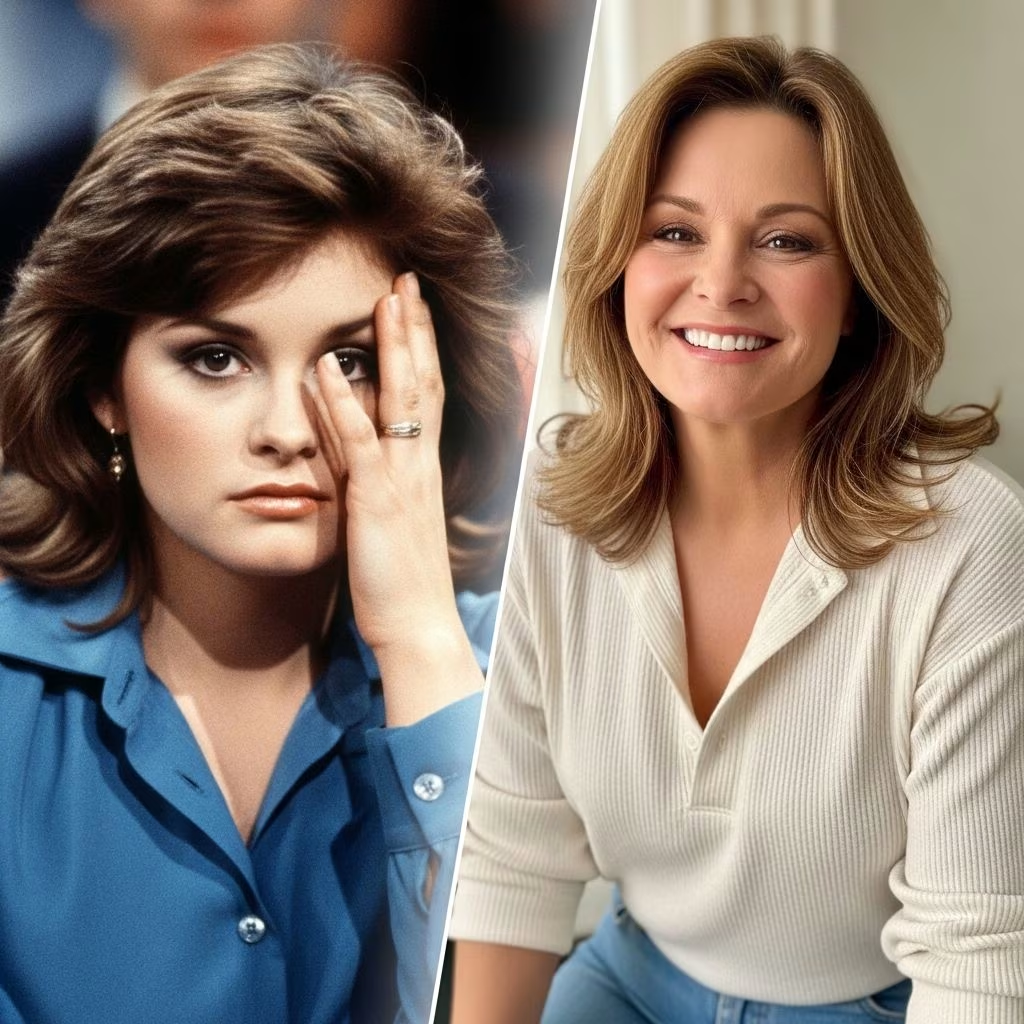
Marie Osmond’s Journey: From Body Dysmorphia to Health and Self-Acceptance
Marie Osmond is a well-known singer, actress, and entertainer who grew up in the public eye, facing tremendous pressure about her appearance from a young age. Her story, marked by Hollywood scrutiny, extreme dieting, and body dysmorphia, provides a powerful look at the effects of fame on self-image and the pursuit of health over thinness.
Growing Up Under Hollywood’s Gaze
Born into a family of performers, Marie Osmond began entertaining on television as a teenager alongside her brother Donny in the popular show Donny & Marie. From the very start, her body was scrutinized and commented on by producers and industry professionals. Even at 103 pounds, she was told she was “fat,” and threatened with the idea that she was endangering the jobs of hundreds of crew members if she didn’t lose weight.
- At just 5’5” and a healthy weight, Marie was called an “embarrassment.”
- A producer once told her that if she didn’t “keep food out of your fat face,” the show could be canceled.
- These remarks created a toxic relationship with her own body that persisted for decades.
The Birth of Body Dysmorphia
Marie’s constant exposure to negative feedback and Hollywood’s impossible beauty standards led to body dysmorphia, a psychological condition where individuals become obsessively preoccupied with perceived flaws in their appearance.
- Producers called her “a fat pig” even at a weight well under the national average for her height.
- Marie began dropping to dangerously low weights, once reaching just 92-93 pounds as a result of severe dieting.
- This cycle started in her teens and influenced her relationship with food and her weight well into adulthood.
Crash Diets, Starvation, and the Metabolic Yo-Yo
Trying to comply with the feedback of network executives, Marie started a cycle of repeated crash diets and periods of starvation. Over the years, this relentless pursuit of “thinness” led to unhealthy habits and long-term consequences.
- Her approach to weight involved fasting for days at a time, followed by periods of overeating, a pattern known as yo-yo dieting.
- This roller coaster relationship with food and weight made it difficult to develop a healthy attitude toward eating.
- The damage to her metabolism and sense of self-worth lasted for decades.
A Profound ‘Aha’ Moment
Marie recounts a moment of realization when she saw her own reflection during a costume fitting. She saw what looked like “a skeleton with skin,” only to realize, with shock, that she was staring at herself.
This experience forced her to see the physical toll that years of self-criticism and restrictive eating had taken on her body. It was simultaneously a moment of fear and a crucial wake-up call—a turning point that eventually led to change.
Making Peace with Her Body and Past Errors
Looking back, Marie reflects on the pain and damage she caused herself during her years of disordered eating. She candidly admits to moments of deep regret, saying she “literally wept” for the way she treated her body.
- Marie advocates for psychological healing, encouraging others to apologize to themselves for past self-abuse.
- She emphasizes the importance of learning to love and accept oneself—an attitude which took her decades to embrace.
Finding a Healthier Path: The Turning Point at 50
It wasn’t until her 50s that Marie found a sustainable approach to health. By this time she had gained 50 pounds—significant for her petite frame. Realizing that dieting had become exhausting and her “body hated [her],” she sought a new way forward.
- Marie turned to Nutrisystem as a “last-ditch effort.”
- The program provided structure and removed the emotional burden of food decisions, allowing her to lose 50 pounds and maintain her weight loss.
- She became a spokesperson for Nutrisystem, sharing her story of transformation.
Shifting the Focus: From Skinny to Healthy
After years of chasing thinness, Marie had a radical realization: health was far more important than appearance. She now champions a message of achieving health and functionality, rather than simply being “skinny.”
- “We don’t need to starve, we do not need to diet, and we don’t need to be skinny—we need to be healthy,” she insists.
- Marie notes that her well-being now allows her to enjoy life more than ever in her 60s.
The Role of Dancing With the Stars
Another important factor in her journey was her appearance on Dancing With the Stars. The physical activity of the show, along with the public exposure in “spandex,” made losing the extra weight a necessity—but more importantly, it helped shift her mindset about what it means to be fit.
- Heavy rehearsal schedules and performances created a new level of body awareness.
- The show became “Dancing With the Starved” for her, underscoring the extreme measures she’d sometimes taken in the past.
How Nutrisystem Changed Her Relationship With Food
Marie credits Nutrisystem with finally giving her peace around eating. Instead of viewing food as an enemy or a source of stress, she learned to approach nutrition with balance and structure.
- No more obsessing over every calorie or weighing and measuring every meal.
- Eating became enjoyable again, removing the deprivation and constant anxiety she’d experienced for decades.
- This freed her to focus on living, working, and enjoying time with her family and grandchildren.
Living Life to the Fullest at 64
Today, Marie describes herself as happier and more active than ever before. She embraces her age and sees her health as the foundation for everything she wants to do.
- Marie says she’s “done more living than ever before, because I’m healthy.”
- Her personal definition of success is being able to keep up with her grandchildren, travel, and perform—without limitations.
Her journey offers hope and inspiration for anyone struggling with body image, weight issues, or the pressures of modern beauty standards.
Key Lessons from Marie Osmond’s Story
- Body image, especially in the spotlight, can be deeply damaging, and the scars can last for decades.
- Crash diets and extreme measures are not sustainable and can have lasting effects on mental and physical health.
- True health is about enjoying life, not fitting a specific size or weight.
- Making peace with one’s body and history is vital for long-term well-being.
- Support, whether from structured programs or professional help, can be transformative.
Marie’s Message to Others: Focus on Health, Not Perfection
Marie encourages others to shift their mindset away from comparison and impossible beauty standards. She hopes her story helps others focus on functionality, health, and happiness, rather than chasing an unattainable “ideal.”
- “The best body image that you can put out there for anybody is, how active do you want to be? Not how you should be. But what do you want?” she emphasizes.
- She urges people to define their goals based on the lives they want to lead—not external validation.
Frequently Asked Questions (FAQs)
Q: What is body dysmorphia, and how did it affect Marie Osmond?
A: Body dysmorphia is a mental health condition in which a person obsessively focuses on perceived physical flaws, often minor or nonexistent to others. For Marie Osmond, this meant feeling fat even at extremely low weights, leading to a lifelong struggle with diets and self-esteem.
Q: What triggered Marie Osmond’s issues with body image?
A: Criticism from producers during her early career on Donny & Marie, including being called “fat” and threatened with job loss, were major triggers for her poor body image and unhealthy relationship with food.
Q: How did Marie Osmond finally achieve lasting weight loss and health?
A: By turning to Nutrisystem for structure, focusing on health over thinness, and working through the psychological effects of her past, Marie found peace with food and maintained a healthy weight.
Q: What advice does Marie give to others struggling with similar issues?
A: She advises shifting the goal from thinness to health and activity, practicing self-compassion, and not wasting years chasing unachievable standards.
Table: Key Milestones in Marie Osmond’s Body Image Journey
| Age | Event | Impact |
|---|---|---|
| Teens | Called “fat” at 103 lbs on Donny & Marie | Developed body dysmorphia, started extreme dieting |
| 20s-40s | Cycle of crash diets and weight fluctuation | Long-term metabolic and psychological impact |
| 50 | Reached 50 pounds overweight | Sought a sustainable solution, began Nutrisystem |
| 50s-60s | Lost 50 lbs, became a Nutrisystem spokesperson | Achieved health, peace with food, and self-acceptance |
| 64 | Active life, body-positive advocate | Inspires others to focus on health, not thinness |
Resources for Further Support
- National Eating Disorders Association (NEDA): Information and support for those struggling with eating disorders and body image.
- Licensed therapists specializing in body image and eating disorders can guide recovery.
- Programs like Nutrisystem or similar structured plans may help those seeking to improve their relationship with food.
If you or someone you know is affected by body dysmorphia or disordered eating, reaching out for help can be the first step to real healing and long-term well-being.
References
- https://www.prevention.com/weight-loss/a60266081/marie-osmond-weight-loss-body-dysmorphia/
- https://tasteofcountry.com/marie-osmond-diet-health-body-dysmorphia/
- https://www.tvinsider.com/1127938/marie-osmond-weight-loss-body-dysmorphia-drew-barrymore-show/
- https://www.businessinsider.com/marie-osmond-told-by-donny-and-marie-producer-fat-2023-1
- https://www.imdb.com/news/ni63924858/


