


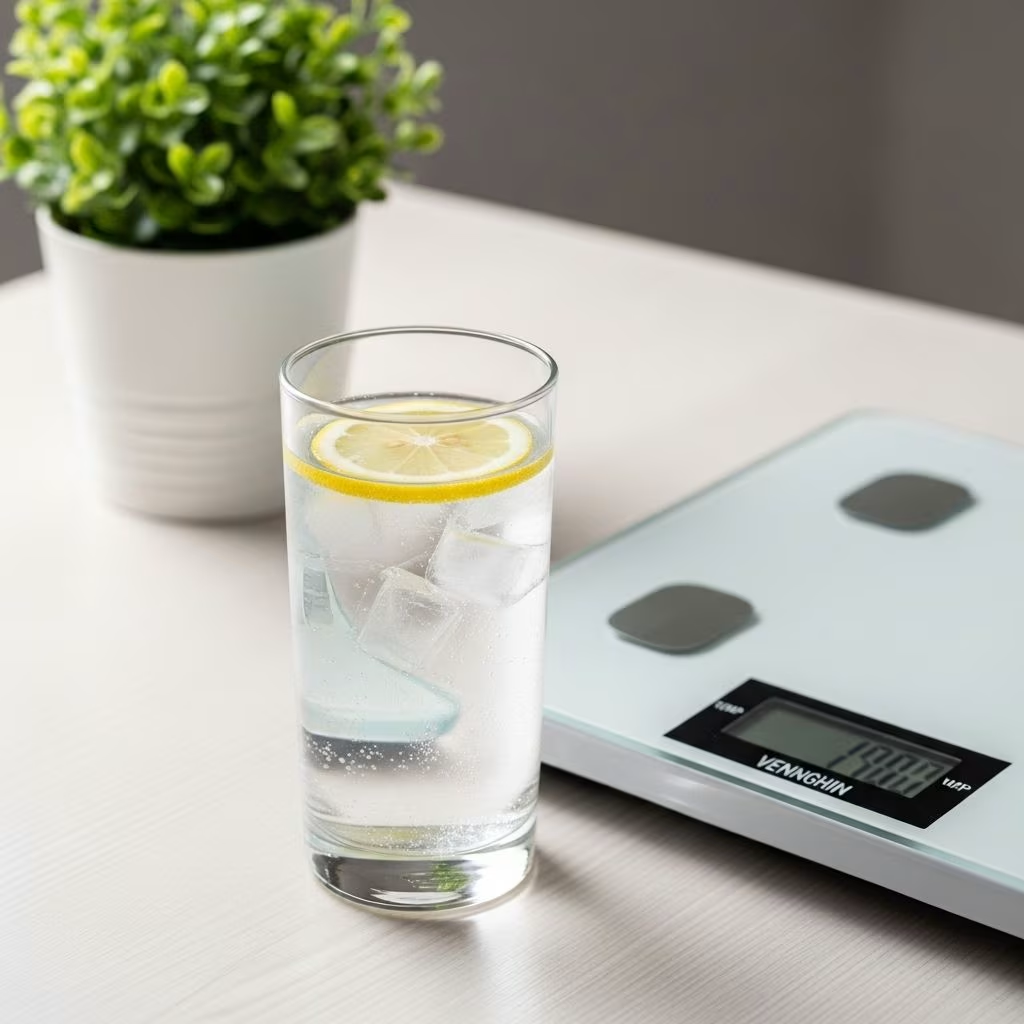
How Drinking Water Can Help You Lose Weight Effectively
Staying hydrated is often hailed as one of the most effective, low-effort strategies for supporting weight loss and overall health, but what does the research really say about how drinking water helps you shed pounds? This comprehensive guide breaks down the science behind water’s role in weight management, addresses common myths, and delivers practical advice for incorporating hydration into your weight-loss journey.
Why Water Is the Ultimate Weight Loss Drink
You’ve likely heard that water should be your go-to beverage for losing weight. Not only is it calorie-free and readily available, but substituting sugary drinks with water can have a demonstrable effect on your waistline. A large-scale research review published in the International Journal of Obesity found that swapping just one cup of soda for water daily was linked to a pound less weight gain over four years. The study analyzed dietary habits of over 120,000 adults across nearly two decades, revealing that people typically gained 3.2 pounds every four years—but drinking more water slowed this trend, with each extra cup of water per day associated with 0.3 pounds less gain over the same period.
- Water: Helps slow weight gain and is linked to lower calorie intake.
- Sugary Beverages & Juice: Associated with higher weight gain.
- Milk: Linked to above-average weight gain.
- Coffee, Tea, Diet Drinks: Generally associated with below-average weight gain, though evidence for diet soda is mixed.
The Calorie Savings: Why Water Beats Soda and Juice
Simply swapping soda, fruit juice, and sweetened beverages for water can help you reduce your daily calorie intake—resulting in meaningful weight loss over time. As noted by nutrition experts, including Dr. Barbara Rolls from Penn State and Dr. Brenda Davy from Virginia Tech, drinking water doesn’t directly burn fat. Its weight loss effect comes largely from replacing high-calorie drinks, thereby reducing your total calorie consumption.
- Drink water instead of sugary drinks.
- No need to force extra water: Drink when thirsty—your body regulates hydration naturally.
How Water Supports Weight Loss: Mechanisms Explained
Water’s benefits for weight loss come down to a few basic, science-backed mechanisms. Here’s how adequate hydration can help:
- Powers Your Workouts: Dehydration diminishes exercise performance. According to research from the American Journal of Clinical Nutrition, losing as little as 2% of body weight in water—before you even notice thirst—can sap your strength and slow fat loss. Experts recommend drinking 16 ounces before your workout and 8 ounces every 30 minutes during exercise for peak performance.
- Boosts Metabolism: Water increases “diet-induced thermogenesis”—the calories burned while your body processes food and drinks. A study in the Journal of Endocrinology & Metabolism found that drinking 16 ounces of water raised metabolic rate by 30% for a short period, theoretically translating to about 200 extra calories burned daily if you add six cups of water to your routine.
- Reduces Calorie Intake by Heeding Hunger Cues: Many sensations associated with hunger—like an empty stomach, low energy, or light-headedness—may actually signal thirst. Drinking a glass or two of water before meals can help you gauge your true hunger and avoid overeating. A University of Oxford study showed that obese adults who drank 16 ounces of water 30 minutes before meals ate fewer calories and lost more weight over 12 weeks than those who did not.
Quick Table: Water vs. Other Popular Beverages and Their Caloric Impact
| Beverage | Typical Calories per 8oz | Weight Loss Impact |
|---|---|---|
| Water | 0 | Reduces calorie intake, slows weight gain, boosts metabolism |
| Soda | 90–110 | Linked to weight gain, increased diabetes risk |
| Fruit Juice | 80–120 | Associated with weight gain, blood sugar spikes |
| Milk (Whole) | 150 | Above-average weight gain |
| Diet Soda | 0 | Mixed evidence—may help lower calorie intake but long-term effects unclear |
| Coffee/Tea (unsweetened) | 0–5 | Generally associated with below-average weight gain |
What About Sparkling Water?
Many wonder: does sparkling water offer the same weight loss benefits as still water? According to a BMJ Nutrition, Prevention & Health study, carbonated water may slightly boost glucose metabolism by making red blood cells more alkaline, but the impact on weight is negligible. Additionally, some research suggests that sparkling water may increase hunger hormones (ghrelin), potentially making you feel hungrier, whereas still water has a neutral effect.
- Still water is the better choice for curbing cravings and maintaining a stable appetite.
- Evidence for sparkling water’s weight loss effects is limited; larger studies are needed.
Practical Hydration Tips for Weight Loss
Although guidelines like “eight glasses a day” are popular, your ideal water intake depends on your size, activity level, climate, and more. Dr. An Pan of the University of Singapore advises focusing on thirst rather than arbitrary quotas—your body’s “water homeostasis system” is very accurate.
- Drink water when you’re thirsty.
- Replace at least one daily sugary drink with water for steady weight control.
- Consider drinking 16 ounces before meals to help curb calorie intake.
- Add natural flavor: Try infusing water with fruits, herbs, or low-calorie recipes for variety—without artificial ingredients.
- Track your hydration: Use water tracking apps like Waterlogged or Water Drink Reminder.
Flavorful Ways to Increase Water Intake Without Added Calories
If you’re not a fan of plain water, try these suggestions for adding taste without adding calories or processed ingredients:
- Add slices of cucumber, lemon, lime, or oranges.
- Try fresh herbs like mint, basil, or rosemary.
- Experiment with berries, such as strawberries, raspberries, or blueberries.
- Make your own infused “flat belly sassy water” blends.
The Limitations and Truths About Water and Weight Loss
It’s important to understand that water isn’t a magic bullet for weight loss. Simply adding water to your diet won’t directly melt away fat. The most definitive benefit arises when water replaces high-calorie beverages or snacks in your daily routine. “Just adding water to a normal diet doesn’t seem to promote weight loss. But if you have water instead of sugary drinks or snacks, then the calories you’ve saved will help shed pounds,” confirms Dr. Barbara Rolls.
Common Myths Busted
- Myth: Drinking more water alone will make you lose weight.
- Fact: Water’s benefits depend on whether it replaces higher-calorie drinks or helps you manage hunger, not just how much you consume.
- Myth: Diet sodas are inherently bad for weight management.
- Fact: Studies are mixed; people who choose diet drinks may also adopt other healthy habits.
Frequently Asked Questions (FAQs)
Q: Do I need to drink eight glasses of water each day for weight loss?
A: There’s no universal quota. Drink to satisfy your thirst and consider replacing calorie-rich beverages with water for effective weight management.
Q: Will drinking water make me feel less hungry?
A: Water can help curb appetite, especially when consumed before meals; it can also help you differentiate true hunger from thirst.
Q: Does sparkling water help with weight loss as much as still water?
A: Evidence points to little if any direct benefit from the carbonation—still water is preferable, as sparkling water may slightly increase hunger hormones in some people.
Q: Can I drink too much water?
A: It is possible, but rare—most healthy adults have a natural internal mechanism for regulating hydration. If you listen to thirst cues, overhydration is uncommon.
Q: Do diet sodas help you lose weight?
A: Data are mixed. While they often reduce calorie intake compared to sugary sodas, potential effects on body weight may be influenced by overall eating habits.
Expert Tips to Make Water Your Weight Loss Ally
- Start with small changes: Swap one beverage for water daily and gradually increase.
- Use reminders: Set phone alarms or download water-tracking apps to stay hydrated.
- Pre-meal hydration: Drink 16 ounces of water 30 minutes before meals to naturally reduce food intake.
- Get creative: Try different fruits and herbs to energize your routine.
- Monitor results: Weigh yourself before and after workouts to adjust hydration as needed)
Summary: The Bottom Line on Water and Weight Loss
Drinking water offers several science-supported advantages for weight management: it helps you reduce calorie intake when taken in place of high-calorie drinks or snacks, supports efficient fat-burning in workouts, boosts your metabolic rate, and can help you distinguish between hunger and thirst to avoid excess eating. No need to obsess over exact ounces—let thirst lead your intake, and focus on healthy beverage swaps to amplify your results. With manageable, flavorful changes, water can become your greatest ally in a sustained, healthy weight loss journey.
References
- https://www.prevention.com/weight-loss/a20461957/how-drinking-water-can-help-you-lose-weight/
- https://www.prevention.com/weight-loss/g20515243/drinking-water-helps-weight-loss/
- https://www.prevention.com/weight-loss/a20430763/drinking-water-to-lose-weight/
- https://www.prevention.com/weight-loss/a63511315/sparkling-water-weight-loss/
- https://www.prevention.com/weight-loss/diets/a20465878/flat-belly-diet-and-sassy-water/
- https://www.prevention.com/weight-loss/a63656450/drinking-elderberry-juice-weight-loss-study/
- https://www.prevention.com/food-nutrition/a65631260/lemon-water-every-day/
- https://www.prevention.com/weight-loss/g24805401/fat-burning-foods/
- https://www.prevention.com/weight-loss/diets/a20718413/apple-cider-vinegar-for-weight-loss/


