


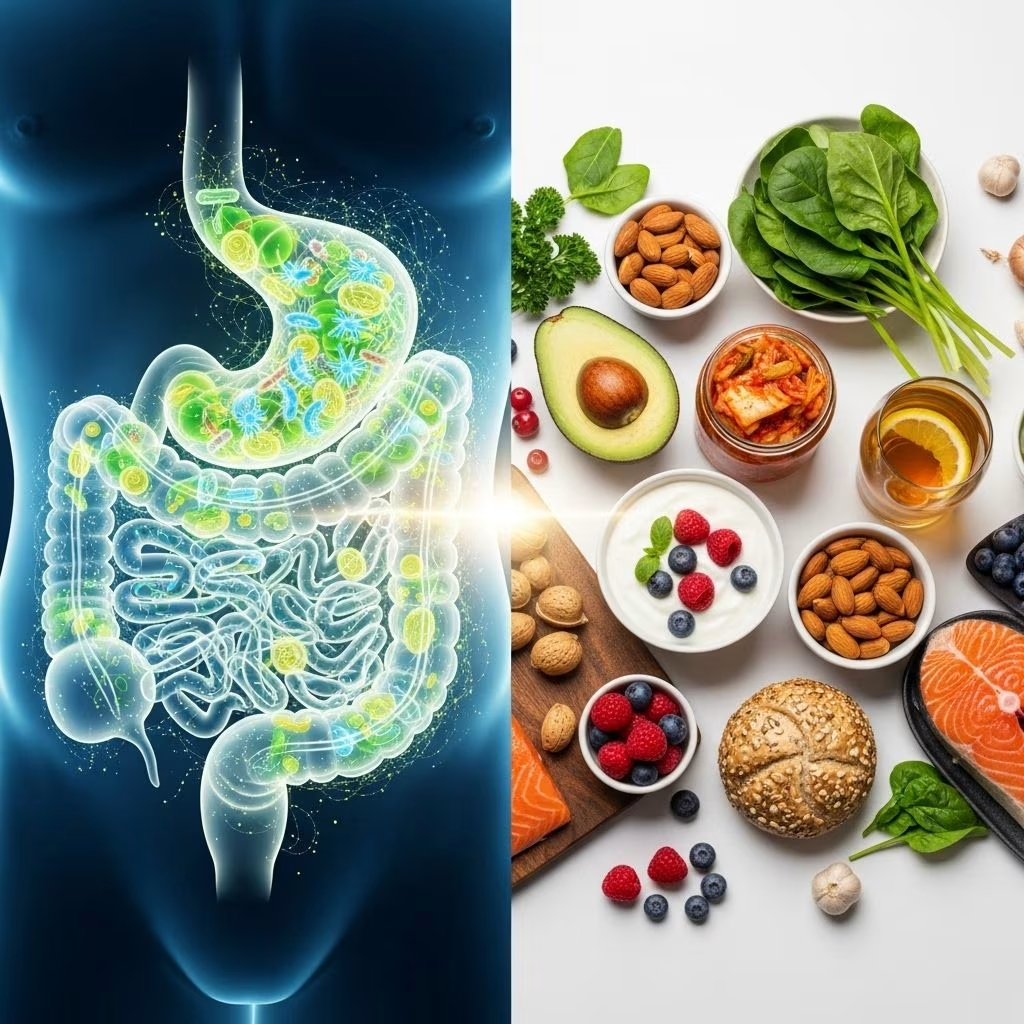
Gut-Friendly Foods for Weight Loss: The Science and Staples
Your gut microbiome plays a critical role in weight management, digestion, metabolism, and general health. Disturbances in the balance of beneficial and harmful bacteria—often caused by processed foods and poor dietary choices—can lead to inflammation, fat accumulation, and even mental health issues. By prioritizing foods that nurture your gut lining and feed your beneficial microbes, you can unlock more effective weight loss while also supporting all-around wellness.
Why a Healthy Gut Supports Weight Loss
Research connects microbiome health to improved digestion, better nutrient absorption, reduced inflammation, and efficient metabolism. A gut-friendly diet helps reverse dysbiosis, a microbial imbalance common in obesity and linked to disorders like irritable bowel syndrome and metabolic issues.
Key mechanisms include:
- Enhanced satiety: Fiber-rich foods and probiotics increase feelings of fullness and help regulate appetite hormones.
- Stabilized blood sugar: Prebiotic fibers slow sugar absorption and support weight loss.
- Reduced inflammation: A balanced microbiome lowers inflammatory markers associated with obesity.
- Efficient calorie utilization: Gut bacteria influence how food energy is metabolized and stored.
What Is the Gut Microbiome?
Your gut houses trillions of bacteria, fungi, and other microorganisms. The diversity and balance of these microbes (the microbiome) affect everything from digestion to immune defense. ‘Good’ bacteria thrive on fiber and plant-based nutrients, while a diet high in sugar and processed fats shifts the balance towards ‘bad’ bacteria.
Main Types of Beneficial Bacteria
- Bacteroidetes: Associated with lean body types, metabolism, and anti-inflammatory effects.
- Lactobacillus & Bifidobacterium: Common probiotic strains that enhance digestion and immunity.
- Akkermansia: Emerging research links it to improved gut barrier function and reduced fat storage.
Top Gut-Friendly Foods for Weight Loss
Incorporate these scientifically recognized gut-supportive foods to rebalance your microbiome and support weight management:
Fermented Foods: Probiotics Powerhouses
- Yogurt
Contains live cultures (probiotics) that replenish good bacteria, enhance digestion, and help combat weight gain. Opt for plain and unsweetened varieties; check labels for ‘live active cultures.’ - Kefir
A tangy, drinkable fermented milk (or non-dairy alternative) packed with diverse probiotic strains for digestive health and anti-inflammatory effects. - Sauerkraut & Kimchi
Fermented cabbage and vegetables loaded with probiotics and fiber; they support microbiome diversity and help ‘crowd out’ harmful bacteria.
Fiber-Rich Foods: Prebiotics and Satiety
- Whole Grains
Oats, quinoa, brown rice, barley, and whole wheat feed beneficial bacteria, improve digestion, and promote fullness, aiding in calorie control. - Legumes
Lentils, beans, chickpeas, and peas are packed with both protein and prebiotic fibers that benefit gut flora and help stabilize blood sugar. - Flaxseeds & Chia Seeds
High in omega-3s and soluble fiber, they foster gut health, reduce constipation, and support weight management.
Prebiotic Foods: Feed Your Good Bacteria
- Bananas
Rich in resistant starch and fructooligosaccharides—prebiotic compounds that fuel beneficial microbes. - Garlic & Onions
Contain inulin and other prebiotics that nourish good bacteria and suppress harmful strains. - Asparagus & Artichokes
Excellent sources of inulin, a powerful prebiotic fiber that boosts microbiome health.
Antioxidant-Rich Fruits and Vegetables
- Apples
High in pectin, a soluble fiber shown to increase good bacteria and improve metabolic health. - Berries
Packed with anthocyanins and polyphenols, berries help reduce inflammation and feed beneficial bacteria. - Leafy Greens
Spinach, kale, and other greens provide prebiotic fibers, antioxidants, and minerals that heal the gut lining.
Healthy Fats: Reduce Inflammation & Support Digestion
- Olive Oil
Rich in polyphenols and monounsaturated fats, olive oil encourages a healthier gut microbiota and supports sustainable weight loss. - Avocado
Offers both fiber and anti-inflammatory monounsaturated fats that support digestive function and long-lasting satiety. - Fatty Fish
Salmon, sardines, and mackerel deliver omega-3 fatty acids that reduce gut inflammation and strengthen the intestinal barrier.
Other Gut Boosters
- Bone Broth
Contains collagen and amino acids that help heal the gut lining and improve absorption of nutrients. - Green Tea
Loaded with polyphenols, green tea boosts the growth of beneficial bacteria while supporting metabolic health. - Ginger & Turmeric
Both spices possess anti-inflammatory effects and help stimulate digestive enzymes. Turmeric’s curcumin may directly modulate microbiome composition.
How Fiber Fuels Weight Loss Through Gut Health
Fiber is a cornerstone of any gut-friendly diet, acting as both a prebiotic and a regulator of fullness. Eating more fiber from whole foods can:
- Fill you up for longer, curbing cravings.
- Feed beneficial bacteria in the colon.
- Improve stool quality and reduce constipation.
- Help your body process fats and carbohydrates more efficiently.
- Lower belly fat by slowing sugar absorption and stabilizing insulin responses.
Natural fiber from vegetables, fruits, legumes, and whole grains is preferable to supplements since it comes with a broader array of vitamins, minerals, and phytonutrients.
Diet Strategies for a Healthier Gut and Sustainable Weight Loss
Here’s how to structure your eating patterns for maximum gut health and weight management:
- Eat a diverse rainbow: Aim for a broad variety of plants—different families of vegetables, fruits, and legumes foster microbiome diversity.
- Minimize processed foods: Reduce intake of refined sugars, white flour, and artificial additives as these disrupt gut balance.
- Prioritize whole, plant-based foods: Switch to more nuts, seeds, dark leafy greens, and cruciferous vegetables for high-fiber nutrition.
- Include healthy fats: Use sources such as olive oil, avocado, fatty fish, and nuts for anti-inflammatory benefits.
- Practice calorie moderation: Mild calorie reduction has been shown to increase beneficial bacteria species and help prevent weight regain.
Sample One-Day Gut-Friendly Meal Plan for Weight Loss
| Meal | Foods | Gut Health Benefits |
|---|---|---|
| Breakfast | Kefir smoothie with banana, flaxseeds, and berries | Probiotics, prebiotics, fiber, antioxidants |
| Lunch | Quinoa salad with leafy greens, avocado, chickpeas, olive oil, and fermented sauerkraut | Fiber, healthy fats, plant protein, probiotics |
| Snack | Plain Greek yogurt with apple slices and a sprinkle of cinnamon | Probiotics, fiber, polyphenols |
| Dinner | Grilled salmon, steamed asparagus, sweet potato, and a side of kimchi | Omega-3s, fiber, antioxidants, probiotic support |
| Beverage | Green tea with turmeric | Polyphenols, anti-inflammatory effects |
Frequently Asked Questions (FAQs)
Q: How fast can gut-friendly foods help with weight loss?
Results begin within weeks but sustained benefits depend on consistent, daily intake of gut-supportive foods coupled with an overall healthy diet.
Q: Is it necessary to take probiotic supplements?
Probiotic-rich foods like yogurt, kefir, kimchi, and sauerkraut often provide a more effective and diverse bacterial spectrum than supplements. Supplements may help if you cannot consume these foods, but food sources should be your foundation.
Q: Can improving my gut help with belly fat?
Yes, research indicates that targeting the gut microbiome—mainly through increased fiber intake and reducing processed foods—can decrease abdominal fat and improve metabolic health.
Q: Are gut-friendly diets safe for everyone?
Most people benefit from these foods, but if you have food intolerances or specific digestive disorders (like IBS or IBD), consult your doctor regarding dietary modifications.
Q: What foods should I avoid for better gut health and weight loss?
Avoid processed meats, refined grains, sugary beverages, artificial sweeteners, and foods high in saturated fats, as these can disrupt gut microbial balance and hinder healthy weight management.
Actionable Tips for a Healthier Microbiome & Weight Loss Success
- Start with gradual changes: Add one new gut-friendly food every week to allow your microbiome time to adapt.
- Combine probiotics and prebiotics for maximum effect (e.g., plain yogurt with oats or fruit).
- Stay hydrated with water and antioxidant-rich beverages like green tea or ginger tea.
- Move daily: Exercise supports a diverse and robust gut microbiota.
- Manage stress: Chronic stress can negatively influence your gut, so incorporate relaxation practices into your routine.
Summary: Gut-Healthy Eating for Lifelong Weight Loss
The path to sustainable weight loss goes straight through your gut. By emphasizing fermented foods, fiber, prebiotics, healthy fats, and plant-based nutrition, you foster a robust microbiome that supports efficient metabolism, reduces cravings, and helps maintain a healthy weight. Ditch the over-processed temptations and make gut-friendly foods your daily allies for whole-body wellness.
References
- https://organicpharmer.com/blogs/organic-pharmer-blog/30-best-foods-for-gut-health-and-weight-loss
- https://www.rogelcancercenter.org/news/archive/literature-suggests-dietary-changes-contribute-healthy-gut-microbiota-and-weight-loss
- https://www.holistichealthcode.com/articles/functional-medicine-diet-guide
- https://thedearingclinic.com/post/gut-health-and-weight-loss
- https://www.healthline.com/nutrition/microbiome-diet
- https://zoe.com/learn/gut-health-and-weight-loss
- https://newsnetwork.mayoclinic.org/discussion/mayo-clinic-q-and-a-probiotics-gut-bacteria-and-weight-whats-the-connection/
- https://www.healthline.com/nutrition/most-weight-loss-friendly-foods
- https://pmc.ncbi.nlm.nih.gov/articles/PMC10773664/


