


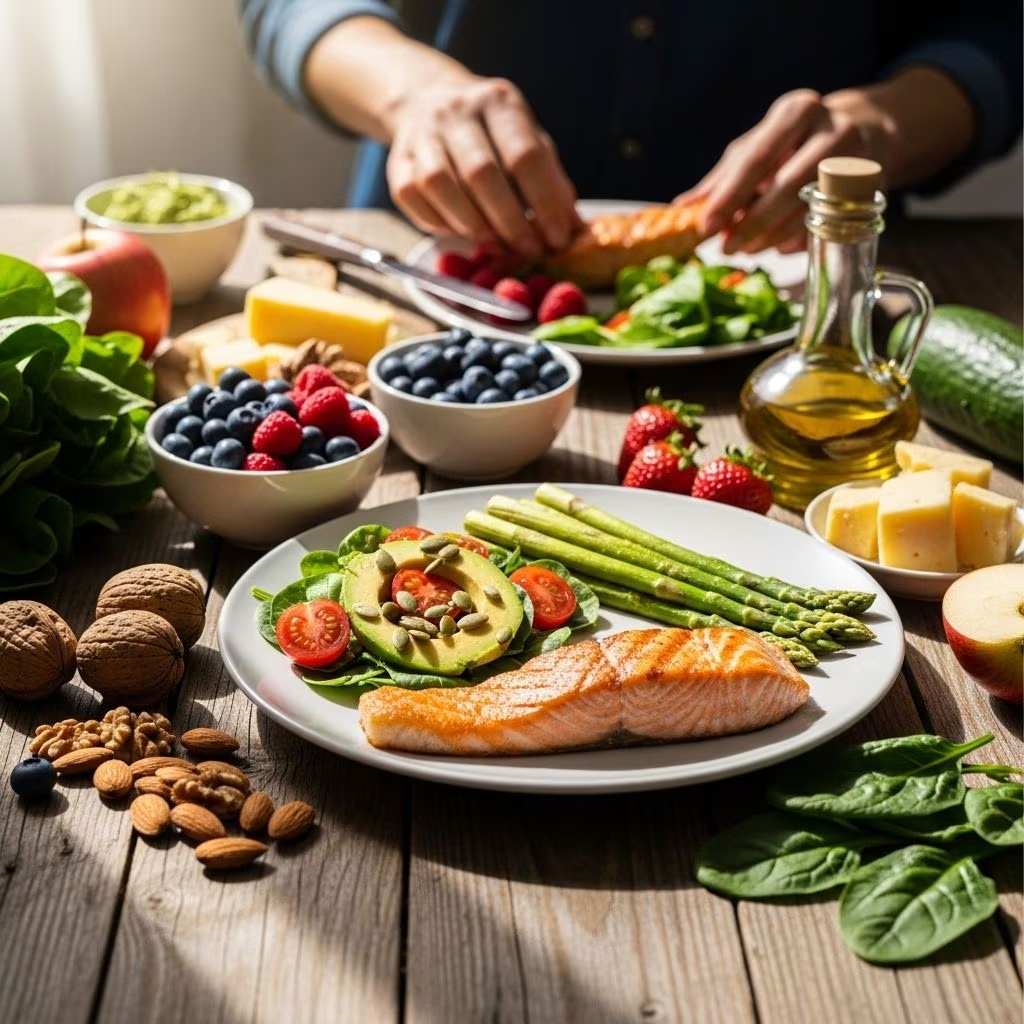
Low-Carb Diets: The Surprising Appetite Suppressants?
For years, low-carb diets have been praised for their rapid weight loss effects, but what might be most surprising is their powerful influence on hunger. Many people following these eating plans report feeling less hungry, even as they cut calories and shed pounds. But is this just anecdotal, or does science back up the claim that low-carb diets act as natural appetite suppressants? This article breaks down the research, mechanisms, benefits, and what you need to know before trying this strategy for yourself.
Understanding Low-Carb Diets
Low-carb diets limit carbohydrates—such as those found in grains, starchy vegetables, and sugars—in favor of higher intakes of protein and fat. Popular examples include the ketogenic diet, Atkins, and paleo-inspired eating plans. Although the specifics vary, most definitions of low-carb fall under these basic principles:
- Carbohydrate intake typically restricted to less than 100 grams per day, sometimes as low as 20-40 grams for ketogenic diets.
- Greater emphasis on protein (chicken, fish, eggs, tofu) and fats (nuts, oils, avocados, butter).
- Highly limited: bread, pasta, rice, potatoes, and sugar-containing foods and beverages.
But what makes these diets compelling for appetite control and weight loss?
What Science Says About Appetite and Low-Carb Diets
Much of the allure behind low-carb plans stems from the observation that people feel less hungry even while eating fewer calories. Scientists have delved into why this happens and whether it’s simply the effect of eating differently, or if specific hormones and biological mechanisms are at play.
Hormones Related to Hunger and Satiety
Appetite is governed by a complex network of hormones, including:
- Ghrelin – Often called the “hunger hormone,” it increases appetite when your stomach is empty.
- Leptin – This hormone suppresses appetite when the body’s energy needs are met; levels drop during weight loss, increasing hunger.
- Cholecystokinin (CCK) – Released after eating, especially fat and protein, CCK helps you feel full.
- Peptide YY (PYY) – Produced in the gut, it acts to reduce appetite after meals.
Evidence suggests that a low-carb diet may interact with some of these hormones in ways that help maintain satiety even as calories are lowered.
Key Study Findings
Major research has highlighted several important findings:
- Peptide YY levels are better preserved on low-carb versus low-fat diets, which may mean subjects feel fuller.
- Some clinical trials observe no major difference in self-reported appetite between low-carb and low-fat diets, but participants often lose more weight with low-carb plans.
- Early weight loss is often due to loss of water weight as glycogen stores are depleted.
- The sense of fullness might also stem from higher fat and protein intake, both of which are naturally satiating.
- There are mixed findings on the reduction of hunger hormones such as ghrelin and leptin during carbohydrate restriction.
Why Low-Carb Eating May Suppress Appetite
There are several explanations for the appetite-suppressing ability of low-carb diets. Here are the most prominent:
- Ketosis: When carbs are extremely limited, the liver produces ketone bodies for fuel, which may suppress appetite by acting directly on the brain.
- Higher protein: Protein is known to be highly effective at promoting satiety, thanks to its influence on appetite-regulating hormones and slower digestion.
- Stable blood sugar: Avoiding carbs can prevent dramatic blood sugar spikes and crashes, reducing sensations of hunger and cravings.
- Fat and fiber: Both take longer to digest and slow gastric emptying, which prolongs feelings of fullness.
Appetite, Calorie Intake, and Weight Loss: The Connection
One of the greatest challenges to sustained weight loss is relentless hunger. Crucially, low-carb diets seem to spontaneously reduce calorie consumption because people simply aren’t as hungry. In multiple studies, participants adhering to low-carb plans consumed fewer calories without actively counting or restricting them.
This “natural calorie reduction” could be why low-carb diets are associated with:
- Significant early weight loss, often more rapid than low-fat diets.
- Increased long-term adherence for some, since hunger is a major reason for abandoning weight-loss efforts.
What Are the Other Health Benefits of Low-Carb Diets?
While appetite suppression contributes to their popularity, low-carb diets may also offer a range of additional benefits:
- Improved blood sugar and insulin regulation, especially helpful for those with type 2 diabetes or prediabetes.
- Better heart health markers, including lower triglycerides and higher HDL (good) cholesterol.
- Reduced blood pressure, lowering risks of heart disease and stroke.
- Greater metabolic health through increased insulin sensitivity and reduced inflammation.
- Enhanced mental clarity and focus, as reported by some followers.
- Potential reduction in digestive discomfort for certain people.
However, it’s important to recognize that individual results vary and more long-term data are still needed.
Skepticism and Limitations in the Research
Despite promising findings, expert opinions on low-carb diets and appetite suppression remain divided:
- Some studies reveal no difference in appetite hormones or fullness between low-carb and low-fat diets over the long term.
- The sensation of reduced hunger may wane as the body adapts to the new eating pattern.
- There’s evidence that in the long run, total calorie intake, not macronutrient distribution, is the greater driver of weight loss.
- Some participants in metabolic studies actually ate less on a calorie-restricted low-fat, plant-based diet compared to a low-carb diet, suggesting factors beyond macronutrient ratios are at play.
Additionally, most low-carb studies have relatively short follow-up periods and often rely on self-reported intake—an approach that may introduce bias and limit accuracy.
Are Low-Carb Diets Right for Everyone?
While many people succeed with low-carb approaches, they aren’t universally suitable. Considerations include:
- Medical conditions: Some people—such as those with certain kidney, liver, or pancreatic disorders—should avoid high-protein or ketogenic diets without medical guidance.
- Restricted foods: Fruit, whole grains, and legumes are valuable sources of vitamins, minerals, and fiber, and their exclusion may leave nutritional gaps if not carefully planned.
- Social and lifestyle factors: Eating out, celebrating, or managing family meals can become challenging on very low-carb plans.
- Long-term safety: Most studies investigate effects over several months to a year. Research on multi-year outcomes, particularly for cardiovascular health, is still developing.
Tips for Maximizing Appetite Control on a Low-Carb Diet
If you’re interested in leveraging the appetite-suppressing effects of low-carb eating, keep these evidence-based tips in mind:
- Prioritize protein at every meal—it’s the most filling macronutrient and preserves lean muscle during weight loss.
- Choose healthy fats, such as olive oil, avocados, nuts, and fatty fish—these promote satiety and heart health.
- Include non-starchy vegetables for fiber and micronutrients, helping to curb hunger without adding starch or sugar.
- Stay hydrated, as thirst is sometimes mistaken for hunger.
- Monitor your own hunger cues rather than strictly following the clock or calorie targets.
- Be cautious of “low-carb” packaged foods, which may contain hidden sugars or lack nutritional value.
Frequently Asked Questions (FAQs)
Q: How quickly will I notice reduced appetite on a low-carb diet?
A: Many people notice changes within the first week, particularly if they switch to a ketogenic approach, though individual responses vary in timing and intensity.
Q: Is the reduced appetite effect permanent?
A: For some, lower appetite persists, while for others it may fade as the body adjusts. Factors such as stress, sleep, and eating patterns also play roles over time.
Q: Are high-fat foods required to suppress hunger?
A: While healthy fats do help with satiety, protein appears even more critical for appetite control. Consuming both in balanced amounts is most effective.
Q: Can I follow a low-carb diet if I’m vegetarian or vegan?
A: Yes, but it requires careful planning to ensure you get enough protein and nutrients. Focus on tofu, tempeh, nuts, seeds, and low-carb vegetables.
Q: Do I need to count calories on a low-carb diet?
A: Not always. Many people naturally reduce calorie intake due to feeling fuller, but tracking can help if weight loss stalls or for those who want more structure.
Comparison Table: Low-Carb vs. Low-Fat Diets on Appetite
| Aspect | Low-Carb Diet | Low-Fat Diet |
|---|---|---|
| Satiety Hormones | Preserves PYY (fullness); Variable ghrelin changes | Lower PYY after 12 months |
| Calories Consumed | Spontaneous reduction, often without counting | Reduction mainly through deliberate restriction |
| Weight Loss Speed | Typically rapid early loss | Slower, but maintains lean mass |
| Diet Composition | Higher protein, fat | Higher carb, lower fat |
| Adherence | May be better due to less hunger | Mixed; hunger may hinder adherence |
Summary
Low-carb diets appear to support weight loss not just by limiting carbs, but by decreasing appetite and helping people eat fewer calories without constant hunger. Their effects on fullness hormones, blood sugar, and empowerment over cravings make them a practical route for many, though not all, individuals. If considering a low-carb approach, consult a healthcare provider to ensure it’s nutritionally balanced and safe for your specific needs.
References
- https://pmc.ncbi.nlm.nih.gov/articles/PMC4873405/
- https://rosiessidekick.com/10-benefits-of-a-low-carb-diet/
- https://pmc.ncbi.nlm.nih.gov/articles/PMC9621749/
- https://www.mayoclinic.org/healthy-lifestyle/weight-loss/in-depth/low-carb-diet/art-20045831
- https://www.nm.org/healthbeat/healthy-tips/nutrition/pros-and-cons-of-ketogenic-diet
- https://www.health.harvard.edu/nutrition/low-carb-foods-nutritious-choices-for-creating-a-sustainable-diet-thats-lower-in-carbohydrates
- https://www.webmd.com/diet/ss/slideshow-what-happens-when-you-stop-eating-carbs
- https://foodandmoodcentre.com.au/2020/06/biting-off-more-than-you-can-chew-do-we-eat-more-when-consuming-low-carbohydrate-or-low-fat-diets/


