


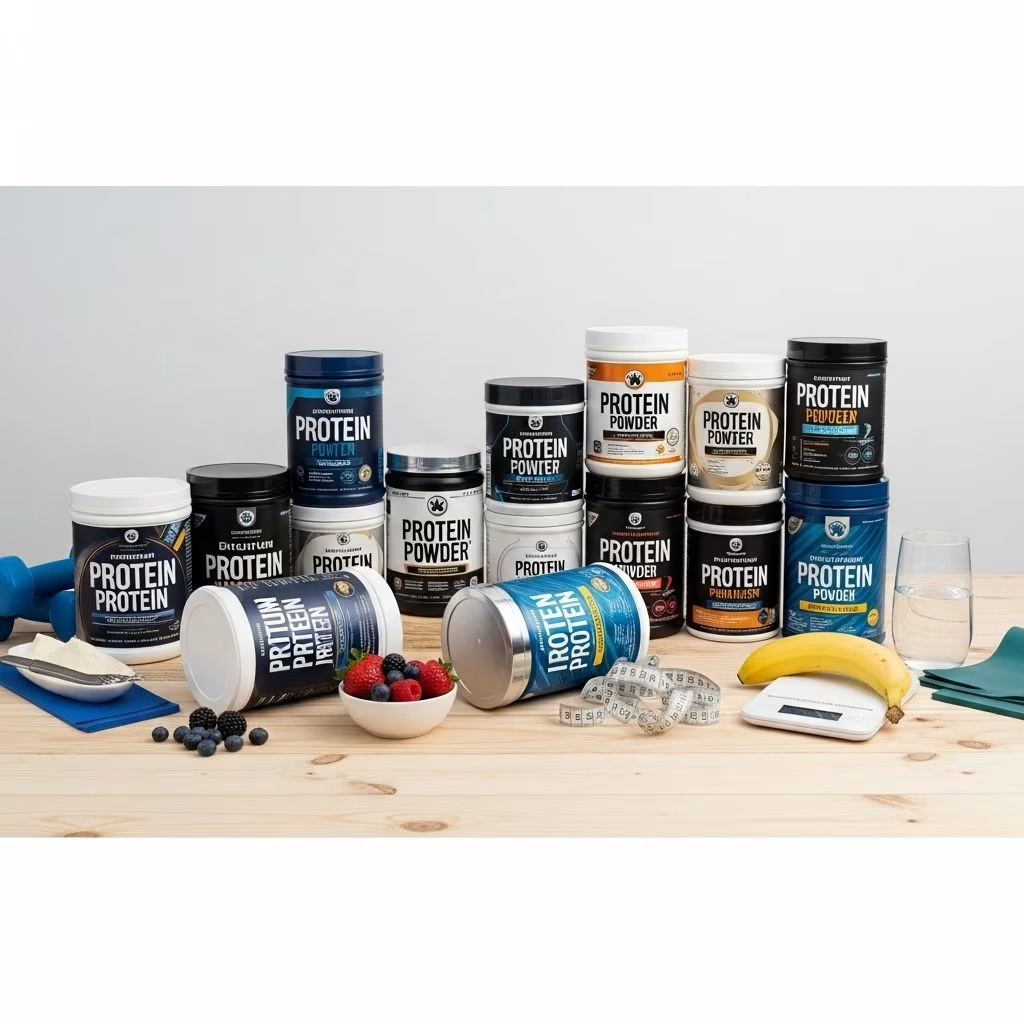
12 Best Protein Powders for Weight Loss in 2024, According to Dietitians
Protein powders are a popular supplement among individuals looking to lose weight, build muscle, or simply round out their nutrition. But with hundreds of products lining the shelves and promising everything from fat burning to appetite control, finding the right protein powder for your weight loss goals can be challenging. With guidance from registered dietitians, this comprehensive guide reveals the top 12 protein powders for weight loss, along with essential tips for choosing and using them smartly.
Why Consider Protein Powder for Weight Loss?
While protein powders are not magic weight loss solutions, they can play a supportive role in a healthy, calorie-conscious diet. When incorporated thoughtfully, protein powder supplements can help by:
- Boosting satiety: Protein helps you stay fuller longer, reducing cravings and unnecessary snacking.
- Supporting muscle growth: Adequate protein intake aids muscle recovery and growth, especially post-exercise.
- Increasing thermogenesis: The body burns more calories metabolizing protein than carbohydrates or fats.
However, overconsumption of protein or high-calorie protein powders may hinder weight loss. Ideally, protein powder should be viewed as a nutrition tool, not a quick fix.
How to Choose the Best Protein Powder for Weight Loss
According to expert dietitians, not all protein powders support weight loss equally well. Here’s what to look for:
- Protein content: Aim for 20–30 grams of protein per 120-calorie scoop. This amount helps with satiety and supports muscle growth.
Your body can only absorb up to 30 grams at a time. - Ingredients list: Shorter is better. Look for powders with pure protein sources, minimal added sugars, and no artificial sweeteners.
- Complete protein: The powder should provide all nine essential amino acids. Blends of high-quality proteins—especially in plant-based powders—help ensure a complete profile.
- Avoid unnecessary additives: Steer clear of added BCAAs, creatine, glycine, taurine, or other extras unless you need them for a specific fitness goal. These can inflate protein claims artificially.
- No or minimal sweeteners: Many dietitians recommend avoiding stevia and other strong sweeteners, which may increase sweet cravings.
Quick Selection Checklist
- Check calories per serving
- Verify protein content and source
- Read for sugar and additive content
- Prefer blends for plant-based powders
Top 12 Protein Powders for Weight Loss
Based on nutrition standards, dietitian recommendations, ingredient quality, and consumer reviews, here are leading protein powders for weight management:
- NAKED Nutrition 100% Grass Fed Whey Protein Powder
High protein content, clean ingredients, no artificial sweeteners. - Optimum Nutrition Gold Standard 100% Whey
Widely trusted, blends quick-absorbing whey with high biological value. - Orgain Organic Protein
Plant-based, dairy-free, with a blend of pea, brown rice, and chia proteins. - Garden of Life Organic Protein
Certified organic, vegan, blends multiple plant proteins and comes with probiotics. - Vital Proteins Collagen Peptides
Collagen-based, supports joint health alongside protein needs. Good for adding to shakes and smoothies. - Dymatize Nutrition ISO100
Hydrolyzed whey isolate, fast absorption, low in carbs and fat. - NOW Sports Pea Protein Isolate
Straightforward pea protein, suitable for plant-based dieters, single source. - Vega One All-in-One Protein Powder
Mixes protein with greens, probiotics, and vitamins for enhanced nutrition. - Premier Protein Powder
Low sugar, high protein, great flavors, straightforward nutrition. - Isopure Zero Carb Protein Powder
No carbs, lactose-free, high protein per serving. - Sunwarrior Classic Protein
Raw plant protein, clean and hypoallergenic. - Orgain Keto Plant Protein Powder
Keto-friendly option with balanced macros for low-carb dieters.
Do Protein Powders Really Help With Weight Loss?
Clinical research shows that higher protein intake can facilitate weight loss, particularly by helping preserve lean body mass while reducing fat mass. Notably:
- Protein increases satiety and the thermic effect of food (TEF), helping you burn more calories metabolizing it than you would from carbs or fats.
- In several long-term studies, higher protein diets led to greater weight loss and less weight regain compared to lower-protein diets.
- Protein impacts gut hormones, boosting those that signal fullness and suppress those that drive appetite.
Expert dietitians emphasize that protein powders are not direct fat burners. Their benefit comes from improving diet quality: supporting muscle gain and satiety so you’re less likely to overeat. Too much protein, however, especially when it pushes total calorie intake above your body’s needs, can impede weight loss just like excess carbs or fats.
How Much Protein Do You Need Per Day for Weight Loss?
Protein requirements vary by age, activity level, and health status. For a typical healthy adult aiming to lose weight, dietitians suggest:
- 1.4–1.6 grams of protein per kilogram of bodyweight daily (generally 25–30 grams per meal).
- Distribute protein evenly across meals—your body only absorbs up to 30 grams at once.
- Consult a registered dietitian for personalized guidance if you have unique health needs or goals.
What Type of Protein Powder Is Best for Weight Loss?
| Protein Type | Description | Best For |
|---|---|---|
| Whey | Fast-absorbed, high biological value; contains all essential amino acids | Most people; quick recovery post-exercise |
| Casein | Slow-digesting; sustained amino acid release | Overnight muscle recovery |
| Plant Blends | Mix of pea, brown rice, hemp, or chia proteins; covers full amino acid profile | Vegans, those with dairy intolerance |
| Collagen | Mainly supports joint health; limited muscle-building amino acids | Supplementing skin and joints; not primary choice for lean mass |
Whey is considered the ‘gold standard’ for overall muscle support and absorption rate, but plant-based blends are excellent for those on vegan or dairy-free diets. Always ensure plant blends offer a complete amino acid profile for optimal benefits.
Can Protein Powder Be Used as a Meal Replacement?
Most dietitians advise using protein powder as a supplement, not a sole meal replacement. Reason:
- Protein powders alone lack enough vitamins, minerals, fiber, and healthy fats to constitute a balanced meal.
- Eating solid foods provides better satiety; chewing activates digestive processes and signals fullness to the brain.
- If using protein powder as part of a meal (like in oatmeal or pancakes), combine with healthy whole foods for complete nutrition.
Protein shakes can be a quick breakfast or post-workout option, but it’s best to avoid relying solely on them for meals. For sustainable weight loss, focus on nutrient-rich, balanced meals.
Expert Tips for Using Protein Powders Effectively
- Read labels for calories and added ingredients. Choose products with straightforward, whole-source proteins.
- Experiment with powder blends for digestibility. Blended proteins can offer more sustained nutrition.
- Add powders into real food—oatmeal, smoothies, pancakes—to improve both taste and nutritional profile.
- Don’t double up supplements. Excess powder use can push calorie intake too high, counteracting goals.
- Consult dietitians for personalized plans. Your target needs may differ significantly based on age, health status, and activity.
Frequently Asked Questions (FAQs)
Q: Do protein powders directly burn fat?
No, protein powders themselves don’t burn fat but support weight loss by helping you feel full and maintain muscle mass. Higher protein diets also increase your calorie burn slightly through digestion.
Q: How much is too much protein?
Intakes above 2 grams per kg body weight are rarely needed for most people and may add excess calories. See a dietitian if unsure.
Q: Can you use protein powder for every meal?
It’s not recommended. Whole foods are preferable for balanced nutrition. Protein powder is best used to supplement your diet, especially when whole food sources are inconvenient or lacking in your meal.
Q: Which plant protein powders are best?
Blends combining pea, rice, chia, hemp, or other sources ensure a complete amino acid profile, which single-source plants may lack.
Q: What are the most important things to look for in a protein powder?
High-quality protein source, complete amino acid profile, minimal added sugars or artificial sweeteners, and low unnecessary additives.
Final Thoughts
Choosing the right protein powder requires balancing ingredient quality, nutrition profile, taste, and dietary needs. The powders and advice listed above provide an evidence-based foundation to support a weight loss journey—when combined with regular exercise and healthy whole foods. Always personalize your nutrition plan with consulting from qualified professionals.
References
- https://www.prevention.com/weight-loss/g27375782/best-protein-powder-for-weight-loss/
- https://www.prevention.com/weight-loss/a44942486/protein-shakes-weight-loss/
- https://pmc.ncbi.nlm.nih.gov/articles/PMC7539343/
- https://www.prevention.com/health/g64816772/best-protein-supplements-for-women/
- https://www.prevention.com/food-nutrition/a40180875/when-to-drink-protein-shake-before-or-after-workout/
- https://www.prevention.com/weight-loss/diets/a20459073/weight-loss-and-a-high-protein-diet/
- https://www.prevention.com/food-nutrition/a63749873/guide-to-eating-protein/
- https://www.prevention.com/food-nutrition/healthy-eating/a68067521/signs-not-getting-enough-protein/
- https://www.prevention.com/food-nutrition/a60028858/how-much-is-too-much-protein/
- https://www.prevention.com/food-nutrition/healthy-eating/g23065278/high-protein-foods/


