


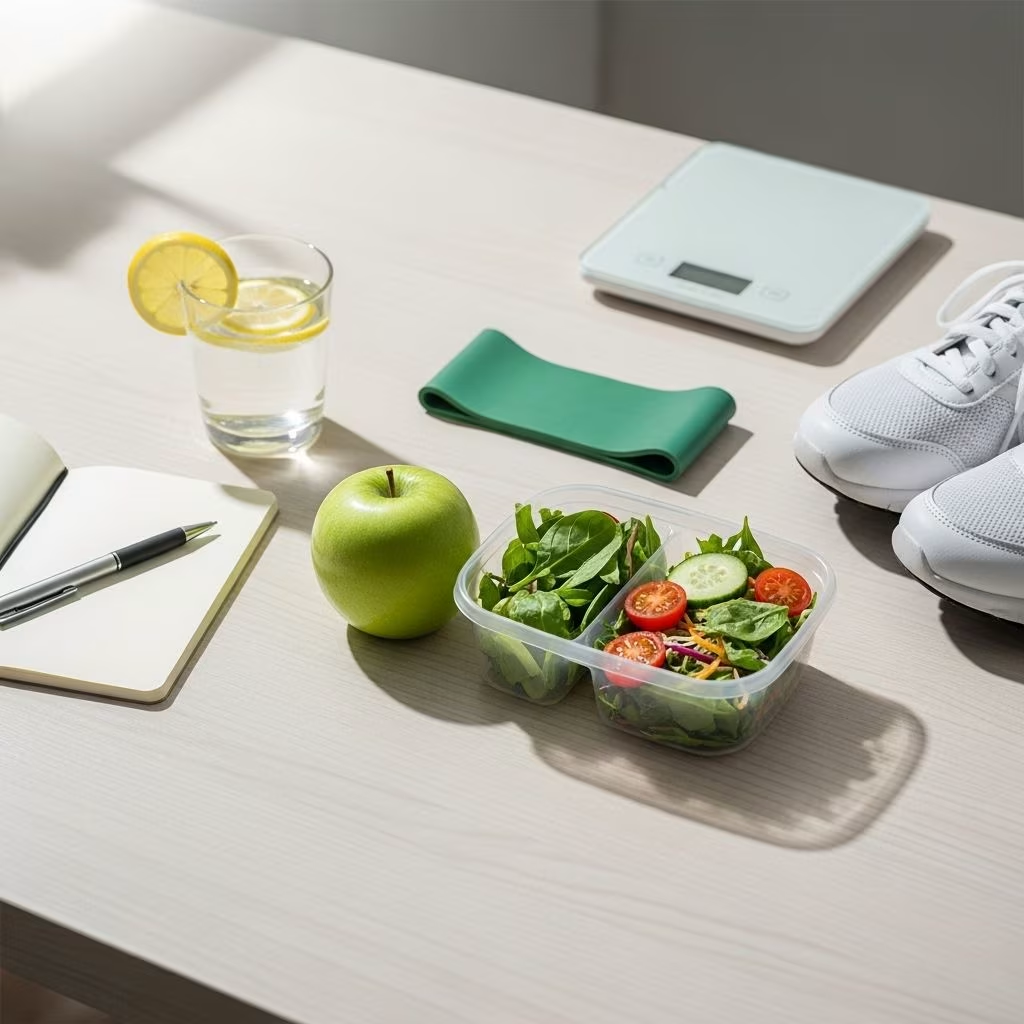
Losing weight does not have to mean strict diets, endless hours at the gym, or dramatically overhauling your entire lifestyle overnight. In fact, research shows that small, manageable changes to your daily habits are the key to both losing weight and keeping it off for good. By focusing on realistic adjustments in your eating, movement, and mindset, you can build healthy habits that last a lifetime—and finally break free from the cycle of yo-yo dieting.
Why Small Changes Make a Big Difference
Instead of extreme restrictions or quick fixes, slow and steady progress is proven to be more effective for long-term weight loss. Taking smaller steps allows you to:
- Build habits naturally without feeling overwhelmed
- Avoid burnout, deprivation, and the temptation to give up
- Find strategies that fit your lifestyle and are easier to maintain
- Keep your metabolism healthy and energy high
- Celebrate frequent progress, staying motivated as you improve
Experts agree that focusing on sustainable routine changes is the true secret behind lasting results.
Keep a Food Journal
One of the simplest yet most powerful tools you can use for weight loss is food journaling. Writing down everything you eat—even just for a week—brings awareness to your choices and patterns. Studies show that people who track their meals are more likely to:
- Practice better portion control
- Spot emotional or habit-driven eating
- Identify when and why they reach for unhealthy snacks
- Make smarter decisions moving forward
If you find yourself craving chips every afternoon, for example, journaling can help you prepare healthier alternatives in advance. Over time, this mindful process helps reshape your approach to food.
Find Every Opportunity to Move More
Increasing your daily movement doesn’t require a gym membership or hour-long workouts. Instead, look for small ways to stay active throughout your day:
- Do jumping jacks or march in place during TV commercials
- Take the stairs instead of the elevator
- Walk or bike short distances instead of driving
- Go for a brisk stroll during work breaks
- Dance around your house while cleaning or cooking
These extra bursts of activity add up—burning more calories and improving your mood and health in the process.
Limit Packaged and Processed Foods
Packaged foods are often high in sodium, unhealthy fats, and added sugars, all of which can sabotage weight loss. To reduce your intake:
- Identify your five most frequently eaten processed foods (like chips, cookies, or sweetened drinks)
- Cut back by one item per week, replacing it with a healthier snack (e.g., baby carrots and hummus or Greek yogurt with berries)
- Aim to consume no more than one or two packaged foods each week
Gradually making these swaps ensures you still enjoy your favorite tastes, but in a way that supports your goals.
Fill Your Plate with Vegetables
Let vegetables take center stage at every meal. They are rich in fiber, nutrients, and water—helping you stay fuller, longer while consuming fewer calories. Try:
- Filling at least half your plate with a mix of colorful vegetables
- Starting meals with a vegetable soup or salad
- Swapping starchy sides (like fries or white rice) for roasted veggies or a green salad
- Experimenting with vegetable-based dishes from different cuisines for variety
By eating more vegetables, you increase your intake of vitamins and minerals, support digestion, and naturally reduce your calorie consumption.
Never Drop Below 1,200 Calories
Cutting calories too drastically may seem like a shortcut to faster weight loss, but it can backfire. Experts strongly recommend:
- Never consuming fewer than 1,200 calories per day (unless prescribed by a healthcare provider)
- Eating balanced, frequent meals to keep your metabolism steady
- Ensuring you get enough nutrients to support your health and energy
Eating too little prompts your body to slow down your metabolism—making it harder to lose weight and easier to regain it. Always fuel your body with enough food to meet your activity and nutritional needs.
Do Weight Training
While cardio burns calories, strength training is crucial for toning muscle, enhancing metabolism, and maintaining weight loss. Even just two weight sessions per week make a noticeable difference. Consider:
- Using free weights, resistance bands, or your own bodyweight for squats, lunges, pushups, and planks
- Incorporating yoga or Pilates, which build strength and flexibility
- Gradually increasing the intensity as you get stronger
Don’t be surprised if the number on the scale doesn’t shift as quickly—lean muscle weighs more than fat by volume, but takes up less space and keeps you looking toned.
Work Out 3–5 Days a Week
Aiming for daily intense workouts can be unsustainable. Create a routine you can stick with long-term by:
- Scheduling 3 to 5 days each week for exercise
- Mixing moderate-intensity cardio (like brisk walking or cycling) with strength and flexibility workouts
- Breaking up your routine into shorter, more manageable sessions if necessary
- Gradually building up your activity level as your fitness improves
This approach keeps exercise enjoyable and helps prevent burnout.
Hit a Minimum of 10,000 Steps a Day
Outside of structured workouts, moving more throughout your day burns extra calories and supports ongoing weight loss. Setting a daily step goal—a widely recommended target is 10,000 steps—can help you:
- Stay active even on non-gym days
- Track your movement with a fitness tracker or pedometer
- Boost energy, mood, and cardiovascular health
- Burn more calories by increasing step goals as you progress
Even incremental increases—5,000 to 7,000 to eventually 10,000 steps—can make a major difference over time.
Eat More Fruits and Veggies
Vegetables aren’t the only produce that aids in weight loss. Eating a variety of fruits and vegetables increases fiber, essential nutrients, and antioxidants while keeping calorie intake in check. Tips include:
- Adding fruit to breakfast cereal, yogurt, or salads
- Choosing fresh fruit for dessert instead of cookies or candy
- Keeping washed, cut-up vegetables in the fridge for instant snacks
This not only supports your digestive health but also helps manage hunger and cravings.
Eat Breakfast
While not everyone enjoys breakfast, starting your day with a balanced meal can benefit weight loss goals. A nourishing breakfast helps:
- Jumpstart your metabolism
- Keep you fuller through the morning, preventing overeating later
- Promote healthy, high-protein choices that sustain energy
If you don’t like eating early, try incorporating smoothies, eggs, or high-protein yogurt that are easy to digest and prepare.
Pass on Sugary Drinks
Sweetened beverages are a major source of hidden calories—and they rarely provide lasting satiety. Cut back by:
- Swapping soda, sweet tea, and juices for water, herbal tea, or sparkling water with a twist of citrus
- Avoiding lattes and coffee drinks packed with sugar and whipped cream
- Saving cocktails and other calorie-dense drinks for occasional indulgences only
This simple shift alone can help you shed pounds and reduce sugar cravings.
Add More Activity to Your Day
The most effective weight loss isn’t about marathon gym workouts—it’s about staying consistently active. Both experts and government guidelines recommend:
- 150 minutes per week of moderate-intensity exercise (like brisk walking)
- 75 minutes per week of vigorous-intensity activity (like running)
- Breaking up activity into shorter 10- or 15-minute bursts to make it manageable
Any movement counts toward your weekly goal and helps you see results faster.
Focus on What You’re Eating: Mindful Eating
Rushed or distracted eating leads to consuming more calories than you need—and missing out on the enjoyment of your meals. Mindful eating techniques encourage you to:
- Sit down for meals without screens or distractions
- Pay attention to the flavors, textures, and smells of your food
- Eat slowly, noticing hunger and fullness cues
- Make food choices that genuinely satisfy you—not just what’s available or convenient
Over time, mindful eating can help you reconnect with your body’s needs and break cycles of emotional or automatic eating.
Practice Consistency, Not Perfection
No weight loss journey is flawless. The most successful individuals are those who:
- Embrace occasional setbacks as learning opportunities
- Stay committed to their goals even after an off day
- Prioritize balance, flexibility, and self-compassion
Sustainable weight loss is about making healthier choices most of the time—not striving for perfection or depriving yourself completely.
Frequently Asked Questions (FAQs)
Q: Can I really lose weight with small changes to my routine?
A: Yes. Scientific research and expert advice agree that small, realistic changes are more likely to produce sustainable weight loss compared to dramatic, short-term efforts.
Q: How important is exercise compared to diet for weight loss?
A: Both matter, but diet often plays a larger role in initial weight loss. However, regular exercise is essential for maintaining muscle, supporting your metabolism, and keeping the weight off long term.
Q: Do I have to give up all my favorite foods to lose weight?
A: Not at all. The key is moderation. You can still enjoy treats—as long as you make them occasional, watch portion sizes, and balance them with nutritious choices elsewhere.
Q: What if my weight plateaus?
A: Plateaus are normal. Reassess your habits, increase your activity, adjust portion sizes, or try new healthy recipes to break through. Staying persistent and patient is crucial.
Q: Is it safe to lose weight without a medical professional’s guidance?
A: As long as you are making modest changes and not dropping below recommended calorie intakes, it’s generally safe. However, consult your healthcare provider before beginning any major weight loss efforts, especially if you have health conditions.
Final Thoughts: Start Small for Big Results
Prioritizing small, practical changes in your daily routine is the cornerstone of healthy, permanent weight loss. By focusing on achievable adjustments, building consistent habits, and celebrating steady progress, you give yourself the best chance at making the scale move—and keeping it that way, for life.
References
- https://www.prevention.com/weight-loss/diets/a60578947/how-to-lose-weight-fast-safely/
- https://www.prevention.com/weight-loss/a20505548/small-changes-that-take-off-big-pounds/
- https://www.prevention.com/weight-loss/g20487308/how-to-stop-losing-and-gaining-the-same-10-pounds/
- https://www.prevention.com/weight-loss/a30188568/lose-weight-without-exercise-0/
- https://www.prevention.com/weight-loss/
- https://www.prevention.com/weight-loss/diets/a63174975/best-diets-for-weight-loss-2025/
- https://www.prevention.com/health/a65401665/expert-walking-tips-weight-loss/
- https://www.prevention.com/weight-loss/a20474562/best-weight-loss-exercises/
- https://www.prevention.com/weight-loss/g20490240/10-rules-to-live-by-for-long-lasting-weight-loss/
- https://www.prevention.com/weight-loss/g20515219/30-simple-ways-to-rev-your-metabolism/


