


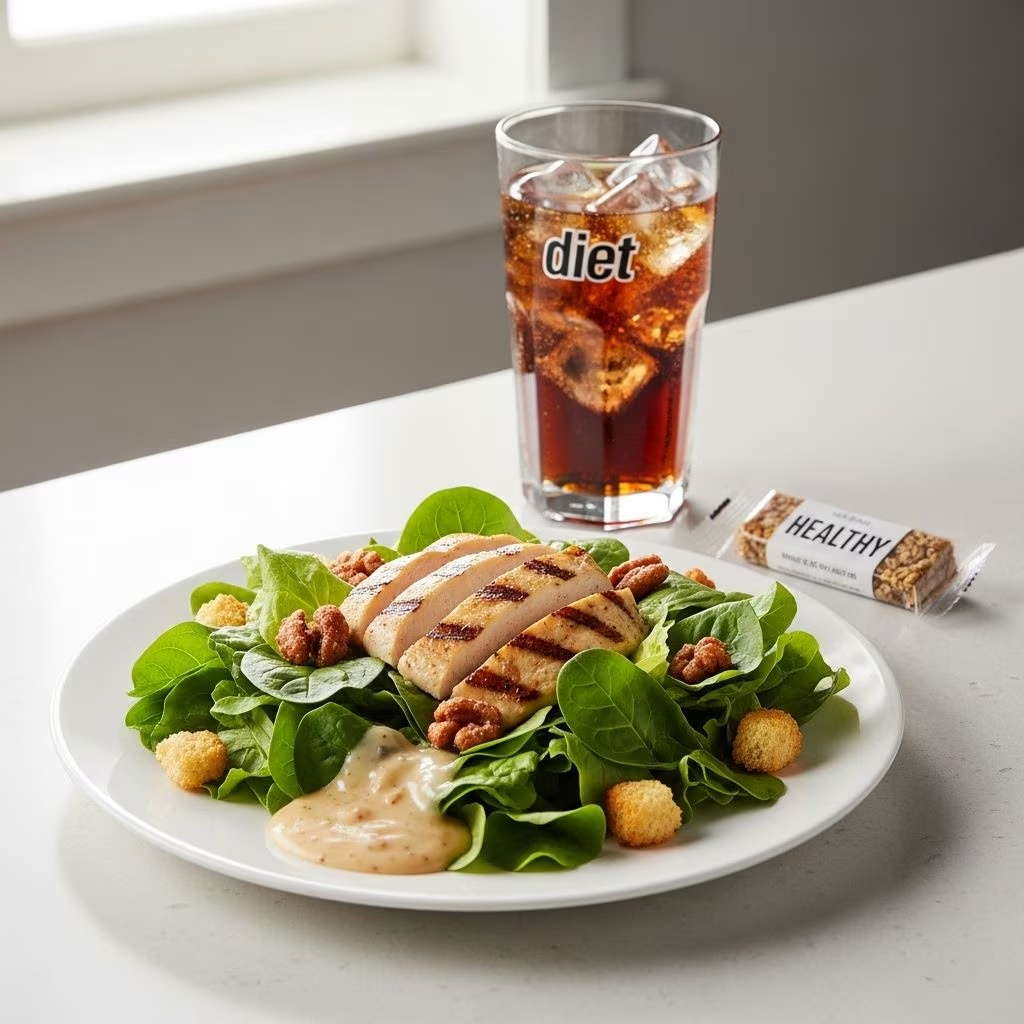
Diet Mistakes That Secretly Make You Gain Weight
It’s natural to believe that healthy eating habits and trendy diet tricks will help you shed unwanted pounds. But sometimes, those same habits can backfire, leading to unexpected weight gain and frustration. The truth: even health-conscious individuals often unknowingly sabotage their progress due to well-intentioned—but misleading—diet advice. In this article, we’ll dive into the most common diet mistakes that might secretly be making you gain weight, explaining why these pitfalls happen and what science recommends instead.
Hoarding Calories for Later
It’s tempting to “save up” calories during the day so you can indulge at dinner. But research reveals that banking most of your daily calorie intake for large, nighttime meals disrupts hunger hormones, especially ghrelin, causing increased appetite and a higher likelihood of binging. Participants who ate their daily calories in a single big meal produced more ghrelin than those who spread calories across multiple meals.
Science-backed strategy: Front-loading calories—enjoying a hearty breakfast and balanced meals throughout the day—helps maintain stable appetite and prevents nighttime overeating. Eating regularly every 3–5 hours curbs hunger.
Tip: Start with a filling breakfast (about 450 calories), like whole grain toast with eggs and fruit.
Erratic Eating Patterns
Grazing on snacks at random times—rather than having fixed meal times—may seem like a way to avoid hunger. However, studies show that women who ate at set times burned more calories after meals and had healthier insulin levels compared to those who ate erratically. Insulin resistance (linked to variable eating patterns) is a risk factor for weight gain.
Why it happens: Unplanned snacking leads to mindless eating, where calories add up unnoticed.
Smart fix: Plan your meals and snacks in advance and keep a food diary. Recording what you eat is clinically proven to double weight-loss success.
Overeating on “Low-Fat” Foods
Low-fat or “diet” labels can trick us into eating more than we should. Research from Cornell University found that people consumed 28% more M&M’s labeled as low-fat, despite them containing almost the same calories as the regular version. Many versions of diet snacks compensate for fat loss by adding sugars or carbs—sometimes saving as little as 3 calories per cookie.
Why it matters: Focusing on labels, not portion, ramps up the calorie count.
How to avoid: Closely read nutrition labels. Track portions even with diet brands, and if you prefer full-fat versions, savor smaller servings instead.
Crash Dieting
Extreme calorie cuts and crash diets create a short-term drop in weight, but often result in rebound weight gain. Severe food restriction slows metabolism and triggers hormonal changes that make regaining weight almost inevitable. These rapid approaches also decrease lean muscle mass, which lowers metabolic rate.
Strategy: Choose steady, sustainable calorie reduction and prioritize nutrient-rich food. Gradual changes beat quick fixes.
Short-Term Focus Hurts, Long-Term Wins
Setting ultra-short goals—like losing 10 pounds for an event—makes lasting weight loss rare. Short bursts of motivation taper off once the goal is reached, leading to old habits and regain. Real success comes when you build realistic, long-term plans focused on lifestyle shifts rather than numbers alone.
How to succeed:
- Set process-oriented goals (“cook a healthy meal three nights a week”)
- Track non-scale wins (better energy, more stamina)
- Reassess and tweak goals regularly
Not Tracking Portions
Overlooking how much you’re eating, even healthy meals, often leads to “portion blindness.” Snacks, sauces, and even low-fat foods contain hidden calories—without measurement, portions creep up and take you over daily needs.
Best practice:
- Portion out snacks (nuts, dried fruit, cheese) ahead of time
- Use smaller plates and bowls
- Keep track of servings—a food journal or app makes it easier
The “Everything in Moderation” Myth
Diet advice often includes the phrase “everything in moderation.” But studies from the University of Texas Health Science Center found that people with a diverse diet—sampling all available foods—had a 120% higher increase in waist circumference over five years than those who stuck to a handful of healthy staples. Diet diversity, in practice, often means more processed foods and treats appear on the menu, crowding out fruits, vegetables, lean meats, and whole grains.
What works:
- Limit diversity to nutrient-dense choices: think veggies, fruits, lean proteins, whole grains
- Reduce processed foods, desserts, and sugar-sweetened drinks
Living Alone: Social Support Matters
Recent research shows that those who live alone face a greater challenge in sticking to healthy eating habits. Without a partner or friend to hold you accountable, it’s easier to make less nutritious choices when shopping and cooking.
Simple solutions:
- Involve friends in grocery trips or meal prep
- Join online or local healthy eating communities
- Plan weekly menus and shared meals, even virtually
Mindless Snacking
Snacking between meals isn’t always a problem, but mindlessly nibbling—especially on your child’s plate or while standing around—quickly becomes an ingrained habit. This can lead to hundreds of extra, unnoticed calories every day.
How to be mindful:
- Schedule snacks as you do meals
- Eat sitting down, focusing on taste and satisfaction
- Store snacks in single servings
Overtraining and Stress
Consistent exercise is vital, but overdoing long-duration workouts (such as daily hour-plus runs) boosts your body’s cortisol—the stress hormone—which can encourage fat storage, especially around the belly. Chronic overtraining undermines progress and can make you feel burned out.
Interval training: Short bursts of intensity followed by active rest reduce cortisol spikes and support weight loss more effectively than long, low-intensity sessions.
Rest matters: Schedule rest or low-impact days to let your hormones stabilize.
Ignoring Nutrient Density
Calorie counting without regard to quality can keep you stuck. A snack of 200 calories from cookies isn’t equal to 200 calories of oranges in terms of health and satiety. Nutrient-dense foods—fruits, vegetables, lean meats, unrefined grains—fuel your body and fill you up without forcing you over your calorie limit.
Choose nutrient-dense:
- Opt for whole foods over highly processed alternatives
- Include a variety of colorful vegetables and fruits every day
- Lean protein and healthy fats keep hunger at bay
Negative Body Image and Weight Regain
After weight loss, many focus on perceived flaws rather than achievements. This cycle of dissatisfaction leads to negative behaviors, emotional eating, and—ultimately—weight gain. Positive self-talk and body acceptance reinforce healthy choices and long-term success.
Expert tip: Compliment yourself daily for healthy actions, not just body changes.
Comparison Table: Diet Habits That Can Backfire
| Common Diet Habit | Why It Backfires | What Works Instead |
|---|---|---|
| Hoarding calories for evening | Disrupts hunger hormones, leads to binging | Eat regular meals throughout the day |
| Eating erratically | Mindless snacking, higher insulin resistance | Stick to a consistent schedule |
| Choosing low-fat or “diet” foods | Overeating due to misleading labels | Track portions, read nutrition facts |
| Crash dieting | Slows metabolism, causes rebound weight | Opt for gradual, sustainable changes |
| Diverse—”everything in moderation” | Unhealthy foods crowd out nutritious options | Focus on nutrient-dense staples |
Frequently Asked Questions (FAQs)
Q: Does eating late at night really make you gain weight?
A: Eating late itself isn’t the main culprit; it’s the tendency to overeat at these meals and disrupt hunger hormones. Regular meal timing and self-control matter more than the clock.
Q: Are low-fat products a good choice for weight loss?
A: Not always. Low-fat products may not have significantly fewer calories and can encourage overeating. Moderation and portion control are key, regardless of fat content.
Q: Is it better to eat small meals throughout the day or three big meals?
A: Both work, but consistency is essential. Frequent, planned meals help control hunger and boost metabolism. Erratic eating and grazing lead to mindless excess calories.
Q: How important is tracking food and calories?
A: Tracking what you eat—a food journal or app—can double the results of your diet because it raises awareness and accountability, helping you spot problem areas.
Q: Can healthy habits ever hurt my weight?
A: Yes. Overtraining, excessive restriction, and negative self-talk can undermine results. Balance, self-kindness, and focusing on nutrient density are crucial for lasting weight management.
Quick Tips: How to Avoid Diet Sabotage
- Eat a balanced breakfast every day to energize your morning and curb evening cravings.
- Stick to a schedule for all meals and snacks, and write down what you eat.
- Watch portion sizes; use measuring tools and limit “treat” foods to singular servings.
- Prioritize unprocessed, whole foods for lasting fullness and essential nutrients.
- Include intervals in your exercise routine and avoid daily overtraining for hormone health.
- Join a support network—engage friends or use technology for accountability.
- Address negative body image and practice self-acceptance to reinforce positive changes.
Conclusion
Even the healthiest intentions can lead astray when it comes to weight loss. By recognizing and adjusting these subtle diet mistakes, you can sidestep common pitfalls and achieve lasting results. Remember, lasting weight loss is an ongoing process—anchored in self-compassion, consistency, and a clear-eyed look at what truly nourishes your body and mind.
References
- https://www.prevention.com/weight-loss/a20483150/weird-reasons-for-weight-gain/
- https://www.prevention.com/weight-loss/a20437804/eating-mistakes-that-cause-weight-gain/
- https://www.prevention.com/weight-loss/g20506618/weight-loss-maintenance/
- https://www.prevention.com/weight-loss/a20466754/habits-that-cause-weight-gain/
- https://www.prevention.com/weight-loss/g20492100/10-traps-that-make-you-fat/
- https://www.prevention.com/weight-loss/a20444551/5-tips-to-keep-weight-gain-in-check/
- https://www.prevention.com/weight-loss/g20487308/how-to-stop-losing-and-gaining-the-same-10-pounds/
- https://www.prevention.com/weight-loss/a20459677/hormone-reset-diet/
- https://www.prevention.com/weight-loss/a20471164/mistakes-made-after-weight-gain/
- https://www.prevention.com/weight-loss/a42250066/age-related-weight-gain/


