


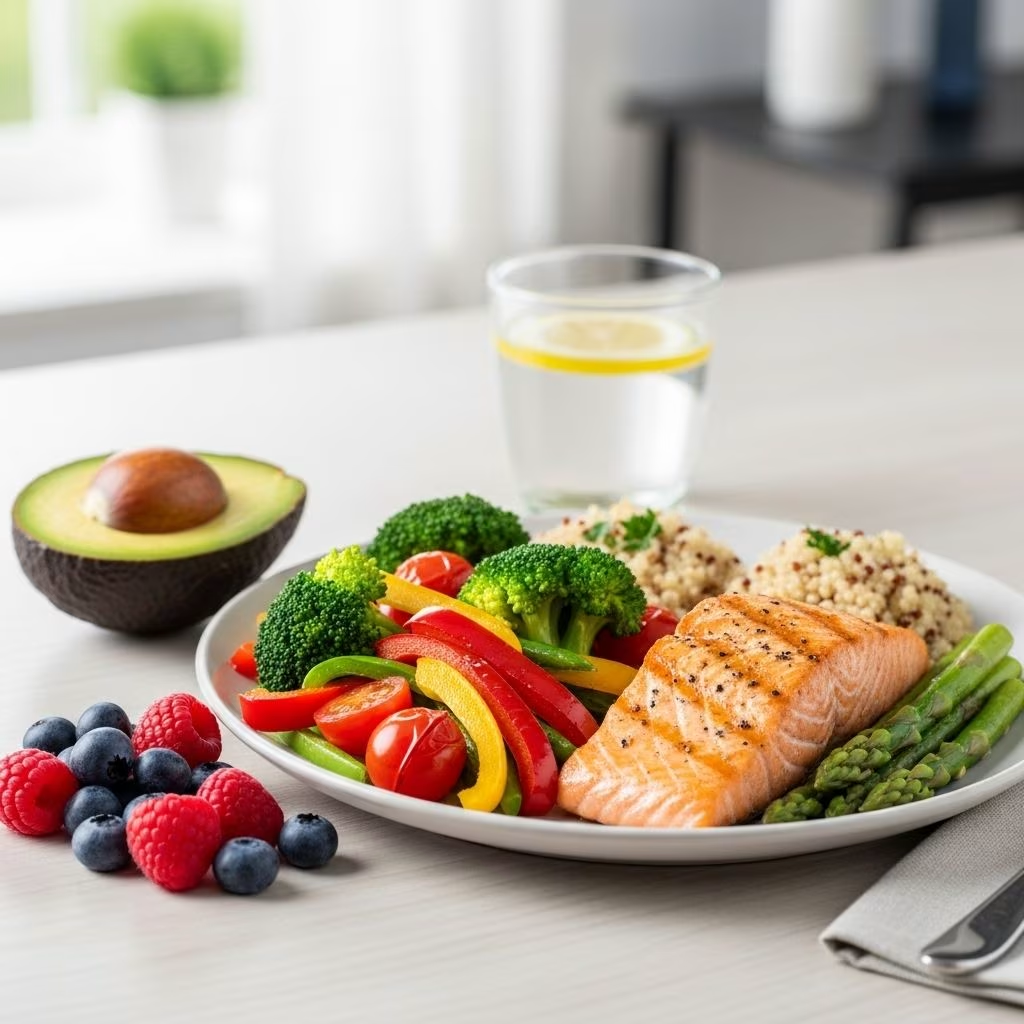
Eat for Weight Loss: Smart Strategies and Foods for Lasting Results
When it comes to shedding pounds and keeping them off, what you eat—and the way you approach food—can make all the difference. Instead of extreme diets or unsustainable restrictions, nutrition experts agree that the most effective strategies focus on sustainable choices, simple habits, and understanding how your body reacts to different foods. This article unpacks the key principles behind eating for weight loss: the science, the food choices, the practical tips, and answers to common questions so you can take action every day.
Why Sustainable Eating Habits Work Better Than Dieting
Forget quick-fix diets. Most traditional diet plans rely on heavy food restriction or eliminating entire food groups, often leading to short-term results but long-term frustration, fatigue, and weight regain. Instead, a sustainable approach emphasizes long-term changes that fit into your life, focusing on behavior rather than deprivation.
- Consistency matters: Establishing simple, repeatable routines builds habits that lead to steady progress over time.
- All foods fit: Allowing yourself to enjoy all foods in moderation prevents the feeling of deprivation and reduces binge-eating episodes.
- Focus on progress: Small, manageable tweaks make it easier to stick to your plan long enough to see lasting results.
- Hunger and satisfaction cues: Learn to listen to your body’s signals and eat until you’re satisfied, not stuffed.
The Science Behind Weight Loss: Calories, Satiety, and Metabolism
Understanding how your body processes food helps you make smarter choices. The basic principle: to lose weight, consume fewer calories than you burn. But the types of foods you eat influence your metabolism, your sense of fullness, and how easy it is to maintain your calorie goal.
- Calorie density: Foods high in fiber and water are less calorie-dense, letting you eat larger portions for fewer calories.
- Satiety: Protein, fiber, and water-rich foods keep you fuller longer and help curb cravings.
- Metabolic boost: Some foods require more energy to digest (the thermic effect), and certain nutrients can stimulate a slight increase in calorie burn.
Best Foods to Eat for Healthy, Sustained Weight Loss
Evidence-backed foods support weight loss both by promoting fullness and by contributing essential nutrients. Make these foods a regular part of your meals:
1. Whole Grains and Fiber-Rich Foods
- Quinoa, brown rice, oats, and barley: Naturally high in fiber and protein, they help you feel full and supply lasting energy.
- Legumes—beans, lentils, chickpeas: Packed with protein and soluble fiber, making them ideal for weight management.
2. Lean Proteins
- Chicken, turkey, salmon, lean beef: High-protein foods boost metabolism and support muscle maintenance.
- Cottage cheese and Greek yogurt: Dairy proteins aid both muscle building and satiety.
- Eggs: Protein-rich eggs can reduce hunger and promote weight loss when included in meals or snacks.
3. Colorful Vegetables and Fruits
- Kale and leafy greens: Nutrient-dense and low in calories, these greens are rich in antioxidants and minerals.
- Cruciferous vegetables—broccoli, Brussels sprouts, cauliflower: Fiber-rich and filling, they support digestion and satiety.
- Cucumbers: High-water content and low calorie, ideal for satisfying snack cravings.
- Berries—blueberries, raspberries, strawberries: Naturally sweet, packed with fiber and antioxidants that can protect against weight-related health risks.
4. Healthy Fats in Moderation
- Avocados: Contain heart-healthy monounsaturated fats and soluble fiber, helping keep you full.
- Nuts and seeds—almonds, walnuts, chia, flaxseed: Offer protein, healthy fats, and fiber.
- Fatty fish: Salmon, mackerel, and sardines provide omega-3 fats for metabolic and cardiovascular health.
- Hummus: Made from chickpeas and olive oil, provides healthy fats and protein.
5. Special Picks
- Ginger and turmeric: Anti-inflammatory spices thought to support metabolism and digestive comfort.
- Chocolate (in moderation): A small serving of dark chocolate delivers antioxidants and can help curb sweet cravings without derailing your efforts.
Smart Snacking: Satisfying and Waistline-Friendly Options
Snacking can be part of a healthy eating plan if you choose foods that provide lasting fullness and nutrition. The right snacks help bridge the gap between meals, keeping energy and focus steady without overeating.
- Kale chips: Crunchy, flavorful, and more nutritious than potato chips.
- Roasted chickpeas: Protein and fiber create a satisfying, savory snack.
- Chia pudding: The seeds expand in liquid, promoting fullness.
- Edamame: Soybean pods deliver protein and fiber for long-lasting satiety.
- Almonds with pomegranate seeds: A sweet and crunchy combo packed with antioxidants and healthy fats.
- Pistachios: High in protein and fiber, and easy to portion out.
Successful Meal Planning for Weight Loss
Meal planning isn’t about rigidly restricting what you eat—it’s about making it easier to eat well, save time, and avoid unplanned calorie splurges.
- Prep staple ingredients: Cook a batch of whole grains or beans for easy, fiber-filled meals.
- Build balanced meals: Every plate should include protein, fiber-rich carbs, plenty of vegetables, and some healthy fats.
- Portion wisely: Use smaller plates, measure servings, and avoid eating directly from large packages.
- Plan snack attacks: Have healthy snack options ready so you don’t reach for processed foods.
Common Mistakes That Sabotage Weight Loss
- Skipping meals: Often leads to later overeating or unhealthy choices.
- Drinking calories: Liquid calories from sodas, juices, or specialty coffee drinks add up quickly and don’t provide fullness.
- Ignoring hunger cues: Eating by the clock or out of habit can cause you to overeat.
- All-or-nothing thinking: One indulgence does not ruin your progress—get back on track at your next meal.
- Relying solely on willpower: Set up your environment for success by keeping nutritious foods visible and treats out of easy reach.
How to Handle Cravings and Special Occasions
Dealing with cravings and diet interruptions is part of long-term weight management. The key is flexibility and mindfulness, not perfection.
- Don’t ban favorite foods: Allowing regular, mindful portions can prevent binge-eating episodes and resentment.
- Eat before you go out: Have a healthy snack so you’re less likely to overeat at parties.
- Plan indulgences: Enjoy a special dessert or meal and savor every bite, guilt-free.
- Practice mindful eating: Be present with meals and snacks, focusing on flavor and satisfaction.
Building a Healthy Relationship with Food
Lasting weight loss happens when you stop fighting with food and start seeing it as fuel and pleasure. Sustainable management comes from building positive routines and letting go of guilt around eating.
- Practice self-compassion: Don’t punish yourself for one unplanned meal.
- Focus on well-being, not just a number: Improved mood, energy, and long-term health matter more than the scale.
- Celebrate non-scale victories: More stamina, better sleep, looser clothes, and increased confidence are all signs of progress.
Frequently Asked Questions (FAQs)
Q: Should I eliminate carbs to lose weight?
A: No. Carbohydrates provide essential nutrients and energy. Choose whole, unprocessed carbs like brown rice, oats, and quinoa for most meals. Cutting out all carbs is unnecessary and unsustainable for most people.
Q: Is fasting or skipping breakfast good for weight loss?
A: This depends on individual routines and health conditions. Eating breakfast helps many people control later hunger and avoid overeating. Listen to your body’s hunger cues and choose the approach that suits your lifestyle and energy needs.
Q: Can I have dessert and still lose weight?
A: Yes, in moderation! Including small portions of foods you love (even chocolate) helps prevent feelings of deprivation and can make healthy eating easier long-term.
Q: How fast can I safely lose weight?
A: Aim for no more than 1–2 pounds per week. Rapid weight loss often leads to muscle loss, metabolic slowdowns, and rebound weight gain.
Q: Which is more important—diet or exercise?
A: Both play roles, but diet typically has a greater impact on weight loss. Exercise provides many health benefits and helps preserve muscle during weight loss. The best results come from combining both.
Sample One-Day Eating Plan for Weight Loss
Here’s an example of how to combine the principles and foods discussed for balanced, satisfying meals throughout the day:
| Meal | Sample Choices |
|---|---|
| Breakfast |
|
| Snack |
|
| Lunch |
|
| Snack |
|
| Dinner |
|
| Dessert |
|
Final Thoughts: Make Weight Loss Work for Your Life
The best way to eat for weight loss is to make gradual changes you can maintain for the long haul. Prioritize whole, unprocessed foods, pack your diet with plenty of protein, fiber, and healthy fats, and don’t be afraid to indulge mindfully. Remember, successful weight loss isn’t about giving up the foods you love—it’s about building habits that help you feel your best, inside and out.
References
- https://www.prevention.com/weight-loss/g24805401/fat-burning-foods/
- https://www.prevention.com/weight-loss/g19576831/healthy-snack-ideas-weight-loss/
- https://www.prevention.com/food-nutrition/g29504714/weight-loss-foods/
- https://www.prevention.com/weight-loss/
- https://www.prevention.com/weight-loss/diets/a63174975/best-diets-for-weight-loss-2025/
- https://www.prevention.com/weight-loss/diets/a60578947/how-to-lose-weight-fast-safely/
- https://www.prevention.com/weight-loss/a20465042/lose-weight-over-40/
- https://www.prevention.com/weight-loss/diets/a20718413/apple-cider-vinegar-for-weight-loss/
- https://www.prevention.com/weight-loss/a20500235/intermittent-fasting/
- https://www.prevention.com/weight-loss/diets/a63096762/volume-eating/


