


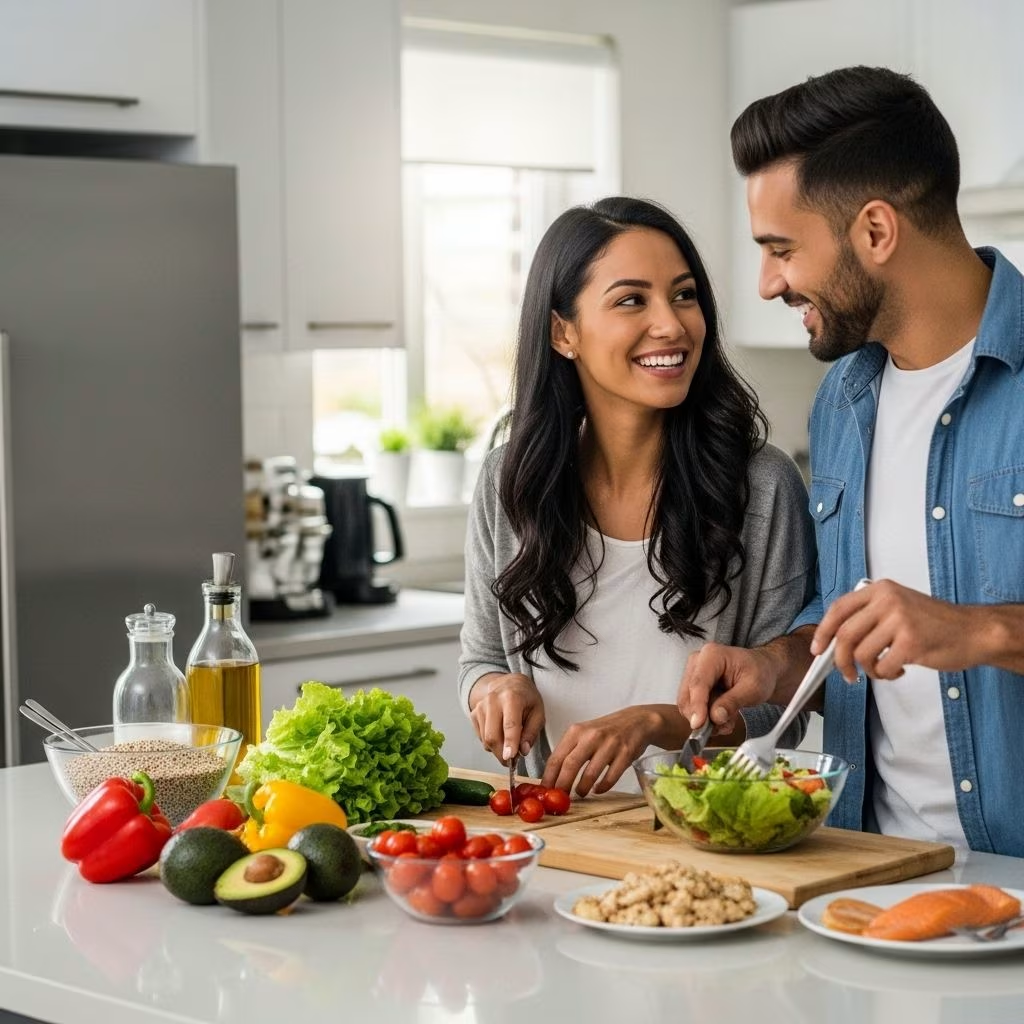
When it comes to making big lifestyle changes—like eating healthier or losing weight—doing it as a couple can multiply your chances of success. Research shows that couples who team up for healthy eating are more likely to stay on track, maintain motivation, and achieve lasting results. If you and your partner are ready to embark on a wellness journey together, these six practical tips can transform your kitchen and eating habits for good.
1. Set Shared Goals—But Embrace Your Differences
Setting a mutual goal is one of the most powerful steps couples can take when striving for healthier eating or weight loss. Shared goals create accountability, mutual encouragement, and a built-in support system. However, it’s crucial to remember that each person’s body, metabolism, and nutritional needs are different.
- Discuss your motivations. Are you aiming for better health, weight loss, improved energy, or another goal? Align on your core motivations to build unity.
- Set individual targets within your shared journey. For example, each partner might set their own step count, calorie target, or workout frequency. This way, both people feel supported, not compared.
- Balance encouragement and empathy. Celebrate personal progress, but avoid competitions or comparisons, as men and women often lose weight at different rates for physiological reasons.
- Schedule weekly check-ins. Use this time to review goals, celebrate wins, and tweak strategies together. Sharing progress—either in numbers or in healthy habits—can strengthen commitment.
Ultimately, remember that the journey is about collaborative growth, not rivalry. Recognize and respect each other’s unique needs while working as a team.
2. Clean Up Your Kitchen Together
The home environment has a powerful influence on eating habits. When your pantry and fridge are stocked with nutritious choices, it’s easier to make healthy decisions—even on your busiest days. As a couple, you can support each other by transforming your kitchen into an ally for your health goals.
- Audit your pantry and fridge. Go through shelves, tossing expired and highly processed foods. Replace them with staples like fresh fruits, vegetables, lean proteins, whole grains, legumes, and healthy fats.
- Stock up on healthy snacks such as Greek yogurt, hard-boiled eggs, unsalted nuts, hummus, or cut vegetables. Keeping these options visible and easily accessible helps curb the urge for unhealthy snacks.
- Keep tempting treats out of sight—or out of the house. Research shows that simply keeping indulgent snacks on high shelves, in opaque containers, or out of reach can reduce mindless munching.
Consider adopting a “see only what you want to eat” approach to your kitchen. By doing this together, you’ll create an environment that supports both partners’ healthier choices.
3. Divide and Conquer Meal Prep
One of the biggest obstacles to eating healthy consistently is a lack of preparation. Meal planning and prepping as a couple can make healthy eating less of a chore and more of a bonding experience. Plus, sharing responsibilities prevents one partner from feeling overwhelmed, which can lead to fatigue and setbacks.
- Collaborate on meal planning. Set aside time each week to brainstorm recipes, browse for new, nutritious dishes, and map out your meals. This ensures each person’s preferences and dietary needs are included.
- Shop for groceries together. Use a joint shopping list to stay focused on healthy options and avoid impulse buys.
- Share cooking and clean-up duties. Alternate roles or cook together. Some couples find it engaging to tackle meal prep in bulk—for example, making enough grilled chicken, roasted vegetables, or salads for several days.
- Prep grab-and-go items. Wash and chop vegetables, portion nuts or trail mix, and cook whole grains in advance to save precious time during busy weekdays.
Meal prepping allows you to better control what’s going into your bodies, avoid unnecessary calories and additives, and reduce food costs. The more involved both partners are, the more likely healthy habits will stick.
4. Eat More Mindfully—Together
Sitting down to eat as a couple isn’t just good for your relationship—it’s also good for your waistline. Mindful eating habits help prevent overeating, increase satisfaction, and foster a healthier relationship with food.
- Make mealtime a screen-free zone. Turn off TVs, phones, and tablets so you can focus on your food and each other.
- Practice portion control. Use smaller plates and bowls, serve reasonable portions, and put leftovers away before sitting down to eat.
- Savor the experience. Slow down, chew thoroughly, and discuss your day. Eating together at a slower pace makes it easier to recognize fullness and stop before you’re overeaten.
- Express gratitude. Take a moment to appreciate the food and the effort you both invested. This simple habit encourages positivity and awareness.
Mindful eating doesn’t mean rigid rules or deprivation. It’s about creating a positive, intentional mealtime routine that supports both your physical and emotional well-being.
5. Move Your Bodies—As a Team
Physical activity and a healthy diet go hand in hand for long-term weight management. Exercising together as a couple provides motivation, accountability, and an opportunity to spend quality time while supporting each other’s fitness goals.
- Schedule active dates. Replace some sedentary routines (like watching TV) with activities such as hiking, cycling, dancing, yoga, or tennis. Regular movement enhances results and keeps things fun.
- Set fitness challenges. Train together for a charity walk, 5K, or group fitness class. Shared challenges help build a sense of accomplishment and togetherness.
- Encourage—not pressure—each other. Celebrate every effort, whether it’s a short walk after dinner or trying a new workout. Flexibility and openness are key to maintaining motivation on tough days.
- Hold each other accountable. Track workouts or physical activity together, using apps or journals. Checking in as a team helps both partners stay on track.
Remember that healthy movement doesn’t only happen at the gym. Housework, yardwork, or even dancing in the kitchen count as meaningful ways to stay active together.
6. Communicate Openly and Support Each Other Through Setbacks
No journey is free from challenges or setbacks. One of the most valuable tools couples share is honest, supportive communication around food, weight, and motivation. How you talk to each other during tough moments can make all the difference in your long-term success.
- Discuss obstacles candidly. Share struggles about cravings, social pressures, or setbacks without fear of judgment.
- Offer gentle support—not guilt. If one partner gives in to temptation or plateaus, focus on what’s working and reaffirm your commitment to the journey together.
- Revisit your goals regularly. Life is unpredictable. Reassess and adjust your plans to reflect any changes in schedule, health, or motivation. Flexibility is key.
- Celebrate non-scale victories. Recognize improvements in energy, mood, fitness, and relationship quality with as much excitement as you do weight changes.
When both partners feel safe, supported, and understood, they’re far more likely to bounce back from challenges and maintain their healthy habits.
Smart Shopping List for Couples: Essentials to Stock Up On
- Fresh fruits (apples, oranges, berries, bananas)
- Non-starchy vegetables (broccoli, spinach, bell peppers, carrots)
- Lean proteins (chicken breast, fish, tofu, legumes, eggs)
- Whole grains (oats, brown rice, whole-grain bread, quinoa)
- Healthy fats (avocados, olive oil, nuts, seeds)
- Low-fat dairy or plant-based alternatives
- Spices and herbs for flavor without added calories
- Unsweetened beverages (plain water, sparkling water, herbal teas)
Frequently Asked Questions (FAQs)
How can couples avoid sabotaging each other’s diets?
Communication is essential. Discuss triggers and weaknesses openly, and agree on strategies—like keeping certain treats out of the house or scheduling shared meal prep—to minimize temptation. Act as mutual accountability partners focused on positive support.
What do you do if your partner loses weight faster?
Recognize that weight loss rates vary due to factors like metabolism, body composition, and hormonal differences. Focus on behaviors and habits rather than the scale, and regularly celebrate non-scale victories.
What are some fun ways couples can be active together?
Try new activities together such as hiking, paddle boarding, cycling, cooking classes, or dance lessons. Set joint goals—like training for a charity run or participating in a fitness challenge—to keep things playful and engaging.
How do couples navigate different dietary needs?
Plan meals that allow for customization. For example, prepare base ingredients (like grains and vegetables) and offer a mix of optional proteins, toppings, and spices so each partner can assemble their own plate. Focus on inclusivity, not complexity.
Quick Table: 5 Steps for Smarter Couple Meal Prep
| Step | What to Do | Benefit |
|---|---|---|
| 1. Plan Together | Schedule a weekly meeting to plan meals & build shopping lists | Ensures preferences and goals are addressed |
| 2. Shop as a Team | Divide the grocery list, shop together, or order online | Reduces impulse purchases, saves time |
| 3. Batch Cook | Cook larger quantities of grains, proteins, & veggies | Saves money, ensures ready-to-eat healthy options |
| 4. Pack in Advance | Pre-portion lunches/snacks for grab-and-go ease | Prevents unhealthy last-minute choices |
| 5. Alternate Roles | Switch up cooking & cleanup duties for variety | Shares workload, keeps both engaged |
When to Seek Professional Help
If you’ve tried multiple strategies but aren’t seeing results, or if your goals require more personal guidance, consider consulting a registered dietitian, nutritionist, or certified fitness trainer. These professionals can:
- Create individualized meal plans tailored to your needs
- Offer science-backed strategies to overcome specific obstacles
- Help with medical conditions or dietary restrictions
Sometimes, having expert support can make the difference between spinning your wheels and making real, lasting progress—together.
Bonus Tip: Make Healthy Changes Enjoyable
- Experiment with new recipes and cuisines to keep meals interesting.
- Take cooking classes, watch healthy cooking videos, or subscribe to a meal kit service as a couple.
- Celebrate successes and milestones with non-food rewards—a weekend trip, a new kitchen gadget, or a shared hobby.
The healthier your routines become, the more rewarding and sustainable your journey will feel—for both of you.
References
- https://novi-health.com/library/weight-loss-programs-for-couples
- https://www.forhers.com/blog/how-to-lose-weight-as-a-couple
- https://www.mayoclinic.org/healthy-lifestyle/weight-loss/in-depth/mayo-clinic-diet/art-20045460
- https://www.healthyfood.com/advice/menu-plan-for-couples/
- https://www.mayoclinichealthsystem.org/hometown-health/patient-stories/mayo-clinic-diet-helps-couple-shed-pounds-health-issues
- https://www.cdc.gov/healthy-weight-growth/healthy-eating/index.html
- https://www.mayoclinic.org/healthy-lifestyle/weight-loss/in-depth/weight-loss/art-20047752
- https://www.healthline.com/nutrition/most-weight-loss-friendly-foods
- https://www.health.harvard.edu/staying-healthy/losing-weight-helps-your-partner-slim-down-too


