


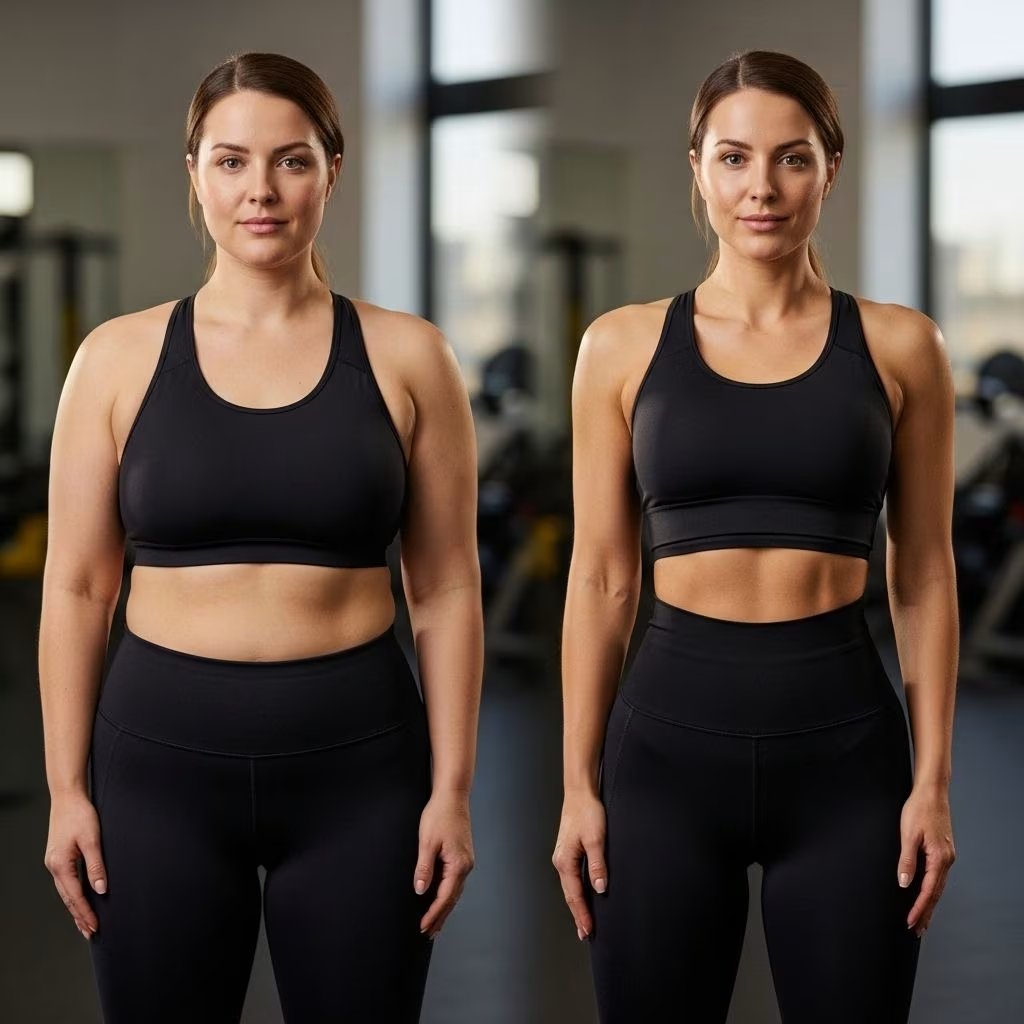
How to Fake Weight Loss Results in Photos
Before-and-after photos have become a staple in the world of weight loss and fitness promotions. Whether used by individuals, companies, or social media influencers, these transformation shots can be powerful motivators—or effective marketing tools for products promising dramatic results. But how much can you trust what you see? The reality is, faking a dramatic change in physique for cameras is far easier than most people realize. With just a change in lighting, posture, camera angle, and clothing, people can create the illusion of significant weight loss in mere minutes, not months.
Why Are Before-and-After Photos So Influential?
The visual power of transformation photos is undeniable. They distill months of effort, discipline, and emotional investment into a simple side-by-side comparison. But not all transformations are what they seem. The proliferation of fake before-and-after images—often used by companies to sell quick fixes or miracle supplements—has led to growing skepticism and the need for media literacy when interpreting these photos.
Photographer Ben Cope and BuzzFeed demonstrated how easily these illusions can be fabricated, showing that strategic posing and dynamic lighting often trump actual physical change when it comes to photographic evidence.
The Anatomy of a Fake Transformation Photo
Faking weight loss results in photos doesn’t require advanced editing skills. In fact, most visual trickery happens before the shutter clicks. Below are the most common techniques used to fabricate dramatic before-and-after shots:
- Lighting: Shadows and highlights can accentuate muscle definition or hide body contours.
Soft, flat light hides definition in the ‘before’ shot; dramatic, directional light enhances muscles in the ‘after’ shot. - Camera Angle: The height and distance of the camera can add or take away pounds.
Photos taken from slightly above make the subject look slimmer. - Posture: Slouched or relaxed poses exaggerate belly and body mass. Standing tall, flexing, and sucking in help create a more defined look for the ‘after’ photo.
- Clothing: Loose, pale colors create bulk in the ‘before.’ Well-fitted, dark clothes slim and highlight shape in the ‘after.’
- Oil/Shine: Adding shine to skin with oil or lotion can highlight muscle definition and create an illusion of a toned physique.
- Facial Expressions: Frowning or neutral faces make the ‘before’ appear more downtrodden; smiling in the ‘after’ suggests happiness and confidence.
- Tan: A quick spray tan or change in skin tone can help emphasize muscle definition and reduce the appearance of body fat.
Table: Common Tricks for Fake Weight Loss Photos
| Technique | Purpose | Effect |
|---|---|---|
| Lighting | Manipulate highlights/shadows | Defines or hides contours |
| Pose | Change posture/stomach position | Makes midsection look smaller |
| Clothing | Vary fit and color scheme | Fitted/dark slims, loose/pale bulks |
| Camera Angle | Adjust shooting height | Taller/slimmer effect |
| Oil/Tan | Enhance skin surface | Muscles appear more toned |
| Facial Expression | Mood and energy | ‘After’ looks happier, more vibrant |
Real-Life Demonstrations: Trainers and Bloggers Prove the Point
Personal trainers and fitness enthusiasts have taken on the challenge of busting the myth behind dramatic transformations. Andrew Dixon, a longtime trainer, famously demonstrated how he could create a ‘fit’ after-image from his 205-pound physique in less than an hour—with no diet or exercise involved. He utilized slouching, poor lighting, and body hair for the ‘before,’ then shaved, applied coconut oil, adjusted the lighting, and improved his posture for the ‘after.’
Many trainers utilize these photo tricks not to deceive, but rather to educate. As Jess King, a model, described on Instagram, “We are all guilty of taking a million photos and uploading one that highlights our supposed ‘best angles.'” The purpose for many is to help audiences recognize that what they see online is often a highlight reel—not someone’s reality.
Low-Tech Photo Manipulation: Easy Tricks Anyone Can Use
Body Position and Posture
- Relaxed Stance: Increases belly extension, roundness in arms/thighs.
- Standing Tall: Engages core, makes waist appear slimmer.
- Bending Elbows: Draws the waistline in, creates length in arms.
- Shoulder Hunch: Exaggerates body bulk for the ‘before.’
- Leg Placement: Having legs close together minimizes shape; spreading slightly to one side elongates the figure.
Clothing Choices
- Loose Clothing: For ‘before,’ opt for pale or baggy clothes to look larger.
- Dark, Fitted Attire: For ‘after,’ dark colors and tighter fit highlight curves and muscle.
- Tight Underwear: Can squeeze in or over-emphasize certain areas.
Lighting Manipulation
- Direct Flash: Reduces definition, great for ‘before’ shots.
- Dramatic Lighting: Side or overhead lighting can bring out muscle structure for impressive ‘after’ results.
- Shadow Play: Controlled light and shadow shape perceptions of body size.
Spotting a Fake Before-and-After Photo
While many companies use these tricks to sell products, spotting a doctored photo is possible with a little attention to detail:
- Face-Neck Mismatches: Swapping faces in Photoshop may leave visible borders, unnatural angles or skin tone mismatches.
- Lighting Inconsistencies: Check for unnatural light/shadow patterns which don’t align with the rest of the photo.
- Unnatural Poses: Notice if the pose changes from slouched to upright, or if one photo looks conspicuously more posed.
- Color and Texture Disparities: Harsh color changes, differences in skin texture or muscle definition can also be red flags.
- Photo Quality and Edits: At web resolution, edits might be subtle; pay extra attention to pixelation around the face or body.
Why Are Fake Transformations Dangerous?
On one hand, creative use of before-and-after photos is a harmless way for individuals to track their progress. But when used deceptively to sell products or promote unrealistic body standards, these images can create false hopes and fuel disordered thinking. Legitimate transformations require time, effort, and commitment—not simply a change in wardrobe or lighting.
This is why it’s crucial to stay skeptical. If a program or supplement promises extraordinary results backed only by transformation photos, beware. Use expert tips and your own judgment to assess what’s real and what’s camera trickery.
Advice for Interpreting Online Transformation Photos
- Look for Stories, Not Just Photos: Genuine transformations are usually well-documented and accompanied by verified timelines.
- Compare Dates and Consistency: Rapid transformations are typically suspect; sustainable change takes time.
- Check the Source: Reputable trainers, organizations, and individuals will cite their methods rather than just post photos.
- Beware of Odd Product Placements: When before-and-after shots are tied to products, be extra cautious of their legitimacy.
- Trust Your Instincts: If it looks too good to be true, it probably is.
FAQs: Fake Weight Loss Photos and Authenticity
How quickly can you fake a before-and-after transformation photo?
A convincing transformation can be staged within minutes by adjusting posture, lighting, clothing, and camera angle. No weight loss is required.
Can photo editing software (like Photoshop) be used to fake results?
Yes, digital manipulation (face swaps, body retouching) is common and can be hard to spot, especially at low resolution or for web images.
How can I tell if a before-and-after photo is fake?
- Look for mismatched neck and face borders, odd angles, or sudden changes in skin tone/texture.
- Unnatural lighting, posture differences, and inconsistent image quality are warning signs.
Are all before-and-after photos fraudulent?
No, many honest individuals document real progress, but photo trickery is common in marketing and on social media. Skepticism is reasonable.
Are product testimonials using before-and-after images trustworthy?
Exercise caution. If transformations are tied to product sales and lack corroborating evidence or testimonials, they are likely suspect.
What Real Weight Loss Success Looks Like
Authentic weight loss journeys feature sustainable lifestyle changes, healthy eating, and consistent movement—not instant transformations. Successful individuals often share both their struggles and triumphs, celebrating progress over time. Inspiration should stem from realistic goals and real stories, not visual illusions engineered for social media likes or product sales.
Conclusion: The Truth Behind Transformation Images
Transformation imagery can offer motivation and hope, but it’s essential to approach these photos with a critical eye. Photographic magic, from lighting tricks to digital editing, means viewers must question what they see. Trust honest documentation, seek verified stories, and be wary of anything that promises the impossible. Weight loss is a personal, challenging journey—one that can’t be fully captured or faked in a single photograph.
Further Reading
- 7 Lazy Ways to Lose More Weight
- 9 Diet Changes Real Women Made to Lose More Than 50 Pounds
- 5 Habits People Who Successfully Lose Weight Have in Common
References
- https://www.businessinsider.com/fake-before-and-after-weight-loss-pictures-2017-2
- https://www.youtube.com/watch?v=ogsm2rRgrWk
- https://www.prevention.com/weight-loss/a20470908/how-to-fake-weight-loss-results-in-photos/
- https://fitbottomedgirls.com/2014/08/how-to-spot-a-fake-before-and-after-image/
- https://www.picturecorrect.com/how-to-fake-a-before-and-after-fitness-photo/
- https://www.athlegan.com/before-after-photos
- https://womensphysiocoach.com/blogs/news/how-to-fake-weight-loss-photos-a-real-talk-for-moms


