


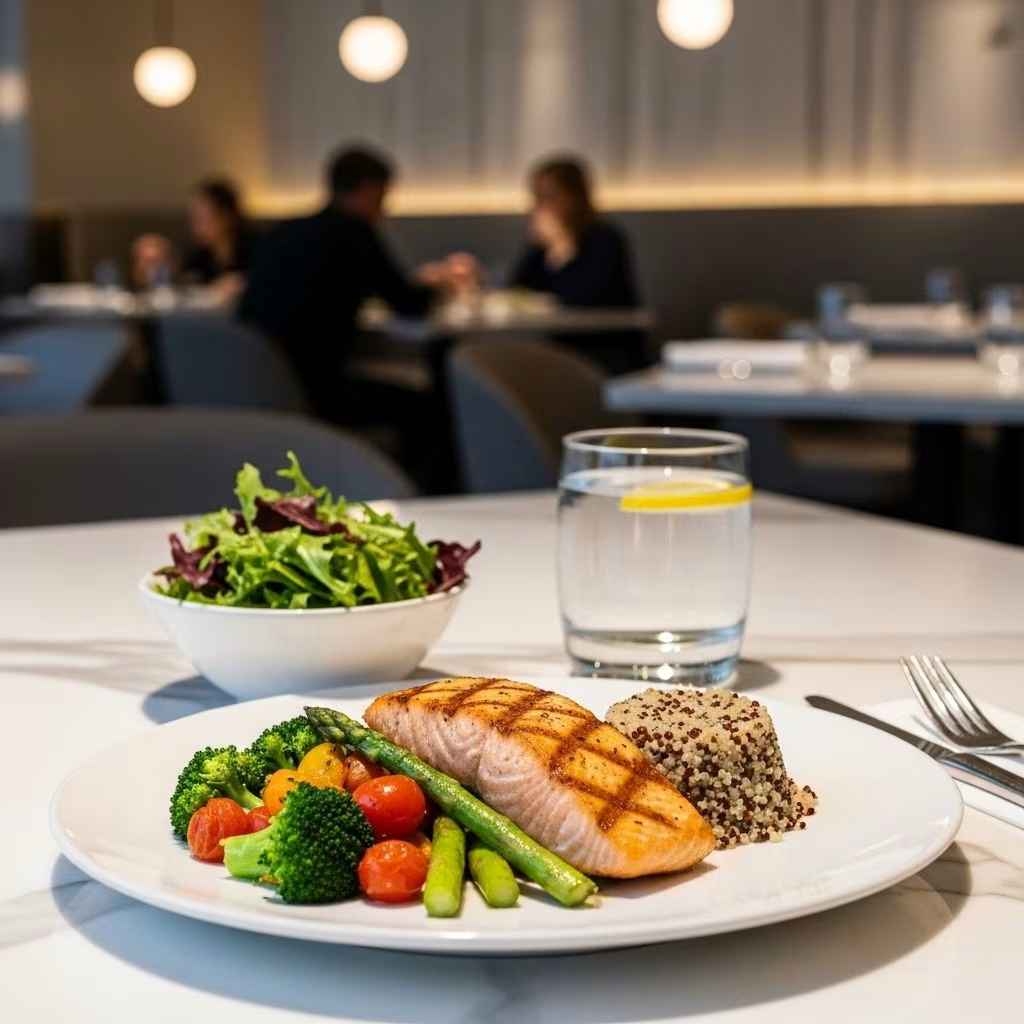
Healthy Restaurant Eating: The Ultimate Toolkit for Smart Diners
Dining out is a joy, a social ritual, and sometimes simply an everyday necessity. Yet, for anyone focused on health, weight loss, or even mindful eating, restaurants often pose a challenge: big portions, hidden fats, and tempting treats at every turn. Fortunately, you don’t have to trade away flavor or fun to make healthier choices while eating out. This comprehensive guide brings you practical, expert-backed strategies to enjoy restaurant meals while sticking to your wellness goals.
Why Eating Out Is Tricky—And Why It Matters
Statistics suggest that modern lifestyles have shifted significantly, with more meals consumed outside the home than ever before. Restaurant dining often means:
- Larger portion sizes than you’d prepare yourself
- More added fat, salt, and sugar hidden in meals
- A social environment that encourages ordering extras or lingering over food
- Menu options designed for taste and profit—not for health
But don’t let that discourage you: with just a few empowering strategies, you can dine out and actually support your health in the process.
Setting Yourself Up for Success—Before You Even Arrive
Smart Pre-Dining Habits
- Have a light, healthy snack before heading out. Going to a restaurant famished makes it tough to make wise choices. A small piece of low-fat cheese, a handful of almonds, or a few whole-grain crackers can tame hunger and help you order with your brain—not just your cravings.
- Don’t drink on an empty stomach. Drinks can whet your appetite and lower inhibitions, making it more likely you’ll order impulsively or overeat. Begin with sparkling water or a low-calorie beverage before dinner drinks.
Mastering the Menu: What to Look For (And What to Avoid)
Menu Strategies Healthy Diners Swear By
| Healthier Choices | Things to Avoid |
|---|---|
| Baked, steamed, grilled, broiled, poached dishes | Fried, battered, crusted, stuffed options |
| Salad with dressing on the side | Pre-dressed or creamy salads |
| Lean proteins and whole grains (brown rice, quinoa) | Saucy, cheese-laden, or buttery meals |
| Vegetable sides (ask to sub more veggies) | Extra bread, chips, or salty snacks |
| Fresh fruit, sorbet | Heavy desserts |
Pro Tip: Don’t be shy—most restaurants will accommodate special requests. Swap fries for greens, ask for double vegetables instead of potatoes, or request grilled instead of fried. Customer service is part of the business!
Portion Control: Outsmart Big Servings Without Feeling Deprived
- Share appetizers, entrées, or desserts. If you want to try a richer dish, splitting it lets you taste without excess.
- Order two appetizers instead of an entrée and starter. You’ll often get just the right amount of food without going overboard.
- Ask for a takeout container when your meal arrives. Scoop half your meal into the box right away—out of sight, out of mind, and tomorrow’s lunch is sorted!
Even many “healthy” restaurant entrees clock in at two or even three times a standard home portion. Halving the meal up front makes moderation effortless.
Mindful Dining: Eating Like Naturally Slim People
What the Slim Do Differently
- Take time to chew. Research shows that thinner diners average 15 chews per mouthful—savoring each bite, eating more slowly, and giving their stomach time to signal fullness.
- Leave food on the plate. Normal-weight people are significantly more likely to leave a portion of food behind, rather than eating until every bite is gone.
- Scout the buffet before diving in. Instead of loading up immediately, take a lap and identify the options you truly want—then assemble the perfect plate, centered on quality rather than quantity.
- Strategically seat yourself away from temptation. People sitting farther from buffet tables and in booths eat less and make better choices.
Mindful eating is about re-engaging with your meal—paying attention, enjoying flavors, and stopping when you’re satisfied instead of stuffed.
Drinks: Liquid Calories Can Derail Your Healthy Plans
- Rethink the drink size. Restaurant soft drinks are often 16-24 ounces, with many offering free refills—making it easy to accidentally consume 400+ calories just from beverages.
- Alcohol and sweetened drinks add up quickly. A single cocktail or creamy coffee drink can have as many calories as an entire meal. Stick to water, unsweetened tea, or seltzer with a splash of citrus.
Bread Baskets and Tempting Extras—Delay, Minimize, or Smartly Enjoy
- Delay the bread basket. Ask your server to bring bread with the main course, not before, reducing mindless nibbling while you wait.
- Savor small portions. If you love bread, have one piece, then enjoy your main meal.
Special Requests: How to Customize Your Order for Health
- Request low-fat or low-calorie preparation. Many entrees are flexible—ask for broiling instead of frying, or for sauces and dressings on the side.
- Flavor with herbs and spices, not extra oils. Choose dishes where flavor comes from seasoning, salsa, or citrus, instead of cheese, butter, or cream.
- Whole grains, please. Substitute brown rice or whole grain choices whenever possible.
Buffet and All-You-Can-Eat Settings: Tactics to Enjoy Without Overindulging
- Avoid sitting near the buffet spread. Out of sight means out of mind for repeated trips.
- Survey all offerings before selecting. Plan your plate intentionally instead of mindlessly piling up whatever you reach first.
- Be intentional about portion sizes. Focus on salads, lean proteins, and veggies. Choose only one or two special items, and take small servings.
- Be aware of the value trap. Studies show people eat up to 25% more just because it feels like a better deal, not due to hunger. Listen to your body, not your wallet.
Environmental Traps and How to Outsmart Them
- Order first at the table. You’re less likely to be swayed by unhealthier choices if you’ve already made your selection.
- Request softer music and gentle lighting. Research reveals that quieter, less stimulating environments help you eat less food.
- Avoid distractions like TVs and phones. Mindless eating is easiest when your attention is elsewhere; make mealtime social and intentional.
Making the Most of Dessert
- Split rich desserts. A few bites are often enough to satisfy a sweet tooth.
- Opt for lighter fare. Fresh fruit or sorbet make for healthier dessert choices.
Summary Table: Top Restaurant Healthy Eating Tips
| Situation | Smart Strategy |
|---|---|
| Ordering drinks | Choose water, seltzer, or unsweetened tea; go easy on alcohol and sugary beverages |
| Main course selection | Favor grilled, broiled, or steamed dishes; ask for sauce on the side |
| Buffet meals | Sit farther away, survey before serving, fill up on salad and lean proteins |
| Dealing with bread baskets | Have bread with the meal, not as a pre-meal nibble |
| Dessert | Order fruit or sorbet, or split a richer treat with the table |
Frequently Asked Questions (FAQs)
Q: How can I avoid overeating when I go to restaurants with friends who order indulgent meals?
A: Decide on your order before hearing others’ choices and place your order first if possible. This makes you less susceptible to peer-influenced decisions. Focus on your health goals and enjoy your meal without judgment.
Q: Is it okay to have bread or dessert when trying to eat healthfully?
A: Yes, just enjoy sensible portions. Have a small piece of bread with your meal, and split dessert with the table or opt for fruit to satisfy sweet cravings.
Q: What should I do if the menu lacks healthy options?
A: Ask for customization. Request food to be prepared with less oil, butter, or sauce, substitute vegetables for fries or rice, and don’t hesitate to ask questions about ingredients.
Q: How do I handle all-you-can-eat or buffet-style restaurants and still stay on track?
A: Take a full scan of the buffet before you serve yourself, prioritize veggies and lean proteins, and limit trips to the buffet by sitting farther away. Pay attention to your appetite, not perceived value.
Q: Does atmosphere and music really affect how much I eat?
A: Yes, studies show people eat less in quieter, more relaxed restaurants. If you’re able, choose softer environments or ask for reduced volume.
Your Takeaway: Healthy Restaurant Eating Is Possible—And Enjoyable
Eating out and eating well do not have to be mutually exclusive. By adopting some of these proven strategies—plan ahead, engage your brain (and palate!), manage portions, and enjoy food mindfully—you can stay true to your healthy living goals without sacrificing the joy of a good meal. Make your next restaurant visit a celebration of both delicious flavors and smart choices. Bon appétit!
References
- https://www.prevention.com/weight-loss/a20446381/how-to-eat-healthy-at-the-buffet/
- https://www.prevention.com/weight-loss/a20433312/weight-loss-and-restaurants/
- https://www.prevention.com/weight-loss/a20465396/prevent-overeating-at-restaurants/
- https://www.prevention.com/weight-loss/a20451598/healthy-eating-tips-for-dining-out/
- https://www.prevention.com/weight-loss/a20452542/healthy-restaurant-eating/
- https://www.prevention.com/food-nutrition/healthy-eating/g19601242/healthy-fast-food-options/
- https://www.prevention.com/weight-loss/a20429571/healthy-eaters-eat-out-guide/
- https://www.prevention.com/food-nutrition/healthy-eating/a65221143/best-time-of-day-to-eat-dinner/
- https://www.prevention.com/food-nutrition/healthy-eating/a63423411/foods-you-should-not-eat/
- https://www.prevention.com/food-nutrition/


